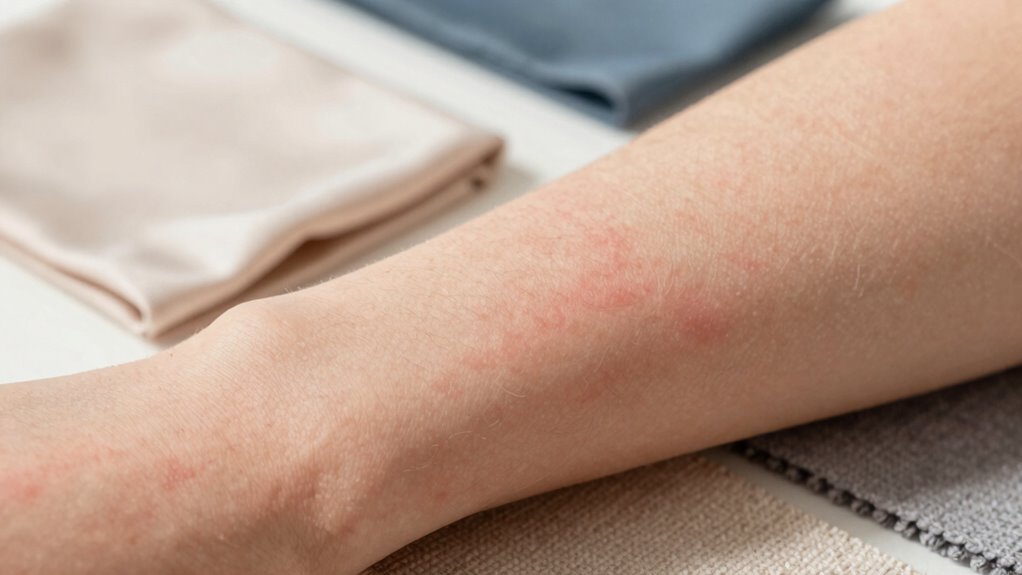

Choosing natural, chemical-free fabrics can markedly reduce your risk of sensitive skin reactions. These materials are softer, more breathable, and less likely to cause irritation or allergies compared to synthetic fibers. They help keep your skin comfortable, dry, and less prone to flare-ups. Chemical-free options avoid dyes and chemicals that often trigger sensitivities. If you want to discover more about how fabric choices impact skin health, keep exploring the details.
Open a free Amazon Business account
Business pricing, bulk buying and tax-exempt orders.
As an affiliate, we earn on qualifying purchases.
Key Takeaways
- Natural fibers are softer and more breathable, reducing irritation for sensitive skin compared to synthetic fabrics.
- Synthetic fabrics trap heat and moisture, creating environments that promote skin irritation and bacterial growth.
- Chemical treatments and dyes in fabrics can trigger allergic reactions and skin sensitivities.
- Choosing chemical-free, natural fibers minimizes exposure to irritants and supports healthier skin.
- Eco-friendly fabrics promote better skin comfort and reduce environmental impact, benefiting overall well-being.
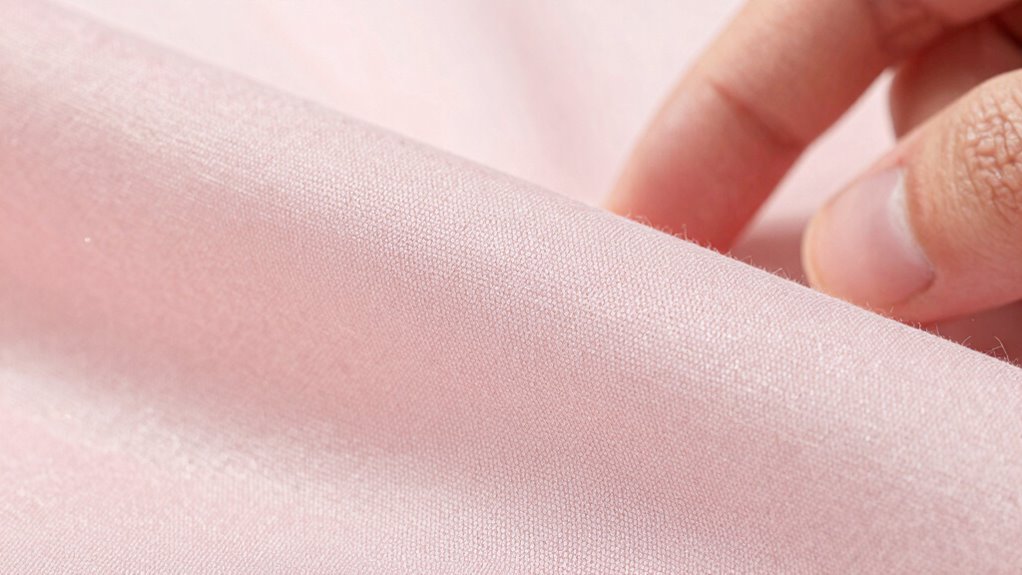
Choosing the right fabric can make a significant difference if you have sensitive skin. The materials you wear directly impact how your skin reacts, especially if you’re prone to irritation or allergies. Natural fiber benefits are well-known because they tend to be softer, more breathable, and less likely to cause adverse reactions than synthetic fabrics. When you select clothing made from natural fibers, you’re giving your skin a better chance to breathe and stay comfortable throughout the day. These fabrics typically have fewer chemical treatments, which means fewer irritants come into contact with your skin, reducing the likelihood of rashes or itching. Chemical free fabrics, in particular, offer an extra layer of protection by eliminating dyes, finishes, or synthetic additives that can trigger sensitivities.
Many synthetic fabrics, such as polyester or nylon, are made from plastic derivatives that trap heat and moisture, creating an environment where bacteria and fungi can thrive. This can lead to irritation, especially for sensitive skin. In contrast, natural fibers like cotton, silk, linen, and hemp allow air to circulate better, helping to regulate body temperature and moisture levels. Their breathability helps prevent sweat buildup, which can aggravate sensitive skin and cause discomfort or redness. When you opt for natural fiber benefits, you’re not just choosing comfort—you’re also choosing a fabric that’s less likely to irritate or cause allergic reactions. Additionally, sustainable fabrics made from eco-friendly sources support biodiversity and promote environmentally responsible practices in textile manufacturing. Using fabrics that are chemical free not only benefits your skin but also contributes to reducing environmental toxins.
Manufacturers of chemical free fabrics prioritize purity, often avoiding harsh dyes and chemical treatments that are common in conventional textile production. This means your clothing is less likely to contain residual chemicals that can cause skin reactions, making it a safer choice for those with sensitive skin. You may notice that these fabrics often feel softer and more natural against your skin, providing a gentle touch that minimizes irritation. While some synthetic fabrics might look appealing or be more durable, they often come at the cost of chemical exposure, which can be problematic if your skin is easily irritated. Moreover, choosing natural and chemical-free fabrics can also help you reduce exposure to synthetic chemicals that may accumulate in your body over time. Incorporating chemical-free fabrics into your wardrobe aligns with a broader effort to avoid harmful substances and supports healthier skin.
Furthermore, opting for environmentally conscious fabrics can contribute to sustainable fashion efforts, reducing your overall ecological footprint. Ultimately, understanding the benefits of natural fibers and choosing chemical free fabrics can help you manage skin sensitivities more effectively. By prioritizing these options, you’re not just investing in comfort but also in healthier skin. When your clothes are made from natural, chemical-free materials, you reduce the risk of flare-ups and enjoy a more comfortable, irritation-free experience. Remember, your skin deserves the best, and selecting fabrics with these qualities is a proactive step toward minimizing sensitive skin reactions.
natural fiber clothing for sensitive skin
As an affiliate, we earn on qualifying purchases.
As an affiliate, we earn on qualifying purchases.
Frequently Asked Questions
Can Fabric Type Affect Skin Irritation Severity?
Yes, fabric type can affect skin irritation severity. When you choose fabrics with high fiber elasticity, they move comfortably with your skin, reducing friction that causes irritation. Similarly, breathable fabrics allow air to circulate, preventing sweat buildup that can worsen sensitive skin reactions. Opting for natural fibers like cotton or silk often minimizes irritation because they tend to be softer, more breathable, and less likely to cause allergic responses.
Are Synthetic Fabrics Worse for Sensitive Skin?
Synthetic fabrics are often worse for sensitive skin because they trap heat and moisture, like a plastic wrap on your skin. This can cause irritation and rashes. Plus, they usually have chemicals that might trigger reactions. To keep your skin happy, choose fabrics with good longevity, like natural fibers, and follow care instructions carefully to prevent irritation from buildup or damage. Your skin deserves gentle treatment.
How Do Natural Fabrics Compare to Synthetic Ones?
Natural fabrics generally cause fewer skin reactions than synthetic ones because they’re softer and less irritating. They often have better fiber durability, meaning they last longer and maintain comfort over time. Plus, natural fabrics tend to have a lower environmental impact since they’re biodegradable and require fewer chemicals during production. However, they may be less resistant to wear and tear, so choose based on your skin sensitivity and eco-conscious priorities.
Do Fabric Dyes Influence Skin Reactions?
Imagine a vibrant hue seeping into your skin like ink into paper—fabric dyes can indeed trigger reactions. They influence skin by affecting dye absorption, which determines how much dye remains on the surface or penetrates deeper. If dyes fade easily, it suggests ongoing chemical interactions, potentially irritating sensitive skin. So, choosing garments with stable, natural dyes minimizes the risk of redness, itching, and discomfort.
Can Fabric Treatments Cause Allergic Responses?
Yes, fabric treatments can cause allergic responses. When you wear treated fabrics, chemical residues from dyes, finishes, or preservatives might trigger reactions. Additionally, allergic fragrances used in some treatments can irritate sensitive skin. These substances can cause redness, itching, or rashes. To minimize risks, look for fabrics labeled free from chemical residues and fragrances, especially if you have sensitive skin or known allergies.
As an affiliate, we earn on qualifying purchases.
Conclusion
Choosing the right fabric is like planting a seed in your skin’s garden—you nurture comfort and health with gentle, natural fibers. When you pick fabrics that soothe rather than irritate, you’re tending to your well-being, allowing confidence and comfort to flourish. Remember, your skin’s reaction is a silent messenger, guiding you toward what truly nurtures your inner harmony. By making mindful choices, you cultivate a life of calm and resilience, rooted in the fabric of self-care.
breathable linen clothing for skin sensitivities
As an affiliate, we earn on qualifying purchases.
As an affiliate, we earn on qualifying purchases.
As an affiliate, we earn on qualifying purchases.
NFL season / tailgating Picks
team gear
As an affiliate, we earn on qualifying purchases.