
Medical-grade compression garments are a different category because they are carefully designed to meet strict safety and therapeutic standards, ensuring consistent pressure levels and effectiveness for health conditions like venous insufficiency and lymphedema. They’re made from durable, high-quality materials that resist wear and maintain their support over time. Unlike regular compression wear, they prioritize precise pressure control, comfort, and hygiene. If you want to learn more, you’ll discover what sets these specialized garments apart.
Key Takeaways
- Medical-grade compression garments adhere to strict standards ensuring precise pressure levels critical for effective therapy.
- They are designed with advanced materials for durability, hygiene, and long-term support, unlike regular compression wear.
- These garments prioritize patient comfort and proper fit to promote consistent use and better health outcomes.
- Medical standards guarantee safety, efficacy, and tailored support for specific medical conditions.
- They incorporate specialized design features focused on maximizing therapeutic benefits, distinguishing them from non-medical compression products.
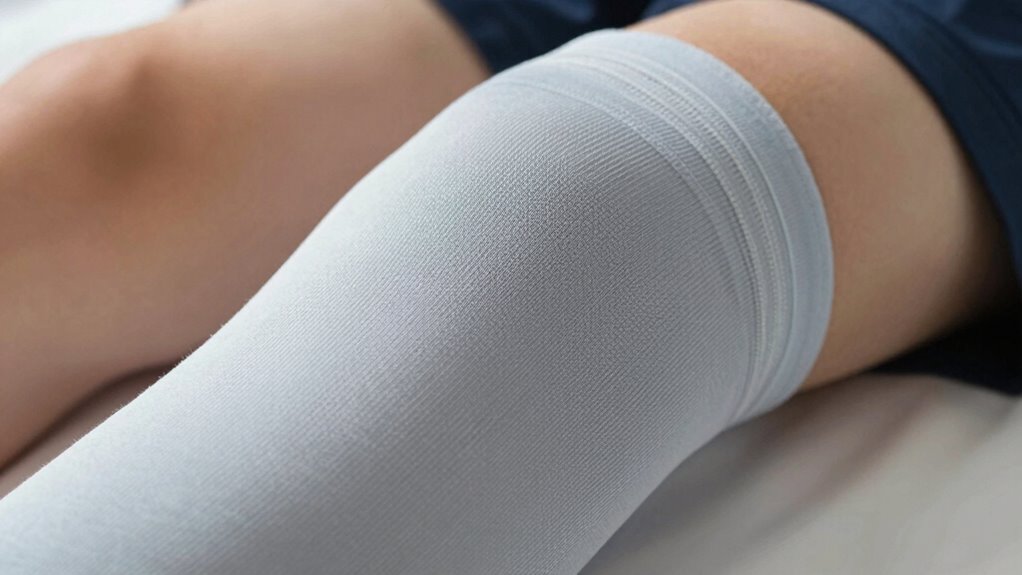
Medical-grade compression stands apart from regular compression wear because it’s designed with specific medical standards in mind. When you’re choosing compression therapy, understanding this difference helps you appreciate why these garments are more effective and reliable. Unlike everyday compression clothing, medical-grade options are tailored to meet precise pressure levels, ensuring consistent support and therapeutic benefits. This precision is essential for conditions like venous insufficiency, lymphedema, or post-surgical recovery, where the right amount of pressure can markedly influence healing.
One key factor that sets medical-grade compression apart is patient comfort. You might assume that higher-grade compression means discomfort, but that’s not the case here. These garments are crafted with your comfort in mind, often featuring advanced design elements like seamless knitting, soft fabrics, and ergonomic fits. You’ll notice that they stay snug without pinching or creating unnecessary pressure points, making them easier to wear for extended periods. This focus on comfort encourages consistent use, which is vital for the therapy’s success. When you’re comfortable, you’re more likely to adhere to your prescribed wearing schedule, ensuring the treatment remains effective over time.
Medical-grade compression prioritizes comfort with seamless design and ergonomic fits for all-day wear and effective therapy.
Material durability is another critical aspect that differentiates medical-grade compression wear. You need garments that can withstand daily use, washing, and long-term wear without losing their supportive properties. Medical-grade fabrics are specifically chosen for their strength and resilience, often incorporating high-quality elastic fibers that retain their shape and compression level wash after wash. This durability means you won’t have to replace your compression wear frequently, saving you money and providing consistent support. You also benefit from fabrics that resist moisture, bacteria, and odors, maintaining hygiene and comfort, especially if you wear compression clothing for many hours each day. Furthermore, material durability is closely linked to the long-term effectiveness of the garments, ensuring they continue to provide optimal compression over time.
In essence, medical-grade compression isn’t just about the pressure it applies; it’s about the whole design philosophy aimed at maximizing therapeutic outcomes and your experience. It’s a carefully engineered solution that combines precise pressure control, patient comfort, and material durability. When you opt for medical-grade options, you’re choosing garments that are backed by medical standards, ensuring you get reliable, effective support that can make a real difference in your recovery or ongoing health management. This isn’t just compression; it’s a thorough approach to your well-being. Recognizing the importance of medical standards helps you make informed choices that contribute to better health outcomes.

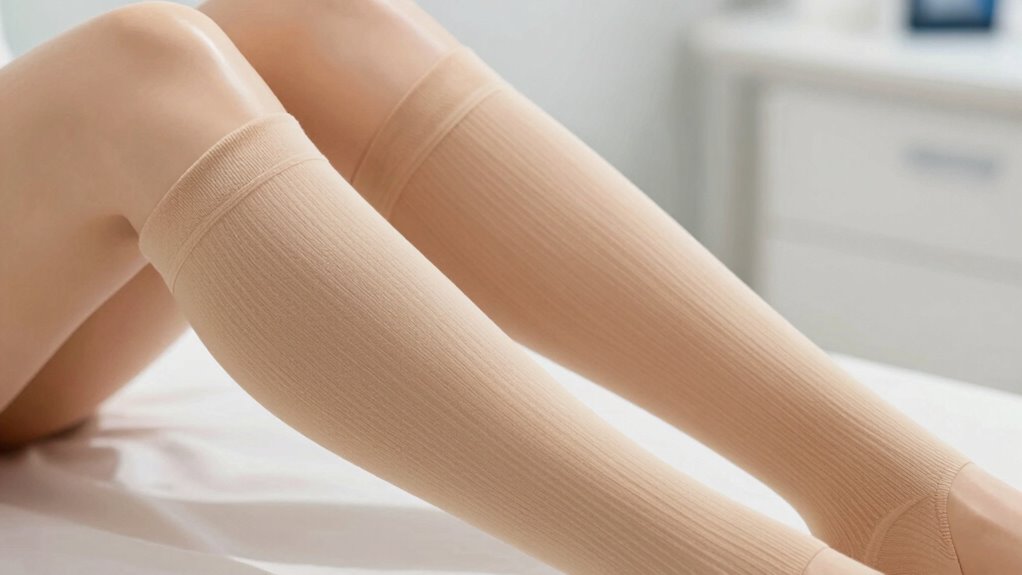
Amazon Basics Medical Compression Stockings, 20-30 mmHg Support, Women & Men Thigh Length Hose, Open Toe, Beige, Medium (Previously Amazon Basic Care)
GRADUATED COMPRESSION: 20-30 mmHg unisex opaque fabric that conceals while it heals
As an affiliate, we earn on qualifying purchases.
As an affiliate, we earn on qualifying purchases.
Frequently Asked Questions
How Long Should I Wear Medical-Grade Compression Daily?
You should wear medical-grade compression daily as recommended by your healthcare provider, typically for 8 to 12 hours. During compression therapy, you may experience skin irritation if the fit isn’t right or if worn too long. Always listen to your body, and if skin irritation occurs, remove the compression garments and consult your doctor. Proper usage guarantees effective treatment and minimizes discomfort or skin issues.
Can I Wear Compression Stockings for Varicose Veins?
Yes, you can wear compression stockings for varicose veins. Compression therapy improves vein health by supporting blood flow and reducing swelling. Medical-grade compression stockings are specially designed to provide the right pressure, which helps prevent worsening of varicose veins and alleviates discomfort. Make certain to consult your healthcare provider to determine the appropriate compression level and guarantee proper fit for effective vein health management.
Are Medical-Grade Compression Products Suitable for Sports Use?
Medical-grade compression products aren’t typically designed for sports use, but some athletes wear them for added support. They can help improve athletic performance and injury prevention by enhancing circulation and reducing muscle fatigue. However, these products usually have higher compression levels, which might be uncomfortable during intense activity. It’s best to consult a healthcare professional to determine if medical-grade compression is suitable for your specific athletic needs and goals.
What Materials Are Typically Used in Medical-Grade Compression?
You might think all compression fabrics are similar, but medical-grade compression uses specialized materials known for their durability and consistent compression. Typically, nylon, spandex, and elastane are combined to create a fabric that offers strong, reliable compression while remaining comfortable. These materials undergo rigorous testing to guarantee durability and performance, making them suitable for medical purposes where precision and reliability are critical.
How Often Should I Replace My Medical Compression Garments?
You should replace your medical compression garments every 3 to 6 months, depending on wear and tear. Regular updates help keep up with fashion trends and guarantee effectiveness. Don’t fall for compression myths that suggest longer use is better; worn-out garments lose elasticity, reducing support. Check for loose fibers or thinning fabric, and replace promptly to maintain ideal compression and comfort.

NURCOM Copper Compression Socks Open Toe Knee High Stockings, 20-30 mmHg Graduated Zipper Compression Socks for Varicose Veins, Venous Insufficiency, Lymphedema, Swelling, Unisex, Beige X-Large
Copper Infused Compression Socks: NURCOM zipper compression socks offer true 20-30 mmHg grade compression support to provide entire…
As an affiliate, we earn on qualifying purchases.
As an affiliate, we earn on qualifying purchases.
Conclusion
You might think all compression socks are the same, but medical-grade compression is truly a different category. It’s designed specifically for medical needs, offering consistent, targeted pressure that OTC options can’t match. While it may seem like a hassle or extra cost, investing in medical-grade compression can greatly improve your health and comfort. Don’t settle for less—your body deserves the best care possible, especially when it comes to your circulation and recovery.
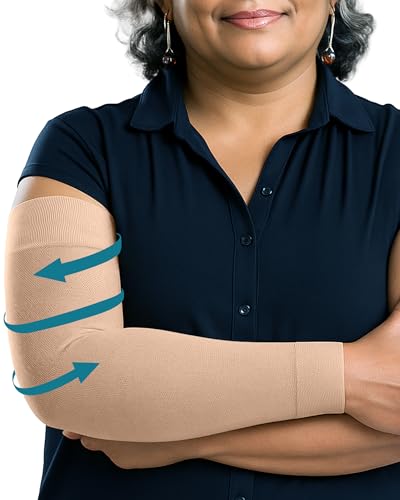
KEMFORD Compression Lymphedema Arm Sleeves for Women – 15-20 mmHg, Silicone Grip, 1 Pair, Beige, XL – Medical Full Arm Support for Swelling, Circulation & Edema
𝗗𝗼𝘂𝗯𝗹𝗲-𝗖𝗵𝗲𝗰𝗸 𝗕𝗲𝗳𝗼𝗿𝗲 𝗢𝗿𝗱𝗲𝗿𝗶𝗻𝗴: Compression sleeves are designed for a snug, medical-grade fit, so if you are between sizes…
As an affiliate, we earn on qualifying purchases.
As an affiliate, we earn on qualifying purchases.

Marena Recovery Mid-Calf-Length Post Surgical Compression Girdle with High-Back
POST-SURGICAL GIRDLES FOR WOMEN: This calf-length girdle is expertly designed for added stability of the abdomen, back, and…
As an affiliate, we earn on qualifying purchases.
As an affiliate, we earn on qualifying purchases.