TL;DR
A stylish men’s leather wallet balances appearance, craftsmanship, and function. Full-grain leather ages beautifully and offers durability, making it a smart investment for everyday use.
Imagine slipping your hand into your pocket and feeling that perfect balance of smooth leather and precise craftsmanship. A stylish men’s leather wallet isn’t just a container for cash and cards — it’s a subtle expression of your personality and taste.
In this guide, you’ll learn what makes a wallet truly stylish, the key features to look for, and how to pick one that ages gracefully while fitting your lifestyle. Whether you prefer classic black or want a pop of color, getting it right can elevate your entire look.
What really makes a men’s leather wallet stylish?
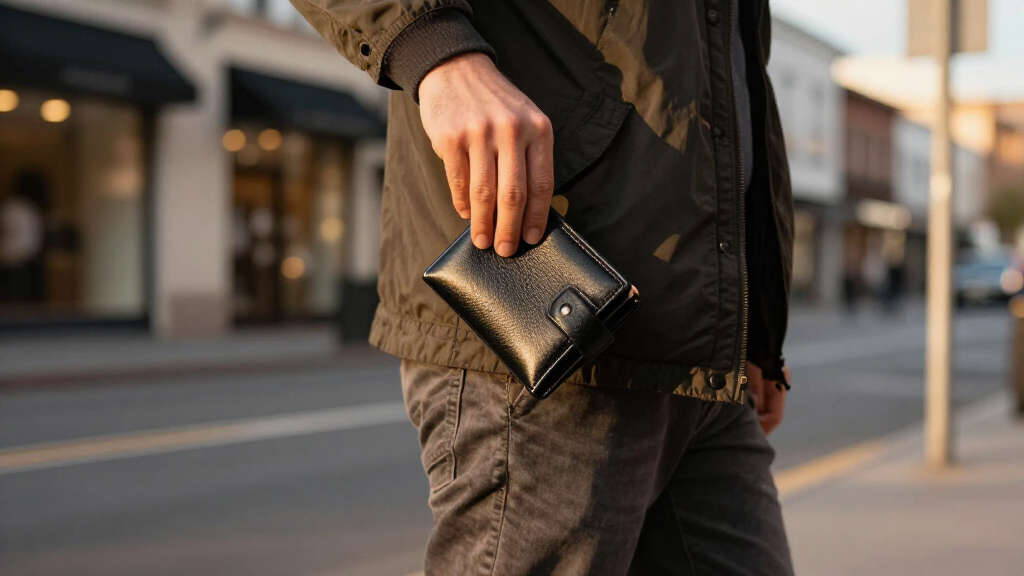
A stylish men’s leather wallet is all about balance. It combines simple, clean design with quality craftsmanship and thoughtful details. For example, a sleek black bifold with neatly finished edges and subtle stitching screams sophistication.
Look for a slim profile that slips into your pocket without creating a bulge. The leather should develop a warm, attractive patina over time, adding character as it ages. Colors like deep cognac, rich navy, or textured finishes can give your wallet personality without shouting for attention.
Finally, subtle branding beats loud logos. The goal? A wallet that complements your wardrobe, not overpowers it.
Understanding why these elements matter is crucial. A balanced design ensures the wallet enhances your style without overwhelming it, while quality craftsmanship guarantees longevity. Subtle details like stitching and finishing reflect the care invested, which directly impacts how well the wallet ages and how it feels in your hand. A wallet that’s too flashy or poorly made not only detracts from your look but may also require replacement sooner, costing you more in the long run.
The top 4 styles of men’s leather wallets — which suits you?
| Wallet Style | Best For | Pros | Cons |
|---|---|---|---|
| Bifold | Everyday use, versatile | Classic, holds many cards, fits in pockets | Can get bulky if overloaded |
| Cardholder | Minimalists, quick trips | Very slim, quick access | Limited storage, not ideal for cash |
| Slim Wallet | Carrying essentials, front-pocket style | Lightweight, discreet | Limited space, needs careful packing |
| Long Wallet | Keeping bills flat, formal occasions | Elegant, spacious for cash | Bulkier, less suited for pockets |
Choosing the right style depends on your daily habits and what you prioritize—whether it’s capacity, convenience, or aesthetics. For example, a bifold offers versatility and ample storage, making it suitable for those who carry multiple cards and cash daily. However, its bulk can be a tradeoff if you prefer a minimalist look or need to fit comfortably in tight pockets. Conversely, a cardholder emphasizes simplicity and speed, ideal for quick errands but limited in capacity. Recognizing these tradeoffs helps you select a wallet that aligns with your lifestyle, ensuring it remains functional and stylish over time. The choice ultimately influences daily convenience and how your wallet complements your overall look, emphasizing the importance of matching your wallet style with your habits and fashion sense.
How to pick leather quality that ages like fine wine
Leather quality can make or break your wallet’s longevity and look. Full-grain leather is the gold standard—it’s the outermost layer of the hide, retaining natural markings and developing a gorgeous patina over years of handling.
Top-grain leather is slightly processed for a more uniform finish but still offers durability. Avoid bonded leather; it’s made from scraps bonded together and wears out quickly.
For example, a full-grain wallet might start out dark and smooth, but after a year of daily use, it gains a rich, textured glow that tells a story. The natural markings and variations become part of its character, making it unique and personal. This aging process is not just aesthetic; it indicates the leather’s inherent strength and ability to withstand daily wear. Choosing full-grain leather means embracing the tradeoff of a higher initial cost for a product that truly improves with age, ultimately offering better value and a deeper connection to your wallet. The implications are clear: investing in quality leather ensures your wallet remains functional and beautiful for years, making it a wise, long-term choice.
Remember: thickness, cut, and finishing matter. A well-constructed wallet with quality leather will serve you for years.
Key construction details that make or break your wallet’s durability
Ever noticed a wallet with uneven stitching or loose edges? That’s a sign of poor construction. Look for tight, even stitching—preferably hand-stitched around stress points like card slots and folds.
Edges should be carefully painted or burnished for a smooth finish that resists wear. Reinforced stress points increase lifespan, especially where the wallet bends or holds cards.
For example, a high-quality bifold might have double-stitched seams and edges that feel slick to the touch. These details ensure your wallet withstands daily hustle without falling apart. The implications are significant: well-constructed wallets not only last longer but also maintain their aesthetic appeal over time. Weak seams or poorly finished edges can lead to fraying, tearing, or losing cards, which compromises both functionality and style. Investing in quality craftsmanship means fewer replacements, saving money and reducing waste, and ultimately preserving your personal style for years to come.
Remember: durable construction is more about quality craftsmanship than price alone.
Latest trends in men’s leather wallets — what’s hot right now?
The wallet world is buzzing with minimalism and innovation. Slim cardholders are more popular than ever, perfect for carrying just a few essentials. Think of a sleek gray or navy leather that fits comfortably in your front pocket.
RFID-blocking wallets are gaining traction, offering peace of mind against contactless theft. Meanwhile, vegetable-tanned leather remains a favorite for its natural look and ability to develop a beautiful patina.
Many brands now offer personalized options—monograms, contrasting stitching, or custom colors—making your wallet a unique piece. Modular designs with detachable clips or removable card sleeves are also rising in popularity, blending form with function.
While vegan and recycled materials are emerging, their durability and eco-impact vary. Always check the details before investing.
Understanding current trends helps you stay stylish and informed. Trends reflect broader shifts in consumer preferences—such as minimalism, eco-consciousness, and personalization—that influence what’s available. For example, the rise of RFID-blocking wallets addresses modern security concerns, but it also introduces tradeoffs like added thickness or cost. Recognizing these trends enables you to make more informed choices aligned with your values and style, ensuring your wallet remains both fashionable and functional in a rapidly evolving market.
Are RFID blocking wallets worth it? The real story
RFID-blocking wallets are designed to prevent unauthorized scans of your contactless cards. They use a metallic lining to block radio signals, which can be handy but isn’t foolproof.
For example, if someone tries to scan your card at close range, a good RFID wallet can stop that. However, it won’t protect against online hacking or physical theft of your card.
Most everyday consumers find that a slim, well-made wallet with sturdy construction offers enough security. RFID protection should be an added feature, not the sole reason for choosing a wallet.
In the end, consider your lifestyle. If you travel frequently or carry many contactless cards, it might be a smart investment. For casual use, focus on quality and fit. The implication here is that RFID blocking is a useful layer of security but not a comprehensive safeguard. Overestimating its effectiveness may lead to neglecting other essential security practices. Therefore, understanding its real capabilities helps you make smarter purchasing decisions, balancing convenience, security, and cost.
How to choose the perfect leather wallet for your daily life
Picking the right wallet starts with your habits. Count your cards—how many do you use regularly? Do you prefer cash or digital payments? Do you carry coins or receipts?
Measure your pocket size—front or back—and choose a wallet that fits comfortably without overstuffing. For example, a minimalist cardholder can slip into your jeans front pocket, while a long wallet might be better for a jacket or bag.
Think about your environment too. If you’re in a humid climate, go for leather with a bit more water resistance or a coated finish.
Ultimately, the best wallet is one that complements your lifestyle and feels good in your hand. Load it lightly and choose quality over quantity for longevity. The implication of this approach is that selecting a wallet that fits seamlessly into your daily routine reduces stress and increases satisfaction. Properly assessing your habits ensures you don’t buy a wallet that’s too bulky or too minimal, which can lead to inconvenience or frustration. This thoughtful process results in a more functional and durable accessory that enhances your personal style and daily comfort.
How leather ages and how to keep it looking great
Leather ages beautifully when cared for properly. Aniline and lightly finished leathers develop a rich, uneven patina, telling the story of every scratch, rub, and oil mark.
For example, a dark brown wallet might start shiny and uniform and end up with a textured, warm glow after a year of daily use. This natural aging process enhances the wallet’s character, making it more unique and personal. Proper care—keeping dirt off, conditioning lightly, and avoiding extreme heat or moisture—preserves this transformation and prevents premature deterioration. Over time, neglecting these details can lead to cracking or staining, which diminishes both appearance and durability. Therefore, understanding how leather ages and actively maintaining it ensures your wallet remains attractive and functional for years, making it a worthwhile investment that matures gracefully alongside you.
Sustainable and ethical choices in men’s wallets
Durability is key to sustainability. A well-made leather wallet that lasts for years reduces waste and replaces disposable alternatives. Look for brands that source leather responsibly and use eco-friendly tanning methods.
Vegetable tanning, while slower, is often less damaging than chrome tanning, which involves chemicals. Certifications and transparency are good indicators of ethical practices.
Some brands now offer repair programs or modular designs for easy upgrades, extending a wallet’s life. Repaired or reconditioned wallets are better for the planet than constantly buying new. Choosing a durable and repairable wallet reduces the environmental footprint by extending its usable life and minimizing waste, which is a key aspect of sustainable fashion. The implications are significant: making ethical choices not only aligns with personal values but also contributes positively to environmental conservation. Investing in a responsible wallet supports a circular economy, where products are designed to last and be repaired, rather than discarded prematurely. This approach encourages brands to prioritize sustainability and transparency, ultimately fostering a more conscious consumer culture.
Price vs. value: making your wallet investment count
Price often reflects leather quality, craftsmanship, and brand reputation. But a high price doesn’t automatically mean a wallet will last longer. Focus on the details—stitching, edges, sourcing.
For example, a $150 wallet made with full-grain leather and reinforced stitching can outperform a cheaper imitator in durability and style. Investing in quality materials and construction generally yields better long-term value because it reduces the need for frequent replacements. Comparing features like repair policies, warranty, and manufacturing origin helps you determine true value. A well-made wallet will serve you reliably over many years, ultimately saving money and reducing waste. The key implication is that mindful investment in quality pays off over time, both financially and in terms of personal style. Prioritizing durability and craftsmanship over superficial brand prestige ensures you get a product that remains functional and attractive, making your purchase a smart, lasting investment.
Your most common questions about stylish men’s leather wallets
What is the best leather for a men’s wallet? Full-grain leather offers the best durability and develops a beautiful patina over time. It’s the top choice for a wallet that ages well.
Are expensive wallets worth it? If they feature quality leather, solid construction, and thoughtful design, they usually are. But don’t overlook craftsmanship and materials over brand name.
How many cards should a slim wallet hold? Only your most-used cards. Overstuffing stretches the leather and defeats the purpose of slim design.
Can I carry a leather wallet in the front pocket? Yes, especially smaller or slimmer styles. It reduces bulk and adds security, but ensure it fits comfortably.
How do I care for my leather wallet? Keep it clean, dry, and conditioned. Avoid overfilling, and store it in a ventilated place when not in use.
Choosing a men’s leather wallet that lasts and ages beautifully involves selecting quality materials, paying attention to construction details, and maintaining it properly. Prioritize full-grain leather for its durability and character, and look for wallets with reinforced stitching and carefully finished edges. Regular cleaning and conditioning help preserve its appearance and flexibility, ensuring it remains a reliable and stylish accessory for years to come.
Conclusion
A truly stylish men’s leather wallet isn’t just about looks — it’s about craftsmanship, quality, and how it ages. Invest in a piece that feels right in your hand, ages beautifully, and complements your personal style. Over time, it becomes more than just a wallet; it’s a small, everyday masterpiece that tells your story.
So next time you shop, choose wisely. The right wallet isn’t just an accessory — it’s a statement of your taste and values. Keep it simple, keep it quality, and let it age with pride.