Focusing on cost per wear helps you see beyond the sticker price and realize the true value of hosiery. Cheaper options might save money upfront but often wear out quickly, leading you to buy replacements often. Investing in higher-quality, durable hosiery means you get more wears per pair, saving you money in the long run. By choosing wisely, you’re also supporting sustainable fashion. Keep exploring to better understand how to make smarter, eco-friendly choices for your wardrobe.
Key Takeaways
- Cost per wear emphasizes long-term value over initial price, highlighting the true affordability of hosiery.
- Higher-quality hosiery with better durability reduces the frequency of replacements, lowering overall costs.
- Focusing on wearability encourages choosing sustainable, eco-friendly options that last longer.
- Considering cost per wear promotes mindful shopping, avoiding impulsive purchases of cheap, short-lived hosiery.
- Investing in durable hosiery aligns with sustainable fashion goals by minimizing waste and environmental impact.
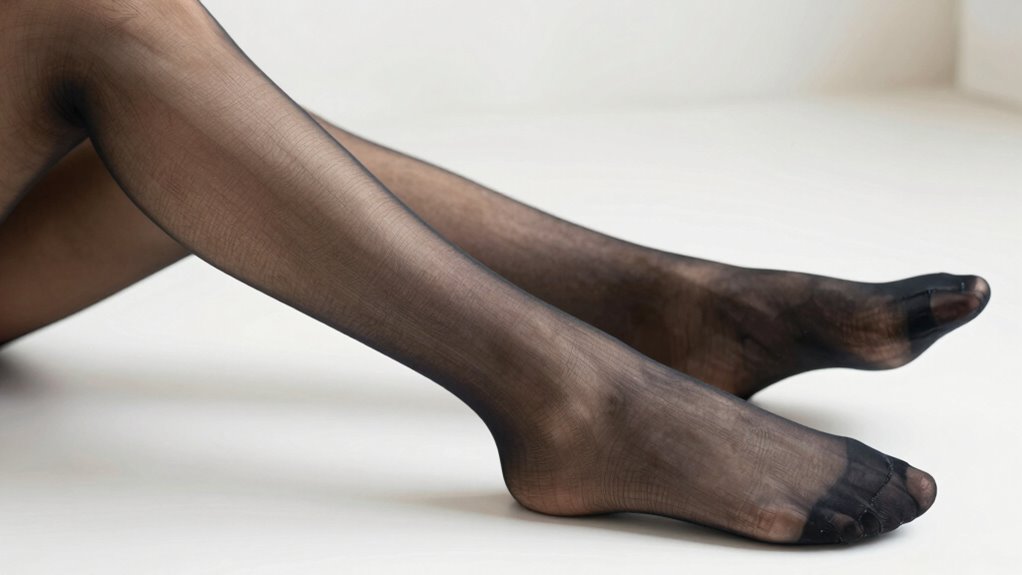
When you invest in hosiery, understanding the concept of cost per wear can help you make smarter purchasing decisions. Instead of focusing solely on the sticker price, think about how often you’ll actually wear the item and how long it will last. This perspective not only saves you money in the long run but also aligns with fashion sustainability efforts. High-quality hosiery isn’t just about looking good; it’s about choosing pieces that endure daily wear and tear, reducing the need for frequent replacements. This focus on hosiery durability ensures your wardrobe remains both stylish and environmentally friendly.
Many people overlook the importance of assessing durability when buying hosiery. Cheaper options often seem tempting, but they tend to wear out quickly—snags, runs, and thinning fabric become inevitable. This means you’re constantly replacing your hosiery, which adds up financially and contributes to unnecessary waste. On the other hand, investing in well-made hosiery might seem costly upfront, but its durability means you get more wears out of each pair. Over time, that lower cost per wear makes sophisticated, long-lasting hosiery a smarter choice both economically and environmentally. Recognizing the importance of quality can help guide your purchasing decisions toward more sustainable options.
Fashion sustainability plays a significant role in this decision-making process. When you prioritize hosiery that lasts, you’re reducing your environmental footprint. Fast fashion hosiery contributes to waste and pollution, while choosing durable options supports brands committed to sustainable practices. These brands often use eco-friendly materials and ethical manufacturing processes, making your purchase more aligned with responsible consumer habits. By considering cost per wear, you’re actively participating in a movement toward more mindful consumption—investing in pieces that serve you well over time, rather than short-lived trends. Additionally, selecting high-quality hosiery encourages a shift towards sustainable fashion practices, which benefits the planet in the long run.
To truly understand why cost per wear matters more than sticker price, you need to evaluate the quality of the hosiery. Look for features that indicate durability, such as reinforced toes, resilient fabrics, and proper knitting techniques. These details add to the longevity of your hosiery, allowing you to wear each pair multiple times without worry. Additionally, understanding fabric composition can help you determine how well the hosiery will hold up over time. Remember, the goal isn’t just to buy cheaper hosiery but to choose items that will stand the test of time and frequent use. This approach ensures you get the most value from your wardrobe, making every dollar count while supporting a more sustainable fashion industry.
In the end, focusing on cost per wear shifts your mindset from impulsive shopping to mindful investing. It encourages you to select hosiery that balances quality, durability, and sustainability, ultimately leading to smarter, more eco-conscious fashion choices. Recognizing the importance of durability in hosiery can help you make more environmentally responsible and economically sound decisions in your wardrobe.
Frequently Asked Questions
How Do You Accurately Measure Cost per Wear for Hosiery?
To accurately measure cost per wear for hosiery, track how many times you wear each pair. Consider fabric composition, as durable materials last longer, reducing cost per wear. Also, account for storage conditions—proper care prevents damage, extending lifespan. Divide the total price by the number of wears to get the cost per wear. This approach helps you see true value beyond the sticker price, making smarter purchasing choices.
Does Brand Reputation Affect the Cost per Wear Calculation?
Think of brand reputation as a magnet that pulls your perception of value. It definitely influences your cost per wear calculation because strong brand perception can lead to higher expectations and prices. Marketing influence also plays a role, shaping how long you wear hosiery before replacing it. Ultimately, if you trust the brand, you might wear the hosiery longer, lowering the cost per wear, but it’s crucial to evaluate quality beyond reputation.
How Does Laundering Impact Hosiery Durability and Wear Time?
Laundering considerably impacts hosiery durability and wear time. Frequent washing can weaken fabric composition, causing fibers to break down faster, especially if you use harsh detergents or high temperatures. To extend wear, wash hosiery gently in cold water and avoid over-laundering. Proper care preserves the fabric’s strength and elasticity, ultimately lowering the cost per wear and helping you get the most out of your hosiery investments.
Can Designer Hosiery Have a Lower Cost per Wear?
Yes, designer hosiery can have a lower cost per wear if you choose pieces made from luxury fabrics that last longer and withstand frequent laundering. By staying on top of fashion trends, you can invest in timeless styles that remain stylish over time, spreading out the initial cost. This approach guarantees you get more value, making designer hosiery a smart, cost-effective addition to your wardrobe.
What Factors Influence the Lifespan of Hosiery?
Think of your hosiery as a delicate dance partner; its lifespan depends on the fabric quality and thread strength. High-quality fabric resists snags and tears, while strong threads prevent unraveling. If you treat them gently—avoiding rough surfaces and excessive stretching—you extend their performance. Your care and choice of durable materials are the keys to making your hosiery last longer, turning a simple purchase into a lasting investment.
Conclusion
When you consider that a single pair of high-quality tights can last up to six months with regular wear, the cost per use drops markedly compared to cheaper alternatives. Instead of obsessing over the sticker price, focus on how often you’ll actually wear your hosiery. Investing in durable, quality pieces means you’ll save money in the long run—making each wear more worthwhile. Remember, it’s not just about how much you pay upfront, but how often you enjoy that purchase.