Elastane supply chains face risks from global disruptions like political instability, trade conflicts, environmental regulations, and unexpected events such as COVID-19. These issues can cause delays, shortages, and higher costs, impacting product availability and prices. To adapt, industry trends focus on sustainability, local manufacturing, technology use, and supply chain resilience. Staying informed about these shifts helps you understand the future of elastane supply, which continues to evolve to meet challenges and consumer demands.
Key Takeaways
- Global supply chains for elastane face risks from political instability, trade disputes, and environmental regulations causing delays and shortages.
- Disruptions like factory shutdowns and transportation issues, highlighted by COVID-19, impact elastane availability and increase costs.
- Industry trends focus on sustainable practices, local production, and technological innovations to enhance resilience and transparency.
- Manufacturers are adopting eco-friendly methods such as chemical recycling and energy reduction to meet consumer demand for sustainability.
- Future strategies include localized supply chains, advanced forecasting, and continuous innovation to mitigate risks and ensure steady supply.
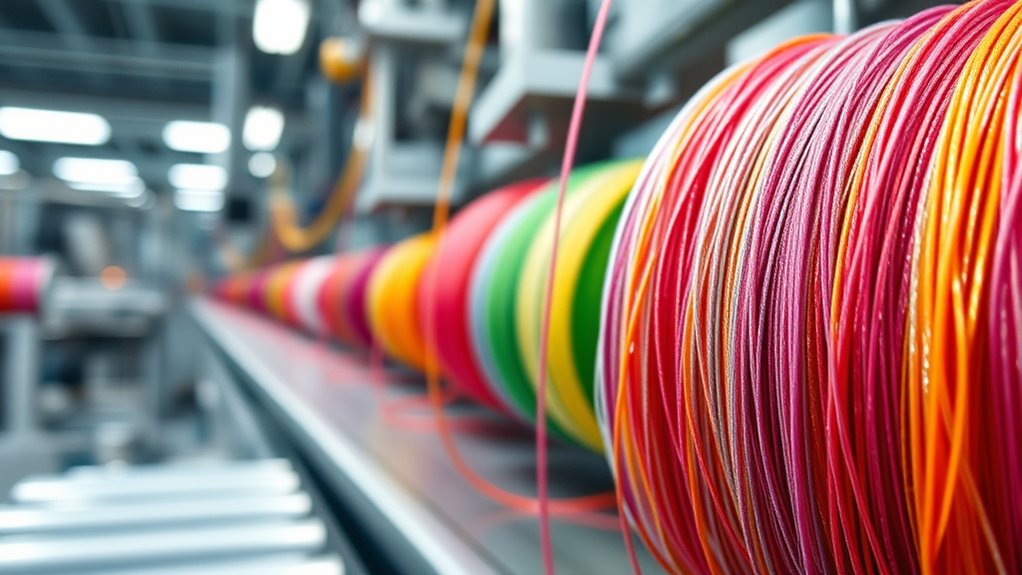
Have you ever wondered how elastane, the stretchy fiber behind your favorite activewear and shapewear, makes its way from raw materials to finished garments? The journey begins with the extraction of chemicals like polyurethane and related polymers, which are then processed into fibers through complex manufacturing steps. These fibers are often produced in specialized facilities located in different parts of the world, making the supply chain intricate and globally interconnected. As a consumer, you might not realize that the availability of elastane depends heavily on the stability of these manufacturing hubs, the transportation networks, and the supply of raw chemicals. Any disruption in one part of this chain can delay production, cause shortages, or increase costs, ultimately impacting the availability and pricing of your favorite clothing items.
The supply chain’s complexity introduces several risks. Political instability, trade disputes, or tariffs can hamper the import and export of key raw materials or finished fibers. For instance, if a major producing country faces economic or political upheaval, it could cut off supplies, forcing brands to scramble for alternatives or face delays. Environmental regulations and stricter emission controls also pose challenges, as they can lead to factory shutdowns or increased production costs. Additionally, the COVID-19 pandemic highlighted vulnerabilities in global supply chains, revealing how factory closures and transportation disruptions can ripple through the system, leading to shortages and increased lead times. Moreover, the adoption of new manufacturing technologies and processes can influence the efficiency and resilience of these supply chains. These risks aren’t just theoretical—they directly influence your ability to find the latest styles or the most innovative fabrics on store shelves.
On the trend side, the elastane supply chain is evolving with advances in sustainable practices and technological innovations. More manufacturers are adopting eco-friendly processes, such as recycling chemicals or reducing energy consumption during production, to align with growing consumer demand for sustainability. Some companies are investing in local production facilities to reduce dependency on distant suppliers and mitigate risks associated with global disruptions. Moreover, technological developments like automation and better supply chain management software are helping brands forecast demand more accurately, optimize inventory, and respond swiftly to emerging risks. These trends aim to make elastane supply chains more resilient, transparent, and environmentally responsible.

Jockey Women's Activewear Premium Utility 7/8 Legging
Material: Double Sided Brushed Polyester/Spandex interlock construction made with durable and stretchy fabrics. Our Poly Spandex blend keeps…
As an affiliate, we earn on qualifying purchases.
As an affiliate, we earn on qualifying purchases.
Frequently Asked Questions
How Does Elastane’s Environmental Impact Influence Supply Chain Sustainability?
Your supply chain’s sustainability is impacted by elastane’s environmental footprint, as its production involves significant chemical use and energy consumption. This can lead to increased waste and pollution, challenging your efforts to maintain eco-friendly practices. To mitigate this, you should seek suppliers committed to sustainable methods, incorporate recycled elastane, and optimize production processes to reduce environmental harm, ensuring your supply chain aligns with ecological and consumer expectations.
What Are Emerging Innovations in Elastane Manufacturing Technology?
Imagine opening a new world of stretchy fabrics—emerging innovations in elastane manufacturing include bio-based fibers derived from renewable resources, reducing reliance on petrochemicals. You’ll also see advances in low-temperature spinning processes that cut energy use and innovations in recycling older elastane fibers into new yarns, creating a circular economy. These breakthroughs make elastane production more sustainable, helping you create eco-friendly garments without sacrificing performance or comfort.
How Do Geopolitical Tensions Affect Elastane Raw Material Availability?
Geopolitical tensions can disrupt elastane raw material availability by causing trade restrictions, tariffs, or sanctions that limit importing or exporting. You might face delays in supply chains, increased costs, or shortages, forcing you to seek alternative sources or adjust production schedules. These tensions create uncertainty, making it harder for you to reliably plan and maintain steady elastane supplies, ultimately impacting your product timelines and costs.
What Are the Key Challenges in Elastane Recycling and Reuse?
You face significant challenges in elastane recycling and reuse, balancing technological limitations with environmental concerns. While recycling can reduce waste, the process often struggles to preserve elastane’s stretch and durability, making reuse difficult. You also contend with limited infrastructure and high costs, which hinder widespread adoption. Despite growing demand for sustainable fabrics, the hurdles of effective recycling and reuse require innovative solutions to guarantee elastane’s circularity in fashion.
How Does Consumer Demand for Eco-Friendly Products Impact Elastane Sourcing?
Your consumer demand for eco-friendly products pushes you to source elastane more responsibly. You notice increased interest in sustainable options, which drives you to seek recycled or eco-certified elastane. This shift encourages you to collaborate with suppliers adopting greener practices, reducing environmental impact. Meeting this demand helps you stay competitive and aligns your brand with consumer values, ultimately supporting a more sustainable elastane supply chain.
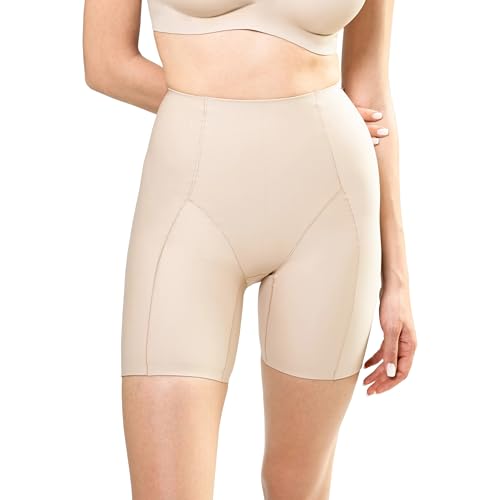
kaeruskin Eco Sustainable Shapewear Shorts – Breathable High Waisted Shapewear Tummy Control – Thigh Slimmer Shorts for Women Nude
𝐄𝐂𝐎 𝐒𝐔𝐒𝐓𝐀𝐈𝐍𝐀𝐁𝐋𝐄 & 𝐄𝐅𝐅𝐈𝐂𝐈𝐄𝐍𝐓 𝐅𝐀𝐁𝐑𝐈𝐂: Kaeruskin tummy control shorts, made from 80% recycled Nylon and 20% Spandex, blend…
As an affiliate, we earn on qualifying purchases.
As an affiliate, we earn on qualifying purchases.
Conclusion
Managing elastane supply chains is like steering a ship through unpredictable waters—you need awareness and agility. When a major supplier faced delays last year, many brands felt the ripple effects, highlighting how fragile even the most flexible supply chains can be. By staying informed on trends and diversifying sources, you’ll be better equipped to weather storms. Remember, the key is to stay adaptable—because in this game, flexibility isn’t just an advantage, it’s your survival.

60" Wide Rayon Spandex Jersey Knit Fabric by The Yard – 4-Way Stretch, 200GSM, Medium Weight -Soft & Breathable – Apparel, Accessories, Maternity & Decorations
A 95% rayon and 5% spandex jersey knit fabric is a blend that combines the softness and breathability…
As an affiliate, we earn on qualifying purchases.
As an affiliate, we earn on qualifying purchases.

54" Wide Poly Rayon Spandex 2×1 Rib Knit Fabric by The Yard – 240 GSM | Soft, Stretchy & Breathable | Ideal for Clothing, Tops, Dresses & Crafts
87% polyester, 9% rayon, 4% spandex blend — durable, soft, and stretchy; polyester adds strength and color retention,…
As an affiliate, we earn on qualifying purchases.
As an affiliate, we earn on qualifying purchases.