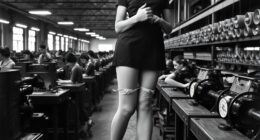

Many argue that leggings aren’t true pants because they’re often made of thin, stretch material and lack the structure of traditional trousers, sparking ongoing cultural debates. Historically, leggings evolved from functional garments for warriors and indigenous peoples to modern fashion statements embraced for comfort and style. Social norms, dress codes, and religious views influence whether society considers leggings appropriate as pants. If you keep exploring, you’ll uncover how a mix of history, culture, and modern trends shape this ongoing argument.
Key Takeaways
- Leggings originated as practical, protective garments and have evolved into a popular fashion staple, sparking ongoing debates about their appropriateness as pants.
- Dress codes in schools often restrict leggings, citing concerns over distraction and modesty, reflecting societal norms around appropriate attire.
- Cultural and religious perspectives emphasize modesty, influencing whether leggings are considered respectful or suitable in sacred or formal settings.
- Historically, women’s trousers faced resistance, but modern trends and athleisure have challenged traditional dress boundaries, fueling the “are leggings pants” debate.
- The debate centers on balancing comfort, personal expression, and societal expectations, with opinions divided on whether leggings should be considered proper pants.
The Historical Roots of Leggings and Their Evolution

Leggings have a long and diverse history that predates their modern form, beginning in 14th-century Scotland where they served as two-piece garments for men, resembling chaps secured at the waist. These early leggings were practical, made from leather or chain mail, and worn for both casual and formal military attire. Native Americans and frontier settlers in North America also adopted leg coverings decorated with beadwork or porcupine quills. Indigenous women on the Great Plains crafted leggings from animal hides like deer and elk, serving practical and social purposes, including maintaining modesty by covering the ankles. Over centuries, the term “leggings” evolved, but their original functions remain rooted in practicality and protection, laying the groundwork for the diverse styles seen today.
How Women Embraced Leggings in Modern Fashion

Women began adopting leggings as their popularity grew beyond traditional military and utilitarian uses, embracing them as a versatile fashion statement. You quickly saw how leggings offered comfort, flexibility, and a sleek silhouette, making them perfect for both casual and stylish looks. During the 1960s and 1970s, fashion icons popularized slim, stretchy pants, transforming leggings into a symbol of youthful rebellion and freedom. In the 1980s, pop stars like Madonna boosted their mainstream appeal, pairing them with edgy and bold outfits. By the 2000s, leggings had become a staple of athleisure, blending comfort with fashion-forward style. Today, you can wear leggings almost anywhere—whether at the gym, running errands, or even out for a night—showing how women have fully embraced them as a key component of modern fashion.
The Controversy Over Leggings in Educational Settings

You might notice that schools often enforce dress codes that ban leggings, citing concerns about distractions and maintaining discipline. These policies can spark debates about whether such restrictions unfairly target certain students based on gender. Additionally, some argue that dress codes should consider changing fashion trends to better reflect contemporary styles and promote inclusivity. Recognizing how dress code enforcement impacts student self-expression could lead to more equitable policies that respect individual choices. Moreover, incorporating cultural attitudes toward clothing can help schools develop more inclusive guidelines that acknowledge diverse backgrounds. Furthermore, understanding relationships and the importance of open dialogue may help foster environments where students feel comfortable advocating for their rights. For example, the influence of electric bikes and their varying features exemplifies how evolving trends can impact perceptions and policies. Ultimately, the controversy raises questions about equality and whether dress codes should adapt to changing fashion trends.
Dress Code Enforcement
The enforcement of dress codes in educational settings has sparked intense debates, especially regarding the banning of leggings. You might notice administrators citing concerns about distraction or maintaining a professional environment. They often argue that leggings are too form-fitting and can draw unwanted attention, disrupting the learning atmosphere. Some schools have implemented strict policies, requiring students to wear longer tops or avoid leggings altogether. Additionally, opponents argue that such policies can disproportionately target female students and limit their personal expression, raising questions about gender equity in dress code enforcement. These policies may also overlook the importance of comfortable clothing for students’ focus and well-being. For example, the use of diverse dress options could allow students to express themselves while still adhering to school standards. However, critics see these bans as unfair and restrictive, arguing they target students’ personal expression. You’re left to wonder if dress codes should prioritize comfort and individuality or uphold traditional standards of modesty. Additionally, the ongoing cultural debates about fashion and appropriateness highlight how societal norms influence school dress policies. As debates continue, you’ll find that enforcement varies widely, reflecting differing cultural, social, and institutional values about what’s appropriate attire in schools.
Distraction Concerns
Distraction concerns often drive the push to ban leggings in schools, with administrators arguing that tight, form-fitting garments can divert students’ attention from learning. They worry that leggings, especially when worn by girls, might encourage inappropriate focus or body scrutiny, disrupting the classroom environment. Some believe that leggings highlight body shapes too much, leading to comparisons or discomfort among students. This concern isn’t just about modesty but about maintaining a focused, distraction-free space for education. Critics of leggings in schools argue that clothing choices should prioritize professionalism and minimize visual distractions. Additionally, the use of self watering plant pots in educational settings can serve as a practical example of sustainable practices and hands-on learning, which might help shift focus from clothing to constructive activities. Furthermore, implementing educational policies that consider the nuances of personal expression could help balance individual rights with classroom discipline. Recognizing the importance of clothing regulations can help establish clear guidelines that respect personal expression while maintaining focus. Moreover, incorporating space-saving storage solutions can help manage classroom clutter and create an environment conducive to learning, potentially reducing distractions caused by disorganized spaces. However, opponents say that banning leggings unfairly targets students and restricts personal expression. Ultimately, the debate hinges on balancing individual freedom with the desire for an undistracted academic setting. Additionally, advancements in natural language processing could help develop policies that consider individual expression while maintaining classroom focus.
Gender and Equality
Leggings in schools have become a battleground for gender and equality debates, often reflecting deeper societal biases. When schools ban leggings, it’s usually about enforcing traditional gender norms that dictate how girls should dress, implying modesty and decorum. These policies disproportionately target female students, highlighting ongoing inequalities in how boys and girls are treated. By restricting leggings, schools reinforce stereotypes that girls’ bodies should be hidden or controlled, limiting personal expression. Additionally, the enforcement of dress codes can serve as a form of social control that perpetuates gender stereotypes, which influence perceptions of appropriate attire. Such dress codes often ignore the importance of individual expression and how clothing choices can empower students. Furthermore, understanding the role of Cultural Intelligence can help educators develop more inclusive and equitable policies that respect diverse perspectives. Conversely, allowing leggings for everyone promotes gender neutrality and challenges outdated ideas about femininity and professionalism. The controversy exposes how dress codes can perpetuate sexism, making it clear that clothing isn’t just about fashion—it’s a statement about gender roles and societal expectations. Recognizing the importance of dress code policies in shaping societal views on gender can lead to more equitable school environments. Understanding cultural norms around dress can help foster more inclusive policies that respect individual expression.
Religious Perspectives on Wearing Leggings in Sacred Spaces

When it comes to sacred spaces, many religious communities emphasize modesty and respect in attire. Wearing leggings, especially if tight or revealing, can be seen as disrespectful or inappropriate in these settings. It’s important to contemplate how clothing choices reflect reverence for traditions and the spiritual significance of the space. Understanding cultural norms related to attire can help individuals make respectful decisions in these environments. Additionally, awareness of dress codes during events or rituals can ensure that participants align with community expectations and demonstrate proper reverence. Recognizing the appropriate attire for specific religious contexts can promote a sense of community and shared respect among attendees.
Modesty Standards in Worship
Religious communities often hold specific modesty standards that influence how adherents dress in sacred spaces. You might notice that many communities prefer clothing that covers more skin, emphasizing humility and respect. Leggings, being tight and revealing, often clash with these expectations. Some believe that form-fitting garments distract from worship and diminish the solemnity of the environment. Others see modest dress as a way to honor tradition and maintain spiritual focus. In many religious settings, women are encouraged to wear looser, more concealing clothing rather than leggings, especially during services or rituals. These standards aim to foster a sense of reverence and avoid drawing undue attention. Ultimately, how you dress in worship reflects your understanding of modesty and respect for the sacred space.
Respecting Sacred Traditions
Respecting sacred traditions often means understanding and honoring the dress codes that preserve the reverence of religious spaces. When entering a place of worship, your attire signals respect and acknowledgment of long-standing customs. Many traditions emphasize modesty, viewing clothing as a reflection of spiritual humility. Wearing leggings in these settings can be seen as inappropriate if they reveal too much or lack the formality expected. To visualize this, consider the following imagery:
| Sacred Space | Typical Attire | Expectations |
|---|---|---|
| Mosque | Loose, modest garments | Covering shoulders and legs |
| Church | Formal dresses or suits | Respectful covering of knees |
| Synagogue | Conservative clothing | Covered shoulders and knees |
| Temple | Traditional or modest wear | Respect for customs |
| Meditation Hall | Simple, unobtrusive attire | Comfort combined with modesty |
Your choice of clothing should honor these traditions, fostering reverence and spiritual connection.
Attire and Reverence
Wearing leggings in sacred spaces often sparks debates about whether the attire aligns with the reverence these environments demand. Many believe that form-fitting, casual leggings can seem disrespectful or lax when entering places of worship, where modesty and tradition hold importance. Religious leaders sometimes discourage their use, emphasizing dressing in a way that honors the sanctity of the space. Critics argue that leggings may distract or diminish the solemn atmosphere, especially during formal rituals. Conversely, others see them as comfortable and practical, advocating for personal expression over strict dress codes. Ultimately, the debate revolves around balancing individual freedom with respect for sacred customs, with many communities emphasizing attire that reflects reverence and mindfulness during spiritual gatherings.
The Rise of Athleisure and Cultural Tensions

Have you noticed how athleisure has transformed everyday fashion into a seamless blend of comfort and style? This trend makes it easy to switch from gym wear to casual outings without changing outfits, blurring traditional boundaries. While many embrace it for practicality, others see it as a sign of cultural tension around appropriateness and social norms. Employers, schools, and religious institutions debate whether wearing leggings or athletic gear outside athletic settings is respectful or lazy. Critics argue that this shift promotes a casual attitude that undermines formality and professionalism. Meanwhile, proponents celebrate the movement toward comfort and self-expression. As athleisure continues to dominate streets and runways, it sparks ongoing conversations about identity, societal expectations, and what constitutes acceptable attire in various contexts.
Women’s Trousers: A Historical Battle for Acceptance

Throughout history, women’s trousers have faced fierce resistance before gaining acceptance as legitimate fashion. For centuries, societal norms confined women to dresses and skirts, with trousers seen as masculine and inappropriate. During the early 20th century, only a few style icons like Marlene Dietrich and Coco Chanel challenged these norms by embracing pants publicly, slowly shifting perceptions. World War II accelerated this change as women took on roles that required practical clothing, including trousers. However, post-war values pushed women back into skirts and dresses. It wasn’t until the 1960s and 1970s, fueled by feminism and workplace reforms, that women’s trousers gained widespread acceptance. Today, pantsuits symbolize gender equality, but the journey from social taboo to mainstream fashion was long and contentious.
Navigating Style, Modesty, and Social Norms Today

Navigating style, modesty, and social norms today involves balancing personal expression with societal expectations. You might want to wear leggings for comfort or fashion, but some communities see it differently. In casual settings, leggings are accepted as everyday wear, yet formal and religious environments often demand more conservative attire. You need to consider where you’re going and what’s appropriate—whether it’s a workplace, school, or religious service. Social norms continue to evolve, but respect for local customs remains key. Recognize that what’s trendy for you may be controversial elsewhere. Striking this balance means understanding the context, respecting others’ perspectives, and making intentional choices about your clothing. Ultimately, navigating these norms requires awareness and sensitivity to the diverse standards that shape modern social interactions.
Frequently Asked Questions
Are Leggings Appropriate for Formal or Professional Settings?
You probably shouldn’t wear leggings to formal or professional settings. They’re considered casual and often too revealing or tight for such environments. Many workplaces have dress codes that emphasize business attire, which typically means slacks, skirts, or dresses. Wearing leggings might give the wrong impression or distract colleagues. If you want to look polished and appropriate, opt for tailored pants or a professional dress instead.
How Do Different Cultures Perceive Women Wearing Leggings?
You’ll find that perceptions of women wearing leggings vary widely across cultures. In many Western countries, leggings are common casual wear, seen as fashionable and comfortable. However, in more conservative societies, women might face scrutiny or disapproval, especially in formal or religious settings. Cultural values around modesty influence these views, making leggings either accepted as everyday attire or considered inappropriate, depending on local customs and traditions.
Can Leggings Be Considered a Form of Self-Expression or Rebellion?
You can see leggings as a form of self-expression or rebellion when you wear them confidently, challenging traditional dress codes or societal expectations. By choosing bold colors, patterns, or pairing them with unconventional styles, you make a statement about your individuality. Wearing leggings outside typical fitness or casual settings signals that you’re asserting personal freedom, pushing back against conservative norms, and embracing comfort and creativity in your fashion choices.
What Are the Environmental Impacts of Producing Modern Leggings?
You might not realize it, but producing modern leggings impacts the environment substantially. Manufacturing involves synthetic fibers like polyester and nylon, which are derived from fossil fuels. These materials require energy-intensive processes and release greenhouse gases. Plus, leggings shed microplastics during washing, polluting waterways. Fast fashion brands often produce leggings quickly and cheaply, increasing waste and environmental strain. To reduce your footprint, consider choosing leggings made from sustainable or recycled fabrics.
How Do Age and Body Type Influence Opinions on Leggings?
You might find that age and body type act like a prism, shaping how people see leggings. Younger folks often wear them confidently, seeing them as comfortable and trendy, while older generations might view them as inappropriate or casual. Body shape influences opinions too; some see leggings as flattering, others as revealing. Ultimately, personal comfort and confidence color your perspective, making leggings a versatile, yet debated, wardrobe staple.
Conclusion
You step into a world where leggings stretch effortlessly from gym to street, blurring lines between fashion and tradition. As you navigate this tapestry of history, culture, and personal choice, remember that each stitch tells a story. Whether you see them as comfort or controversy, you hold the power to shape the conversation. Embrace your style, but stay mindful of the evolving landscape, where every choice adds color to the ongoing cultural mural.