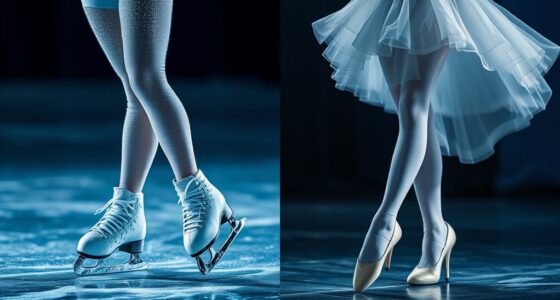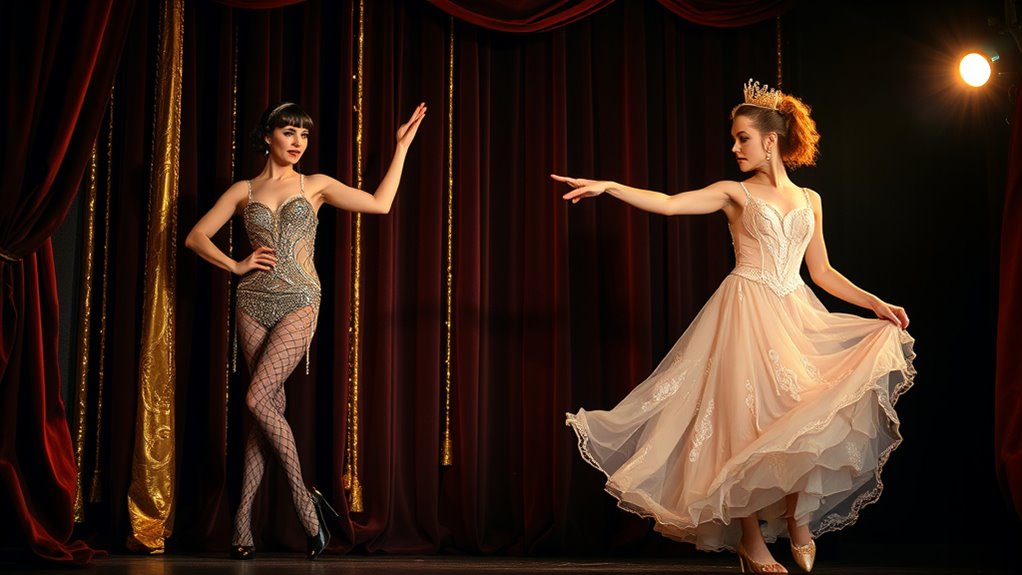

Tights have transformed from practical Renaissance costumes to symbols of glamour, rebellion, and artistic innovation in film and theater. During the flapper era, sheer hosiery became a bold fashion statement, signaling modern femininity. Hollywood stars emphasized their legs with shiny, durable nylons, elevating tights into icons of beauty and sex appeal. Artists and designers later reimagined tights as canvases for bold expression. Explore how these changes shaped cultural icons and stayed relevant through history.
Key Takeaways
- Tights became a fashion statement during the 1920s flapper era, symbolizing modern femininity and youthful independence.
- Hollywood actresses like Betty Grable popularized tights as symbols of glamour and sex appeal during the Golden Age.
- Advances in fabric technology, such as nylon in 1939, enhanced tights’ durability, shine, and camera appeal, elevating their cinematic importance.
- Artistic movements and avant-garde performers reimagined tights as tools for visual expression, emphasizing body contours and surreal effects.
- Contemporary innovations, including LED fibers and digital effects, continue to transform tights into symbolic and artistic elements in film and theater.
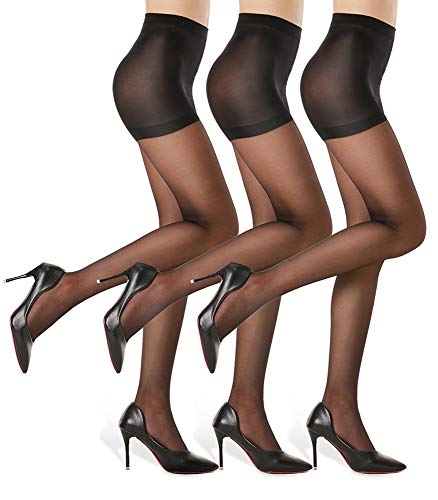
G&Y 3 Pairs Women's Sheer Tights – 20D Control Top Pantyhose with Reinforced Toes(Black, L)
【Ultra Thin Control Top Pantyhose】 The 1.2-inch wide elastic waistband evenly embraces the belly, hips and back for…
As an affiliate, we earn on qualifying purchases.
As an affiliate, we earn on qualifying purchases.
The Origins of Tights in Theater and Renaissance Fashion
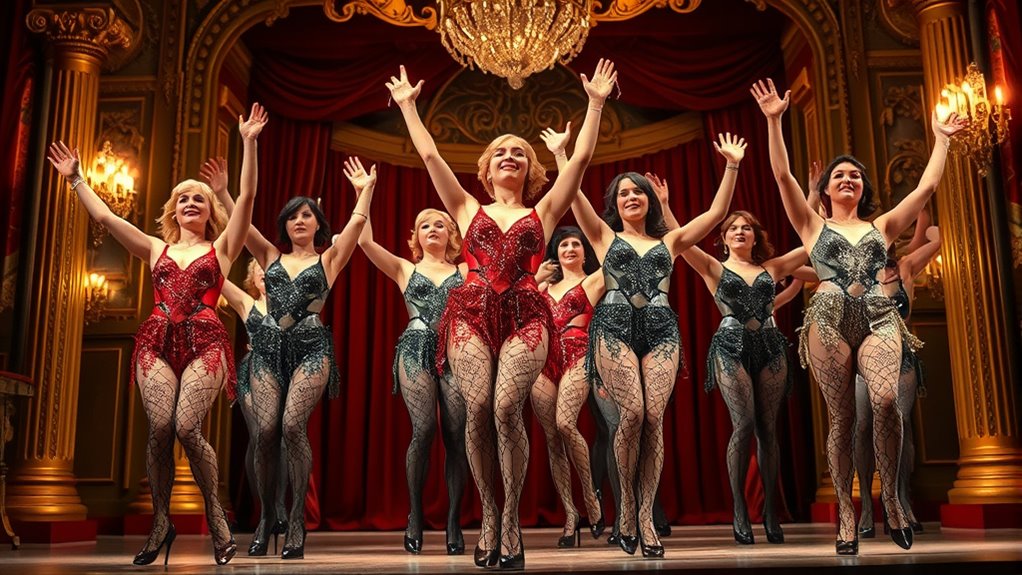
Tights originated during the Renaissance as an evolution of the hose worn by men in everyday fashion. You might notice that these early garments were made from wool, silk, or cotton, designed for practicality and style. During performances, especially in Shakespearean plays, tights became essential to highlight actors’ legs and emphasize movement. They symbolized status, agility, and aesthetic appeal, often worn by male actors portraying heroic or romantic characters. These tights reflected the classical and courtly traditions of the time, serving both functional and decorative purposes. As theatrical performances grew more elaborate, tights helped bring a sense of realism and elegance to stage costumes. Additionally, the development of tights contributed to the broader fashion trends of the period, influencing both theater costume design and everyday attire. Their use marked a significant shift from simple hose to more form-fitting, expressive garments rooted in cultural and artistic expression, influenced by the evolving standards of costume design. Furthermore, advancements in fabric technology during this era allowed for better fit and durability, enhancing their popularity on stage and in fashion. The rise of tights also paralleled shifts in material innovation, making them more accessible and comfortable for performers and the public alike. This innovation in textiles also facilitated the transition toward more varied styles and increased functionality in costume design.
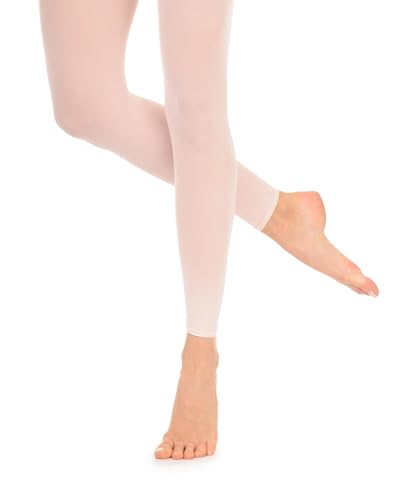
Danskin Women's Footless Tight, Theatrical Pink, C/D
Material: Signature microfiber smooth fitting Nylon/Spandex construction made with durable and stretchy fabrics. Our Nylon Spandex blend keeps…
As an affiliate, we earn on qualifying purchases.
As an affiliate, we earn on qualifying purchases.
The Flapper Era and the Rise of Hosiery as a Style Statement
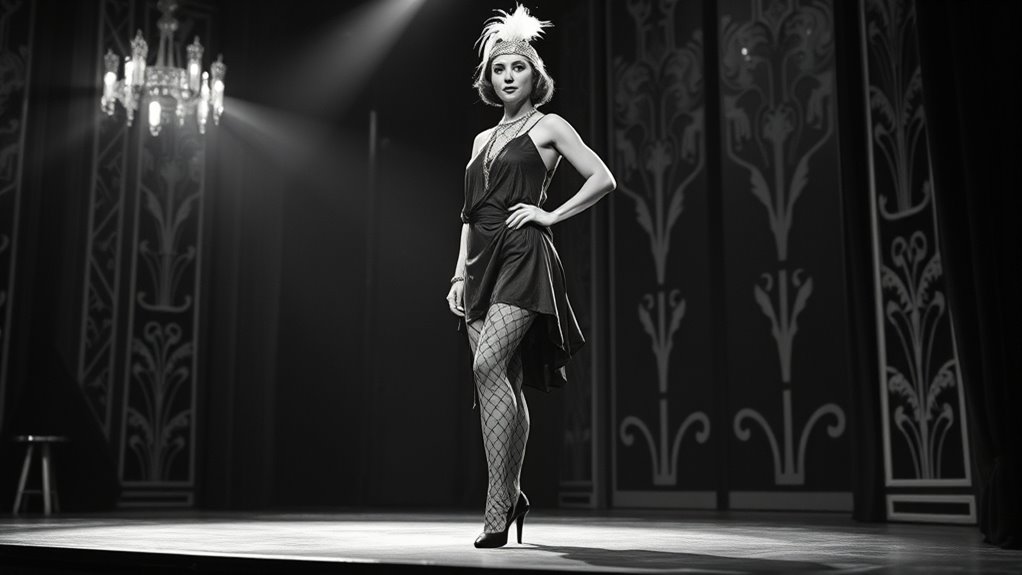
During the 1920s, the flapper movement revolutionized women’s fashion, and hosiery quickly became a key expression of modern femininity. You’ll notice how sheer, decorative tights gained popularity, emphasizing legs as a fashion statement. The era’s film and theater scenes showcased actresses wearing tights to highlight dance routines and convey youthful energy. This shift altered perceptions of women’s legs from modesty to symbols of style and independence. Additionally, the increased availability of animated movies contributed to the popularity of tights by featuring them as fashionable costume elements in musical and dance scenes. The influence of cinematic trends further propelled tights into mainstream fashion, making them a staple of flapper attire.
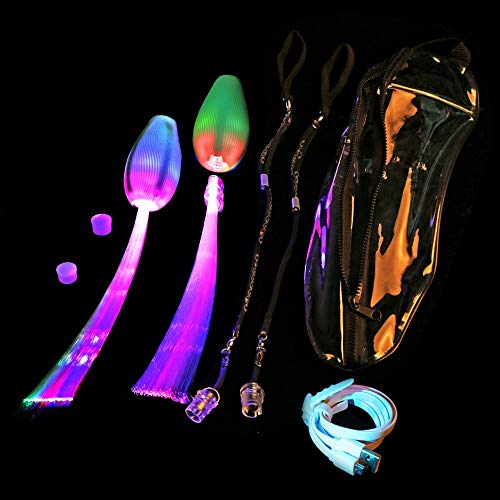
speevers LED Poi Optic Fiber Poi for Professionals – Exciting Light Show and Fast USB Charge – Strobe & Fade Light Programs – LED Prop for Spinners 1 Year Warranty
Recommended By Top Performers – Nick Woolsey: "They seem to be listening to jugglers…". This GENIUS modular poi…
As an affiliate, we earn on qualifying purchases.
As an affiliate, we earn on qualifying purchases.
Hollywood’s Golden Age: Glamour, Technology, and the Iconic Leg
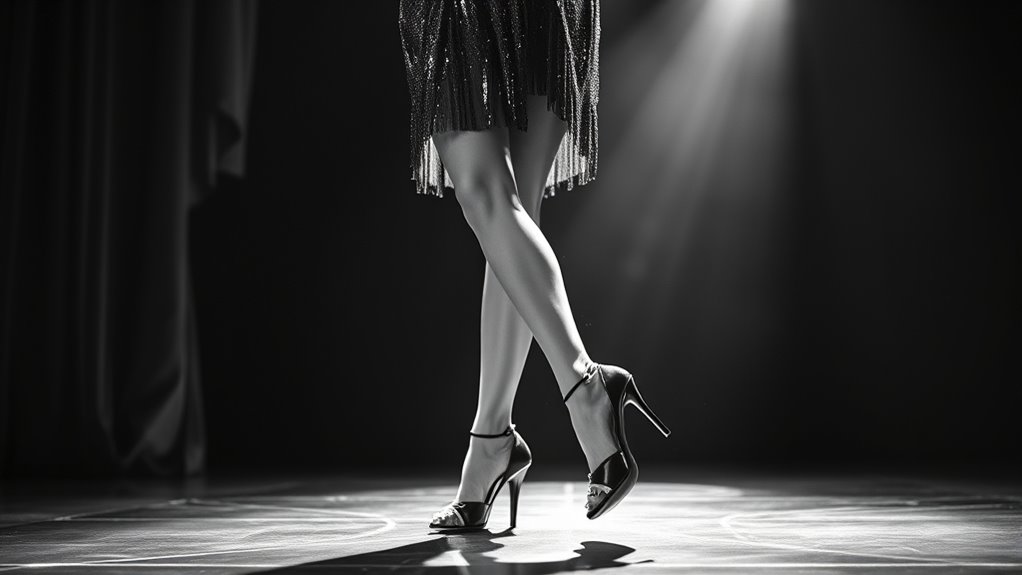
In Hollywood’s Golden Age, the allure of the silver screen transformed tights from simple costume pieces into symbols of glamour and sex appeal. You notice how actresses like Betty Grable and Rita Hayworth emphasized their legs, making tights a key element of their iconic looks. Technological advances, especially the invention of nylon in 1939, made hosiery more durable, affordable, and shiny, enhancing their visual appeal on camera. Closer camera shots during musicals and dance scenes showcased seamless, elegant legs, turning tights into essential tools for creating allure. The combination of glamour, innovative fabric technology, and strategic costume design elevated tights from functional garments to visual symbols of sophistication and sensuality, defining the aesthetic standards of Hollywood’s golden era. Additionally, the use of fabric technology allowed for more vibrant colors and better fit, further emphasizing the beauty and allure of tights on screen. This era also saw the development of hosiery manufacturing techniques that improved the sheen and uniformity of tights, contributing to their iconic status.

CozyWow Classic Backseam Sheer Tights for Women, 20D Retro Pantyhose Vintage Style,Reinforced Back Seam Stockings Hosiery(1 pair Skin Colored,M
Classic Back Seam Sheer Tights: A vintage-inspired back seam adds a touch of sophistication, creating a sleek, leg-lengthening…
As an affiliate, we earn on qualifying purchases.
As an affiliate, we earn on qualifying purchases.
Avant-Garde Movements and the Artistic Reimagining of Tights
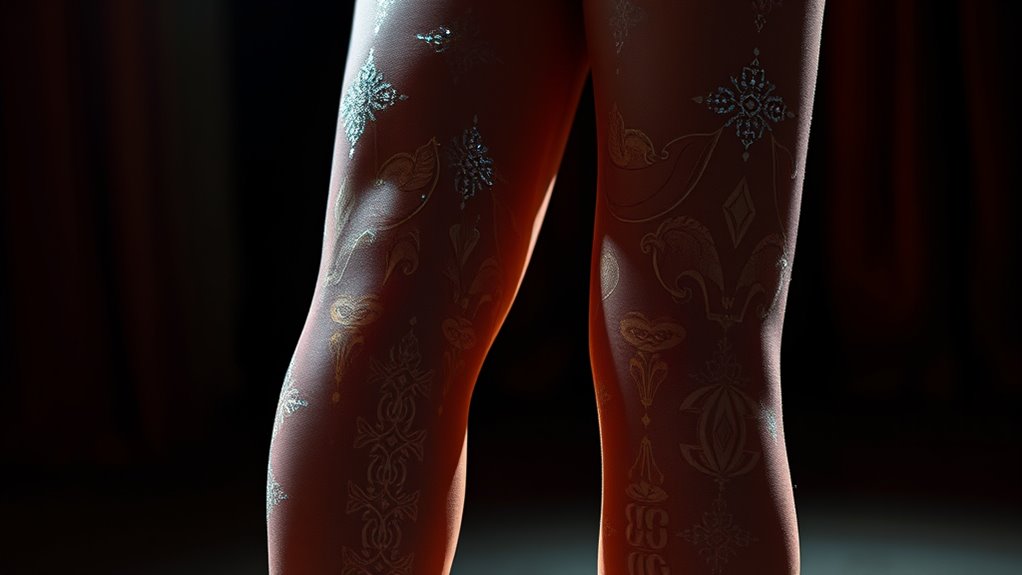
The avant-garde movements of the 20th century revolutionized how artists and performers view and utilize tights, transforming them from mere costume essentials into bold tools for artistic expression. You start seeing tights as canvases for experimentation, pushing aesthetic boundaries. Security vulnerabilities in new technologies can expose businesses to fraud, prompting artists and performers to explore innovative materials and designs that challenge conventional safety standards while emphasizing visual impact. 1. Artists incorporate vivid colors, patterns, and textures, turning tights into visual statements that challenge traditional norms. 2. Performers use unconventional materials like metallic fabrics or transparent plastics, emphasizing body contours and creating surreal effects. 3. Movements like Dada and Futurism embrace tights to symbolize fragmentation, movement, and the future of human form and identity.
This reimagining shifts tights from functional garments to integral elements of visual art, emphasizing physicality, abstraction, and innovation in performance and design.
Modern Innovations: Technology, Symbolism, and Changing Cultural Meanings
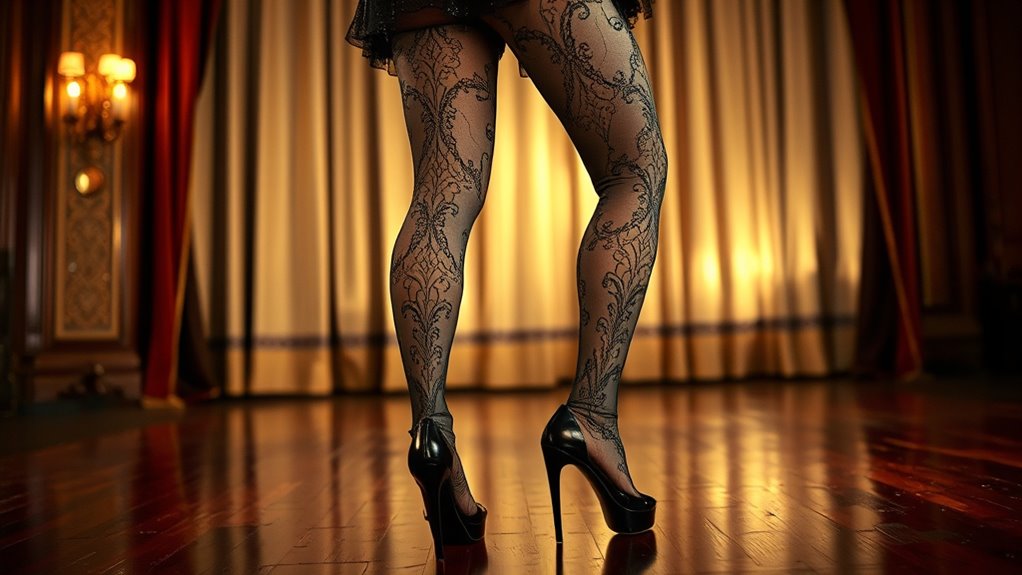
Advancements in textile technology have revolutionized how tights are designed and used in modern theater and film, enabling costume creators to craft garments that are more flexible, breathable, and durable than ever before. Today, innovations like LED fibers, 3D textures, and moisture-wicking fabrics allow for dynamic visual effects and enhanced movement. These new materials also serve symbolic purposes, reflecting themes of identity, futurism, and transformation in storytelling. Digital lighting and projection technologies interact with tights to create striking illusions and immersive experiences. Some productions even incorporate holographic or virtual elements, blending physical and digital aesthetics seamlessly. Additionally, color accuracy in fabric dyes and finishes ensures that tights maintain their intended visual impact under various lighting conditions. Furthermore, emerging artificial intelligence techniques are increasingly used to design and customize costumes, pushing the boundaries of creative expression. As a result, tights now carry layered meanings—beyond fashion and function—becoming tools for artistic expression, technological experimentation, and cultural commentary in contemporary performance art.
Frequently Asked Questions
How Did Tights Influence Gender Expression in Theater and Film?
Tights influence your gender expression by allowing performers to explore and challenge traditional gender roles through costume choices. They enable you to emphasize or conceal your body, making it easier to portray a range of identities and emotions. Modern tights’ flexibility and variety help break gender norms, empowering you to experiment with appearance, highlight physicality, and express gender fluidity or non-conformity on stage and screen.
What Technological Advances Most Transformed Tights’ Appearance and Durability?
You see, nylon revolutionized tights like a painter’s bold new palette, making them stronger, smoother, and more lustrous. Technological innovations also introduced stretchy fibers and breathable fabrics, turning tights into second skin that moves effortlessly with you. LED fibers and 3D textures now add a futuristic glow and depth, transforming tights from simple garments into dynamic elements of storytelling—blending art, technology, and performance into one seamless, mesmerizing fabric.
How Have Tights Symbolized Social and Cultural Shifts Over Decades?
You see, tights reflect social and cultural shifts by changing in style, symbolism, and purpose over time. They’ve moved from symbols of status and formality in the Renaissance to expressions of modern femininity, gender fluidity, and artistic innovation. As society’s attitudes toward modesty, sexuality, and identity evolve, tights adapt, helping performers explore new roles and challenging traditional norms, making them a visual mirror of cultural transformation.
In What Ways Did Tights Enhance Storytelling and Character Development?
Tights truly transform storytelling and character development by adding allure, accentuating movement, and embodying identity. You see, they serve as visual vignettes, revealing vulnerability or strength, and highlighting characters’ personalities. Whether in dance, drama, or fantasy, tights facilitate fluidity and focus, helping you connect with characters’ emotions. Their versatility allows performers to visually voice their narratives, making stories more vivid, vibrant, and memorable for audiences everywhere.
How Do Modern Tights Incorporate Digital or Multimedia Features?
Modern tights incorporate digital and multimedia features by integrating LED fibers, 3D textures, and holographic elements into their design. You can see these used in innovative performances, where lighting effects sync with the tights to create dynamic visual displays. Digital printing allows for intricate patterns, while some costumes even feature interactive elements that respond to movement or sound. These advancements help enhance storytelling, making costumes more immersive and visually striking for audiences.
Conclusion
So, next time you slide into tights, remember you’re donning centuries of fashion history—once revolutionary then merely routine. It’s amusing how something so simple could symbolize rebellion, glamour, or artistry, only to become just another stretch of fabric in your wardrobe. Ironically, what once set you apart now blends seamlessly into the background, proving that even the boldest trends can quietly fade into the fabric of everyday life.