To safeguard your tights during floorwork and acrobatics, choose durable, reinforced fabrics and inspect them for snags beforehand. Keep your movement controlled and deliberate to avoid tears, and make sure your workspace is clean and free of debris. After your session, carefully remove and inspect your tights, then wash and store them properly to extend their lifespan. For more tips on keeping your tights pristine during intense routines, keep exploring these helpful strategies.

Get your wardrobe favorites delivered free — and shop member deals
- Fast, free delivery on millions of items
- Access to Prime Big Deal Days deals on October 6–7
- Prime Video, Amazon Music and more included
Key Takeaways
- Choose thicker, reinforced tights made from durable nylon blends to resist tears during vigorous activities.
- Inspect tights for snags or small tears before activity and reinforce minor issues with fabric glue or clear nail polish.
- Ensure the performance area is clean, smooth, and free of debris, using mats or padded surfaces to prevent damage.
- Maintain controlled, deliberate movements and engage core muscles to reduce strain on tights during routines.
- After activity, gently wash and inspect tights, repairing minor damages promptly to extend their lifespan.
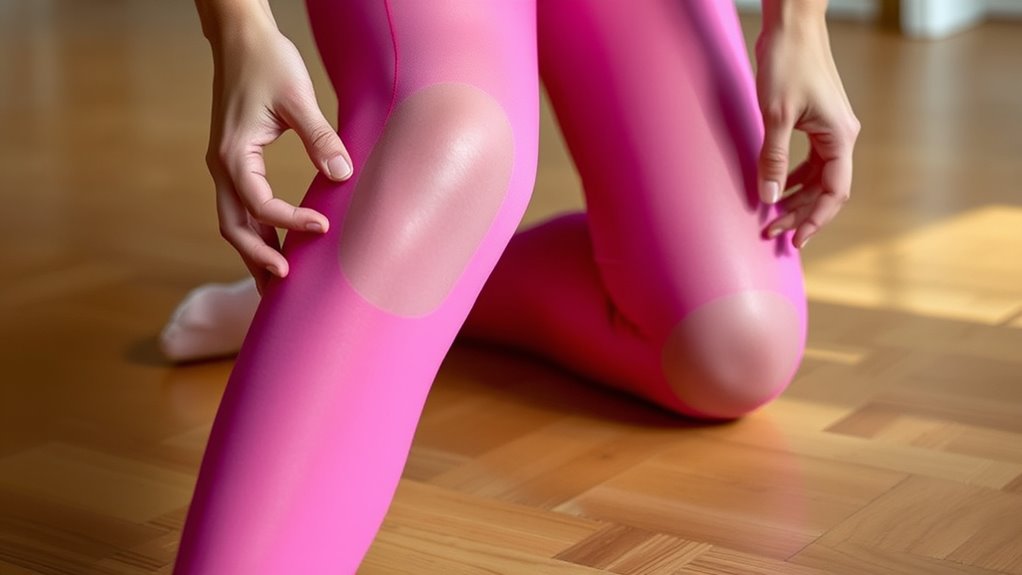
Tights are a versatile wardrobe staple, but they can easily snag or tear if you’re not careful. When you’re involved in floorwork and acrobatics, the risk increases because of the close contact with rough surfaces, sharp edges, or even other performers’ costumes. To protect your tights, start by choosing the right material. Opt for thicker, more durable fabrics like nylon blends or reinforced tights designed specifically for movement-heavy activities. These materials tend to resist tears better than thin, delicate ones, giving you a longer lifespan and more confidence during your routines.
Before you begin any activity, inspect your tights for signs of wear or small snags. Catching a snag early can prevent a full tear during a vigorous move. If you notice tiny issues, consider reinforcing those areas with clear nail polish or fabric glue, which can stop small tears from spreading. When you’re getting ready to perform, avoid wearing jewelry or accessories that can catch on the fabric. Remove any rings, bracelets, or even loose hair accessories that might hook onto your tights during your routine. This simple step can save you from embarrassing tears in the middle of your performance.
Inspect and reinforce tights early to prevent tears during vigorous activities.
Placement on the floor matters, too. When you’re preparing for floorwork, make sure the surface is clean, smooth, and free of debris. Rough or gritty floors can cause snags or tears, especially when you’re rolling or sliding. Use a soft yoga mat or a padded surface if possible, as it provides a gentle barrier between your tights and the hard floor. Before you start, double-check the area for any sharp objects or rough patches that could damage your tights. Keep your movements controlled and deliberate—sudden jerks or slips can lead to accidental tears or snags. Proper surface maintenance can also help prevent damage to your tights during performance.
During acrobatic moves, be mindful of your landings and transitions. Engage your core and maintain proper technique to minimize unnecessary strain on your tights. If you’re practicing on a tumbling mat, ensure it’s well-maintained and free from tears or loose fibers that could catch your tights. When transitioning between different surfaces or performing complex moves, take a moment to assess your environment and adjust accordingly. This awareness not only keeps you safe but also helps preserve the integrity of your tights.
Finally, after your session, gently remove your tights and inspect them once again. Wash them carefully according to the manufacturer’s instructions to prevent weakening the fibers. Proper care and handling extend their lifespan, so you can continue to enjoy their comfort and style without constantly replacing torn or snagged pairs. By taking these precautions, you’re safeguarding your tights from unnecessary damage and ensuring they stay in top condition for every floorwork and acrobatic adventure.
Frequently Asked Questions
What Types of Fabrics Are Best for Durable Tights?
Polyester and nylon are your best options for durable tights. They’re strong, resistant to tears, and hold up well during intense activities like floorwork and acrobatics. Look for tights with a blend of these fabrics, as they provide flexibility, support, and longevity. Avoid cheaper, thin materials that can easily rip or snag. With the right fabric, your tights stay intact longer, giving you confidence during your performance or practice.
How Can I Prevent Tights From Slipping During Floorwork?
To prevent tights from slipping during floorwork, make certain your tights fit snugly without being too tight. Use a non-slip grip spray or apply a small amount of baby powder or antiperspirant to your thighs to increase grip. Consider using tights with a silicone waistband or grip strips along the thighs. Additionally, choose high-quality, stretchable fabrics that stay in place and avoid overly slippery materials.
Are There Specific Brands Known for Tear-Resistant Tights?
Imagine slipping into tights that feel like a second skin—durable, tear-resistant, and ready for any move. Brands like Capezio, Bloch, and Danskin are known for their tough, resilient tights that withstand rigorous floorwork. You’ll notice the difference in their sturdy fabric, reinforced seams, and quality craftsmanship. These brands give you confidence, letting you focus on your performance without worrying about rips or tears, no matter how intense your routine gets.
What Quick Fixes Exist for Torn Tights During Performances?
If your tights rip during a performance, grab some clear nail polish or fabric glue to seal small tears quickly. You can also use a clear patch or a piece of matching fabric glued behind the tear for added support. Safety pins can work temporarily, but avoid them on the stage. Keep a spare pair handy, and act fast to minimize the tear’s impact on your performance.
How Often Should I Replace My Dance Tights for Optimal Protection?
Ever wonder how often you should swap out your dance tights for the best protection? You should replace them every 10 to 15 wears or when you notice any tears, thinning, or holes. Regularly check for signs of wear to prevent unexpected rips during performances. Fresh tights keep you comfortable, support your moves, and help avoid embarrassing wardrobe malfunctions. Trust your instincts and update them promptly for prime performance and confidence.
Conclusion
Now that you know how to protect your tights during floorwork and acrobatics, imagine the next move you’ll master without a single tear or snag. Your tights stay pristine, ready for the next daring stunt, as if they’re part of your own strength. But beware—one misstep could unravel all your hard work. Are you prepared to keep your tights intact and your confidence soaring? The choice is yours. The floor awaits.
Halloween Picks
halloween
As an affiliate, we earn on qualifying purchases.