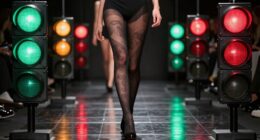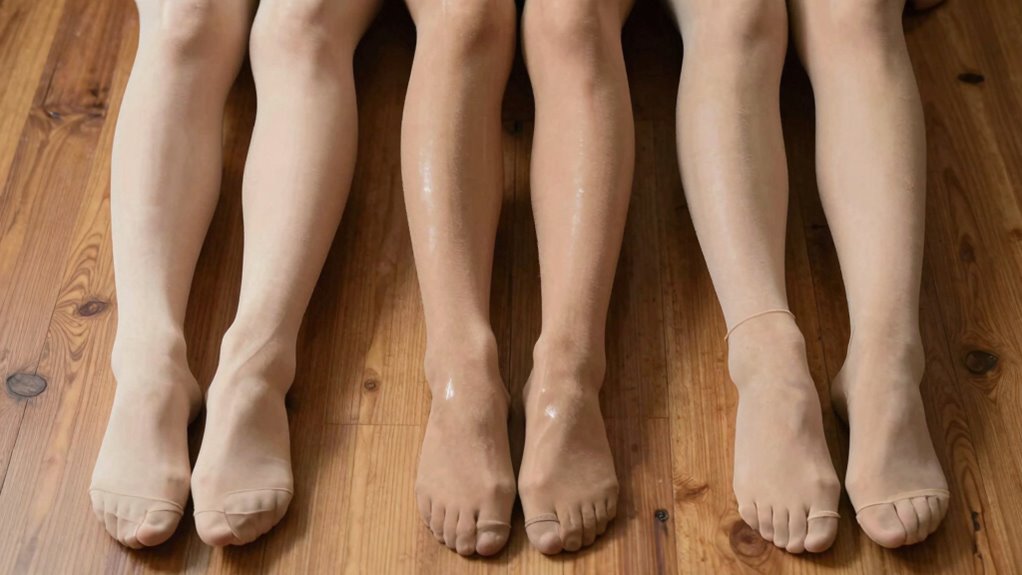

Footed tights cover your entire foot for a sleek, seamless look and added durability, making them ideal for full-length routines. Footless tights leave your feet exposed, giving you more flexibility for footwear and foot articulation, perfect for contemporary dance. Convertible tights offer the best of both worlds, with a footed section that you can roll up or down for quick costume changes. To discover which type best suits your performance needs, keep going to find out more.
Open a free Amazon Business account
Business pricing, bulk buying and tax-exempt orders.
As an affiliate, we earn on qualifying purchases.
Key Takeaways
- Footed tights cover the entire foot for a seamless, polished look, ideal for costumes needing full coverage.
- Footless tights leave feet exposed, offering greater flexibility for footwear and barefoot performances.
- Convertible tights can be worn as either footed or footless by rolling or unrolling the foot section.
- Material durability and reinforced seams are essential for all types, especially for frequent use and quick costume changes.
- The choice depends on performance needs: full coverage, footwear flexibility, or versatility between styles.
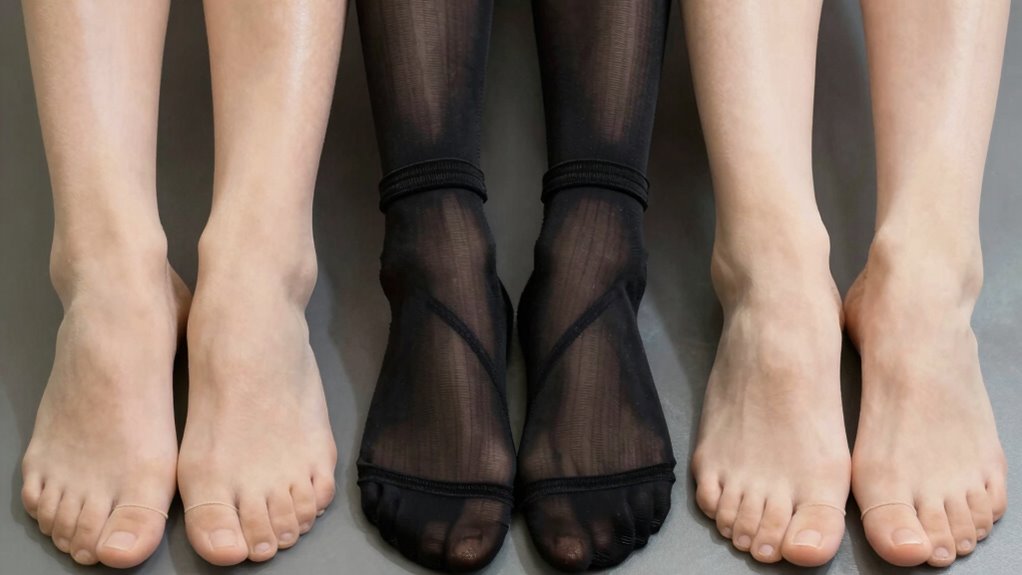
When choosing dance tights, understanding the differences between footed, footless, and convertible styles can help you find the perfect fit for your performance and practice needs. Each style offers unique advantages, especially when considering costume coordination and material durability. Footed tights, for instance, are designed to cover your entire foot, providing a seamless look that pairs well with costumes that require a polished, uniform appearance. They’re ideal if you want a sleek, continuous line from waist to toes, making costume matching straightforward. Their full coverage also helps protect your feet during rehearsals and performances, which can extend the lifespan of the tights due to less friction and wear on exposed areas. Furthermore, the durability of the material is essential here; thicker, high-quality fabrics tend to last longer, especially since footed styles experience constant movement and contact with the floor. material durability is a crucial factor because it directly influences the longevity of dance tights, especially in demanding routines.
Footless tights, on the other hand, leave your feet exposed, offering greater flexibility for footwear choices and easier footwork. This style is perfect if your costume demands a layered look or if you need to switch between bare feet and shoes quickly. They’re also favored for contemporary dance or styles where foot articulation and grip are essential, allowing you to feel the floor better. When it comes to costume coordination, footless tights give you more freedom to match different shoe styles or bare-footed looks without worrying about clashing with the tights. However, because they expose your feet, the material’s durability becomes even more important—thin or low-quality fabrics can wear out faster due to increased friction and contact with the floor and shoes.
Convertible tights strike a balance between the two, offering versatility for various dance routines. They typically feature a footed section that can be rolled up or down, allowing you to switch between footed and footless styles quickly. This adaptability is great for costume coordination, especially if your performance involves multiple costume changes or different shoe requirements. They also tend to be made from durable materials to withstand repeated rolling and unrolling. The key to choosing the right pair is to consider the quality of the material—look for tights with reinforced seams and thicker fabric that won’t easily snag or tear. If you frequently perform or rehearse, investing in high-quality, durable tights ensures longevity and maintains a professional appearance, regardless of the style you choose.
As an affiliate, we earn on qualifying purchases.
Frequently Asked Questions
Are Footed Tights Suitable for All Dance Styles?
Footed tights aren’t suitable for all dance styles, especially modern or contemporary dance, where flexibility and movement are key. You’re more likely to see them in classical ballet, rooted in historical origins that emphasize uniformity and tradition. Fashion trends also influence choices, with footless and convertible tights gaining popularity for their versatility. So, consider your dance style and current trends before choosing footed tights for your performance.
How Do I Choose the Right Tights for My Skin Tone?
To choose the right tights for your skin tone, focus on skin tone matching for a seamless look. Browse tights color options that closely resemble your natural skin color, whether you have fair, medium, or deep skin. Try on different shades to see which blends best and feels most comfortable. This way, your tights won’t distract from your performance and will give you a polished, professional appearance.
Can Convertible Tights Be Worn as Footed or Footless?
Think of convertible tights as a Swiss Army knife—designed for flexibility. Yes, you can wear them as footed or footless, depending on your needs. To shift smoothly, fold or unroll the tights at the ankles, using tights transition tips like smoothing out wrinkles. Their versatility lets you adapt quickly, whether you’re warming up or cooling down, making them perfect for various dance routines or rehearsal needs.
What Materials Are Best for Performance Durability?
For performance durability, you should choose tights made from fabrics with excellent stretch and seam strength. Materials like nylon-spandex blends provide great fabric stretch, ensuring flexibility and comfort during movement. Look for tights with reinforced seams to prevent tearing or seam splitting under stress. These qualities help your tights last longer, maintain their shape, and support your dance or performance activities without discomfort or wardrobe malfunctions.
Do Different Tights Impact Dance Movement or Technique?
Imagine you’re practicing a leap, and your tights’ footless design allows for greater foot mobility and tights flexibility, enhancing your movement precision. Different tights can impact dance technique by either restricting or supporting your range of motion. Footless tights often boost foot mobility, while footed options provide warmth and support. So, choosing the right type can improve your comfort, allowing you to execute movements more effectively and confidently.
As an affiliate, we earn on qualifying purchases.
Conclusion
Choosing the right dance tights can boost your confidence and comfort during performances, but it’s easy to feel overwhelmed by all the options. Remember, the perfect pair isn’t just about style—it’s about what helps you move freely and feel your best. Don’t let uncertainty hold you back from expressing yourself through dance. Embrace your unique needs, and trust that the right tights will empower you to shine on stage with confidence.
As an affiliate, we earn on qualifying purchases.
As an affiliate, we earn on qualifying purchases.
Fall yard work Picks
leaf blowers
As an affiliate, we earn on qualifying purchases.