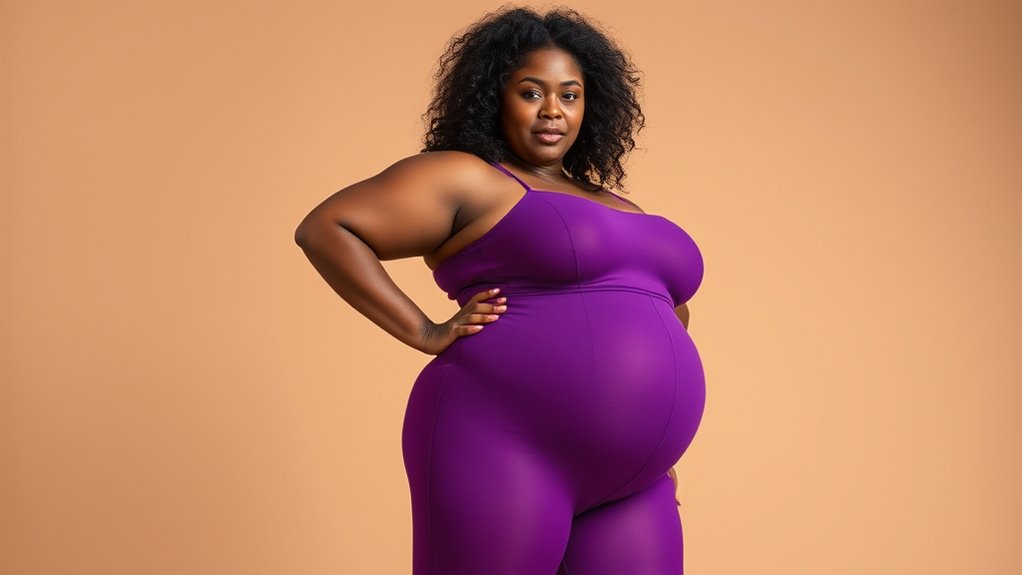

To design tights beyond size 4X, focus on inclusive fit metrics that reflect real body measurements like hips, thighs, waist, and curves. Use advanced tools like 3D body scanning to gather precise data that captures shape diversity. Incorporate feedback from real users to refine sizing and support. Prioritize fabrics that offer comfort and durability. Keep exploring these strategies to create truly inclusive tights that cater to everyone’s unique needs.
Key Takeaways
- Collect comprehensive body measurements beyond standard size charts, including hips, thighs, waist, and curves, for accurate fit.
- Analyze shape variations and fit issues like waistband stability and thigh friction specific to sizes beyond 4X.
- Collaborate with diverse consumers and advocates to validate and refine measurement benchmarks reflecting real body diversity.
- Develop adaptable patterning that accommodates different proportions and contour variations for inclusive comfort.
- Incorporate advanced measurement tech, like 3D scanning, to enhance precision and ensure tights move naturally with larger bodies.
Rethinking Size Standards for Plus-Size Tights
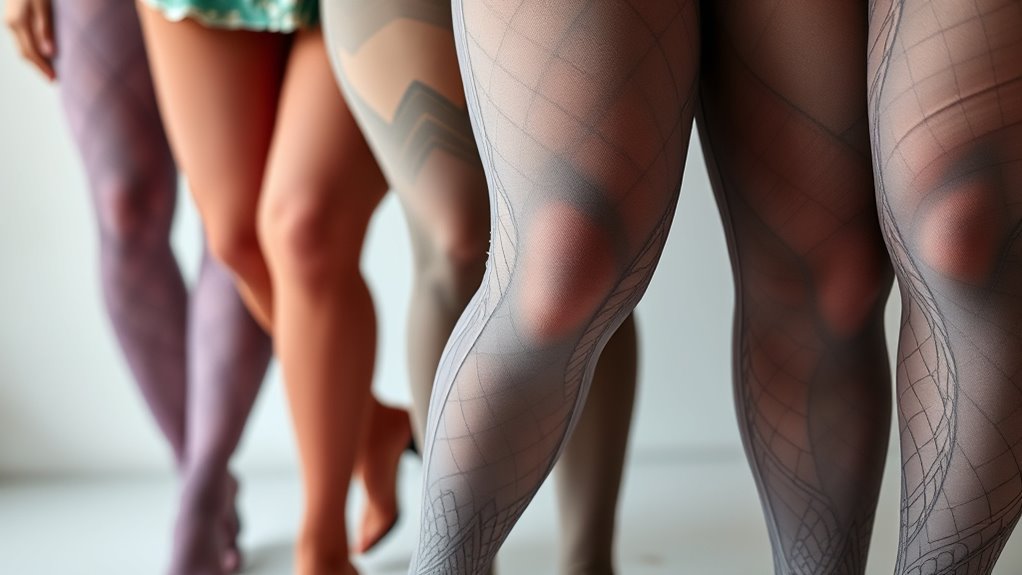
Have current size standards truly met the needs of all plus-size consumers? Probably not. Traditional sizing often overlooks size diversity, leaving many feeling excluded or misrepresented. Embracing body positivity means recognizing that bodies come in many shapes and sizes, which calls for more inclusive standards. Instead of relying solely on arbitrary size labels, brands should focus on creating fit metrics that reflect real body measurements and proportions. This shift will make shopping more accessible and affirming for plus-size individuals. Rethinking size standards isn’t just about numbers; it’s about fostering confidence and respect through truly inclusive design. By prioritizing size diversity, we can challenge outdated norms and create tights that celebrate all bodies, encouraging a healthier, more positive outlook on body image. Incorporating celebrity lifestyle insights can also inspire innovative approaches to inclusive fashion, making the industry more adaptable to diverse needs.
Advanced Measurement Techniques for Inclusive Fit
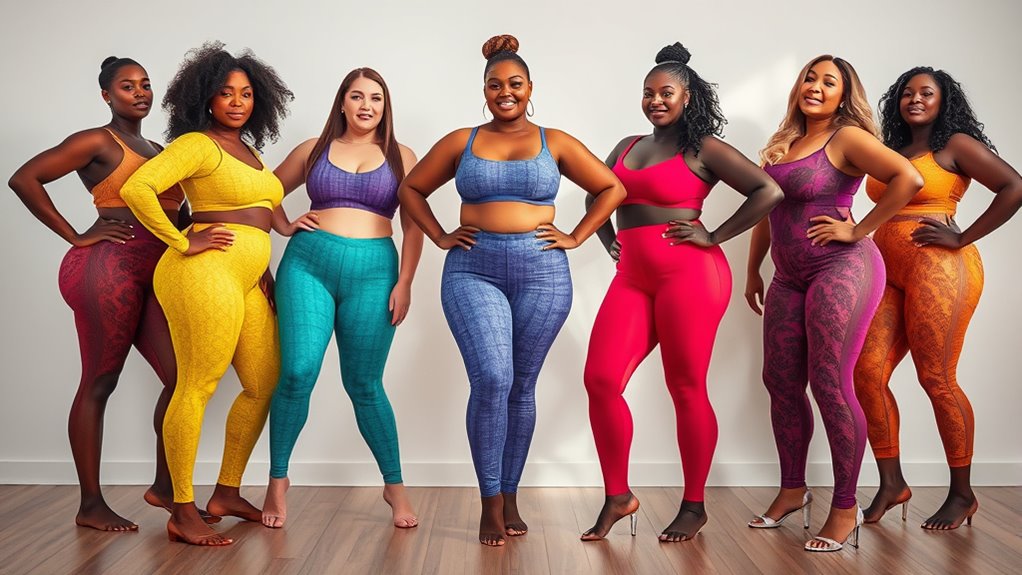
Traditional sizing methods often rely on limited measurements that don’t account for the full range of body shapes and proportions found in plus-size populations. To improve fit, you can use advanced measurement techniques like 3D body scanning, which captures detailed data on curves, proportions, and contours. This technology helps design tights with better fabric breathability, ensuring comfort during movement, and ergonomic stitching that adapts to natural body angles. Incorporating these measurements allows you to create patterns that fit more precisely, reducing pinching and bunching. These techniques also help identify key areas needing extra stretch or support, leading to a more inclusive fit for larger sizes. By embracing advanced measurement methods, you can craft tights that move with your body and prioritize comfort at every size. Additionally, considering Pool & Backyard design principles can inspire innovative approaches to ergonomic and aesthetic details, broadening the scope of inclusive apparel design.
Developing Comprehensive Fit Metrics for Larger Sizes

To develop effective fit metrics for larger sizes, you need to move beyond standard measurements and incorporate a holistic approach that reflects diverse body shapes. This ensures sizing inclusivity and promotes body positivity. Consider these steps:
- Gather extensive data from real bodies across sizes beyond 4X, focusing on common shape variations.
- Include measurements that account for bust, waist, hips, thighs, and additional areas relevant to larger sizes.
- Analyze fit issues unique to bigger bodies, such as waistband stability and thigh friction.
- Collaborate with body positivity advocates and larger-size consumers to validate metrics and ensure they reflect actual needs.
- Additionally, understanding the contrast ratio of the fabric can help in selecting materials that enhance comfort and fit for larger sizes.
Material Selection and Construction for Enhanced Comfort
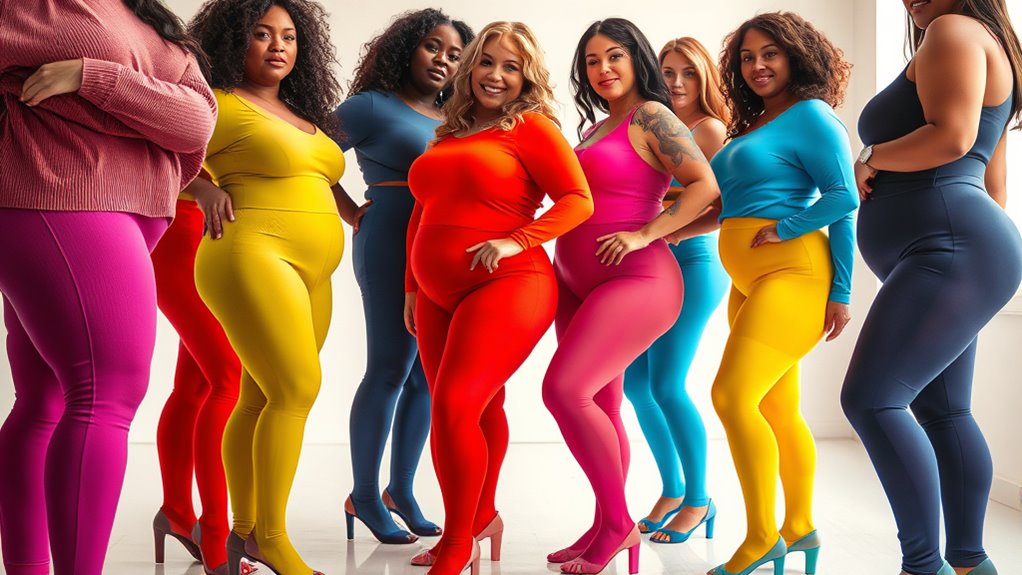
What materials best support comfort and durability in plus-size garments? Look for fabrics that offer excellent fabric breathability to keep you cool and dry throughout wear. Natural fibers like cotton or blends with spandex provide stretch and comfort without sacrificing breathability. For added durability, choose fabrics with reinforced weaves or high-quality synthetic fibers designed to withstand repeated stretching. Seam durability is equally important; opt for flatlock or double-stitched seams that resist splitting and chafing, especially in high-stress areas. These construction choices help maintain the garment’s shape and integrity over time. When selecting materials, prioritize those that balance breathability with strength, ensuring your tights stay comfortable, supportive, and durable through every wear. Sound healing science indicates that incorporating specific materials and construction techniques can also influence relaxation and overall wear experience.
Implementing Feedback and Continuous Improvement in Design
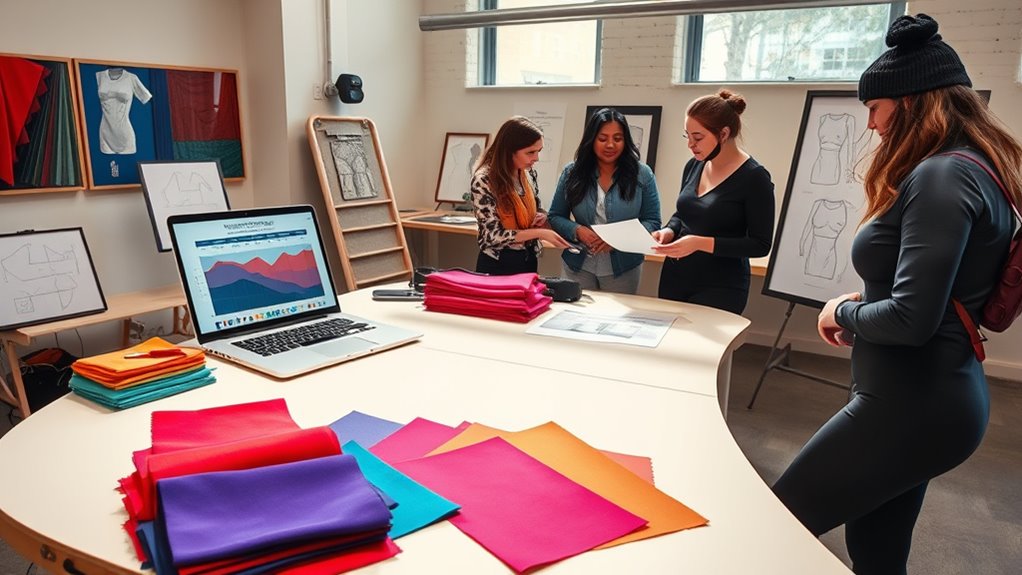
Incorporating feedback and pursuing continuous improvement are key to refining plus-size garment design. You should actively gather insights from customer reviews, fit testing, and sales data to identify areas for enhancement. Consider these steps: 1. Use customer feedback to refine sizing and fit, ensuring comfort and support for diverse body types. 2. Collaborate with sustainable manufacturing partners to reduce waste and improve eco-friendly practices. 3. Adjust marketing strategies to highlight improved fit and sustainability, attracting a broader audience. 4. Regularly review product performance and incorporate innovations to stay ahead of market demands. Additionally, staying informed about size-inclusive fashion trends can help ensure your designs meet evolving customer preferences.
Frequently Asked Questions
How Do Cultural Preferences Influence Plus-Size Tights Design?
When considering how cultural preferences influence plus-size tights design, you need to recognize that cultural aesthetics shape what styles, colors, and patterns are appealing. Regional preferences might dictate fabric choices, fit, or coverage levels. By understanding these cultural nuances, you can create tights that resonate with diverse customer bases, ensuring your designs honor local traditions and preferences while maintaining comfort and style.
What Are the Environmental Impacts of Plus-Size Tights Manufacturing?
It’s interesting how your choices impact the environment, especially when manufacturing plus-size tights. If you opt for sustainable materials and eco-friendly dyes, you reduce pollution and conserve resources. These greener options lessen landfill waste and water contamination, making the process more responsible. By prioritizing eco-conscious practices, you help create a more sustainable fashion industry, ensuring that your wardrobe choices support environmental well-being while still meeting your style needs.
How Can Technology Improve Fit Accuracy for Larger Sizes?
You can improve fit accuracy for larger sizes by leveraging advanced sizing technology and offering custom fit options. Using 3D body scanning and digital measurements, manufacturers can create more precise patterns tailored to individual shapes. This approach reduces sizing errors, enhances comfort, and ensures better fit for plus-size customers. By embracing these innovations, you make tights that fit better, boost customer satisfaction, and minimize waste caused by ill-fitting garments.
Are There Specific Challenges in Testing Durability for Plus-Size Tights?
When testing durability for plus-size tights, you face challenges like ensuring fabric stretch and seam strength hold up over time. You need to simulate real-life wear and tear, which can stress the material differently due to larger sizes. This involves rigorous testing to verify that the fabric stretch remains consistent and seams stay intact, preventing issues like tearing or sagging, so your tights perform reliably for all body types.
How Do Pricing Strategies Affect Accessibility for Plus-Size Consumers?
Imagine a ladder where each rung represents a level of affordability. Pricing strategies can either lower or raise those rungs, affecting your access. When brands set higher prices, they create pricing barriers that limit plus-size consumers’ affordability, making it harder to find inclusive options. To improve accessibility, companies must balance fair pricing with quality, ensuring affordability challenges don’t exclude you from the products you deserve.
Conclusion
By redefining size standards and embracing advanced measurement techniques, you can craft plus-size tights that truly fit and flatter beyond size 4X. Focus on material choice and construction to boost comfort, and keep refining your designs based on user feedback, like a tailor perfecting a Renaissance masterpiece. With these efforts, you’ll guarantee your tights offer a fit so seamless, it feels like slipping into a second skin—no more feeling like an ill-fitting ruffled shirt!