TL;DR

Get your wardrobe favorites delivered free with Prime
- Fast, free delivery on millions of items
- Prime Video, Amazon Music and more included
- Member-only deals all year
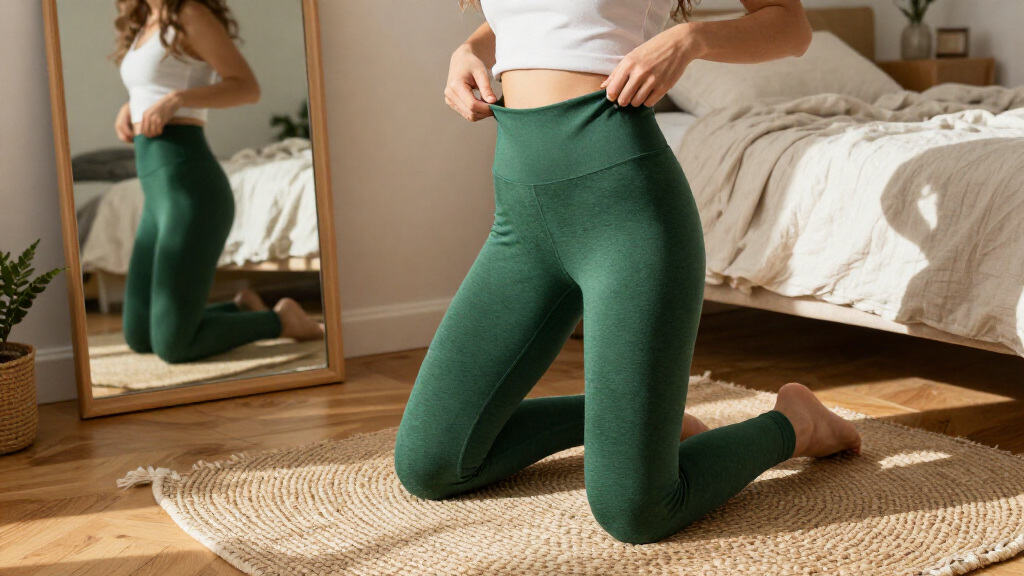
The Good Trade has published a buying guide to 11 organic cotton leggings, based on editors’ research and reported testing of comfort, opacity, stretch and movement. It recommends considering organic content, certification, sizing and intended activity; cotton leggings may be less suitable for intense, sweaty workouts because cotton absorbs moisture.
The Good Trade has published a guide to 11 organic cotton leggings, outlining how its editors assessed comfort, coverage, stretch and production standards, and what shoppers should weigh before buying. The guide says these cotton-rich styles are generally better suited to daily wear and lower-intensity activity than workouts that produce heavy sweat.
The guide says its editors personally researched and tested the leggings, including fabric feel, thickness, opacity, movement and stretch. It reports that each selected pair passed the editors’ squat test and received at least 8 out of 10 for comfort. The source does not provide a full test protocol or independent laboratory results.
The listed selection criteria include organic and PFAS-free materials, comfort and brands’ ethical or sustainability efforts. The guide recommends checking for GOTS certification as a way to assess textile and production standards. It also says a small amount of spandex or elastane can help leggings retain stretch and shape, while a higher cotton proportion may reduce flexibility.
The supplied product details include MATE the Label leggings, listed at $88–$108 in sizes XS–3X, made from GOTS-certified organic cotton and spandex. The guide describes them as medium-weight and opaque, and says they are intended for low- to mid-impact exercise. Those details are the source’s product descriptions, not an independently verified comparison of all 11 options.
BUYING GUIDE / ORGANIC COTTON
11 Best Organic Cotton Leggings for Women: How to Choose a Pair
A practical guide to comparing comfort, coverage, stretch and production claims—and matching cotton-rich leggings to the way you plan to wear them.
organic cotton leggings covered
reported minimum for selected pairs
recommended standard to check
MATE the Label; verify current listing
Start with the job the leggings need to do.
Cotton absorbs moisture, so cotton-rich styles may suit daily wear and gentle movement better than hot, high-sweat training. Let activity guide the fabric choice.
Comfort first
For lounging, errands and daily wear, compare softness, fit, coverage and care instructions against your routine.
Check stretch & opacity
For lower-impact activity, look for a comfortable range of motion and coverage that feels secure when you move.
Consider technical fabrics
For vigorous training or hot conditions, compare fabrics designed to manage moisture and allow broad movement.
“Organic” is a starting point, not the whole checklist.
Use the guide’s criteria as prompts, then confirm details on each brand’s current product page. Claims and product information can vary.
| Factor | What the guide says | What to check |
|---|---|---|
| Fiber content | Cotton makes up most of the fabric in cotton-rich leggings. | Read the exact composition; more cotton can mean less flexibility. |
| Stretch | A small amount of spandex or elastane can support stretch and shape retention. | Check the blend and how it feels through your intended range of motion. |
| Certification | The guide recommends looking for GOTS certification. | Confirm the certification applies to the specific product. |
| Fit & coverage | Editors report assessing thickness, opacity, comfort and movement. | Review the brand size chart, product details and return policy. |
| Current details | Prices, sizes, certifications and inventory may change. | Verify current price, available sizes and care information before ordering. |
More cotton can mean less flexibility—and more moisture retention.
The source presents cotton and elastane as a balance. Your activity, preferred feel and fit matter as much as the fiber label.
Check the blend
Compare the cotton share with any spandex or elastane listed.
Match the movement
Consider flexibility and shape retention for the activity you have in mind.
Think about sweat
Cotton absorbs moisture rather than wicking it away, according to the guide.
Choose accordingly
For high-intensity sessions, compare technical moisture-managing alternatives.
MATE the Label: details reported in the guide
These are the source’s product descriptions, not an independently verified comparison of all 11 picks. Confirm current details directly with the brand.
$88–$108 · XS–3X
The supplied guide lists this price range and size range. Pricing and availability may change.
GOTS-certified cotton
The guide describes the leggings as made from GOTS-certified organic cotton and spandex. Check current product information.
Low to mid impact
Described as medium-weight and opaque, and intended for lower- to mid-impact exercise.
What the assessment can—and cannot—tell you.
Reported editorial testing offers useful context, while the supplied material leaves several details open.
“Each pair of leggings has been editor-tested and approved with at least an 8 out of 10 on the comfort scale.”The Good Trade editors · as quoted in the supplied source
“Because cotton absorbs moisture instead of wicking it away, they’re not designed for high-intensity workouts or performance.”The Good Trade editors · as quoted in the supplied source
Questions to settle before you buy.
What did the editors say they tested?
Comfort, fabric quality and texture, opacity, thickness, stretch and movement, including a squat test. The source gives no detailed protocol or independent lab data.
Are cotton leggings right for intense workouts?
The guide says cotton absorbs moisture, so these styles may suit daily wear and lower-intensity activity better. It suggests technical fabrics for intense training or heavy sweating.
What certification should I look for?
The guide recommends checking for GOTS certification. Confirm it applies to the specific garment and review current brand information.
Does more cotton mean more stretch?
No. The guide says a higher cotton share can mean less flexibility; some spandex or elastane can add stretch and help retain shape.
Are the listed price and sizes guaranteed current?
No. MATE the Label is listed at $88–$108 and XS–3X in the supplied material. Check the brand’s current listing before buying.
What should I verify before ordering?
Check fiber composition, size chart, applicable certification, care instructions, current availability and the return policy.
Matching Cotton Leggings to Activity
The guide’s main practical point is that fabric choice should match how the leggings will be used. Cotton absorbs moisture rather than moving it away from the body, according to the source, so cotton-rich leggings may feel less comfortable during high-intensity sessions or in hot conditions. A shopper looking for everyday comfort, lounging or gentle movement may have different needs from someone choosing gear for running or vigorous training.
It also gives readers a framework for comparing fiber content, stretch, opacity and stated production standards, rather than relying on the word “organic” alone. The source presents environmental and worker-welfare benefits as reasons to consider organic materials, but product claims and certifications should be checked against each brand’s current disclosures.
Popular right now

Roborock RockNeo Q110H Wire-Free Robot Lawn Mower

iRobot Roomba Max 715 Pet Robot Vacuum with AutoEmpty Dock

Samsung 48-Inch S90H OLED 4K Smart TV (2026)
As an affiliate, we earn on qualifying purchases.
What the Guide Says About Cotton
The source describes organic cotton farming as using practices such as crop rotation and water conservation, and says organic cotton is biodegradable. It also argues that organic textiles can reduce exposure to certain chemicals. These are general claims in the guide; the supplied material does not cite specific studies or establish that every product has identical environmental or health outcomes.
For activewear, the guide frames cotton and elastane as a trade-off: cotton makes up most of the fabric, while some stretch fiber can support fit and durability. More cotton may mean less flexibility, and cotton’s moisture absorption can be a drawback for strenuous exercise. The article advises shoppers seeking technical sweat-wicking performance to look at fabric blends or other activewear options.
“Each pair of leggings has been editor-tested and approved with at least an 8 out of 10 on the comfort scale.”
— The Good Trade editors
Limits of the Product Assessments
The supplied material does not identify the publication date, provide the complete list and specifications for all 11 products, or explain how the editors measured moisture-wicking performance. It also does not include third-party test results, detailed evidence for every PFAS-free claim, or a product-by-product account of labor and environmental practices.
Prices, sizes, certifications and inventory can change. The guide’s stated test outcomes and sustainability descriptions should be read as the publication’s reporting and assessments; the source does not establish that every listed garment performs the same way for every wearer or activity.
Check Current Product Details
Shoppers can use the guide as a starting point, then check each brand’s current fiber composition, size chart, certification and care information before ordering. Fit and sizing vary by brand, so consulting the specific measurements and return policy is useful. For high-sweat or high-impact training, compare technical fabrics designed to manage moisture and allow a wider range of movement.
The source says the guide is updated regularly, but it gives no date for its next revision. No additional testing, brand response or product update is announced in the supplied material.
Key Questions
What does The Good Trade say it tested?
The editors say they assessed comfort, fabric quality and texture, opacity, thickness, stretch and movement, and performed a squat test. The source does not provide a detailed testing protocol or independent lab data.
Are organic cotton leggings suitable for intense workouts?
The guide says cotton absorbs moisture rather than wicking it away, so these leggings may be better for daily wear and lower-intensity exercise. It suggests technical fabrics for intense training or heavy sweating.
What certification does the guide recommend checking?
It recommends looking for GOTS certification. Shoppers should confirm the certification applies to the specific product and review the brand’s current product information.
Does a higher organic cotton percentage mean more stretch?
No. The guide says that a higher cotton share can mean less flexibility; a small amount of spandex or elastane can add stretch and help a garment retain its shape.
Are the listed prices and sizes guaranteed to be current?
No. The source lists MATE the Label at $88–$108 and sizes XS–3X, but prices, availability and sizing details may change. Check the brand’s current listing before buying.
Source: rss