
TL;DR

Get your wardrobe favorites delivered free with Prime
- Fast, free delivery on millions of items
- Prime Video, Amazon Music and more included
- Member-only deals all year
A leading New York fashion designer chose not to showcase their latest collection on the runway. Instead, they threw a high-profile arcade-themed party, drawing significant media and public interest. The event marks a notable departure from conventional fashion presentations.
A prominent New York fashion designer did not participate in their scheduled runway presentation and instead hosted a private arcade-themed party, according to multiple sources. This unexpected move has attracted widespread attention within the fashion industry and social media, highlighting a possible shift in how designers engage with their audiences and media.
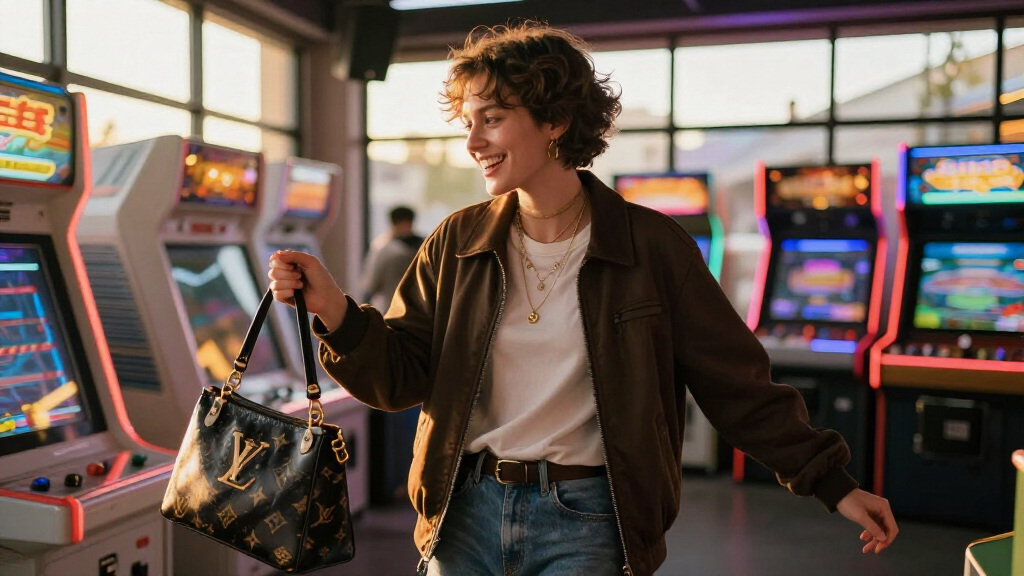
The designer, whose identity is confirmed but not publicly named in the source material, was expected to showcase their latest collection during New York Fashion Week. Instead, they opted for an unconventional event at an arcade venue, featuring gaming stations, custom cocktails, and a vibrant party atmosphere. Attendees included industry insiders, influencers, and select press, though the event was invite-only and kept discreet from the general public.
Sources close to the designer indicate that the decision to skip the runway was deliberate, possibly to challenge traditional fashion show formats or to create a more interactive experience for their followers. The event’s details emerged through social media snippets and industry chatter, but the designer has not issued an official statement explaining the choice.
This departure from the norm has sparked both admiration and speculation. Some industry observers see it as a bold move that could influence future presentations, while others question whether it signals a broader trend toward less conventional engagement strategies in fashion.
Implications for Fashion Industry Engagement
This incident underscores a potential shift in how fashion brands and designers are choosing to connect with audiences. By skipping traditional runway shows, which are often viewed as the centerpiece of fashion weeks, and instead hosting immersive, experiential events like an arcade party, the designer may be signaling a new approach to brand storytelling and consumer interaction. Such moves could influence future fashion presentations, emphasizing experience over spectacle.
Additionally, the event’s buzz highlights the increasing importance of social media and influencer culture in shaping public perception and media coverage of fashion. If more designers adopt similar strategies, it could redefine industry standards for visibility and engagement, especially among younger, digitally-native audiences.
Popular right now

Dyson V8 Cyclone Cordless Vacuum

Shark PowerPro Reveal Plus Cordless Vacuum Cleaner, Charcoal, IZ376H

Ninja DualZone Smart XL Air Fryer, 10-Qt, 6-in-1, DZ950
As an affiliate, we earn on qualifying purchases.
Recent Trends in Non-Traditional Fashion Events
Over the past few years, there has been a growing trend among designers and brands to explore alternative formats for showcasing collections. Examples include digital presentations, immersive installations, and social media-driven reveals. The COVID-19 pandemic accelerated this shift, prompting brands to find innovative ways to connect with audiences remotely.
While runway shows remain a staple, many industry insiders see a rise in experiential events that prioritize interaction, entertainment, and social media virality. The choice by this New York designer to host an arcade-themed party instead of a runway fits within this broader pattern, although details about their motivations remain unconfirmed.
Interest in this story has surged recently, driven by social media chatter and coverage in fashion circles, but the true intent behind the event is still unclear. The trigger for this specific decision appears to be unconfirmed, with speculation about whether it was a statement, a marketing stunt, or a personal preference.
Unconfirmed Motivations and Future Trends
It is not yet clear whether this event represents a one-time stunt, a new strategic direction, or a broader trend among high-profile designers. The designer has not issued an official statement explaining their choice, and industry reactions remain speculative. Additionally, whether this approach will influence other brands or become a new standard in fashion presentation is still unknown.
Upcoming Fashion Events and Industry Responses
Industry observers will be watching to see if the designer continues to pursue non-traditional formats or returns to conventional runway shows. Future events, statements, or collections may shed light on whether this was a standalone stunt or part of a larger shift. Media coverage and social media reactions will also influence whether other designers consider similar approaches in upcoming seasons.
Key Questions
Why did the designer skip the runway show?
The exact reasons are unconfirmed, but sources suggest it was a deliberate choice to challenge traditional formats and create a more interactive experience for followers.
Was this event planned or spontaneous?
Details are unclear, but reports indicate it was a planned event, not a spontaneous decision.
Will other designers follow this approach?
It is uncertain. Industry experts are watching to see if this marks a broader trend toward experiential, non-traditional fashion presentations.
How did the public react to the event?
Reactions on social media have been mixed, with some praising the innovation and others questioning the departure from tradition.
Will the designer release an official statement?
There has been no official statement as of now, and the designer’s future plans remain undisclosed.
Source: rss