
Polka-dot tights appeal to you because they combine cultural symbolism with our natural love for pattern recognition and visual harmony. The repetitive, symmetrical design creates a sense of order and comfort, while bright colors evoke joy and energy. Historically linked to luck, prosperity, and playfulness, polka dots tap into positive emotions and nostalgia, making them both fun and meaningful. To discover how these patterns influence your mood and style, keep exploring their fascinating psychological roots.
Key Takeaways
- Recognizable, symmetrical polka-dot patterns activate neural pathways, providing a sense of order and emotional comfort.
- Bright, contrasting colors evoke feelings of happiness, energy, and innocence, enhancing positive emotional responses.
- Polka dots symbolize prosperity, joy, and nostalgia across cultures, fostering a sense of celebration and whimsy.
- Repetition and symmetry in polka dots reduce cognitive load, making visual processing easier and more satisfying.
- Wearing polka-dot tights connects to childhood memories and vintage fashion, eliciting feelings of familiarity and playfulness.
The Origins and Cultural Significance of Polka Dots
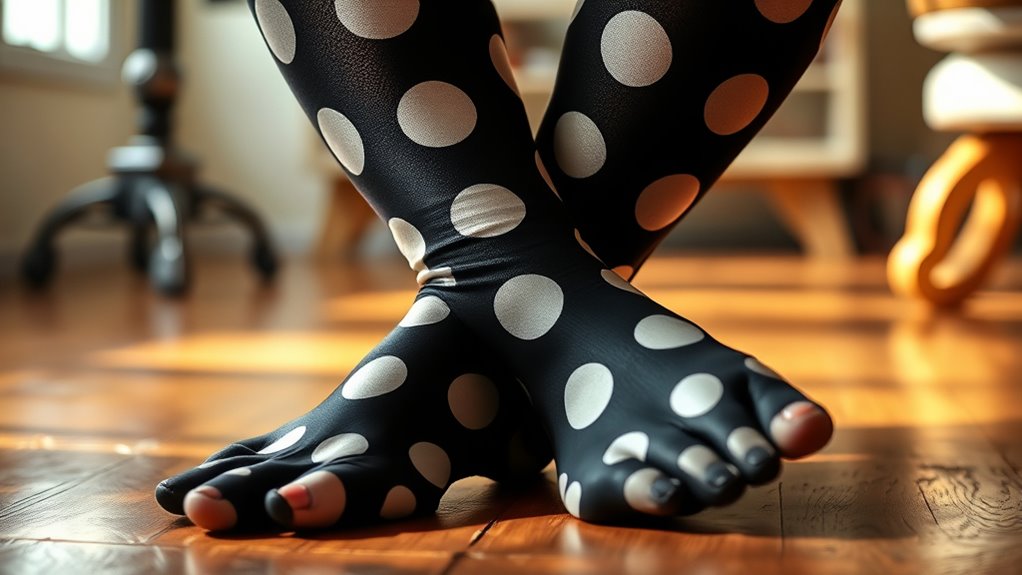
Have you ever wondered where polka dots originated and why they hold cultural significance? These playful patterns have deep roots in traditional symbolism across various cultures. In some societies, polka dots symbolize prosperity and good luck, dating back centuries. For example, in Eastern cultures, they were associated with fertility and abundance, often seen in textiles and ceremonial attire. Meanwhile, in Western traditions, polka dots became popular in fashion as a symbol of joy and whimsy, especially during the 19th and 20th centuries. Their cultural symbolism extends beyond mere decoration; they represent celebration, optimism, and a connection to tradition. Understanding this history helps explain why polka dots continue to evoke positive emotions and resonate culturally, making them more than just a pattern—they’re a symbol embedded with meaning. The cultural significance of polka dots adds to their enduring appeal.
How Our Brains Recognize and Process Patterns

Our brains are wired to detect patterns because recognizing order helps us make sense of the world quickly and efficiently. When you see a familiar pattern, your neural pathways activate, allowing your brain to process information rapidly through cognitive recognition. This process involves identifying repeating elements or arrangements, which simplifies complex scenes. Your brain constantly searches for these patterns to predict outcomes and reduce uncertainty. Additionally, understanding design elements like pattern recognition processes enhances our appreciation of visual harmony.
The Role of Nostalgia in Our Affinity for Polka Dots

Nostalgia often draws you to polka dots because they remind you of childhood and simpler times. Vintage fashion trends bring back these familiar patterns, sparking feelings of comfort and familiarity. By reconnecting with these memories, your love for polka dots remains rooted in personal history. Additionally, the popularity of animated movies that touch hearts highlights how visual patterns like polka dots can evoke emotional responses and a sense of innocence.
Childhood Memories Resurface
Why do polka dots evoke such a strong sense of childhood nostalgia? It’s because these patterns often remind you of playful, carefree times, triggering emotional responses rooted in memory. When you see polka dots, your brain may activate cognitive biases that associate the pattern with comfort and innocence. These associations are reinforced through art therapy, where repeating patterns like polka dots help reconnect you with positive childhood experiences. The visual simplicity and rhythmic nature of polka dots make them easier for your mind to recall, creating a subconscious link to earlier days. This connection fuels feelings of warmth and familiarity, making polka dots more than just a pattern—they become a gateway to cherished childhood memories.
Vintage Fashion Revival
Have you ever wondered why vintage fashion, especially polka dots, continues to captivate modern trends? It’s partly due to nostalgia, which triggers positive memories linked to past eras. Wearing polka-dot patterns can act as a form of art therapy, helping you reconnect with joyful moments and reduce stress. Our cognitive biases, like the familiarity bias, make vintage styles feel safer and more appealing than new trends. This tendency is closely related to the concept of cultural familiarity, which influences how we perceive and embrace certain styles over others. This sense of comfort fuels the vintage fashion revival, as you subconsciously seek patterns and designs that evoke warmth and familiarity. Polka dots, with their playful yet timeless appeal, tap into this psychological tendency, creating a bridge between past and present. Ultimately, your love for polka dots isn’t just about aesthetics—it’s about embracing a nostalgic connection that feels both familiar and uplifting.
Polka Dots and the Human Desire for Novelty
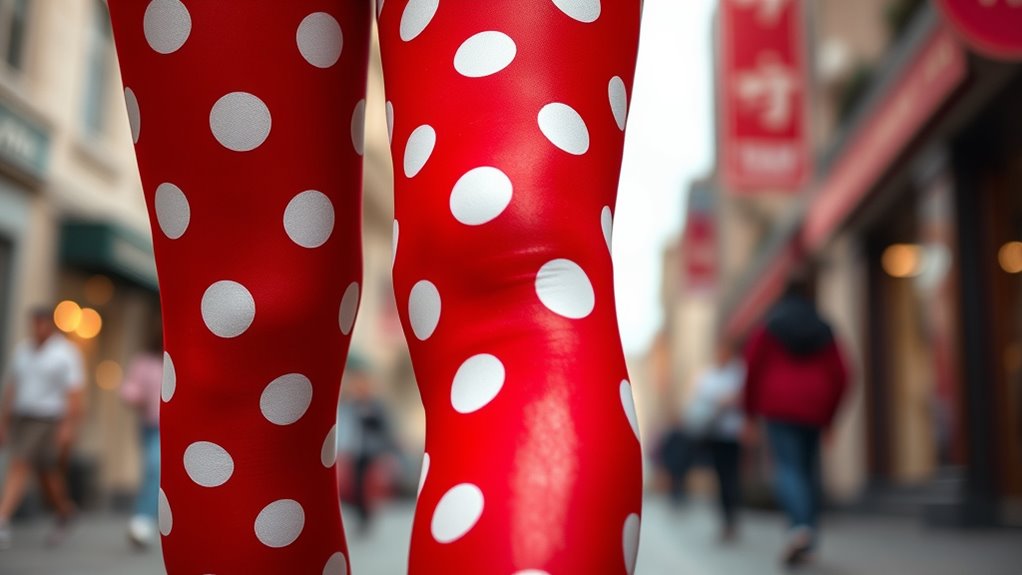
Polka dots grab your attention because they offer lively visual stimulation that excites your senses. You’re naturally drawn to patterns that stand out and allow you to express your unique style. Embracing these bold designs satisfies your craving for novelty and keeps your look fresh. Additionally, the repetition of the pattern can create a sense of harmony and balance, appealing to your innate appreciation for visual harmony and aesthetic order.
Visual Stimulation Triggers
Polka dots attract your attention precisely because they tap into your innate desire for novelty. Their bold, repetitive pattern stimulates your visual senses, triggering a quick brain response that seeks new stimuli. Color psychology plays a role here, as contrasting dots—like black and white—create striking visual effects, heightening your interest. Cultural symbolism also influences how you perceive polka dots; in some cultures, they symbolize luck, playfulness, or elegance, adding layers of meaning to their visual appeal. The combination of familiar pattern repetition with unexpected color contrasts sparks curiosity and keeps your eyes engaged. Additionally, understanding visual perception reveals how our brains are wired to respond to such stimulating patterns. By blending cultural cues and vivid visual triggers, polka dots satisfy your craving for fresh, stimulating experiences, making them irresistibly fascinating.
Embracing Unique Style
Your attraction to vibrant patterns like polka dots reflects a deeper human desire to stand out and express individuality. Embracing unique style taps into pattern recognition and color psychology, which influence how you perceive and feel about your choices. Polka dots evoke playfulness and confidence, signaling a break from the mundane. Imagine this visual:
| Bright Red Dots | Against a White Background | Symbol of Energy |
|---|---|---|
| Blue Polka Dots | On a Black Fabric | Evoking Calm |
| Yellow Spots | on Pastel Pink | Radiating Cheerfulness |
Pattern recognition allows you to identify and enjoy these designs quickly, satisfying your craving for novelty. By choosing polka dots, you celebrate your unique personality and fulfill your innate desire to stand out in a crowd. Additionally, understanding the color psychology behind these patterns can deepen your appreciation for how visual cues influence emotions and behavior.
The Psychological Appeal of Repetition and Symmetry

Repetition and symmetry have a powerful psychological pull because they create a sense of order and predictability that our brains naturally seek. This appeals to cognitive biases like the Zeigarnik effect, which favors completing patterns, and our desire for harmony. You might notice that:
- Symmetrical designs evoke feelings of balance and calm, influenced by color psychology that associates certain hues with stability.
- Repeating patterns reduce cognitive load, making visual processing easier and more satisfying.
- Familiarity with symmetrical shapes triggers positive emotional responses, reinforcing your attraction.
- The predictability of repetition appeals to your brain’s preference for structure, making polka-dot tights feel comforting and appealing.
Ultimately, these patterns tap into deep-seated psychological needs for order, harmony, and familiarity.
Polka Dots as Symbols of Playfulness and Joy

The playful appeal of polka dots extends beyond their visual symmetry to evoke feelings of joy and spontaneity. Their bright, contrasting colors often symbolize happiness, energy, and innocence through color symbolism. For instance, red dots can evoke excitement, while black and white patterns suggest classic elegance with a touch of whimsy. Cultural variations also influence their meaning; in Western cultures, polka dots are linked to fun and youthfulness, whereas in some Asian traditions, they may symbolize prosperity or good luck. Wearing polka-dot tights can instantly boost your mood and communicate a sense of playfulness. Their cheerful pattern taps into universal associations with joy, making them a favorite choice whenever you want to express lightheartedness and positivity. Additionally, the cultural symbolism of polka dots can deepen their appeal, allowing wearers to connect with positive cultural meanings.
The Impact of Fashion and Media on Pattern Preferences
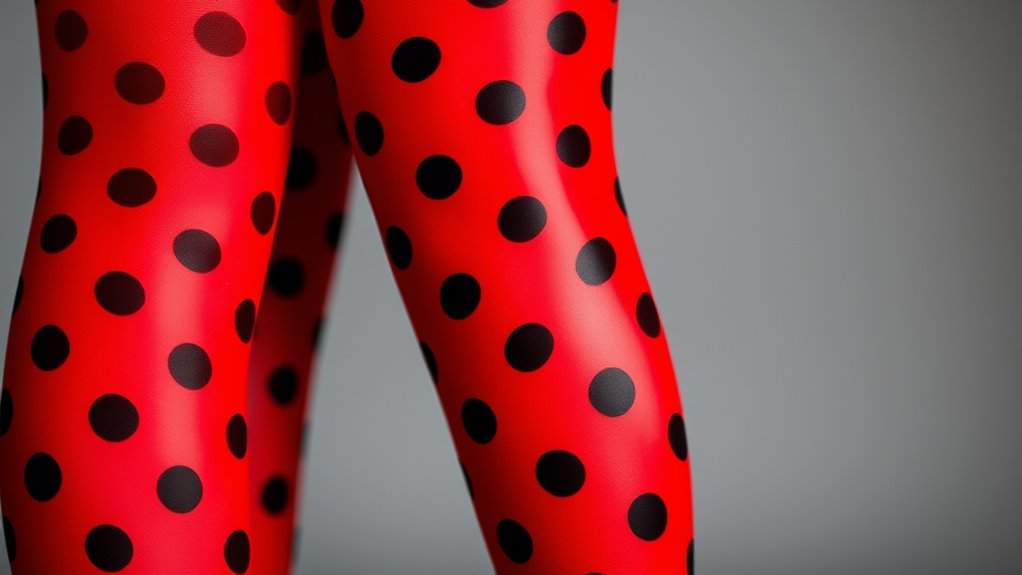
Fashion trends and media influence shape our pattern preferences more than we often realize, as they constantly showcase new styles that catch our eye and set popular standards. You’re likely drawn to certain patterns because of their color psychology or the pattern symbolism they convey. Media exposure exposes you to a variety of designs, reinforcing what’s fashionable and appealing. For example:
- Bright, bold polka dots evoke playfulness and confidence
- Subtle, muted patterns suggest sophistication and calmness
- Repeated symbols in patterns can symbolize tradition or modernity
- Color combinations influence emotional responses and perceptions
- The use of specific patterns like polka dots in media can highlight their visual appeal and cultural significance
Over time, these visual cues subtly guide your preferences, making you gravitate toward patterns that reflect your personality or desired image. Media’s role in shaping these associations is powerful, often determining what patterns become trending favorites.
Emotional Responses Elicited by Polka-Dot Designs
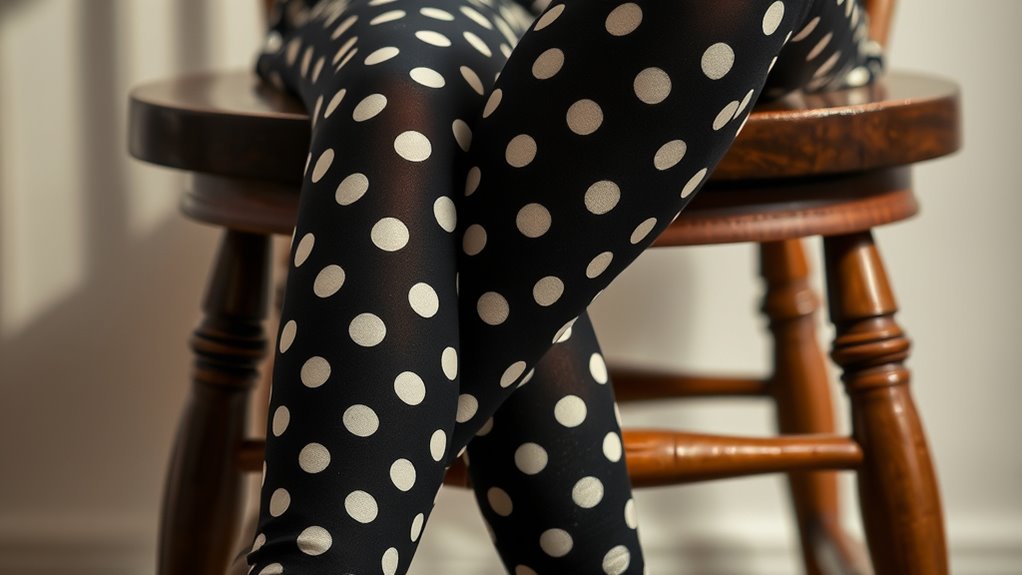
Have you ever noticed how polka-dot patterns can instantly lift your mood or make you feel more playful? This is because of the strong emotional responses they evoke through color psychology and pattern recognition. Bright, cheerful colors like red or yellow in polka-dots often trigger feelings of happiness and energy, while softer hues can bring calmness. The repetitive nature of polka-dot designs makes them easy for your brain to recognize and process quickly, creating a sense of familiarity and comfort. These patterns can also evoke nostalgia or whimsy, tapping into childhood memories or playful fantasies. Overall, polka-dots stimulate positive emotions by combining familiar patterns with emotionally charged colors, making them a powerful tool for influencing your mood and self-expression.
The Enduring Charm of Polka-Dot Tights in Personal Style

Polka-dot tights have maintained their charm over the decades because they effortlessly blend playfulness with sophistication. They serve as a versatile accessory that complements various styles, making them timeless in fashion trends. Your choice of colors in polka-dots taps into color psychology, influencing how others perceive your mood and personality. Wearing classic black-and-white dots can evoke elegance, while bold reds or blues add vibrancy and confidence. These tights allow you to express individuality without overwhelming your look. They’re perfect for injecting fun into everyday outfits or making a statement at events. Whether you prefer subtle or striking patterns, polka-dot tights keep your style fresh and engaging, proving their enduring appeal. They’re a simple way to add personality with lasting impact.
Frequently Asked Questions
How Do Polka Dots Influence Perception of Personality Traits?
Polka dots influence your perception of personality traits by acting as visual symbolism that suggests playfulness, confidence, and creativity. When you see someone wearing polka-dot tights, you might interpret their personality as lively and fun-loving. These patterns catch the eye and evoke a sense of whimsy, making it easier for you to form positive impressions. Your perception is shaped by how patterns like polka dots connect to broader ideas of personality traits.
Are Polka-Dot Patterns Associated With Specific Cultural or Historical Meanings?
You might notice that polka-dot patterns carry rich cultural nostalgia and fashion symbolism. Historically, they’ve represented playfulness, elegance, or rebellion depending on the era. In the 1950s, polka dots symbolized femininity and classic style, while today they evoke retro charm and fun. Wearing them connects you to certain cultural meanings, blending tradition with modern fashion, making polka dots a versatile symbol rooted in history and collective memory.
How Do Age and Gender Affect Preferences for Polka-Dot Designs?
Like a timeless song, your age and gender influence your love for polka-dot designs. Younger individuals often favor bold, playful patterns, reflecting innocence and curiosity. Men and women may show gender differences, with women typically embracing more vibrant, varied choices, while men prefer subtle variations. Your age preferences evolve, but the charm of polka dots remains universal, connecting generations through a shared love for pattern and personality.
Can Wearing Polka-Dot Tights Boost Confidence or Mood?
Wearing polka-dot tights can definitely boost your confidence and mood. The playful pattern adds a fun, lively touch to your outfit, making you feel more expressive and cheerful. When you choose to wear something bold like polka dots, you’re likely to experience mood enhancement and a confidence boost, as the pattern helps you embrace your individuality and stand out. It’s a simple way to lift your spirits and feel more self-assured.
What Psychological Theories Explain Our Attraction to Repetitive Patterns?
Imagine your mind as a tapestry, drawn to the harmony of repetitive designs. Psychological theories like visual pattern recognition explain your attraction; your brain finds comfort in predictable, organized stimuli. Cognitive bias also plays a role, making you favor familiar patterns over chaos. This natural tendency helps us process the world efficiently, creating a sense of balance and pleasure whenever we encounter familiar, repetitive patterns like polka-dot tights.
Conclusion
So, next time you slip into polka-dot tights, ask yourself—what’s really behind that joyful sparkle in your eye? It’s more than just a pattern; it’s a reflection of your desire for connection, novelty, and playfulness. These timeless dots weave a story of culture, emotion, and personal expression. Isn’t it amazing how a simple pattern can brighten your day and make your style uniquely yours?