
TL;DR

Get your wardrobe favorites delivered free with Prime
- Fast, free delivery on millions of items
- Prime Video, Amazon Music and more included
- Member-only deals all year
Who What Wear published an editor’s list of five wardrobe staples she plans to buy less of in 2027, with alternatives including micro-V tees, minimalist flats and flare jeans. The recommendations are personal fashion judgments, not evidence that the listed staples are going out of style across the industry.
Who What Wear has published a fashion editor’s list of five wardrobe staples she plans to buy less of in 2027, recommending micro-V tees, minimalist flats, boatneck tops, flare jeans and fur-trim coats as alternatives. The piece presents one writer’s style forecast and shopping choices, not a confirmed industry-wide shift or a requirement to replace existing clothes.
The writer says she reached her basics while clearing out parts of her apartment and decided to direct future shopping spending toward pieces that feel newer to her. She stresses that readers do not need to discard everything: she is keeping crewneck tees and black heels, while pausing on buying more of them. Her approach is to refresh purchases rather than treat current staples as unusable.
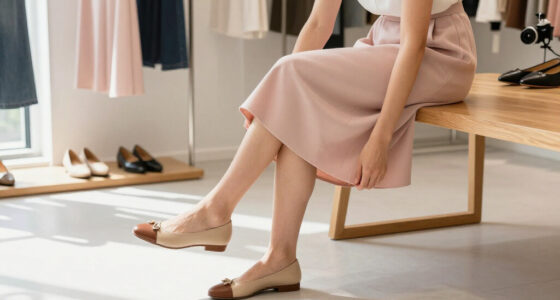
The five proposed swaps are deep V tees for micro-V tees, black heels for minimalist flats on evening outings, crewneck tees for boatneck tops, barrel-leg jeans for flare jeans, and teddy coats for coats with fur trim. The writer says the higher neckline feels more current to her, while boatnecks offer a different neckline and flares provide contrast with the curved shape of barrel-leg denim.
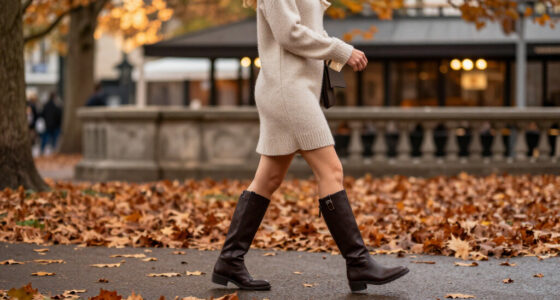
For outerwear, the report frames a fur-trim coat as a dressier option for cold-weather dinners and parties, while acknowledging that the writer’s teddy coat has served her well. It names products from retailers including Zara, Gap, J.Crew, MANGO, Madewell and Abercrombie as shopping examples. Those listings illustrate the recommendations; they do not establish that any item is selling especially well or that retailers have announced a broad change in what they offer.
How the Suggested Swaps Change a Wardrobe
The list matters mainly as a practical shopping guide for readers who want to update a few outfits without replacing a whole wardrobe. Each suggestion changes one recognizable detail: neckline, shoe shape, denim silhouette or coat finish. A shopper could test that change with one item and continue wearing existing pieces that remain comfortable and useful.
The article also distinguishes between a trend feeling familiar and a garment becoming obsolete. The writer describes the five staples as pieces she has seen widely and wants a break from, but says she is not giving them up altogether. That framing makes the advice a matter of personal preference and budget priorities, rather than a verdict on what readers should wear.
There is no claim in the report that the recommendations will suit every person, occasion or climate. A flat may be a comfortable alternative to a heel for some evening plans, while others may prefer heels; a flare or boatneck may fit one person’s style better than another’s. The useful takeaway is the option to change a single element, not a universal dress code for 2027.
Popular right now

KitchenAid Artisan 5-Quart Tilt-Head Stand Mixer, Almond Cream

Breville Barista Express Espresso Machine with Built-In Grinder, Brushed Stainless Steel

Vitamix Propel Series 510 Blender, 3 Programs, Slate
As an affiliate, we earn on qualifying purchases.
A Personal Edit of Familiar Basics
The report is written from the perspective of an editor reviewing her own wardrobe after a series of home cleanouts. She says the pieces she is reconsidering are not defective; rather, they have become familiar through repeated wear and exposure. Her proposed changes reflect what she wants to wear next, not a measured account of fashion sales or a survey of designers and shoppers.
Several recommendations are explicitly framed as additions to an existing closet. The writer says she will keep her crewnecks, black heels and teddy coat, and describes barrel-leg jeans as still fun. The stated change is to buy fewer repeats and use some shopping money for alternatives. This context is central: the headline’s use of “dated” does not mean the article reports that these items have gone out of fashion for everyone.
The story provides retailer examples for each alternative, but gives no sales figures, polling, runway analysis or timetable for when the suggested looks might peak. Its evidence is the writer’s observation of street style and fashion events, along with her own preferences. Readers should treat the list as an editorial forecast rather than a verified trend report.
““Don’t panic, you don’t need to get rid of everything.””
— Who What Wear report author
No Industry-Wide Trend Data Provided
The report does not establish that the five staples will look dated to most shoppers in 2027. It offers no survey, sales data or broader industry evidence to measure how widely these preferences are shared. Its observations about street style and fashion events are the author’s account, and the piece does not identify a formal forecast or a consensus among designers.
It is also unclear how long the suggested alternatives will feel current, how their popularity may vary by region or season, or whether the listed products will remain available. The recommendations do not account for every reader’s budget, comfort needs, climate or personal taste. The source supplies example products but does not compare their quality, prices or fit across brands.
Readers Can Test One Swap
The article does not announce a follow-up date or a next industry milestone. Its practical next step for readers is to decide whether any of the alternatives suit their own wardrobes, then try one change before buying multiple new pieces. Existing staples can remain in rotation if they work for the wearer.
Any broader judgment about whether these items become less common in 2027 would require evidence beyond this personal edit, such as later retail data, designer collections or reporting that compares trends over time. Until then, the list is best read as a single editor’s style outlook, with the outcome still open.
Key Questions
Does the report say these five staples are out of fashion?
No. It reports one writer’s view that she wants to buy fewer of them in 2027. It does not establish that they are out of fashion for everyone.
What alternatives does the writer suggest?
The suggested pairs are micro-V tees for deep V tees, minimalist flats for black heels, boatneck tops for crewneck tees, flare jeans for barrel-leg jeans, and fur-trim coats for teddy coats.
Should readers clear these items out of their wardrobes?
No. The writer says she is keeping some of her own staples and is mainly pausing on buying more. The piece presents the swaps as options, not instructions to discard clothes.
Is the 2027 forecast backed by sales or survey data?
The source does not provide sales figures, survey results or broad industry research. Its recommendations reflect the author’s observations and personal preferences.
Source: whowhatwear.com