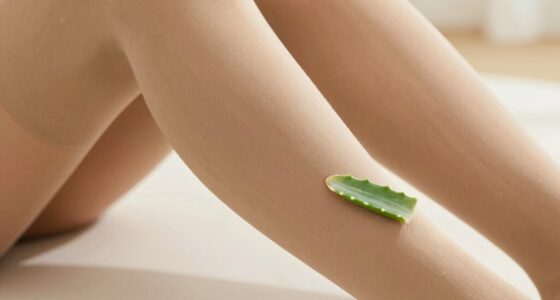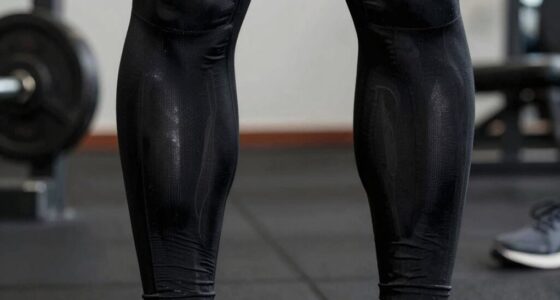
Many people overlook how tight tights can harm your skin and circulation. Wearing non-breathable fabrics or overly tight styles traps sweat, dirt, and bacteria against your skin, increasing irritation, rashes, and even dermatitis. They can also restrict blood flow, causing numbness, tingling, and heaviness. Choosing breathable, properly fitted tights and taking breaks are essential. Stay aware of these common issues, and if you continue exploring, you’ll find ways to keep tights comfortable and safe.
Key Takeaways
- Wearing tight, non-breathable tights can trap sweat and bacteria, increasing the risk of skin irritation and rashes.
- Proper sizing and breathable fabrics are essential to prevent circulation issues and skin discomfort.
- Prolonged wear without breaks raises the risk of fungal infections and skin problems.
- Regularly washing tights after each use helps maintain hygiene and reduce bacterial buildup.
- Choosing comfortable, well-fitting tights supports skin health and reduces the likelihood of dermatitis.
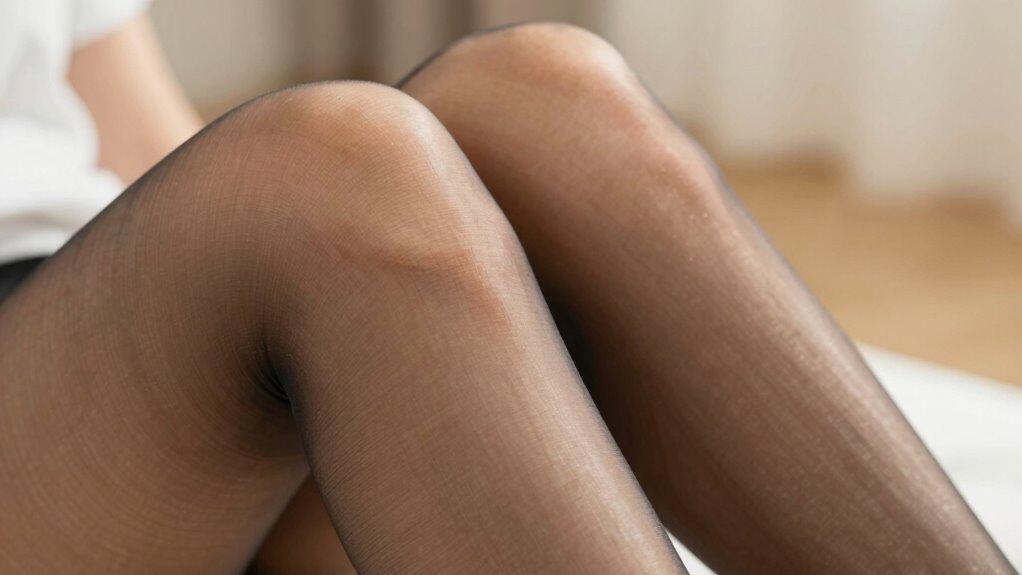
Wearing tights might seem like a simple fashion choice, but dermatologists want you to know there are important skin health considerations to keep in mind. While tights can enhance your look and keep you warm, they also pose potential risks, especially if worn improperly or for extended periods. One of the biggest concerns is skin irritation. Tight fabrics, especially if made from non-breathable materials, can trap sweat, dirt, and bacteria against your skin. This creates the perfect environment for irritation, chafing, and even rashes. If your tights are too tight or made from rough materials, you might notice redness, itching, or discomfort after wearing them. Over time, repeated irritation can lead to more serious skin issues, like dermatitis.
Tight, non-breathable tights can cause skin irritation, rashes, and discomfort over time.
Another critical issue dermatologists warn about is circulation problems. When tights are excessively tight, they can restrict blood flow, especially around your waist, hips, and legs. This restriction might not be immediately noticeable, but over hours of wear, it can cause numbness, tingling, or a feeling of heaviness in your legs. Poor circulation can also lead to swelling and, in some cases, exacerbate underlying vascular conditions. If you notice your skin turning pale, bluish, or you experience persistent discomfort, it’s a sign that your tights are impeding proper blood flow. Wearing excessively tight tights regularly can contribute to more serious circulation issues over time, so it’s vital to choose the right fit. Additionally, choosing tights made from breathable fabrics can significantly reduce these risks. Using proper sizing techniques when selecting tights can also help prevent these problems. Being aware of the material composition can help you select options that promote better skin health and comfort. Incorporating skin-friendly fabrics into your wardrobe choices can further help in reducing irritation and promoting overall skin wellness.
Another point to think about is how long you wear tights. Prolonged wear, especially without breaks or proper hygiene, increases the risk of skin issues. Moisture and heat trapped beneath the fabric create an environment conducive to fungal infections, like athlete’s foot or yeast infections. To minimize these risks, you should opt for tights made from breathable, moisture-wicking fabrics and avoid wearing them for extended periods without removing them to let your skin breathe. It’s also helpful to wash your tights thoroughly after each wear to reduce bacteria buildup and skin irritation. Moreover, paying attention to hygiene practices can further help prevent skin problems associated with tights. Ultimately, if you want to enjoy wearing tights without compromising your skin health, pay attention to fit, fabric, and duration of wear. Look for tights that aren’t overly tight and are made from breathable materials. Take breaks from wearing them throughout the day and ensure you wash them regularly. By doing so, you’ll help prevent skin irritation and circulation issues, keeping your skin healthy while still enjoying your favorite fashion staples.
Frequently Asked Questions
Can Wearing Tights Cause Long-Term Skin Damage?
Wearing tights can cause long-term skin damage if you don’t take care of your skin. Tight-fitting hosiery may lead to skin irritation and restrict circulation, especially if worn for extended periods or if the tights are too tight. Over time, this can cause discomfort, redness, or even more serious issues like nerve damage. To prevent this, choose properly fitting tights, avoid prolonged wear, and keep your skin clean and moisturized.
Are There Specific Fabrics Better for Sensitive Skin?
Did you know that up to 20% of people with fabric allergies react to certain fibers? For sensitive skin, choose tights made from breathable materials like cotton, bamboo, or moisture-wicking blends. These fabrics reduce irritation by allowing air circulation and minimizing sweat buildup. Avoid synthetic fibers like polyester or nylon, which can trap moisture and worsen skin sensitivity. Opting for natural, breathable fabrics helps keep your skin comfortable and healthy.
How Often Should I Wash My Tights to Prevent Irritation?
You should wash your tights after every 1 to 2 wears to prevent irritation, especially if you’re following current fashion trends that often involve tight-fitting styles. Comfort considerations are key, so avoid wearing unwashed tights that can trap bacteria and irritate sensitive skin. Use gentle, fragrance-free detergent, and opt for cold water to keep fabrics in good condition. Regular washing helps maintain hygiene and keeps your skin comfortable.
Do Tights Influence Skin Pigmentation or Discoloration?
Tights can influence skin pigmentation or discoloration, especially if they cause color transfer from dyes or fabrics. If you wear tight, non-breathable materials, you might experience skin irritation, leading to discoloration or dark spots over time. To prevent this, choose high-quality, breathable tights and wash them regularly. Avoid tight-fitting styles that trap sweat, which can worsen irritation and contribute to uneven skin tone.
Can Tight-Fitting Tights Worsen Existing Skin Conditions?
Yes, tight-fitting tights can worsen existing skin conditions. Tight compression limits airflow and traps moisture, creating an ideal environment for bacterial growth, which can aggravate issues like dermatitis or fungal infections. If you have sensitive or compromised skin, wearing overly tight tights may increase irritation or inflammation. Always choose well-fitting tights made from breathable fabrics and avoid tight compression to help protect your skin and prevent worsening conditions.
Conclusion
Remember, choosing the right tights isn’t just about style—it’s about skin health too. Imagine a woman named Sarah, who always wore tight, synthetic tights without realizing the risks. Over time, she developed persistent irritation and redness. If she’d known to opt for breathable, natural fibers and take breaks, she could’ve avoided discomfort and skin issues. So, next time you slip into tights, prioritize comfort and skin care—your skin will thank you.