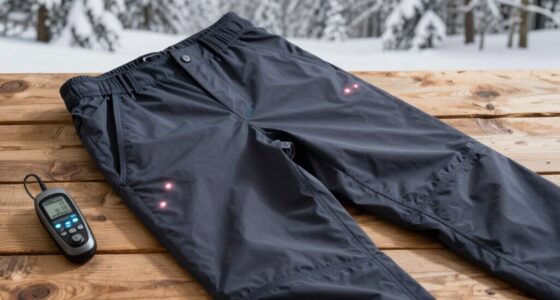
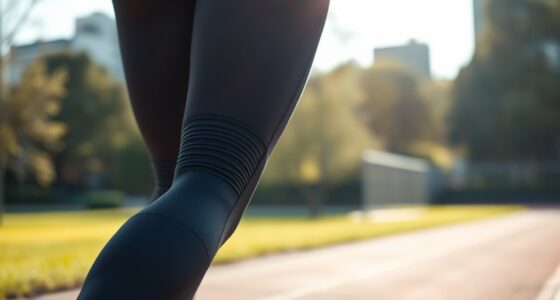
To prevent thigh chafing, choose lightweight, moisture-wicking shorts or tights with flat seams and smooth fabrics that reduce friction. Shorts offer more breathability and coverage, ideal for hot environments, while tights provide extra support and warmth. Look for breathable, quick-drying materials like nylon or polyester, and consider longer inseams to keep thighs separated. If you want to discover more tips tailored to your activity and climate, keep exploring your options.
Key Takeaways
- Choose moisture-wicking, breathable fabrics like nylon or polyester to reduce skin irritation and keep thighs dry.
- Opt for longer inseams or snug-fit tights to provide full thigh coverage and minimize skin contact.
- Use flat-seam or seamless tights and shorts to prevent chafing from rough seams and rubbing.
- Apply anti-friction balms or creams before activity to create a protective barrier against chafing.
- Consider climate and activity level: lightweight tights for hot weather; insulated shorts or tights for cooler conditions.
Comparing Breathability and Comfort

When choosing anti-chafing shorts, breathability and comfort are key factors that can make or break your experience. You want fabrics that wick moisture away quickly, keeping your thighs dry and cool. Look for lightweight, smooth materials that reduce friction and prevent skin irritation. Breathable fabrics like mesh or those with mesh panels allow airflow, helping regulate temperature even during intense activity. Soft, stretchy textiles conform to your body without feeling restrictive, providing all-day comfort. Flat seams and tagless designs prevent chafing from rubbing or irritation. A snug but not tight fit ensures your shorts stay in place without digging into your skin. Additionally, incorporating performance-enhancing features can further improve your comfort and reduce chafing risks during active wear. The use of advanced moisture-wicking technologies in athletic apparel is also trending, offering improved dryness and comfort. Exploring fabric technology innovations can help you find options that maximize breathability and comfort. For example, some brands now incorporate anti-odor treatments that keep you feeling fresh longer, which is especially beneficial during extended activities. Overall, prioritizing breathability and comfort ensures your shorts support your activity while minimizing discomfort and chafing risks.
Coverage and Friction Reduction

Coverage and Friction Reduction
Achieving effective coverage and minimizing friction requires selecting shorts that provide ample thigh coverage without sacrificing movement comfort. Look for styles with longer inseams or snug fit to prevent skin-on-skin contact. Fabrics should be smooth, moisture-wicking, and stretchy to reduce chafing and allow freedom of movement. Flat or seamless construction minimizes skin irritation. Incorporating proper fabric care can also help maintain the qualities that prevent chafing and extend the lifespan of your shorts. Choosing materials with breathability and moisture management properties can further enhance comfort and chafing prevention. Additionally, selecting technologically advanced fabrics designed specifically for athletic wear can offer extra protection against chafing during active use. Considering fit and compression levels can also significantly influence how well your shorts prevent chafing during prolonged wear. Moreover, selecting fabrics with moisture-wicking technology can help keep your skin dry and reduce discomfort caused by sweat.
Suitability for Different Activities and Climates

Choosing the right anti-chafing shorts depends heavily on your activity and climate. If you’re running or cycling in hot, humid weather, opt for lightweight, moisture-wicking shorts that keep you cool and dry. Longer inseams provide extra coverage and reduce skin contact in high-friction zones. For outdoor activities like hiking or casual walks, breathable fabrics with light compression help prevent chafing without restricting movement. In cooler climates, consider thicker, insulating shorts or tights that provide warmth while still reducing friction. High-rise or wide waistbands can add comfort and support during high-impact workouts. Remember, breathable, quick-drying materials are essential for active pursuits, while moisture management and insulation are key for varying weather conditions. Matching your best airless paint sprayer to your activity and climate can also ensure optimal comfort and performance in outdoor pursuits. Additionally, understanding your body’s responses and selecting personalized clothing solutions can significantly enhance comfort and prevent chafing issues, especially when choosing materials with moisture-wicking properties.
Material Choices and Moisture Management
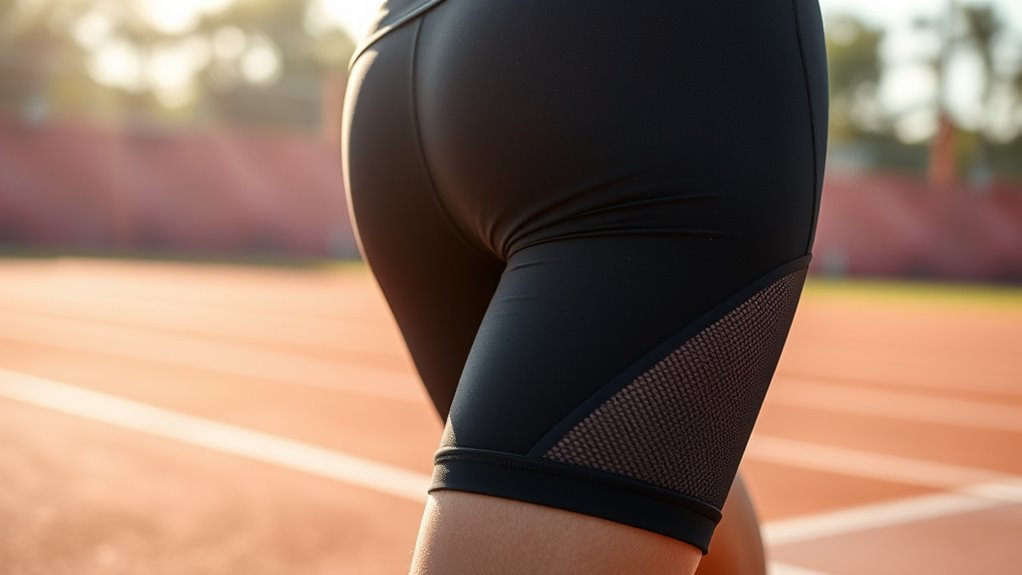
Selecting shorts with the right material can make a significant difference in preventing thigh chafing. The key is choosing fabrics that wick moisture, stay dry, and reduce friction. Here are three essential features to look for:
- Moisture-wicking fabrics – Materials like nylon, polyester, or specialized synthetics pull sweat away from your skin, keeping your thighs dry and comfortable during activity. Incorporating moisture management features can further improve performance and prevent discomfort. Choosing fabrics with quick-drying properties can help you stay comfortable even during intense workouts.
- Breathable textiles – Fabrics that promote airflow help regulate temperature, prevent heat rash, and reduce bacterial buildup. Incorporating breathability features into your shorts can enhance overall comfort.
- Lightweight, silky textures – Ultra-thin, smooth textiles minimize bulk and friction, making your shorts less likely to cause chafing or irritation. Using lightweight fabrics can contribute to a more comfortable fit.
- Incorporating high-performance fibers into your shorts can further enhance moisture management and overall comfort during extended wear.
Prioritize these qualities to stay dry, cool, and comfortable, especially during strenuous activities or hot weather.
Additional Tips for Preventing Thigh Chafing

To further prevent thigh chafing, you can apply chafing balms or anti-friction creams to high-friction areas before putting on your shorts. These products create a protective barrier that reduces skin-on-skin contact and minimizes rubbing during movement. Choose a balm or cream that’s long-lasting and suited for active wear. Additionally, avoid rough fabrics and thick seams that can cause irritation; opt for shorts with flat, smooth seams instead. Wearing moisture-wicking underwear or choosing tagless, cotton-lined shorts can also prevent chafing by reducing friction and irritation. Consider the length of your shorts: longer inseams help keep thighs separated, decreasing skin contact. Combining these tips with proper fit and fabric choices maximizes comfort and keeps chafing at bay.
Frequently Asked Questions
Can Anti-Chafing Shorts Be Worn Without Underwear for Extra Comfort?
Yes, anti-chafing shorts can be worn without underwear for extra comfort. Many are designed with seamless, tagless, or cotton-lined interiors that prevent irritation and chafing directly on your skin. Going commando can reduce bunching and friction caused by underwear seams, making the experience more comfortable. Just make certain the shorts fit well and are made from moisture-wicking, breathable fabrics to keep you dry and prevent chafing during activity.
How Do I Choose the Right Length of Anti-Chafing Shorts?
Think of your ideal length as the bridge between comfort and protection. Longer shorts, with their extended reach, act like a fortress, shielding your skin from friction and skin-on-skin contact. Shorter styles offer agility, like a swift stream, perfect for active moments. Choose a length that aligns with your activity and clothing, ensuring the fabric stays in place without bunching or riding up, so you stay comfortable and chafe-free.
Are Tights or Shorts Better for Sensitive Skin?
Tights are generally better for sensitive skin because they provide full coverage, reducing friction and skin contact. They often have seamless designs and moisture-wicking fabrics that minimize irritation. Shorts with anti-chafing features can also work well, especially if they have flat seams and breathable materials. However, if your skin is particularly sensitive, tights offer a smoother, less abrasive layer, helping prevent chafing and irritation during activity.
Do Compression Tights Help or Worsen Thigh Chafing?
Compression tights might seem like a great idea, but they usually worsen thigh chafing. You’d think the snug fit would prevent friction, right? Instead, they often trap sweat and create friction between skin and fabric. Plus, their tightness can cause irritation and leave marks. If you want to prevent chafing, opt for breathable, moisture-wicking shorts with flat seams—less constriction, less irritation, and more comfort.
Can Wearing Anti-Chafing Shorts Prevent Heat Rash?
Yes, wearing anti-chafing shorts can help prevent heat rash. These shorts wick moisture away from your skin, keeping your thighs dry and cool, which reduces heat buildup and bacterial growth that cause rashes. Look for breathable, lightweight fabrics with moisture-wicking properties, and choose longer inseam styles to minimize skin contact. Proper fit and seamless construction also prevent irritation, making anti-chafing shorts an effective way to stay comfortable and rash-free during activity.
Conclusion
Choosing between tights and shorts to prevent thigh chafing depends on your activity, climate, and comfort needs. Both options can be game-changers, but the key lies in selecting breathable, moisture-wicking materials that keep you dry and friction-free. Remember, the right gear can turn an uncomfortable chore into a breeze — almost like summoning a chafing-free utopia. So, pick what suits you best, and stride confidently without a second thought!