If your hosiery fits poorly, you may experience skin irritation like redness, soreness, or blisters from tight or loose fabric. Bunching and chafing can also cause discomfort and irritation, especially in sensitive areas. Tight hosiery can lead to indentations and restrict blood flow, while loose ones may cause chafing and skin friction. Proper sizing is key to avoiding these issues, and learning more can help you find the right fit for healthier skin.

Get your wardrobe favorites delivered free — and shop member deals
- Fast, free delivery on millions of items
- Access to Prime Big Deal Days deals on October 6–7
- Prime Video, Amazon Music and more included
Key Takeaways
- Tight hosiery can cause skin irritation, redness, soreness, and blisters due to restricted blood flow and friction.
- Loose hosiery may lead to chafing, bunching, and uneven pressure, resulting in skin discomfort and irritation.
- Poorly fitting hosiery traps heat and moisture, increasing the risk of rashes and fungal infections.
- Improper fit creates skin indentations and pressure marks, which can damage the skin over time.
- Ill-fitting hosiery often causes chafing and soreness from friction at pressure points and sensitive areas.
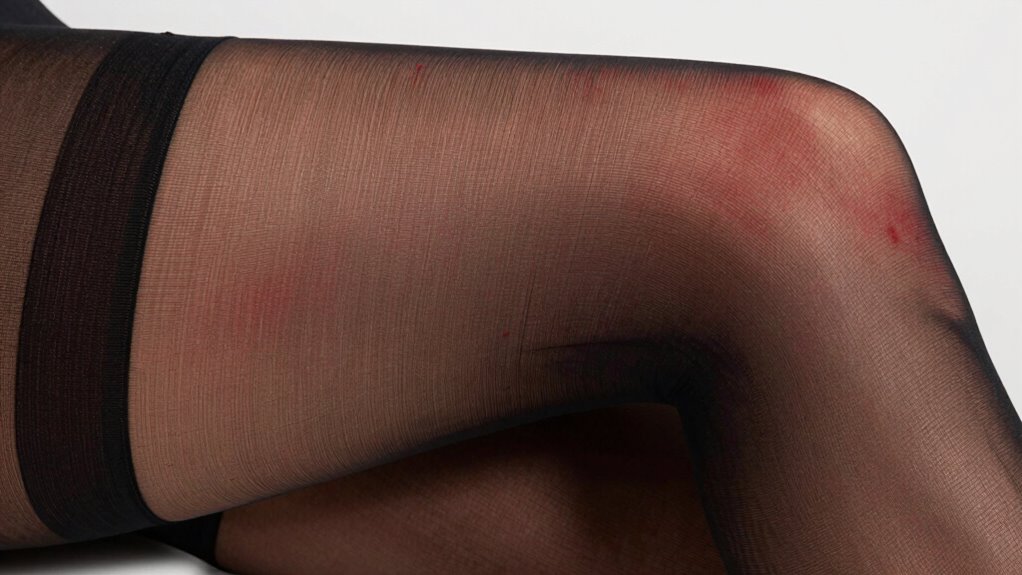
Wearing hosiery that doesn’t fit properly can lead to a range of skin problems, from irritation to more serious conditions. When your hosiery material is too tight or too loose, it often results in discomfort and skin issues that can become quite troublesome. The key to avoiding these problems starts with understanding how hosiery material and customer sizing feedback influence fit. Different hosiery materials, such as nylon, spandex, or cotton blends, stretch and breathe differently. If you choose the wrong material for your skin type or climate, you might find yourself dealing with unnecessary irritation or sweating. For example, synthetic fibers like nylon and polyester tend to trap heat and moisture, which can cause chafing, rashes, or fungal infections if they’re too tight or if your skin isn’t able to breathe.
Customer sizing feedback plays a vital role in guaranteeing that you select the right size and fit. When manufacturers listen to customer feedback about sizing, they can improve their charts and product designs, making it easier for you to choose hosiery that matches your body shape accurately. Without proper sizing guidance, you might end up with hosiery that’s too tight around your calves or waist, leading to skin indentations, restricted blood flow, and discomfort. Conversely, hosiery that’s too loose can bunch up, causing chafing and uneven pressure points that irritate your skin over time. It’s essential to pay attention to sizing charts and reviews to find hosiery that fits snugly yet comfortably, without pinching or slipping. Additionally, incorporating proper sizing information into product descriptions can significantly reduce the risk of ill-fitting hosiery. Properly designed size charts and helpful customer reviews can provide valuable guidance, reducing the likelihood of choosing an ill-fitting product. Understanding the importance of accurate measurements ensures a better fit and helps prevent common skin complaints associated with poor fit. Being aware of body shape variations can further assist in selecting hosiery that accommodates different contours comfortably. Recognizing that body diversity influences fit can help consumers find more personalized and comfortable options.
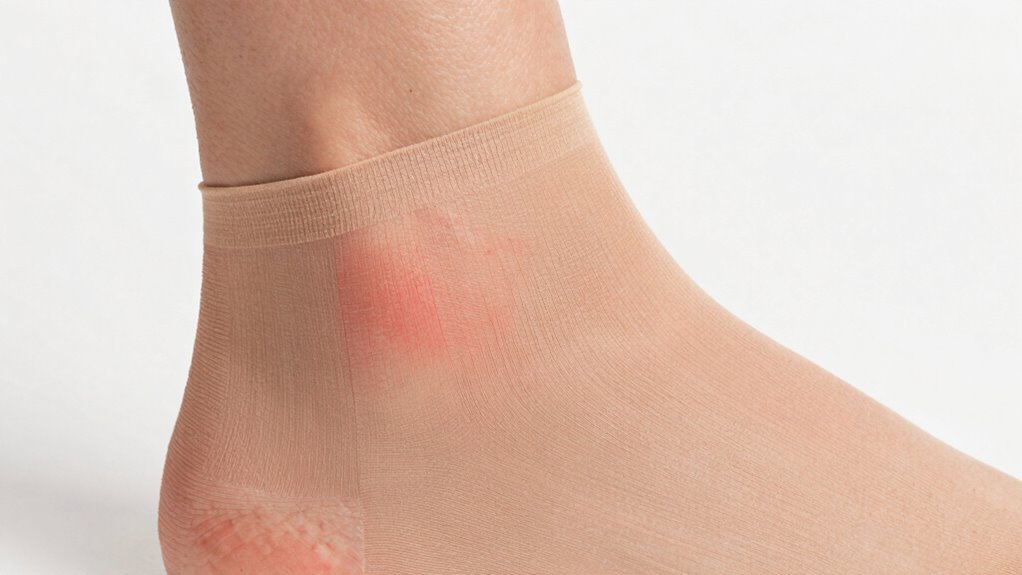
Poor fit also increases the risk of skin irritation because it creates friction and pressure on sensitive areas. When hosiery is too tight, it can cause red spots, soreness, or even blisters, especially if worn for extended periods. On the other hand, if it’s too loose, it may rub against your skin repeatedly, leading to chafing and irritation. The right fit, guided by accurate sizing information and proper choice of hosiery material, minimizes these risks. Remember, your skin responds to pressure and friction, so selecting hosiery that aligns with your body measurements is essential for comfort and skin health. Taking the time to read product details, customer feedback, and sizing guides guarantees you pick hosiery that supports your skin’s well-being, rather than compromising it.
women's properly fitting hosiery
As an affiliate, we earn on qualifying purchases.
As an affiliate, we earn on qualifying purchases.
Frequently Asked Questions
How Can I Determine if My Hosiery Fits Properly?
To determine if your hosiery fits properly, check your hosiery size against the sizing chart provided by the manufacturer. It should feel snug but not tight, with no pinching or sagging. Make fit adjustments by trying different styles or brands if necessary. You should be able to move comfortably, and seams should lie flat without causing marks or irritation. Proper fit guarantees comfort and helps prevent skin issues.
Are There Specific Materials Less Likely to Cause Skin Issues?
Think of your skin as a delicate garden needing gentle care. Natural fabrics like cotton or silk are softer and breathe better, making them less likely to cause irritation. Synthetic fibers, on the other hand, can trap moisture and heat, leading to discomfort. If you want skin-friendly hosiery, choose natural fabrics that allow your skin to breathe freely, reducing the risk of rashes and irritation, and keeping your skin happy and healthy.
Can Proper Skincare Prevent Hosiery-Related Skin Complaints?
Yes, proper skincare can help prevent hosiery-related skin complaints. You should focus on maintaining good hosiery hygiene by washing your legs regularly and choosing the right fit to avoid irritation. Strengthening your skin barrier through moisturizing helps protect against chafing and allergic reactions. When your skin is healthy, it’s less likely to react negatively to hosiery, reducing discomfort and skin issues caused by poor-fit or low-quality materials.
What Are Signs of an Allergic Reaction to Hosiery?
You might notice redness, itching, or swelling where your skin contacts the hosiery, which are signs of an allergic reaction. Remarkably, about 10-15% of people develop contact dermatitis from certain fabrics or dyes. To confirm, consider patch testing with a dermatologist. If you see blisters or severe irritation, remove the hosiery immediately and seek medical advice to prevent further reactions.
How Often Should I Replace My Hosiery to Avoid Skin Problems?
You should replace your hosiery every 3 to 6 months to maintain fashion trends and guarantee hosiery longevity. Regularly changing worn-out pairs prevents skin irritation, chafing, and infections caused by fabric breakdown or accumulated dirt. Even if they look fine, replacing hosiery on this schedule keeps your skin healthy and prevents common complaints linked to poor fit. Staying proactive with replacements helps you enjoy stylish, comfortable hosiery without risking skin problems.
compression hosiery for skin comfort
As an affiliate, we earn on qualifying purchases.
As an affiliate, we earn on qualifying purchases.
Conclusion
Wearing poorly fitting hosiery can lead to discomfort, irritation, and skin problems. It can cause chafing, restrict circulation, and leave you vulnerable to infections. It can ruin your day, affect your confidence, and compromise your health. So, choose the right fit, prioritize comfort, and pay attention to your skin’s signals. Because when your hosiery fits well, your skin remains healthy, your confidence stays high, and your day stays smooth.
seamless tights for sensitive skin
As an affiliate, we earn on qualifying purchases.
As an affiliate, we earn on qualifying purchases.
As an affiliate, we earn on qualifying purchases.
Halloween Picks
halloween
As an affiliate, we earn on qualifying purchases.