To care for eczema and choose tights suitable for super sensitive skin, opt for natural fabrics like organic cotton or bamboo that are soft, breathable, and gentle. Avoid synthetic dyes, fragrances, and harsh chemicals, and choose seamless, tag-free designs to reduce irritation. Proper washing with gentle, fragrance-free detergents and air drying help maintain fabric softness. For more tips on selecting eczema-friendly tights and caring for sensitive skin, keep exploring the best options tailored just for you.
Key Takeaways
- Choose tights made from natural, breathable fibers like organic cotton or bamboo to minimize irritation.
- Opt for seamless, tag-free designs with hypoallergenic elastic to prevent chafing and skin flare-ups.
- Use gentle, fragrance-free detergents and wash in cold water to preserve fabric softness and elasticity.
- Select brands with certifications like OEKO-TEX Standard 100, ensuring chemical-free and skin-safe products.
- Layer with soft, natural fabrics and avoid tight or bulky clothing to reduce friction and skin irritation.
Understanding the Needs of Sensitive Skin
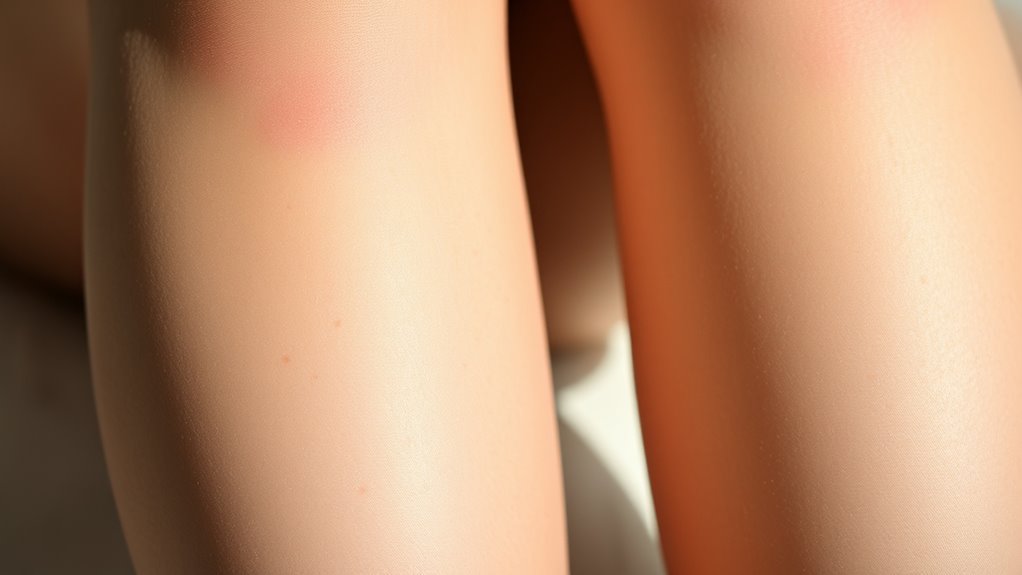
Since sensitive skin reacts more easily to irritants, understanding its unique needs is essential for effective eczema care. Chemical irritants in soaps, detergents, and skincare products can trigger flare-ups or worsen symptoms. To minimize this, choose gentle, fragrance-free products that don’t upset your skin’s natural defenses. Maintaining the pH balance of your skin is also vital; your skin’s natural pH is slightly acidic, around 4.5 to 5.5. Products that are too alkaline can strip away protective oils, increasing irritation. Look for skincare formulated to support and preserve your skin’s pH balance. By avoiding harsh chemicals and prioritizing products that respect your skin’s natural acidity, you help reduce inflammation and create a healthier environment for your sensitive skin to heal. Additionally, selecting appropriate fabric types like soft, breathable tights can help reduce irritation and promote comfort for sensitive skin.
Fabric Choices for Eczema-Friendly Tights

Choosing the right fabric for your tights can make a significant difference in managing eczema symptoms. Look for natural fibers like organic cotton or bamboo, which are gentle and breathable. Avoid tights with harsh fabric dyeing processes, as synthetic dyes can irritate sensitive skin. Instead, opt for tights that use minimal or eco-friendly dyeing methods to reduce chemical exposure. Pay attention to elastic content; tights with soft, hypoallergenic elastic provide support without causing friction or irritation. Avoid tight or stiff elastic bands, as they can worsen eczema flare-ups. Choosing fabrics with low elastic content or seamless designs helps prevent chafing. Overall, prioritize natural, minimally processed materials and gentle elastic to keep your skin comfortable and protected. Additionally, selecting hypoallergenic fabrics can further minimize the risk of allergic reactions and skin irritation, promoting healthier skin.
Features to Look for in Gentle Tights

When choosing gentle tights for eczema-prone skin, look for soft, breathable fabrics that keep your skin comfortable all day. Opt for seamless and tag-free designs to prevent irritation and chafing. These features help you stay comfortable while caring for sensitive skin. Incorporating patterns and textures that reduce friction can further enhance comfort and skin health.
Soft, Breathable Fabrics
Opt for tights made from soft, breathable fabrics to keep your skin comfortable and reduce irritation. Look for materials that allow airflow, preventing excess moisture buildup that can aggravate eczema. When choosing, consider these key features:
- Fabric durability – ensures the tights withstand regular wear without losing their softness or shape.
- Color fastness – prevents fading or bleeding, maintaining a clean look even after multiple washes.
- Breathability – promotes ventilation, reducing sweating and irritation.
- Gentle fibers – such as cotton or bamboo, which are less likely to cause allergic reactions or skin sensitivities.
- Incorporate automation technologies in manufacturing processes to produce consistent quality and maintain fabric integrity.
Prioritizing these qualities helps you find tights that are gentle on sensitive skin, durable for everyday use, and maintain their appearance through repeated washing.
Seamless, Tag-Free Design
Seamless, tag-free design is essential for minimizing skin irritation and discomfort, especially for sensitive skin prone to eczema. A seamless design eliminates bulky seams that can rub against your skin, reducing the risk of chafing and irritation. Look for tights with a smooth, uninterrupted surface that provides tag free comfort, so nothing pokes or scratches your delicate skin. This feature helps create a gentle layer that moves with you, preventing friction that can trigger flare-ups. When choosing tights for eczema-prone skin, prioritize seamless construction to ensure maximum comfort throughout the day. Regular assessment and rotation of items can help prevent the buildup of irritants and maintain skin health. By opting for seamless, tag-free tights, you support healthier skin and enjoy a more comfortable, irritation-free experience, making them an essential part of your eczema care routine.
Tips for Proper Tights Care and Maintenance

Proper tights care starts with understanding how to keep them clean and well-maintained. To prevent irritation, avoid harsh chemicals and chemical irritants in your laundry detergents. Use gentle, fragrance-free detergents designed for sensitive skin, as these reduce the risk of allergic reactions. Here are some tips to ensure your tights stay in good condition:
- Wash tights in cold water to preserve elasticity and color.
- Hand wash or use a delicate cycle with mild detergent.
- Avoid fabric softeners and bleach, which can cause irritation.
- Air dry by laying flat, avoiding direct heat or tumble drying, which can damage fibers.
Following these steps helps maintain your tights’ softness and reduces the risk of skin flare-ups, ensuring they’re safe for super sensitive skin.
Brands Known for Sensitive Skin-Friendly Tights
When choosing tights for sensitive skin, look for brands that use gentle fabrics and hypoallergenic materials to reduce irritation. Trusted brands often have certifications that guarantee their products meet strict safety standards. Paying attention to these points can help you find comfortable, skin-friendly options you can rely on. Additionally, selecting tights made from diverse designs and materials can enhance comfort and style while ensuring suitability for super sensitive skin.
Gentle Fabric Choices
Choosing the right tights is essential for managing eczema, especially since irritating fabrics can worsen symptoms. When selecting gentle fabric choices, focus on materials that minimize irritation and avoid harsh fabric dyeing processes. Look for brands that prioritize soft, natural fibers or those specifically designed for sensitive skin. Additionally, consider current fashion trends that emphasize comfort without sacrificing style, often featuring seamless or stretchable designs.
Here are some key considerations:
- Opt for organic cotton or bamboo blends that are naturally hypoallergenic.
- Check if the brand uses eco-friendly fabric dyeing methods to reduce chemical exposure.
- Prioritize tights with minimal seams to prevent friction and irritation.
- Choose styles that follow fashion trends while maintaining a gentle fabric composition.
Hypoallergenic Material Options
If you want tights that are gentle on sensitive skin, several brands specialize in hypoallergenic materials designed to minimize irritation. Look for options made from natural dyes, which avoid harsh chemicals and reduce the risk of allergic reactions. These brands often prioritize organic or plant-based dyes that are less likely to cause irritation. Additionally, many hypoallergenic tights are crafted from high-quality synthetic fibers, such as nylon or elastane, that provide a smooth, non-irritating feel against your skin. Choose brands known for their commitment to skin-friendly fabrics, and always check product descriptions for hypoallergenic labels. By selecting tights made from natural dyes and carefully chosen synthetic fibers, you can enjoy comfortable, irritation-free wear even with super sensitive skin. For example, choosing fabrics with Italian Cuisine inspiration can sometimes include naturally derived fibers that are gentle and durable.
Trusted Brand Certifications
Looking for tights that you can trust to be gentle on sensitive skin? Trusted brand certifications help _assure_ quality and safety. Reputable brands often follow strict standards, minimizing harmful chemical treatments and using safe fabric dyeing processes. When choosing, _to consider_ certifications like OEKO-TEX Standard 100, which verify that no harmful substances remain in the fabric. Here are key points _to consider_:
- Certifications: Seek brands with recognized safety labels indicating low chemical content.
- Fabric Dyeing: Opt for brands that use non-toxic, skin-friendly dyeing techniques.
- Chemical Treatments: Confirm that the tights are free from harsh chemical finishes that could irritate your skin.
- Brand Reputation: Trust brands known for transparency and rigorous testing for sensitive skin compatibility.
Additional Clothing Tips for Eczema Management

Wearing the right clothing can make a significant difference in managing eczema symptoms. Layering strategies help you stay comfortable without irritating your skin. Start with a soft, breathable base layer made of natural fibers like cotton to reduce friction. Add lightweight, moisture-wicking layers if needed for warmth, but avoid bulky or tight clothing. When choosing accessories, consider soft scarves or gloves made from gentle fabrics to avoid irritation. Be mindful of accessory considerations, ensuring items don’t rub or cause friction against sensitive skin. Avoid rough seams, tags, or tight elastic bands that can trigger flare-ups. Always wash clothing with gentle, fragrance-free detergents. These simple tips help reduce irritation, keep your skin comfortable, and support your eczema management routine effectively.
Frequently Asked Questions
Can Eczema Flare-Ups Worsen From Wearing Tights?
Yes, wearing tights can worsen eczema flare-ups if they cause tightening discomfort or skin irritation. Tight-fitting tights may trap moisture and heat, leading to increased irritation and potential flare-ups. To prevent this, choose breathable, soft, and moisture-wicking fabrics, and make certain that your tights aren’t too tight. Always listen to your skin and remove tights if you feel any discomfort or notice signs of irritation.
Are There Specific Dyes to Avoid in Eczema-Friendly Tights?
Yes, some dyes can trigger eczema flare-ups. You should look for tights made from natural fibers and dye-free fabrics, as these are less likely to cause irritation. Avoid tights with synthetic dyes or bright, artificial colors. Opt for products labeled as hypoallergenic or specifically designed for sensitive skin. This way, you reduce the risk of irritation and keep your skin comfortable and protected.
How Do I Test Tights for Skin Sensitivity Before Wearing?
Imagine your tights are about to launch a skin invasion—you better be prepared! First, do a fabric testing by applying a small patch of the tights to your skin, like an allergy patch test, and wait 24-48 hours. If no redness or irritation appears, you’re good to go. This simple allergy patch test guarantees your tights won’t turn your day into a red, itchy disaster.
What Temperature Should Tights Be Washed at for Eczema Care?
You should wash your tights at 30°C or cold water to protect fabric softness and prevent irritation. Use a gentle, fragrance-free detergent specifically designed for sensitive skin, avoiding harsh chemicals or fabric softeners. This helps maintain the tights’ texture and reduces the risk of eczema flare-ups. Always check the care label, and consider hand washing for extra care, ensuring your tights stay soft and safe for sensitive skin.
Are Seamless Tights Better for Eczema-Prone Skin?
Seamless tights are better for eczema-prone skin because they reduce irritation caused by seams and chafing. Did you know that over 20% of people with sensitive skin prefer seamless designs for comfort? Their seamless design and soft material minimize friction, making them gentler on your skin. You’ll find that choosing seamless tights offers a smoother, more comfortable fit, helping prevent flare-ups and keeping your skin happier throughout the day.
Conclusion
Choosing the right tights is like finding a gentle hug for your skin, wrapping you in comfort and protection. By understanding your sensitive skin’s needs, selecting soft fabrics, and caring for your tights properly, you create a cozy shield against irritation. Think of your tights as your skin’s best friends—tender, reliable, and always there to support your comfort. With the right choices, you’ll glide through your day feeling cared for and confident, like a butterfly emerging from its cocoon.