Wearing tights every day can cause skin irritation, infections, and circulation problems if you don’t take proper precautions. Tight fabrics trap sweat and bacteria, increasing the risk of rashes, fungal infections, and soreness. It can also restrict blood flow, leading to numbness or swelling. To stay safe, opt for breathable materials, change regularly, and listen to your skin. Keep going to discover how to wear tights safely and protect your skin health.
Key Takeaways
- Daily tights can cause skin irritation, chafing, and allergic reactions due to friction and material sensitivities.
- Wearing tight hosiery every day increases the risk of bacterial and fungal skin infections.
- Prolonged compression may impair circulation, leading to numbness, swelling, and skin damage.
- Synthetic fabrics trap moisture, worsening irritation and skin conditions with continuous wear.
- Dermatologists recommend alternating with breathable clothing and maintaining proper hygiene to prevent skin issues.
Skin Irritation and Allergic Reactions From Daily Tight Wear

Wearing tights every day can lead to skin irritation and allergic reactions, especially if your skin is sensitive. Tight fabrics create constant friction, which can cause itching, redness, and chafing, particularly in areas where the material presses against your skin. Synthetic materials like nylon trap sweat and sebum, worsening irritation and increasing the risk of rashes or hives. Heat and tightness cause blood vessels to dilate, releasing inflammatory chemicals that make your skin itch and swell. Prolonged wear can also lead to skin redness in folds like inner thighs. For sensitive skin, these effects are even more pronounced, making daily tights a potential source of discomfort. Proper skin barrier function plays a vital role in preventing irritation and maintaining skin health, especially when wearing tight clothing regularly. To minimize these issues, opt for looser, breathable fabrics and take breaks from wearing tights regularly. Additionally, choosing best laundry detergents can help reduce skin irritation caused by residual detergent on clothing. Being aware of skin barrier function can help you understand why some fabrics cause more irritation than others and how to protect your skin effectively. Incorporating proper skin hydration into your routine can also strengthen your skin’s resilience against irritation.
Increased Risk of Fungal and Bacterial Skin Infections
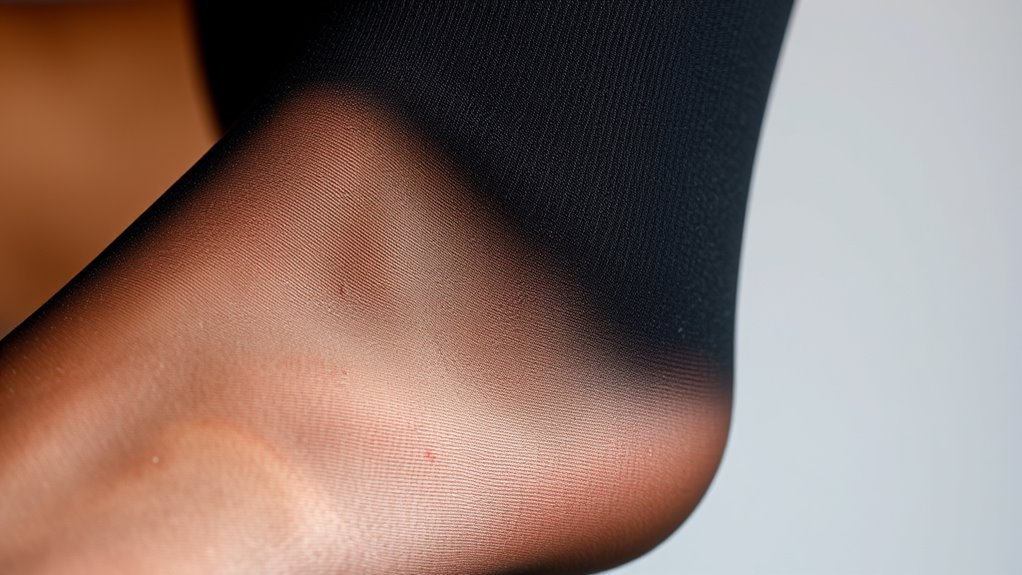
Tight tights create a warm, moist environment that encourages fungal and bacterial growth on your skin. This trapping of sweat and dead skin cells fosters infections like athlete’s foot, jock itch, and folliculitis. Bacteria thrive under these conditions, increasing the risk of acne and bacterial skin issues. Wearing tights continuously without proper hygiene amplifies vulnerability to infections. Synthetic fabrics limit breathability, trapping microbes and moisture even more. Fabrics’ breathability plays a crucial role in preventing such skin problems.
How Tight Tights Affect Circulation and Skin Health
When tights are excessively tight, they can constrict blood flow in your legs and hips, leading to poor circulation. This restriction can cause your skin to become red, sensitive, or even numb over time. Reduced blood flow hampers nutrient delivery and waste removal, which may result in skin dryness and increased irritation. Tight hosiery can also worsen the appearance of cellulite by limiting lymph drainage and blood circulation. Prolonged pressure from tight tights may leave pressure marks or skin damage, especially in areas where the fabric presses against your skin. While compression tights can promote healthy circulation, fashionable tight tights often lack this benefit and instead pose risks to your skin’s health. It’s best to avoid constant tightness to protect your skin and circulation. Additionally, automation in business and AI-driven technologies are being explored to monitor and improve health outcomes related to circulation and skin health. Understanding the impact of Kia Tuning on vehicle performance can also help enthusiasts optimize their cars without compromising safety. Recognizing skin health risks associated with tight clothing can encourage more mindful choices to maintain overall skin wellness.
Impact of Tights on Dry and Sensitive Skin Conditions
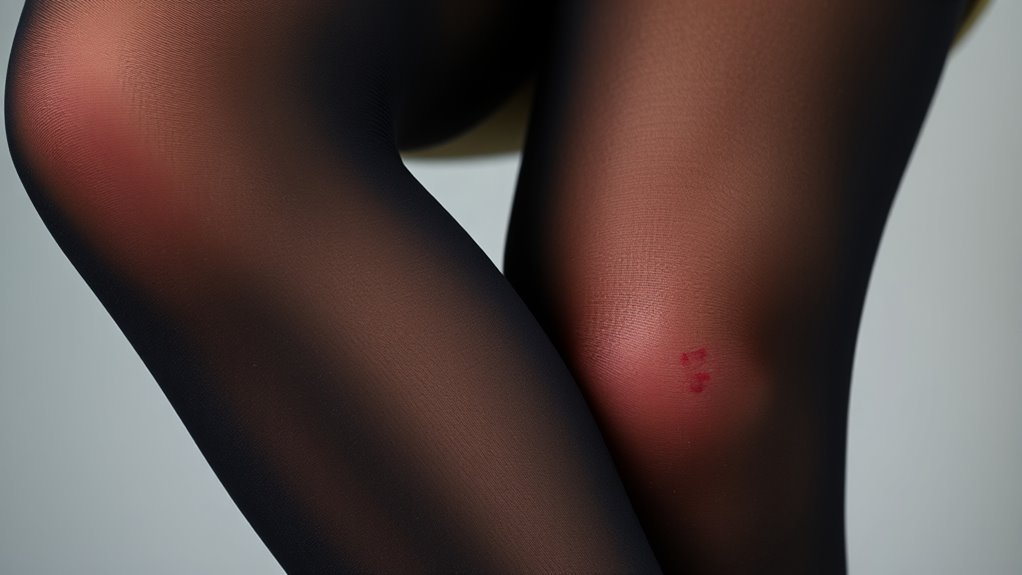
Wearing tights every day can worsen dry and sensitive skin by increasing friction and mechanical irritation. The tight fabric traps sweat and moisture, leading to further dryness and discomfort. To protect your skin, it’s best to choose breathable fabrics and keep your skin moisturized. Additionally, wearing well-made tights with cost-effective production methods can ensure better quality and comfort. Incorporating textile line techniques into manufacturing can also improve the breathability and durability of tights, benefiting skin health. Using natural fibers can further reduce skin irritation and promote comfort during daily wear. Furthermore, selecting tights that incorporate innovative textile technologies can enhance breathability and skin-friendliness, making daily use safer for sensitive skin. Emphasizing sustainable manufacturing practices can also contribute to overall product safety and environmental responsibility.
Friction and Skin Dryness
Friction from tight tights can markedly worsen dry and sensitive skin conditions by causing mechanical irritation. When your tights rub against your skin, especially in areas prone to dryness, it can strip away natural oils, making your skin even drier and more prone to irritation. Synthetic fabrics trap sweat and sebum, increasing friction and discomfort for sensitive or eczema-prone skin. This constant rubbing can lead to redness, chafing, and tiny skin abrasions, which further compromise the skin barrier. If your skin is already dry, the friction from tight tights exacerbates itchiness and discomfort. To protect your skin, consider wearing looser, breathable fabrics and apply moisturizer regularly, especially after wearing tights. These steps help reduce friction and support healthier, less irritated skin.
Moisture Loss and Irritation
Tights that trap sweat and sebum not only cause friction but also markedly boost moisture loss from your skin. This dehydration worsens dryness, especially in sensitive areas, leading to itchiness and irritation. When moisture escapes, your skin’s barrier weakens, making it more vulnerable to environmental irritants and allergens. To minimize these effects, consider the following:
- Choose breathable fabrics like cotton or moisture-wicking blends
- Limit wearing tights in hot or humid conditions
- Always moisturize after removing tights
- Change out of sweaty tights promptly
- Wash tights regularly to prevent bacterial buildup
Musculoskeletal Effects of Frequent Tight Tights Use
Frequent use of tight tights can affect your muscles by providing external support that reduces their natural engagement. When your muscles don’t work as hard because of the compression, you may experience decreased muscle tone and strength over time. This “support” can make your muscles lazy, especially if you rely on tights instead of regular exercise. Prolonged compression might also hinder proper blood flow, leading to less oxygen delivery and slower muscle recovery. Additionally, constant tightness can cause discomfort or soreness in your legs and abdomen. While tights can offer temporary shaping, they won’t replace the benefits of active movement. To keep your muscles healthy, it’s best to limit continuous tight wear and incorporate regular exercise into your routine. Recognizing the importance of muscle recovery can help you avoid potential issues caused by prolonged compression, as well as support overall health and early detection of issues. Being aware of how compression effects influence your muscle health is crucial for maintaining optimal physical well-being. Proper circulation is essential for oxygen delivery, ensuring your muscles function efficiently.
Understanding Material Choices and Skin Compatibility
Choosing the right materials for your tights is essential to minimize skin irritation and allergic reactions. Natural fibers like cotton or bamboo are breathable, reducing sweat buildup and friction. Avoid synthetic fabrics such as nylon or polyester, which trap heat and moisture, increasing irritation risks. Look for tights labeled hypoallergenic or designed for sensitive skin to ensure better compatibility. Additionally, staying informed about AI safety measures can help consumers make better choices in product development and quality assurance. Incorporating material innovation can lead to better-performing fabrics that prioritize skin health. Advances in textile technology are enabling the creation of fabrics that are both durable and gentle on the skin. New developments in fiber treatments can further enhance moisture-wicking and breathability features. Key considerations include: – Opt for moisture-wicking fabrics that keep sweat away from your skin – Choose seamless or flatlock seams to reduce chafing – Prioritize breathable materials to enhance airflow – Check labels for allergen-free and chemical-free options – Avoid overly tight or stiff fabrics that limit movement and cause friction Selecting appropriate materials helps protect your skin and makes tights more comfortable for daily wear.
Best Practices for Wearing Tights Safely
To wear tights safely, start by choosing breathable fabrics like cotton or moisture-wicking materials that reduce irritation. Make sure to change and wash your tights regularly to prevent bacterial and fungal buildup. Additionally, applying moisturizer often helps keep your skin hydrated and protected from friction and dryness.
Choose Breathable Fabrics
Opting for breathable fabrics when wearing tights can considerably reduce skin irritation and discomfort. Natural fibers like cotton or bamboo allow air to circulate, helping moisture evaporate and preventing sweat buildup that worsens irritation. Choosing tights made from moisture-wicking materials can also keep your skin dry and cool. Here are some key considerations:
- Look for tights labeled as breathable or moisture-wicking
- Avoid synthetic fabrics like nylon or polyester for daily wear
- Choose tights with added ventilation panels or mesh sections
- Opt for looser fits to reduce friction and pressure
- Rotate between different fabrics to give your skin a break
Change and Wash Regularly
Wearing tights without regularly changing and washing them increases the risk of skin irritation and infections. Sweat, dead skin cells, and bacteria can build up quickly, creating a breeding ground for fungi and bacteria. If you don’t change your tights daily or wash them frequently, you’re more likely to develop rashes, fungal infections, or folliculitis. It’s essential to switch out tights after sweating or a long day to prevent microbial overgrowth. Use hot water and a gentle detergent to thoroughly clean your tights, removing irritants and pathogens. Always guarantee they are completely dry before wearing again. Proper hygiene not only protects your skin but also extends the life of your tights. Prioritize regular changing and washing to keep your skin healthy and free from infections.
Moisturize Skin Frequently
Regularly moisturizing your skin is key to counteracting the dryness and irritation caused by wearing tights. Moisturizers create a protective barrier, reduce friction, and soothe irritated areas. To maximize benefits, choose thick, hydrating creams or ointments, especially after washing or sweating. Apply moisturizer to areas prone to chafing or irritation, like inner thighs and behind knees. Remember:
- Use products with ingredients like ceramides or hyaluronic acid for deep hydration
- Reapply moisturizer after sweating or washing
- Avoid fragrances and alcohol to prevent further irritation
- Incorporate a gentle, fragrance-free moisturizer into your daily routine
- Consider barrier creams for extra protection in sensitive areas
Consistent moisturization helps maintain skin integrity, reduces discomfort, and minimizes the risk of irritation or infections from tight hosiery.
Signs You Should Stop Wearing Tight Hosiery

If you notice persistent skin irritation, it’s a clear sign you should stop wearing tight hosiery. Red, itchy, or inflamed skin, especially in areas where the tights grip tightly, indicates you’re causing damage. Bumps, hives, or rashes are warning signs your skin is reacting negatively. If you experience chafing or redness that doesn’t improve with breaks, it’s time to give your skin a rest. Persistent itching or discomfort that worsens over days suggests the tights are irritating or trapping moisture and bacteria. Additionally, if you develop fungal infections like athlete’s foot or bacterial issues, stop wearing tight hosiery immediately. These signs show your skin needs breathability and relief to recover and prevent further damage. Always listen to your body’s signals and prioritize skin health.
Alternative Clothing Options for Comfort and Skin Health

To keep your skin healthy and comfortable, consider choosing breathable fabrics like cotton or linen instead of synthetic tights. Looser fit options, such as relaxed trousers or skirts, allow your skin to breathe and reduce irritation. Switching to these alternatives can help prevent skin issues and improve overall comfort throughout the day.
Breathable Fabric Choices
Choosing breathable fabrics for your everyday clothing can considerably improve skin health and comfort. Natural fibers allow air circulation, reducing sweat buildup and moisture retention that can cause irritation. Opting for materials like cotton, linen, or bamboo helps keep your skin dry and minimizes friction. These fabrics also reduce the risk of fungal and bacterial infections by allowing your skin to breathe. When selecting clothing, consider these key points:
- Prioritize natural, moisture-wicking fibers over synthetic ones
- Look for lightweight, breathable materials for daily wear
- Avoid tight, non-breathable fabrics that trap heat and sweat
- Choose loose-fitting garments to enhance airflow and reduce friction
- Regularly wash and change clothing to prevent microbial buildup
Switching to breathable fabrics supports healthier skin and enhances comfort throughout the day.
Looser Fit Options
Opting for looser clothing options can considerably improve your skin’s health and comfort by reducing friction and allowing better airflow. When you choose relaxed-fit pants or skirts made from breathable fabrics, you minimize skin irritation caused by tight confinement. Looser garments prevent chafing, reduce sweat buildup, and help keep your skin dry and cool. They also promote better circulation, decreasing the risk of redness and discomfort. Switching to styles that don’t cling tightly to your body allows your skin to breathe naturally, lowering the chances of fungal or bacterial infections. Additionally, loose clothing helps prevent pressure marks and improves overall skin health. Incorporate flowy skirts, wide-leg trousers, or loose-fitting dresses into your wardrobe to support skin comfort and reduce issues linked to tight hosiery.
When to Seek Medical Advice for Skin Issues Related to Tights
If you notice persistent skin problems after wearing tights, it’s important to seek medical advice promptly. Symptoms like ongoing itching, redness, swelling, or the appearance of hives require professional evaluation. Ignoring these signs can lead to infections or chronic skin conditions. You should consult a healthcare provider if you experience:
- Severe or worsening rash that doesn’t improve with home care
- Persistent itching or burning sensation
- Signs of infection, such as pus, warmth, or spreading redness
- Recurrent skin irritation despite changing tights or fabrics
- Development of blisters, open sores, or unexplained swelling
Early diagnosis guarantees proper treatment and prevents complications. Dermatologists can identify allergic reactions, infections, or underlying skin conditions and recommend suitable treatments or lifestyle adjustments for safe tights use.
Frequently Asked Questions
Can Wearing Tights Cause Long-Term Nerve Damage?
Wearing tights daily can potentially cause long-term nerve damage if they’re excessively tight and restrict blood flow or nerve pathways. You might experience numbness, tingling, or discomfort in your legs and feet over time. To prevent this, avoid overly tight tights, opt for breathable fabrics, and give your skin and nerves regular breaks. If you notice persistent numbness or pain, consult a healthcare professional promptly.
Do Tights Help Improve Leg Muscle Tone or Strength?
Tights don’t actually boost your leg muscle tone or strength. You might feel a snug support, but it’s temporary and superficial. Over time, relying on tights for support can lead to muscle laziness, as they reduce natural movement and engagement. To build real strength, you need targeted exercises. Tights are mainly fashion or compression gear, not substitutes for consistent workouts that develop muscle health and endurance.
Are There Specific Fabrics Better for Sensitive Skin?
For sensitive skin, choose tights made from natural, breathable fabrics like cotton or bamboo, as these reduce irritation and allow airflow. Avoid synthetic fibers like nylon or polyester, which trap sweat and can cause itching or allergic reactions. Look for tights labeled hypoallergenic or designed for sensitive skin, and always wash them regularly to remove irritants. Wearing these fabrics helps keep your skin healthier, more comfortable, and less prone to irritation.
How Often Should I Replace or Wash My Tights?
You should wash your tights after each wear, especially if you’ve been sweating or if they feel damp, to prevent bacteria and fungi growth. Replace them every 3-6 months or sooner if they show signs of wear, thinning, or holes. Regular washing keeps them clean and fresh, reducing irritation and infection risks. Always use gentle detergents, and avoid fabric softeners that can irritate sensitive skin.
Can Tights Help With Circulation or Varicose Veins?
Tights can offer a gentle nudge to circulation, especially if they’re designed as compression hosiery. However, your everyday fashion tights won’t provide the therapeutic pressure needed for varicose veins or improved blood flow. Instead, they might inadvertently restrict circulation if too tight, potentially worsening issues. For real benefits, opt for medical-grade compression tights prescribed by a healthcare professional, and avoid relying solely on fashion tights for circulation support.
Conclusion
Wearing tights every day can lead to skin irritation, infections, and circulation issues if you’re not careful. Nearly 60% of dermatologists warn that constant tight wear may cause lasting skin problems and discomfort. To keep your skin healthy, listen to your body, take breaks, and choose breathable fabrics. Remember, giving your skin some breathing room can make a big difference in preventing long-term issues and keeping you comfortable every day.