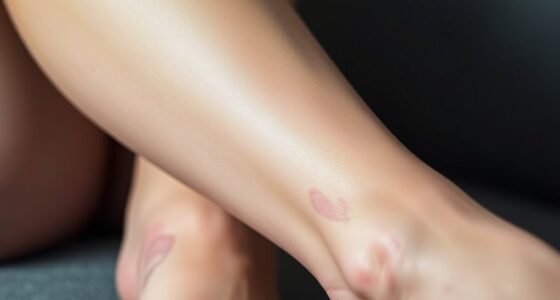

If your tights feel painfully tight, leave marks on your skin, or cause numbness, tingling, or swelling, it’s time to remove them. Avoid compression tights if you have circulatory conditions like peripheral arterial disease, deep vein thrombosis, or leg ulcers, unless advised by a healthcare professional. Tight waistbands or thighs that restrict blood flow can worsen your circulation. To learn the signs you shouldn’t ignore and how to wear tights safely, keep exploring this important info.
Key Takeaways
- Avoid tight compression tights if they cause discomfort, numbness, tingling, or heaviness in your legs.
- Do not wear compression tights if you have peripheral arterial disease, deep vein thrombosis, or leg ulcers without medical advice.
- Refrain from wearing overly tight tights that leave marks or cause increased swelling or skin irritation.
- Pregnant women should avoid tight or improperly fitted tights that restrict blood flow to the legs and pelvis.
- Stop wearing tights immediately if you experience discoloration, pain, or swelling, and consult a healthcare professional.

Have you ever wondered if wearing tights affects your circulation? Many people enjoy the comfort and style of tights, especially during colder months or for fashion purposes. But if you notice discomfort or swelling after wearing them, it’s natural to question whether they’re impacting your blood flow. Tights, particularly those with compression, are designed to improve circulation by applying graduated pressure. However, if worn improperly or by individuals with specific health conditions, they can do more harm than good.
Compression tights are meant to support veins and prevent blood pooling, which can be beneficial during long flights or for certain medical conditions. But not all tights are created equal. If your tights are too tight or don’t fit properly, they can constrict blood vessels excessively, leading to reduced circulation. This constriction can cause numbness, tingling, or a feeling of heaviness in your legs. When you wear tights that are overly tight around your waist, hips, or thighs, you risk impairing blood flow, especially if you’re standing or sitting for extended periods.
Tight tights can restrict blood flow, causing numbness, tingling, and heaviness in your legs.
You should avoid wearing compression tights if you have certain health issues. For example, individuals with peripheral arterial disease, deep vein thrombosis, or leg ulcers need to be cautious. These conditions already compromise circulation, and adding tight clothing could worsen their symptoms. If you have varicose veins, compression tights might be helpful, but only if prescribed or fitted by a healthcare professional. Wearing the wrong level of compression or ill-fitting tights can cause more harm, such as skin irritation or increased swelling.
Pregnant women should also be cautious. While some maternity support tights offer gentle compression, wearing tights that are too tight or not designed for pregnancy can restrict blood flow to the legs and pelvis, potentially causing discomfort or complications. If you’re unsure whether your tights are suitable, it’s best to consult your doctor, especially if you experience leg pain, swelling, or skin changes.
Additionally, understanding offensive security measures like penetration testing and ethical hacking can help in assessing vulnerabilities in your own systems, much like ensuring tights fit properly to avoid circulation issues.
In general, avoid wearing tights that feel uncomfortably tight or leave marks around your waist and thighs. If you notice increased swelling, discoloration, or pain after wearing tights, it’s time to remove them and seek medical advice. Comfort is key—your tights should fit snugly but not constrict your circulation. Paying attention to how your body responds will help you determine when to avoid compression and ensure you’re not inadvertently impairing your blood flow.

Compression Pantyhose for Women, 20-30 mmHg Footless Medical Compression Stockings, Waist High Opaque Graduated Support Compression Hose Tights for Edema, Varicose Veins, Swelling
HELPS PREVENT & RELIEVE: Our support hose for women & men are ideal for preventing and relieving: fatigue,...
As an affiliate, we earn on qualifying purchases.
Frequently Asked Questions
Can Tights Improve Circulation for People With Varicose Veins?
Yes, tights can improve circulation for people with varicose veins by providing gentle compression that supports blood flow and reduces swelling. You should choose tights specifically designed for medical or compression purposes, ensuring they fit well without being too tight. However, if you experience pain, numbness, or skin issues, it’s best to consult a healthcare professional before using compression tights. Proper use can help alleviate symptoms and promote better circulation.
Are There Specific Tights Designed for Circulatory Health?
Yes, there are tights specifically designed for circulatory health. These compression tights apply graduated pressure, helping improve blood flow and reduce swelling. You might find them beneficial if you spend long hours sitting or standing. However, make sure to choose the right compression level and fit, and consult a healthcare professional if you have circulation issues or medical conditions. Properly fitted compression tights can enhance comfort and support circulation effectively.
How Long Can I Safely Wear Compression Tights Daily?
You can typically wear compression tights for about 8 to 12 hours daily, but it depends on your comfort and needs. If you notice any discomfort, numbness, or skin irritation, remove them sooner. Always follow your healthcare provider’s advice, especially if you have circulation issues or medical conditions. It’s best not to wear them overnight unless specifically recommended, as prolonged use can sometimes cause issues.
Do Tights Affect Circulation Differently During Exercise Versus Rest?
Think of your blood flow like a river. During exercise, tights act like a dam, guiding and supporting the current, which can be beneficial. During rest, they might slow the flow if too tight, like a dam that’s too restrictive. So, your tights influence circulation differently: assisting during activity but potentially hindering it at rest if too tight. Always choose compression levels suited to your activity and comfort.
What Signs Indicate That Tights Are Impairing Circulation?
If your tights impair circulation, you might notice numbness, tingling, or a burning sensation in your legs. Your skin could feel cold or look pale, and you might experience swelling or a heavy feeling. If you feel any discomfort or see these signs, loosen or remove the tights immediately. Pay attention to your body’s signals, and avoid tight-fitting garments if they cause persistent symptoms.
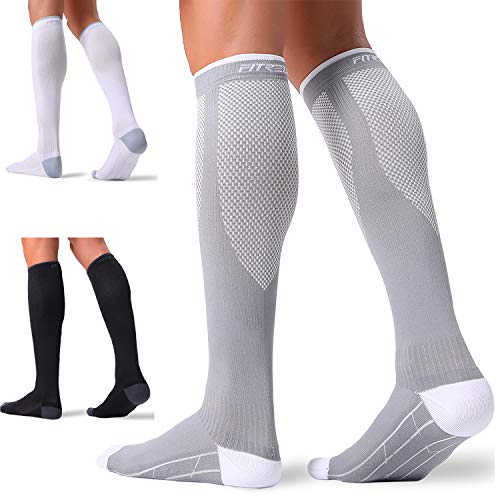
FITRELL 3 Pairs Compression Socks for Women and Men 20-30mmHg- Circulation and Muscle Support Socks for Travel, Running, Nurse, Knee High, Medical Black+White+Grey Small-Medium
【Size Tips】: Choose according to your CALF size first as for 20-30 mmHg. One size smaller if need...
As an affiliate, we earn on qualifying purchases.
Conclusion
So, next time you reach for those stylish tights, ask yourself: are they doing more good than harm? If you notice tingling, numbness, or discomfort, it’s time to take a break and give your circulation a rest. Remember, compression tights can be a blessing or a curse depending on your health. Isn’t your well-being worth listening to your body’s signals? Prioritize comfort and health over fashion—your legs will thank you.

Compression Leggings for Women 20-30mmHg - Footles High Waist Compression Tights for Circulation during Pregnancy, Sports, Workout, Running - Black, Medium - A717BL2
IMPROVED CIRCULATION - Experience enhanced blood flow with 20-30 mmHg compression, ideal for daily wear and recovery.
As an affiliate, we earn on qualifying purchases.
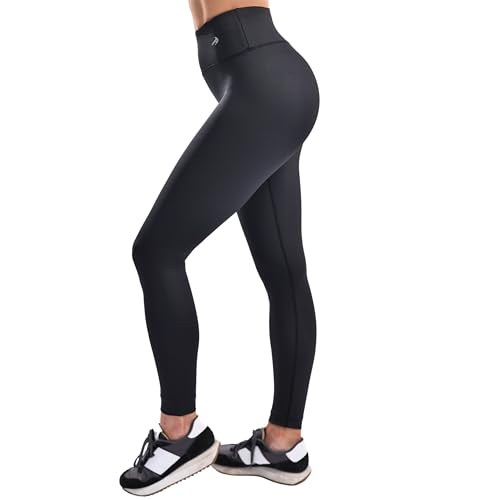
CompressionZ Women's Compression Leggings High Waisted Performance Shaping Gym, Pilates, Travel, Yoga, Workout Pants Black Medium
Tight Yet Comfortable Compression Leggings for Women: Experience ultimate comfort with our compression recovery leggings, perfect for running,...
As an affiliate, we earn on qualifying purchases.