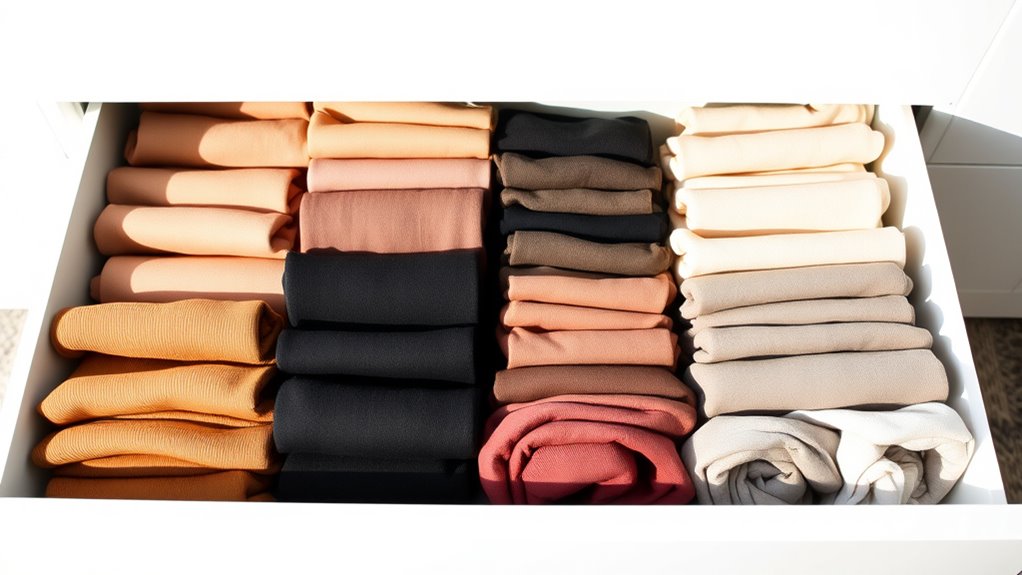

To organize your tights drawer by season and denier, start by sorting your tights into seasonal groups—winter, spring, summer, and fall—using thicker, warmer options for cold months and lighter, breathable styles for warmer times. Within each season, arrange tights by denier: higher denier for opaque, thicker tights and lower denier for sheer, lightweight options. Use clear containers or dividers and label everything for quick access. Keep your drawer tidy and you’ll find it easier to select the perfect pair every time; if you keep going, you’ll discover even smarter ways to maintain your collection.

Get your wardrobe favorites delivered free — and shop member deals
- Fast, free delivery on millions of items
- Access to Prime Big Deal Days deals on October 6–7
- Prime Video, Amazon Music and more included
Key Takeaways
- Sort tights into seasonal groups (winter, spring, summer, fall) based on weather and climate needs.
- Within each season, categorize tights by denier levels, such as sheer (10-30) or opaque (60+).
- Use clear containers, dividers, or pouches to keep categories organized and easily accessible.
- Fold or roll tights neatly to prevent snags and maintain organization.
- Label sections clearly and regularly reassess to update or donate worn or unused pairs.
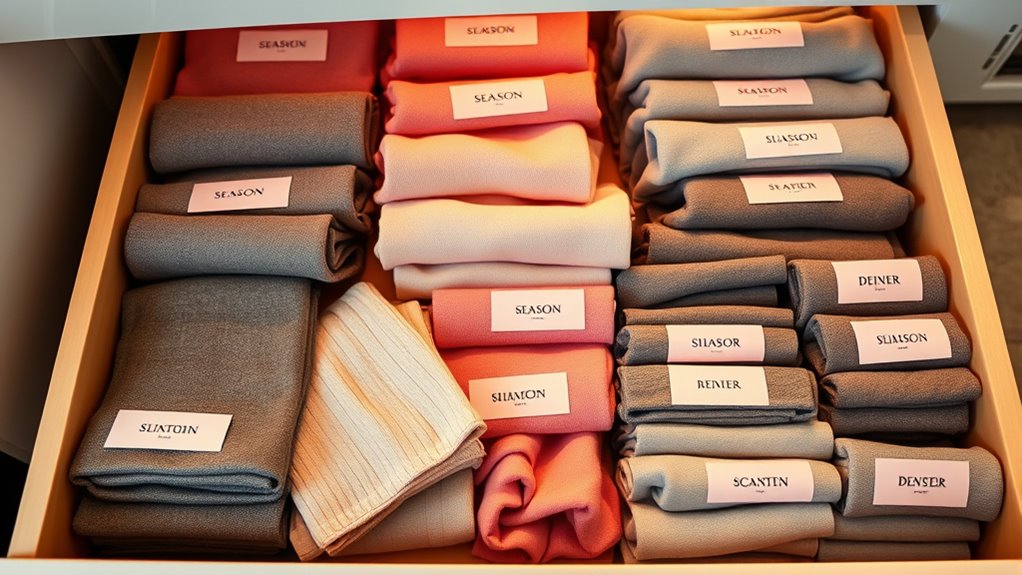
Have you ever struggled to find the right pair of tights when you need them most? It’s frustrating to dig through a jumble of hosiery, only to realize your favorite pair is buried under a pile of less suitable options. Organizing your tights drawer by season and denier can save you time, reduce stress, and make choosing the right tights effortless. When you approach your hosiery with a clear system, you’ll always know exactly where to look, and your wardrobe will feel more manageable.
Start by sorting your tights into seasons. Think about the climate you experience throughout the year. In colder months, you’ll want thicker, warmer tights—those with higher denier ratings, like 60 or above. These are perfect for winter because they offer insulation and durability. Lighter tights, with lower denier ratings like 10 to 30, are better suited for spring and summer when you prefer breathable, less bulky options. By dividing your tights into seasonal piles, you’ll quickly access the appropriate pair for the weather, avoiding the temptation to wear tights that are too lightweight or too heavy for the current season.
Sort tights by season to match weather and keep your drawer organized and stress-free.
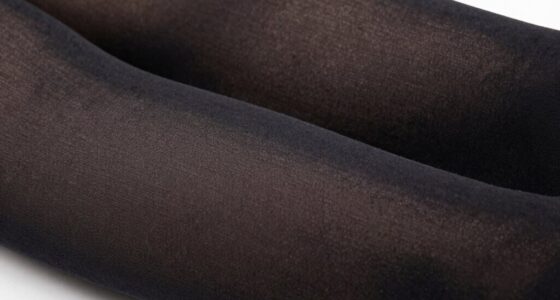
Next, organize within each season based on denier. Tights with higher denier numbers are thicker and more opaque, ideal for colder months or creating a dramatic look. Lower denier tights are sheer, lightweight, and perfect for warmer days or more formal occasions. Group these categories together—thick, opaque tights in one section, sheer, delicate tights in another. Use small containers, dividers, or pouches to keep each group separate. This way, when you’re heading out the door, you can grab the exact style you want without rummaging through everything.
Label your sections clearly—perhaps with tags or small stickers—so you always know what’s where. If you have multiple pairs of similar tights, consider folding or rolling them neatly before placing them in their designated spots. This not only keeps your drawer tidy but also prevents snags and tears. Additionally, consider using clear storage containers or drawer dividers so you can see the contents instantly, making it easier to pick out the pair that matches your outfit. Incorporating proper storage techniques can prolong the life of your hosiery and keep your drawer organized more effectively.
Maintaining this system is simple once set up. Regularly reassess your tights, donating or discarding worn or unloved pairs. Reorganize seasonally as weather changes or when you acquire new tights. With a dedicated approach to organizing by season and denier, you’ll find yourself reaching for the right tights without stress, knowing everything is in its proper place. Your drawer will stay tidy, and your mornings will become a little bit smoother, all thanks to a simple, effective organization system.
Frequently Asked Questions
How Often Should I Replace My Tights?
You should replace your tights every 6 to 12 months, depending on how often you wear and wash them. If you notice runs, tears, or thinning fabric, it’s time for new ones. Regularly inspecting your tights helps prevent wardrobe malfunctions. Keep them properly stored and avoid over-washing to prolong their lifespan. Ultimately, replacing them when they show signs of wear ensures you always have comfortable, polished tights ready to wear.
What’s the Best Way to Prevent Tights From Snagging?
You can prevent tights from snagging by handling them with care—imagine them as delicate treasures. Always wash them inside out, use a gentle detergent, and avoid rough surfaces or sharp jewelry. When putting them on, roll them gently from the toes up, and be cautious around jewelry or rough nails. Ironically, treating your tights like fragile art keeps them smooth and snag-free, saving you frustration and wardrobe mishaps.
Can I Mix Different Deniers in the Same Storage Container?
Yes, you can mix different deniers in the same storage container, but it’s best to keep deniers separate to avoid confusion and potential damage. Thinner tights (lower denier) are more delicate, so storing them separately helps prevent snags or tears. Use small dividers or separate bags within the container to keep everything organized. This way, you can easily find the right pair and keep your tights in good condition.
How Do I Clean and Care for Delicate Tights?
You should hand wash delicate tights in lukewarm water with gentle detergent. Gently swish them around, avoiding wringing to prevent damage. Rinse thoroughly and lay flat on a clean towel to air dry, away from direct sunlight. Avoid using the washing machine or dryer, as heat and agitation can weaken the fibers. Treat your tights with care, and they’ll stay smooth, stretchy, and ready for your next outfit.
What Are Expert Tips for Maximizing Closet Space for Tights?
To maximize closet space for tights, you should fold them neatly and store them in clear, stackable containers or hanging organizers. Use small dividers to keep pairs together and prevent tangling. Consider rolling tights and placing them in slim drawers or dedicated bins, so you save space and keep everything accessible. Regularly declutter and donate unused pairs to maintain an organized, clutter-free wardrobe.
Conclusion
By sorting your tights by season and denier, you create a harmonious wardrobe symphony, where each pair plays its perfect tune at just the right time. Imagine your drawer as a neatly curated garden, blooming with the right blooms for each season. With this simple organization, your tights become a vivid palette of warmth and style, ready to weave comfort and elegance into every outfit. Now, step back and enjoy your beautifully arranged closet oasis.
Halloween Picks
halloween
As an affiliate, we earn on qualifying purchases.