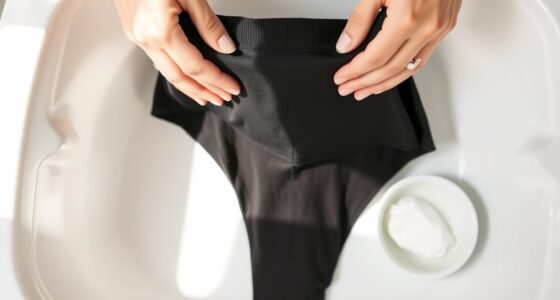
To sew a gusset into your tights for added comfort, first turn the tights inside out and identify the crotch area. Cut a small diamond or square-shaped piece of stretch fabric that fits comfortably, then pin it into place along the crotch seam. Use a stretch or zigzag stitch to sew the gusset securely, ensuring even tension. Once finished, try on your tights to see how the gusset improves fit and durability—if you want to know more, keep going!

Get your wardrobe favorites delivered free with Prime
- Fast, free delivery on millions of items
- Prime Video, Amazon Music and more included
- Member-only deals all year
Key Takeaways
- Identify the crotch area and cut a matching fabric piece into a diamond or square shape for the gusset.
- Pin the gusset into place, aligning edges with existing seams, and mark the placement for accuracy.
- Sew the gusset using a stretch or zigzag stitch to allow flexibility and prevent puckering.
- Trim loose threads and ensure the gusset lies flat for a comfortable, seamless fit.
- Turn the tights right side out, test movement, and enjoy enhanced comfort, durability, and longer wear.
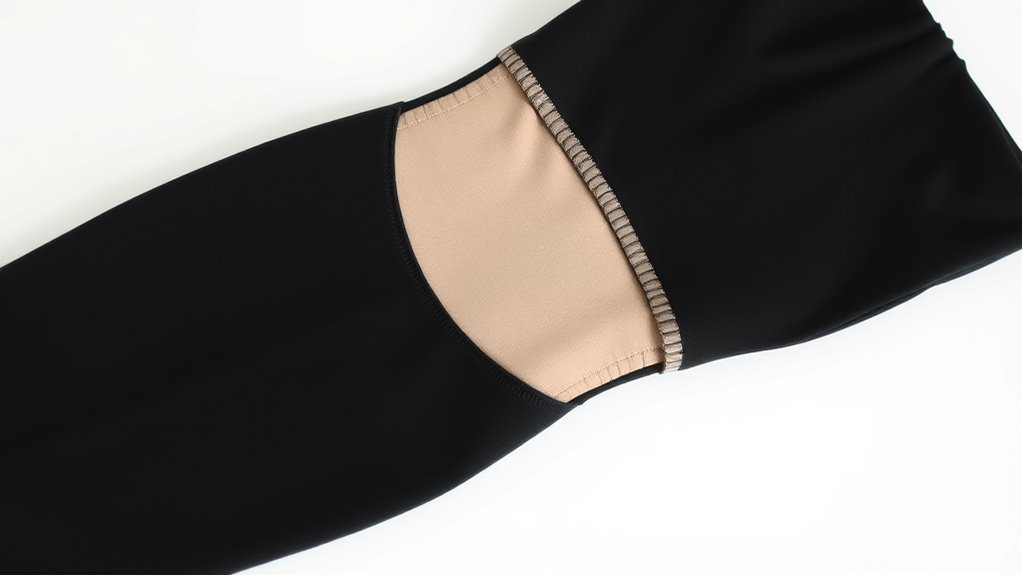
Adding a gusset to your tights can considerably improve comfort and durability, especially if you wear them frequently. A gusset is a small piece of fabric sewn into the crotch area, designed to reduce wear and tear, prevent stretching out, and provide a better fit. When you sew a gusset into your tights, you’re making them more comfortable because there’s less tension in the fabric when you move, sit, or bend. Plus, it helps avoid those annoying holes or runs that often develop in the crotch area over time. Incorporating a gusset also aligns with sustainable living principles, as it extends the lifespan of your clothing and reduces waste.
To get started, gather a small piece of fabric—preferably a sturdy, stretchable material that matches your tights. You can use leftover fabric from other projects or purchase a small swatch of similar material. Turn your tights inside out, so you have easy access to the crotch area. Identify the area that needs reinforcement or where you’d like to add the gusset, usually around the seam where the legs meet the waistband. Mark the section with pins or fabric chalk to ensure precise placement.
Next, cut out a diamond or square-shaped piece of fabric that fits comfortably into the crotch area, giving enough room for movement without being too bulky. The size depends on your tights’ dimensions and your comfort preferences. Once you’ve cut the fabric, pin it into place, aligning the edges carefully with the existing seams of the tights. Make sure the fabric is smooth and free of wrinkles to avoid bunching when sewing.
Sew the gusset into the tights using a stretch stitch or zigzag stitch, which allows the fabric to stretch without breaking the seam. Start sewing from one corner of the gusset, working slowly along the edges, and gradually stitch around the entire piece. When sewing, keep the tension even, and ensure that the stitches are secure but not tight enough to cause puckering. After sewing all edges, trim any excess fabric or loose threads.
Turn the tights right side out and check the fit. The gusset should lie flat against the fabric, providing reinforcement without adding bulk. Try on your tights and move around to test comfort and flexibility. The added gusset helps distribute stress more evenly, reducing the chance of holes and making your tights last longer. With this small modification, you’ll enjoy more comfortable, durable tights that can stand up to frequent wear and washing, saving you money and frustration in the long run.
Frequently Asked Questions
Can I Add a Gusset to Any Type of Tights?
Yes, you can add a gusset to most types of tights, but it works best with thicker or more durable fabrics like nylon or spandex blends. For sheer or delicate tights, adding a gusset might be tricky and could affect their appearance or stretch. Make sure you choose a gusset material that matches or complements your tights, and carefully sew it in to maintain comfort and a smooth fit.
What Materials Are Best for Sewing a Gusset?
You should use stretchy, breathable fabrics like spandex, lycra, or a soft cotton blend for sewing a gusset. These materials provide flexibility and comfort, ensuring your tights move with you without causing irritation. Avoid stiff or non-stretch fabrics, as they can make the gusset uncomfortable and restrict movement. Choose a fabric that matches or complements your tights to maintain elasticity and a seamless look.
How Do I Measure for the Correct Gusset Size?
You measure for the correct gusset size by gently stretching the fabric, feeling for the point where comfort and fit align. Use a soft measuring tape to trace the width across the widest part of your crotch area, adding a little extra for seam allowances. Then, measure the length from the front to the back. These measurements become the guiding rhythm, ensuring your gusset fits smoothly into your tights, like a perfect melody.
Is Sewing a Gusset Suitable for Beginner Sewists?
Yes, sewing a gusset is suitable for beginner sewists. It’s a manageable project that helps improve your skills and understanding of sewing techniques. You’ll need basic supplies, like fabric and a sewing machine, and simple instructions. Take your time, follow the steps carefully, and don’t worry if it’s not perfect on your first try. With patience, you’ll find sewing a gusset both doable and rewarding.
How Do I Prevent the Gusset From Shifting During Wear?
Think of your gusset as the foundation of a sturdy house—stability is key. To prevent shifting, pin the gusset securely in place before sewing. Use plenty of pins or clips along the edges, especially at the curves. Sew slowly and precisely along the edges, ensuring the gusset stays aligned with the tights. Reinforce the seams with backstitching for extra durability, so your gusset stays put during wear.
Conclusion
Now that you’ve sewn in a gusset, your tights will feel like a second skin—comfortable enough to forget you’re even wearing them. Say goodbye to awkward bunching and discomfort, and hello to perfect fit every time. With this simple upgrade, your tights will become your most trusted wardrobe companion, ready to withstand even the wildest dance moves or a day full of adventures. Enjoy your freshly customized tights—comfort has never looked this good!
Halloween Picks
halloween
As an affiliate, we earn on qualifying purchases.