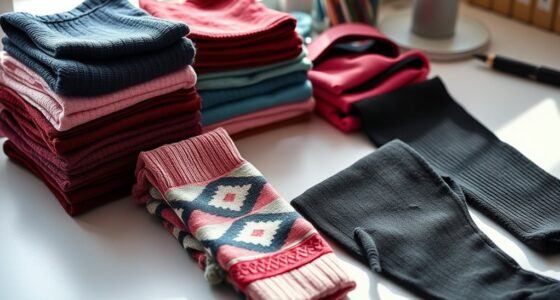
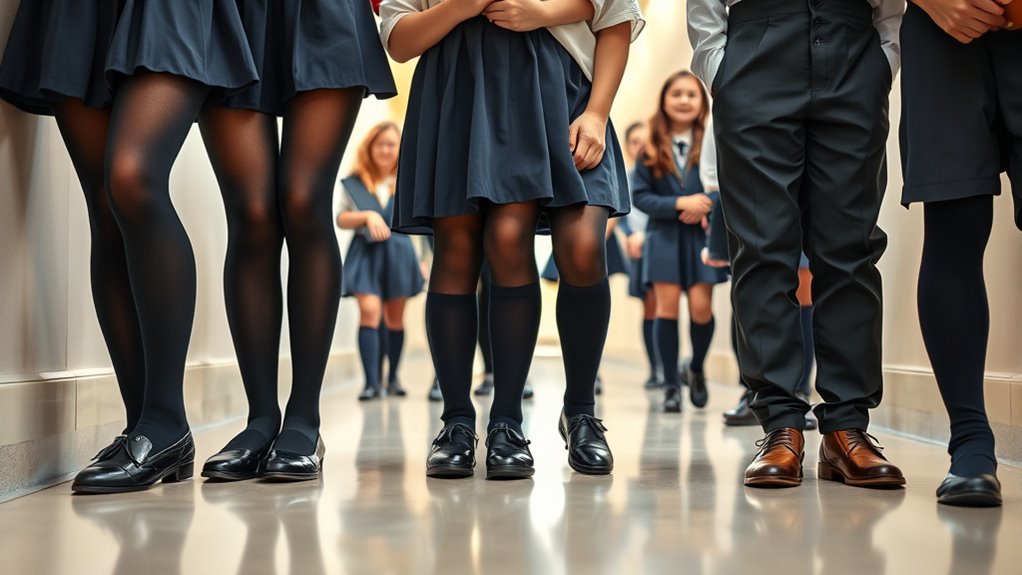
School uniform policies on hosiery typically specify acceptable colors like black, navy, or white, and require plain tights or knee-high socks that fit well and cover the ankles. They often discourage bright colors, patterns, or decorative elements to keep a polished uniform look. Proper hosiery helps with warmth and comfort while supporting a cohesive appearance. To guarantee your child’s adherence and avoid surprises, familiarizing yourself with their specific guidelines can make mornings smoother—learn more to stay fully informed.
Key Takeaways
- Understand the school’s specific dress code regarding acceptable hosiery colors, styles, and materials.
- Ensure hosiery is solid-colored, opaque or sheer as specified, and maintains a neat, professional appearance.
- Choose well-fitting, durable hosiery to promote comfort and a tidy look throughout the school day.
- Regularly check and maintain hosiery to comply with policies and replace worn or outgrown items promptly.
- Communicate with school staff for clarification or updates on hosiery guidelines to ensure ongoing compliance.
School uniform hosiery policies are an important part of maintaining a cohesive and professional appearance in educational settings. As a parent, you want your child to look neat and adhere to school standards, but understanding the specific hosiery requirements can sometimes be confusing. Schools often establish these policies to promote uniformity, reduce peer pressure related to fashion, and foster a focused learning environment. Knowing what is acceptable helps you ensure your child complies without worry or last-minute shopping trips.
Most schools specify the type, color, and sometimes the style of hosiery that students should wear. Typically, solid colors like black, navy, or white are mandated because they are versatile, easy to match with uniforms, and maintain a polished look. Some schools prefer plain tights or plain knee-high socks, while others might allow opaque or sheer tights. The goal is simplicity and consistency, so patterns, bright colors, or decorative elements are usually discouraged or outright prohibited. To stay compliant, check your school’s dress code or uniform policy document, which often details hosiery expectations explicitly.
Most schools require plain, solid-colored hosiery like black, navy, or white for uniformity and a polished look.
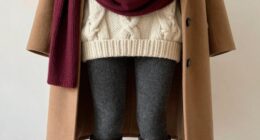
It’s also important to contemplate the practicality and comfort of the hosiery you choose. During colder months, tights or leggings can keep your child warm while maintaining a uniform appearance. You’ll want to select hosiery made from comfortable, durable materials that can withstand daily wear and washing. Avoid overly thin or fragile fabrics that might develop runs or tears quickly. When shopping, look for reputable brands that emphasize quality, so your child stays comfortable and looks neat throughout the day. Additionally, proper fitting hosiery can prevent discomfort and ensure a neat appearance, which many schools emphasize.
In addition, some schools have specific rules about the length and fit of hosiery. For example, tights should be opaque and reach at least the waist, while socks should be long enough to cover the ankles and be worn pulled up properly. Ensuring that the hosiery fits well is essential not only for appearance but also for ease of movement and comfort. Ill-fitting hosiery can cause discomfort or distraction, which can interfere with your child’s focus and participation in class.
Finally, stay proactive by regularly inspecting your child’s hosiery to make sure it remains within school guidelines. As they grow or as the seasons change, their hosiery needs might evolve. Having a few extra pairs on hand can help you avoid last-minute issues and ensure your child always looks appropriate. Communicating with school staff or attending parent meetings can clarify any uncertainties about hosiery policies, reducing the chances of unintentional non-compliance. Ultimately, understanding and adhering to the hosiery policy makes it easier for you to support your child’s school experience while ensuring they look tidy, feel comfortable, and present a unified appearance.

Delma Home Gym Mirror,48''x24''x2PCS Silver,Large Full Body Tempered Glass Frameless, Wall-Mounted for Gym, Yoga, Garage, Bedroom, Bathroom
The accurate size of fitness mirror is 47.6x23.8 inches, 2 pieces in total. Mirror thickness is about 0.2...
As an affiliate, we earn on qualifying purchases.
Frequently Asked Questions
Can Students Customize Their Hosiery With Accessories or Patterns?
Yes, students can often customize their hosiery with accessories or patterns, but it depends on your school’s specific policies. Some schools allow subtle patterns, decorative socks, or accessories like bows and pins, while others keep it more conservative. You should check your school’s dress code to see what’s permitted. If customization is allowed, encourage your child to choose accessories that complement the uniform and adhere to any guidelines.
Are There Specific Color Restrictions for Hosiery During Special Events?
Think of special events as a canvas, and hosiery as your brush. Yes, there are typically specific color restrictions during these times, often favoring neutral shades like black, navy, or beige to keep the focus on the celebration. Check your school’s guidelines, as some may allow limited flexibility. Following these rules helps your child blend in seamlessly, like a harmonious note in a symphony, ensuring they’re appropriately dressed for the occasion.
How Should Parents Handle Hosiery Repairs or Replacements?
When hosiery gets torn or worn out, you should replace or repair it promptly to keep your child’s uniform neat. Check with the school’s dress code about acceptable replacements or repairs. Visit the store to find matching hosiery or consider mending small tears with a needle and thread. Keep spare pairs at home or in your child’s backpack for quick replacements on busy mornings.
Do Policies Differ Between Elementary, Middle, and High Schools?
Yes, policies often differ between elementary, middle, and high schools. You should check each school’s specific rules because elementary schools may have stricter or simpler requirements, while middle and high schools might allow more flexibility or specify different acceptable styles and colors. It’s essential to review the school’s handbook or contact administrators directly to guarantee your child’s hosiery complies with their particular dress code.
What Are the Guidelines for Hosiery During Outdoor Sports Activities?
During outdoor sports, you should follow your school’s hosiery guidelines closely—think of them as the secret code to ultimate athletic success! Usually, this means wearing plain, durable socks that cover your ankles or calves, avoiding anything flashy or distracting. Always double-check if your school has specific color requirements or restrictions. Remember, proper hosiery keeps you comfortable, safe, and ready to conquer the field—so stay compliant and sport your uniform with pride!

ERZERT Home Gym Mirror,2 Pack Large 48x24 Inch Frameless Tempered Glass Wall Mirror, Full Body Workout and Decorative Mirrors for Home Gym, Yoga, Dance Studio, Garage, Exercise Room
Safety First, Train with Confidence:Made from 5mm automotive-grade tempered glass, Even if impacted, it shatters into small, rounded...
As an affiliate, we earn on qualifying purchases.
Conclusion
Sticking to your school’s hosiery policies keeps everything running smoothly and shows you’re on the same page. Remember, when it comes to dress codes, it’s better to be safe than sorry. By understanding and following the rules, you help your child avoid unnecessary trouble and set a good example. In the end, it’s all about working together to make school days hassle-free—because a little heads-up can save a lot of headaches down the road.

Elemango Home Gym Dance Mirror, 57"X24" 2PCS Frameless Tempered Glass Full Body Mirror, Wall-Mounted for Yoga, Dance Studio, Home Gym, Garage, Bedroom
【HD Distortion-Free Reflection】Elemango 57"X24" dance mirror is made of 5mm HD tempered glass, delivering true 1:1 reflection. It...
As an affiliate, we earn on qualifying purchases.

brisafe NanoMirror Non-Glass Ultra-Light 9.5 lbs Home Gym on Wheels, 67" x 40" Extra Large Full Body Mirror, Unbreakable & Shatterproof, 360 Swivel for Yoga, Dance, Fitness Studio & Home, White
Soft Glassless Full Length Mirror: Brisafe full body mirror is made of 0.05mm upgraded nano film material, it...
As an affiliate, we earn on qualifying purchases.