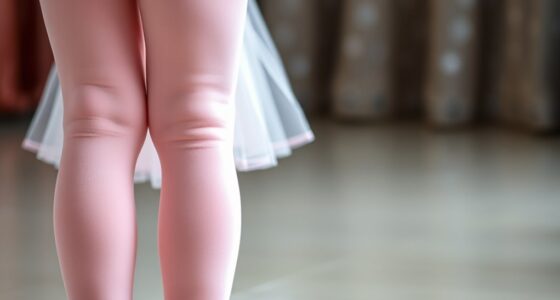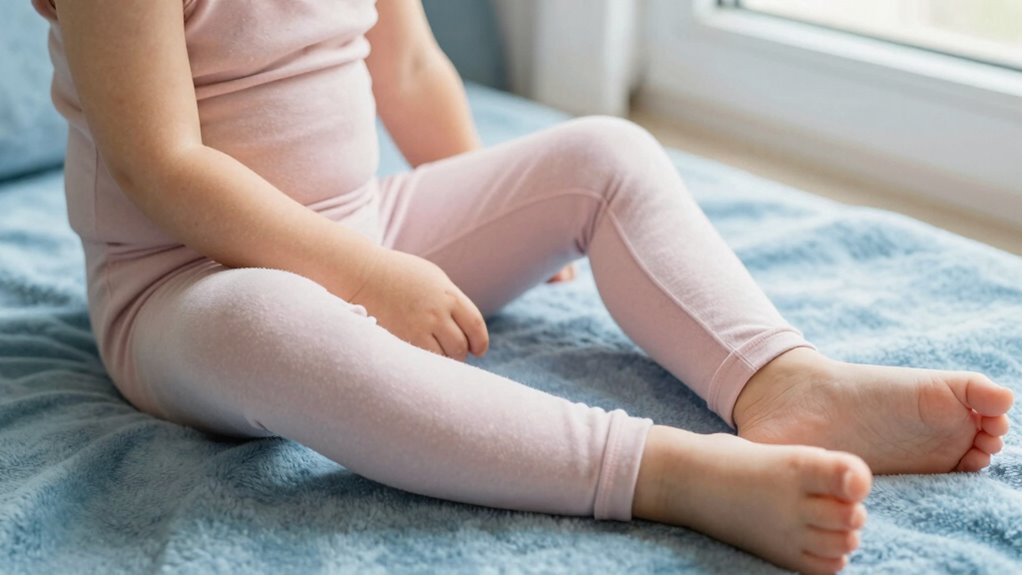

If your child has sensory sensitivities, sensory-friendly legwear can make a big difference. It helps them stay comfortable, focused, and confident by reducing irritation and sensory overload. Soft, seamless fabrics and proper fits prevent discomfort and support better engagement in daily activities. Choosing the right clothing acts as a helpful tool for their well-being and focus. Curious to find out how specific features can make a real impact? Keep exploring to learn more.
Listen free for 30 days with Audible
Thousands of audiobooks and originals — cancel anytime.
As an affiliate, we earn on qualifying purchases.
Key Takeaways
- It reduces discomfort and sensory overload, helping children feel more comfortable and focused throughout the day.
- Soft, seamless fabrics prevent irritation and promote sensory comfort for sensitive skin.
- Proper fit and tagless designs minimize friction and sensory triggers.
- Sensory-friendly legwear supports confidence, engagement, and participation in daily activities.
- Clothing tailored to sensory needs enhances overall well-being and reduces distractions.
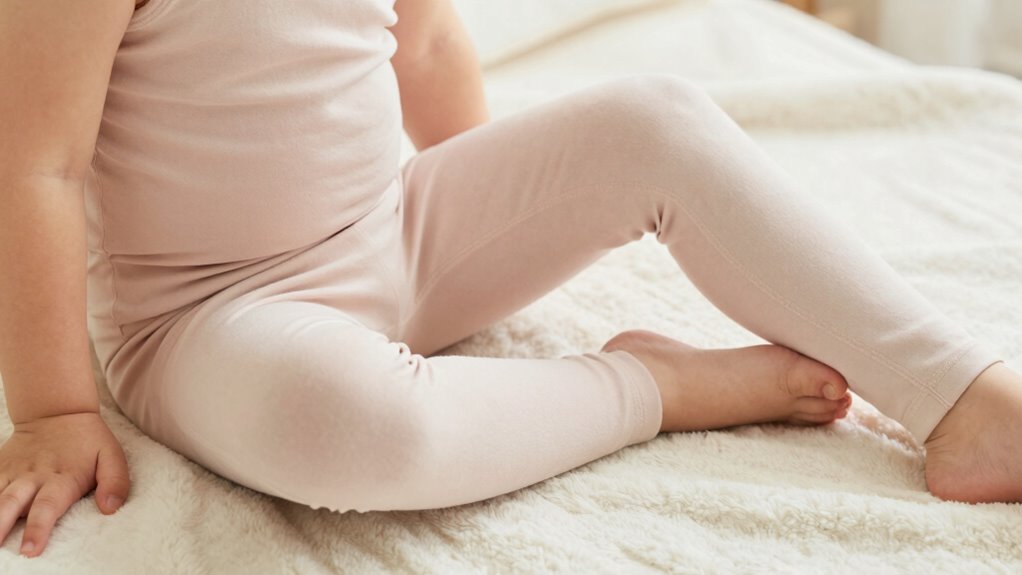
For children with sensory sensitivities, finding comfortable and non-irritating legwear can make a significant difference in their daily comfort and confidence. Many kids with sensory processing differences experience heightened sensitivity to certain textures, seams, tags, or tightness in their clothing. When their clothing isn’t designed with sensory comfort in mind, it can lead to discomfort, distraction, or even distress throughout the day. That’s why sensory-friendly legwear plays an essential role in helping these children navigate everyday activities more comfortably. You want clothing that respects their unique sensory needs, allowing them to feel secure without added discomfort or sensory overload.
Clothing comfort is not just about softness; it’s about understanding how different fabrics and construction details impact sensory processing. For children with sensory sensitivities, textures matter immensely. They might find traditional fabrics like rough cotton or stiff synthetics unbearable against their skin, leading to irritation or itching. Sensory-friendly legwear often features seamless designs or flatlock seams to minimize friction and avoid aggravating sensitive areas. The use of smooth, stretchy fabrics like bamboo, modal, or high-quality cotton can offer a gentle touch that reduces sensory triggers, making it easier for children to wear the clothing for extended periods. Additionally, the fabric composition plays a crucial role in determining how comfortable and non-irritating the clothing feels against sensitive skin. Choosing fabrics with hypoallergenic properties can further reduce the risk of irritation and promote comfort for children with sensitivities. Understanding sensory processing can help caregivers select the most suitable clothing options tailored to each child’s unique needs. Moreover, opting for breathable fabrics can help regulate temperature and prevent overheating, which is particularly important for children with sensory sensitivities who may be more prone to discomfort from temperature fluctuations.
Sensory-friendly fabrics like bamboo and modal reduce irritation, making clothing comfortable for sensitive skin and extended wear.
Another key aspect is the fit. Legwear that’s too tight can cause discomfort and restrict movement, while loose clothing might shift or bunch, creating additional sensory input that distracts or bothers the child. Sensory-friendly options prioritize a snug but comfortable fit, ensuring the garment stays in place without feeling constrictive. The absence of tags or labels also plays a fundamental role in enhancing clothing comfort. Tags often cause irritation or itchiness, especially for children with heightened sensory awareness, so these are usually eliminated or replaced with printed labels. When choosing legwear, it’s also helpful to consider adjustable features that can accommodate growth and ensure a proper fit over time. Choosing the right legwear means considering the child’s specific sensory profile. Some children are more sensitive to certain textures, so soft, tagless, and seamless options are preferable. Others might prefer compression or a particular fabric feel. The goal is to select clothing that feels good against their skin and doesn’t add unnecessary sensory input. When you prioritize sensory-friendly legwear, you’re helping your child feel more comfortable, confident, and focused on what matters most—learning, playing, and exploring their world without being hindered by clothing discomfort. The right legwear isn’t just clothing; it’s a tool that supports their sensory processing needs and promotes overall well-being.
sensory-friendly children's leggings
As an affiliate, we earn on qualifying purchases.
As an affiliate, we earn on qualifying purchases.
Frequently Asked Questions
How Do I Choose the Right Sensory-Friendly Fabric for My Child?
To choose the right sensory-friendly fabric, look for options that offer good fabric breathability, stretchability, and comfort. You want materials that feel soft against your child’s skin and allow airflow to prevent overheating. Natural fibers like cotton or bamboo are often best, as they’re breathable and gentle. Make sure the fabric stretches well to accommodate movement without causing discomfort. Testing different fabrics can help you find the perfect, sensory-friendly fit for your child.
Are Sensory-Friendly Legwear Options Suitable for All Children?
Imagine a child with sensory sensitivities who finds traditional leggings unbearable, but sensory-friendly options help her feel comfortable. Sensory-friendly legwear isn’t suitable for all children, especially those with specific skin conditions or allergies. While these options align with current fashion trends focusing on comfort and material durability, it’s crucial to take into account individual needs to guarantee the best fit and comfort for every child.
How Can I Tell if My Child Needs Sensory-Friendly Clothing?
You can tell if your child needs sensory-friendly clothing if they frequently show signs of sensory overload or become distressed with certain fabrics. Look for clues like constant fussiness, skin irritation, or discomfort when dressing. If your child has clothing sensitivity, they might resist tight or itchy fabrics, or struggle with tags and seams. Paying attention to these reactions helps you choose comfortable, sensory-friendly legwear that reduces their stress and enhances their daily comfort.
Do Sensory-Friendly Leggings Cost More Than Regular Ones?
Sensory-friendly leggings often cost more than regular ones, mainly due to specialized fabrics and construction. You should do a price comparison to find options that fit your budget, as some brands offer affordable choices. While the price is higher, these leggings tend to have better fabric durability and stretch, ensuring they last longer and provide comfort for your child. Investing in quality can make a noticeable difference in your child’s comfort.
How Should Sensory-Friendly Legwear Be Cared for and Washed?
Caring for sensory-friendly legwear is like walking a tightrope—you want to keep it in good shape without causing damage. Wash it in cold water on a gentle cycle to preserve fabric durability, and avoid fabric softeners, which can irritate sensitive skin. Wash these leggings after every few wears, not constantly, to maintain their softness and elasticity. Air dry whenever possible to extend their lifespan and keep your child comfortable.
As an affiliate, we earn on qualifying purchases.
Conclusion
When you choose sensory-friendly legwear for your child, you’re not just addressing their comfort—you’re opening doors to more confident, happy days. It’s funny how a simple pair of soft leggings can make such a difference, almost like a coincidence that something so small can have such a big impact. By paying attention to their needs, you create a world where they feel understood and supported. Sometimes, it’s the little things that make the biggest difference.
hypoallergenic sensory-friendly pants for kids
As an affiliate, we earn on qualifying purchases.
As an affiliate, we earn on qualifying purchases.
As an affiliate, we earn on qualifying purchases.
Fall Picks
fall essentials
As an affiliate, we earn on qualifying purchases.