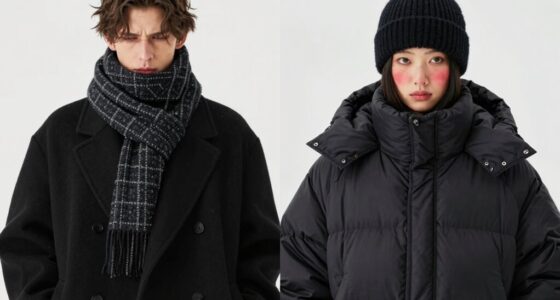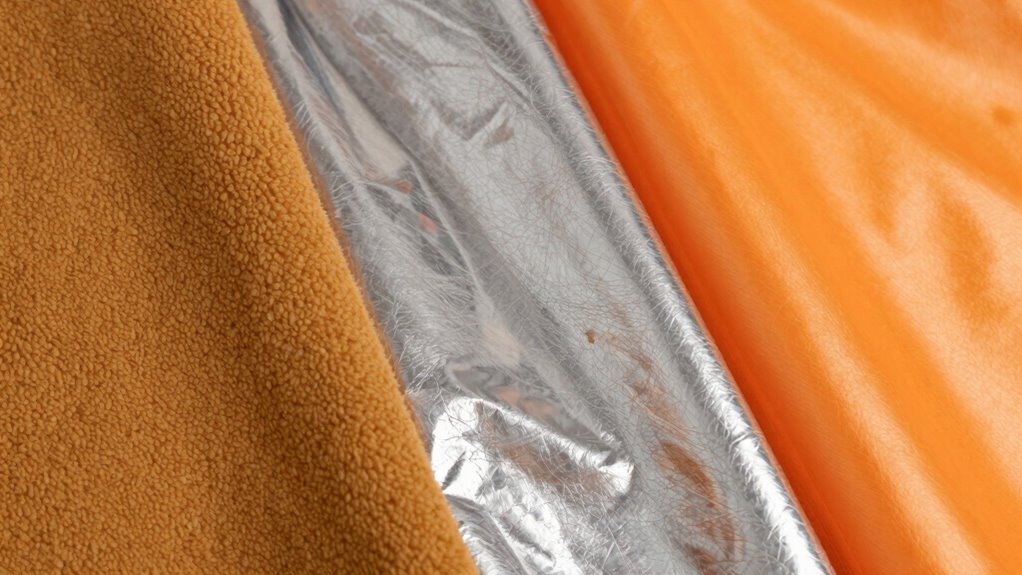

Warm clothing offers basic insulation suitable for mildly cold weather but doesn’t manage moisture well. Thermal apparel provides higher insulation with specialized fabrics that trap heat and wick away sweat, making it better for colder conditions. Heated garments incorporate electronic elements, allowing you to control warmth for extreme cold. If you want to know how each type performs in different activities and environments, keep exploring to find the best option for your needs.

Get your wardrobe favorites delivered free with Prime
- Fast, free delivery on millions of items
- Prime Video, Amazon Music and more included
- Member-only deals all year
Key Takeaways
- “Warm” clothing provides basic insulation with thicker fabrics but limited moisture management.
- “Thermal” apparel offers higher insulation with moisture-wicking fabrics for better sweat management.
- “Heated” garments contain electronic elements that allow adjustable heat levels for extreme cold.
- Thermal and heated clothing are designed for colder environments, focusing on insulation and advanced technology.
- Moisture management and breathability are vital across all types for comfort and effective insulation.
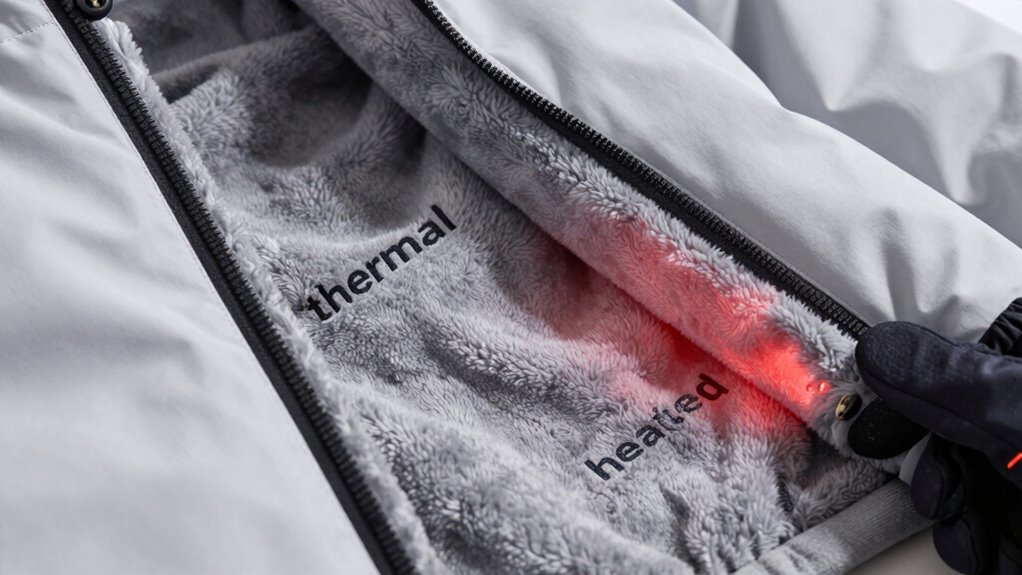
When it comes to staying comfortable in cold weather, understanding the language of apparel is essential. Terms like “warm,” “thermal,” and “heated” are often used interchangeably, but they actually refer to different levels of insulation and technology designed to keep you cozy. Knowing what each term means helps you choose the right clothing for your activity and environment, ensuring you stay comfortable without overheating or feeling chilled.
Starting with “warm,” this label usually describes clothing that provides a basic level of insulation. It often refers to garments made from thicker fabrics or those with added insulation layers. These clothes are great for casual outdoor activities or everyday wear when the temperature drops but isn’t extremely cold. However, just because something is labeled “warm” doesn’t guarantee it will keep you dry or regulate moisture effectively. That’s where fabric breathability and moisture wicking come into play. A well-designed “warm” piece uses fabrics that allow air to circulate and wick moisture away from your skin, preventing sweat buildup that can make you feel cold and damp. When you’re active outdoors, these features are critical for maintaining comfort and preventing overheating or chill.
“Warm” clothing offers basic insulation but may not effectively manage moisture or keep you dry during activity.
“Thermal” clothing steps up the game by incorporating specialized insulating fabrics or layers that trap body heat more efficiently. Thermal apparel often includes materials like fleece, wool blends, or synthetic fibers engineered for thermal retention. Unlike “warm” clothing, thermal wear is typically designed for colder conditions and often features moisture wicking properties to keep sweat away from your skin, which is vital for maintaining warmth. When you’re in frigid environments, thermal clothing helps you stay warm without adding excessive bulk. The key is that thermal garments are engineered to provide a high level of insulation while still allowing some breathability, balancing warmth with the ability to release excess heat and moisture. Incorporating advanced fabric technology further enhances their insulating capabilities and moisture management, making them suitable for extreme conditions. Additionally, insulation materials used in thermal clothing greatly influence their effectiveness in retaining heat.
Finally, “heated” apparel takes insulation a step further by integrating electronic heating elements. These garments can be powered by batteries and allow you to control your level of warmth. Heated clothing is ideal for extreme cold conditions or outdoor activities that keep you stationary or moving slowly, like skiing or winter camping. While these garments often incorporate advanced fabric technology for breathability, moisture wicking remains important to prevent sweat from accumulating on your skin, which can compromise comfort and warmth. Heated apparel offers customizable warmth, but you’ll want to pay attention to how well it manages moisture and airflow to maximize comfort during extended use. Moisture management in heated clothing ensures that users stay dry and comfortable, even during prolonged periods of wear.
thermal insulated clothing for cold weather
As an affiliate, we earn on qualifying purchases.
As an affiliate, we earn on qualifying purchases.
Frequently Asked Questions
How Do I Choose Between Warm, Thermal, and Heated Clothing?
You should choose between warm, thermal, and heated clothing based on your activity level and the weather. Warm clothing uses basic fabric technology for insulation, suitable for mild cold. Thermal garments feature advanced insulation layering, ideal for extreme cold or outdoor activities. Heated clothing incorporates battery-powered technology, offering adjustable warmth for prolonged exposure. Consider your environment and activity intensity to select the best option that keeps you comfortable and protected.
Are Heated Clothes Safe to Wear All Day?
Heated clothes are generally safe to wear all day when used according to manufacturer instructions. You should look out for safety features like automatic shut-offs and temperature controls. While fashion trends embrace comfort, consider the environmental impact of battery-powered apparel, and avoid prolonged use without breaks. Always prioritize safety and proper maintenance, ensuring your heated clothing remains a practical, eco-conscious choice for all-day wear.
What Materials Are Used in Thermal Apparel?
Thermal apparel uses materials like polyester, wool, and fleece that provide excellent insulation properties, trapping heat to keep you warm. Many incorporate moisture-wicking fabrics, which draw sweat away from your skin, maintaining dryness and comfort. These materials work together to regulate temperature, making thermal clothing ideal for cold conditions. You’ll find these fabrics in base layers, leggings, and tops designed to keep you warm and dry all day long.
How Long Do Heated Clothing Batteries Last?
Heated clothing batteries typically last between 2 to 8 hours, depending on usage and temperature settings. To maximize battery life, you should practice good battery maintenance, like avoiding overcharging and storing them properly. Using the clothing’s temperature regulation features wisely can also extend battery life, as higher settings drain power faster. Keep batteries warm and dry for peak performance, ensuring you stay comfortable during extended wear.
Can Thermal Clothing Be Worn in Wet Conditions?
You can wear thermal clothing in wet conditions, but check its water resistance before heading out—only garments with waterproof features will keep you dry. Notably, moisture management is vital; proper thermal gear wicks sweat away, preventing dampness from inside. While thermal clothing offers warmth, it’s best suited for dry or mildly wet environments unless specifically designed for wet conditions. Always prioritize clothing with waterproof or water-resistant features for wet weather.
heated jackets with battery powered heating
As an affiliate, we earn on qualifying purchases.
As an affiliate, we earn on qualifying purchases.
Conclusion
Remember, in apparel language, “warm,” “thermal,” and “heated” each serve a different purpose. Whether you’re layering up for a chilly day or seeking extra comfort, knowing the difference helps you choose wisely. As the saying goes, “A stitch in time saves nine,” so invest in the right gear now to stay cozy later. With this knowledge, you’ll always pick the perfect piece to keep the cold at bay.
moisture-wicking thermal base layers
As an affiliate, we earn on qualifying purchases.
As an affiliate, we earn on qualifying purchases.
As an affiliate, we earn on qualifying purchases.
Halloween Picks
halloween
As an affiliate, we earn on qualifying purchases.