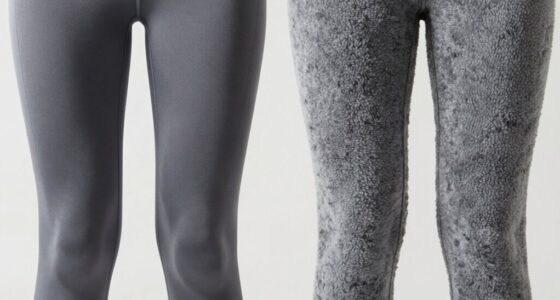
Adaptive hosiery design matters more than you might think because it directly impacts your comfort, mobility, and confidence. Unlike traditional options, it’s crafted to suit diverse needs, using seamless, flexible, and stylish fabrics that prevent irritation and improve fit. This thoughtful design not only helps those with medical or physical challenges, but also promotes inclusivity and confidence for everyone. Keep exploring, and you’ll discover how these innovations are changing the way we view everyday fashion.

Get your wardrobe favorites delivered free — and shop member deals
- Fast, free delivery on millions of items
- Access to Prime Big Deal Days deals on October 6–7
- Prime Video, Amazon Music and more included
Key Takeaways
- Adaptive hosiery offers customized fit and comfort, addressing individual needs often overlooked by traditional designs.
- It enhances mobility and reduces health risks, especially for users with medical or physical challenges.
- Stylish, innovative designs break stereotypes, making adaptive hosiery a fashionable and inclusive choice.
- Advanced materials improve durability, functionality, and aesthetic appeal, promoting wider acceptance.
- Inclusive design fosters dignity and confidence, normalizing adaptive options as standard in everyday fashion.
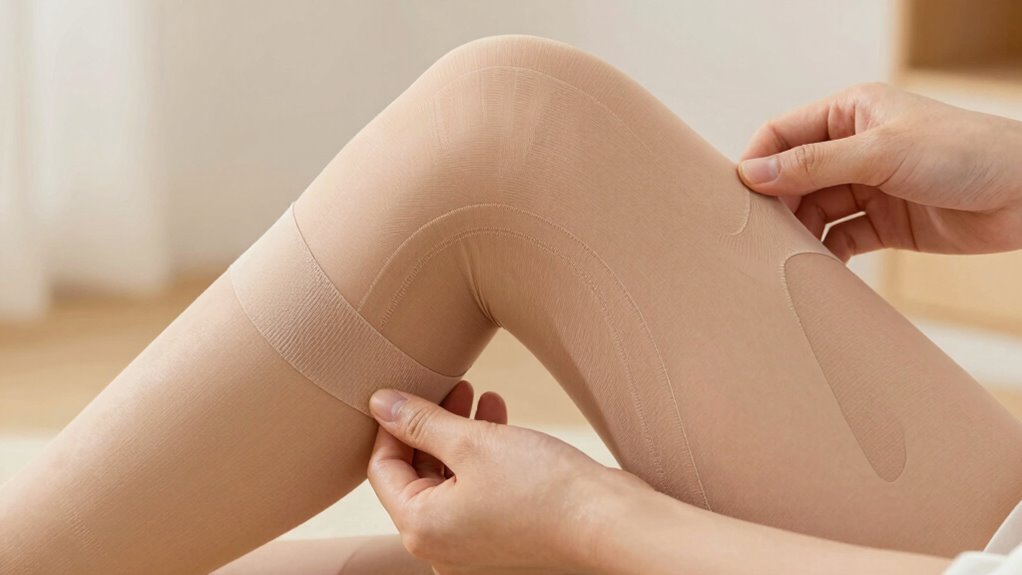
Have you ever wondered how hosiery can better serve people with diverse needs? It’s a question that’s gaining more attention as adaptive hosiery design evolves. Traditionally, hosiery has been a one-size-fits-all product, but that approach often leaves many individuals uncomfortable or underserved. Today, fashion innovation is pushing boundaries, creating solutions that prioritize both style and utility. Adaptive hosiery isn’t just about looking good — it’s about making sure everyone feels comfortable and confident, regardless of their physical or medical needs.
When you consider the importance of comfort enhancement, it becomes clear why adaptive designs matter so much. For people with mobility challenges, swelling, or sensitive skin, traditional stockings can be restrictive, cause discomfort, or even exacerbate health issues. Adaptive hosiery incorporates features like seamless construction, adjustable closures, and moisture-wicking fabrics that cater to these specific needs. This means you can enjoy a better fit, reduced irritation, and all-day comfort. It’s not just a matter of convenience; it’s about improving quality of life. You don’t have to settle for hosiery that limits movement or causes discomfort anymore — innovative designs now prioritize ergonomic support and ease of wear.
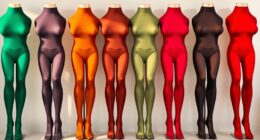
Fashion innovation plays a pivotal role in making adaptive hosiery appealing and accessible. Designers are blending functionality with style, offering a wide range of colors, patterns, and textures that match current fashion trends. This way, you can wear adaptive hosiery confidently, knowing it complements your look. The integration of smart textiles and adaptive features allows for easier donning and doffing, making the process less frustrating and more empowering. No longer are adaptive options seen as medical or specialized; they’re becoming a fashionable choice for everyday wear. This shift encourages more people to embrace adaptive hosiery without feeling self-conscious or limited by their needs. Understanding the importance of inclusive design helps promote acceptance and wider adoption of these innovative products.
In addition, advancements in adaptive textile technology are making these products more durable, functional, and stylish, further encouraging broader acceptance. Recognizing the role of innovative materials highlights how technology is transforming the industry and enhancing product performance. Embracing these technological developments allows manufacturers to create solutions that are not only practical but also visually appealing. Understanding why adaptive hosiery design matters more than many shoppers realize shifts your perspective on what hosiery can do. It’s not just about aesthetics; it’s about accessibility, comfort, and dignity. As fashion innovation continues to drive improvements, you benefit from products that are both functional and fashionable. Whether you’re managing a medical condition, recovering from surgery, or simply seeking more comfortable options, adaptive hosiery offers solutions that respect your individuality. By supporting these advancements, you help foster a more inclusive approach to fashion—one where everyone’s needs are met with thoughtful design and style. Recognizing the importance of adaptive hosiery design can help promote a more inclusive and innovative industry.
Frequently Asked Questions
How Does Adaptive Hosiery Improve Comfort for Long-Term Wear?
Adaptive hosiery improves comfort for long-term wear by providing targeted compression benefits, which help reduce fatigue and improve circulation. It’s designed to accommodate skin sensitivity, using gentle, breathable fabrics that prevent irritation. As a result, you experience less discomfort and chafing over extended periods. This thoughtful design keeps your legs comfortable, supporting your daily activities without sacrificing comfort or skin health.
Are Adaptive Hosiery Options Suitable for All Age Groups?
Adaptive hosiery is like a chameleon, fitting seamlessly across all ages. No matter your stage of life, you can embrace its comfort and style versatility, blending with fashion trends effortlessly. Whether you’re young or young at heart, these designs adapt to your needs, offering a perfect fit and timeless appeal. They bridge generations, proving that comfort and style are universal, making adaptive hosiery a smart choice for everyone.
What Materials Are Commonly Used in Adaptive Hosiery?
You’ll find that adaptive hosiery commonly uses materials like nylon, spandex, and cotton, offering fabric durability and flexibility. These fabrics guarantee the hosiery withstands daily wear while providing comfort. Plus, manufacturers often incorporate a wide color variety, helping you choose options that match your style and needs. This combination of durable, flexible fabrics and vibrant colors makes adaptive hosiery both practical and appealing for various users.
How Does Adaptive Design Impact Cost Compared to Regular Hosiery?
Adaptive hosiery typically costs more than regular options due to increased manufacturing challenges and specialized design details. You’ll notice higher pricing strategies because of the need for precise construction and unique materials. These manufacturing challenges demand extra effort and innovation, which drive up costs. However, this investment provides you with better support, comfort, and accessibility, making adaptive hosiery a worthwhile, though pricier, choice for those who need it most.
Can Adaptive Hosiery Be Customized for Specific Medical Needs?
Yes, adaptive hosiery can be customized for specific medical needs through custom fit and medical customization. You can work with specialists to tailor the design, compression, and materials to suit your unique health requirements. This personalized approach guarantees better comfort, support, and effectiveness, especially for conditions like circulation issues or edema. By opting for medical customization, you get hosiery that addresses your precise needs, enhancing your overall well-being.
Conclusion
You might not realize it, but adaptive hosiery design truly makes a difference. Did you know that over 15 million people in the U.S. experience mobility challenges, yet many struggle to find suitable hosiery? By prioritizing adaptive features, you can improve comfort, accessibility, and confidence for everyone. So next time you’re shopping, remember how thoughtful design can change lives—making everyday essentials more inclusive and functional for all.
Fall Picks
fall essentials
As an affiliate, we earn on qualifying purchases.