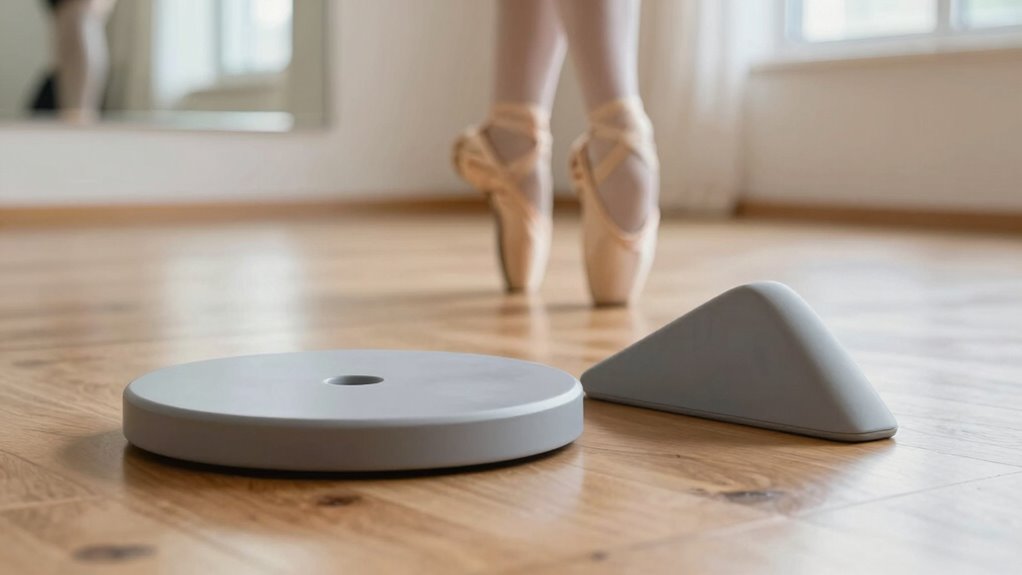

Balance tools are useful beyond dance training because they improve your posture, reduce pain, and prevent injuries by strengthening your core and stabilizer muscles. They boost your coordination and motor control, making everyday movements safer and more efficient. Plus, incorporating these tools into your daily routine enhances body awareness and resilience, helping you handle unexpected situations with confidence. Keep exploring how these simple additions can make a big difference in your overall health and well-being.
Listen free for 30 days with Audible
Thousands of audiobooks and originals — cancel anytime.
As an affiliate, we earn on qualifying purchases.
Key Takeaways
- Balance tools improve posture and reduce chronic pain in daily activities and work-related tasks.
- They enhance proprioception and stabilizer muscle strength, decreasing fall risk and aiding injury recovery.
- Regular use boosts coordination, motor control, and confidence in navigating complex or crowded environments.
- Balance tools are versatile, affordable, and easily integrated into home or office routines for ongoing wellness.
- They promote overall brain health, mindfulness, and body awareness, supporting long-term physical and mental resilience.
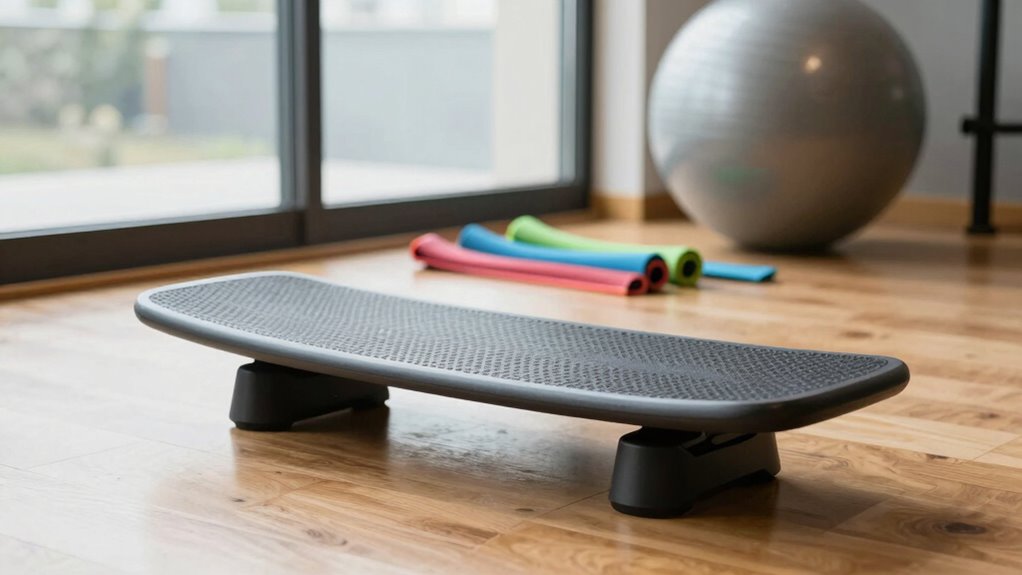
While dance training naturally emphasizes balance, these tools can be just as effective in other areas of life. Whether you’re aiming to improve your posture or prevent injuries, using balance tools outside of dance can make a real difference. You might not think about it often, but your daily habits—like sitting at a desk or carrying groceries—can strain your body and lead to poor posture. Balance tools help you develop core strength and stability, which are essential for maintaining proper alignment. When your posture improves, you reduce the risk of developing chronic pain or repetitive strain injuries. Better posture also means your body functions more efficiently, making everyday activities easier and less tiring.
Injury prevention is another significant benefit of incorporating balance tools into your routine. When your body has better proprioception, or awareness of its position, you’re less likely to stumble, fall, or overcompensate during movement. This heightened awareness helps you engage muscles properly and prevent strains or sprains. For instance, standing on a balance board or using stability balls challenges your stabilizer muscles, which are often neglected in traditional workouts. Strengthening these muscles creates a more resilient body capable of handling sudden shifts or impacts, especially during physical activities or even routine tasks. Additionally, improving proprioception through balance exercises can help you recover more quickly from minor injuries by enhancing your body’s natural healing responses. Incorporating neuroplasticity into your training can further amplify these benefits, as it encourages your nervous system to adapt and strengthen its response to challenges. This connection highlights the importance of sensory feedback in effective balance training, which is a key element supported by recent research. Moreover, engaging in balance training can stimulate neural pathways, promoting overall brain health and cognitive function.
Using balance tools also improves coordination and motor control. When you regularly challenge your stability, your nervous system learns to respond more quickly and accurately. This can translate into better performance during sports, outdoor activities, or even navigating crowded environments. As your coordination improves, so does your confidence in moving safely through different situations. This confidence is crucial for injury prevention because it encourages you to move intentionally and carefully, reducing the likelihood of accidental falls or mishaps.
Furthermore, balance tools can be seamlessly integrated into daily routines, making them accessible and convenient. You don’t need a gym or extensive equipment—simple tools like balance discs, wobble boards, or Bosu balls can be used at home or in the office. Regular use not only enhances your physical health but also promotes mindfulness about your body’s alignment and movement patterns. Over time, these small adjustments lead to better posture and fewer injuries, supporting your overall well-being. Incorporating balance training into your lifestyle can also boost your confidence in handling unexpected situations, both in everyday life and in sports.
In essence, balance tools are versatile assets that extend their benefits far beyond dance studios. They help you develop better posture, prevent injuries, and move more confidently through life’s everyday challenges. Incorporating them into your routine can bring lasting improvements, making your body more resilient and your movements more precise.
balance board for stability training
As an affiliate, we earn on qualifying purchases.
As an affiliate, we earn on qualifying purchases.
Frequently Asked Questions
Can Balance Tools Improve Athletic Performance Outside of Dance?
Yes, balance tools can improve your athletic performance outside of dance. They enhance neuromuscular coordination and proprioceptive training, which helps you better control your movements and maintain stability during various sports activities. Using these tools regularly challenges your balance, strengthens your core, and boosts overall athleticism. Incorporating balance exercises into your routine can lead to faster reflexes, reduced injury risk, and improved performance across different sports disciplines.
Are Balance Tools Suitable for Elderly Fitness Routines?
Imagine standing firm like a sturdy tree, roots grounding you. Balance tools are perfect for elderly fitness routines, helping improve mobility and prevent falls. They provide gentle support as you challenge your stability, strengthening muscles and boosting confidence. Using these tools regularly can make everyday movements safer, helping you stay active and independent longer. Incorporate balance exercises into your routine, and you’ll feel steadier with each step you take.
How Often Should Beginners Use Balance Tools for Optimal Benefits?
As a beginner, you should use balance tools about two to three times a week for the best benefits. Follow beginner guidelines by starting with short sessions, around 10-15 minutes, and gradually increasing intensity and duration. Consistency is key, so listen to your body and avoid overdoing it. Regular practice with balance tools improves stability, coordination, and overall fitness, making daily activities easier and reducing injury risk.
Can Balance Tools Help With Injury Recovery?
Think of balance tools as your recovery compass—they guide you back to strength. Yes, they can help with injury recovery by promoting muscle rehabilitation and improving stability. Using them regularly can prevent re-injury and enhance your body’s resilience. By focusing on injury prevention and targeted muscle rehab, you’ll rebuild confidence and stability, transforming setbacks into comebacks. Balance tools are your supportive allies in healing and strengthening.
Are There Different Types of Balance Tools for Specific Activities?
Yes, there are different types of balance tools designed for specific activities, enhancing your skill development. For instance, wobble boards and balance discs target stability for sports like soccer or gymnastics, while stability balls help improve core strength for activities like yoga or Pilates. Choosing the right balance tools depends on your activity goals, allowing you to focus on skill development and injury prevention effectively.
stability ball for core strengthening
As an affiliate, we earn on qualifying purchases.
As an affiliate, we earn on qualifying purchases.
Conclusion
Balance tools aren’t just for dancers—they’re your secret weapon for everyday life. Think of them as the steady anchor in a stormy sea, helping you stay grounded amid chaos. By incorporating these tools into your routine, you’ll find stability, confidence, and agility in ways you never imagined. So, why not harness the power of balance? It’s the bridge that connects your physical strength to a more resilient, vibrant you—ready to take on anything life throws your way.
balance trainer for posture improvement
As an affiliate, we earn on qualifying purchases.
As an affiliate, we earn on qualifying purchases.
As an affiliate, we earn on qualifying purchases.
NFL season / tailgating Picks
team gear
As an affiliate, we earn on qualifying purchases.