To make your tights last longer and cut down waste, wash them gently in lukewarm water using mild detergent, preferably turning them inside out. Air dry flat or hang without stretching, avoiding direct sunlight and tumble drying. Store tights carefully by folding or rolling, not balling or hanging. Handle them carefully during wear, avoid snags, and repair small tears quickly. Follow these tips to keep your tights in great shape longer—learn more insider strategies below.
Key Takeaways
- Hand wash tights in lukewarm water with mild detergent, turning them inside out to prevent pilling and fiber damage.
- Air dry tights flat or hung without stretching, avoiding direct sunlight and tumble drying to preserve elasticity and color.
- Handle tights gently during donning and removal, avoiding rough surfaces, jewelry, and sharp objects that can cause runs or tears.
- Store tights properly by folding or rolling, using protective containers to prevent snags, stretching, and shape distortion.
- Repair small tears promptly with patches or glue, and rotate multiple pairs to reduce wear and extend overall lifespan.
Proper Washing Techniques for Longevity
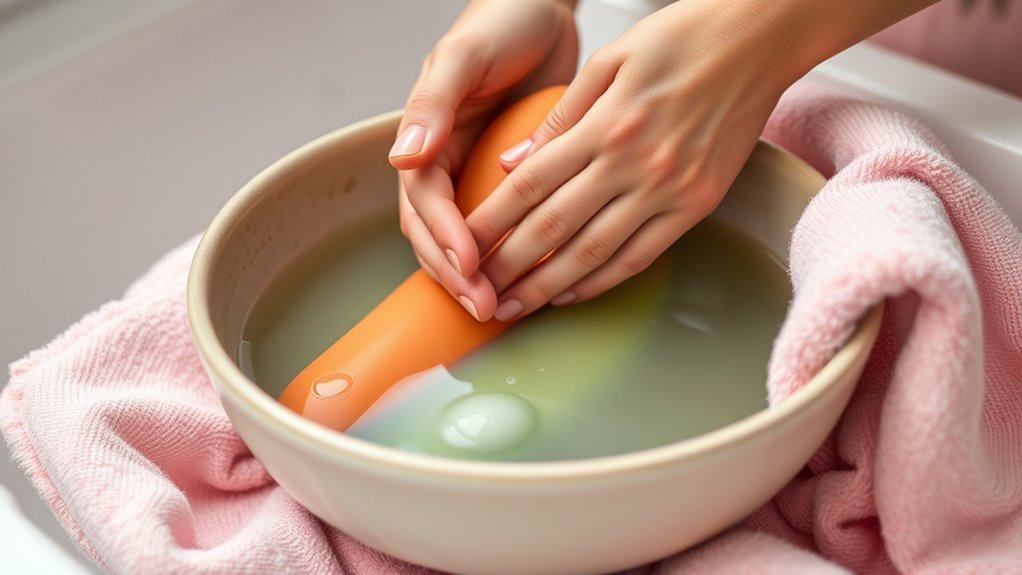
To make sure your tights last longer, it’s essential to follow proper washing techniques. Hand washing is the safest method; use lukewarm water and a mild detergent to protect the fibers and maintain elasticity. If you prefer machine washing, place your tights in a mesh laundry bag, select a gentle cycle, and use cold water to prevent damage. Avoid harsh chemicals, bleach, and hot water, as these can weaken or discolor the fabric. Soaking your tights for 10 to 30 minutes helps eliminate odors and bacteria, especially in high-wear areas. Always rinse thoroughly to remove soap residue, which can cause stiffness or fabric deterioration over time. Proper washing preserves the shape and integrity of your tights, extending their lifespan considerably. Additionally, understanding fiber care can help you choose the right cleaning methods to further prolong their wear.
Effective Drying Methods to Preserve Fabric

After washing your tights properly, drying them correctly is key to maintaining their shape and fabric integrity. To do this, avoid heat and direct sunlight, which weaken fibers and cause fading. Instead, opt for air drying methods that preserve elasticity and color. Lay your tights flat on a clean towel or hang them to dry without stretching the waistband. Gently press out excess water with a towel, avoiding wringing or twisting. Make sure they’re completely dry before storing to prevent mildew and odor. Proper fabric care techniques also help maintain the quality of delicate fibers, ensuring your tights last longer. Additionally, using modern laundry appliances can optimize drying without damaging delicate fabrics. Proper drying not only prevents damage but also supports sustainable wardrobe practices by reducing waste. Ensuring good air circulation during drying can also accelerate the process and prevent musty odors. Remember, tumble drying damages delicate fibers and should always be avoided. Proper drying maintains the quality and longevity of your tights, reducing the need for early replacements and waste. Following proper airless paint sprayer techniques and maintenance routines can also help ensure your tools last longer and perform better, just as proper drying preserves your tights. Follow these simple steps for lasting wear and fabric preservation.
Smart Storage Solutions to Prevent Damage
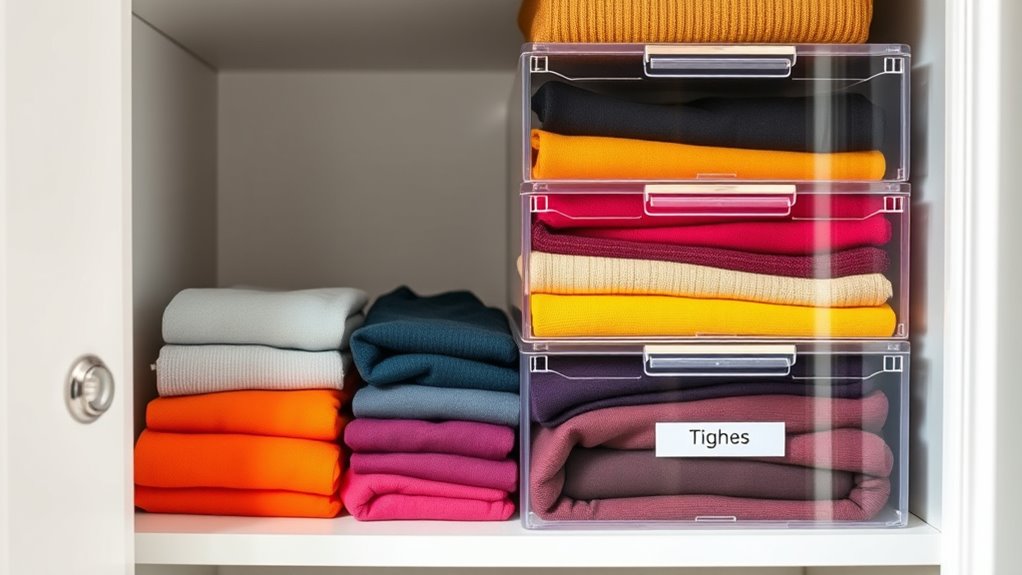
Proper storage is essential for maintaining the elasticity and appearance of your tights. To prevent damage, fold or roll them carefully instead of balling them up, which can cause creases and weaken fibers. Store tights separately from rough fabrics or items with sharp edges to avoid snags and tears. Use drawer dividers or small storage bags to keep them organized and protected. Keep tights away from rough surfaces, splintered wood, or anything that might snag them. Consider using plastic baggies for extra protection during long-term storage or travel. Avoid hanging tights by the waistband, as stretching can distort their shape. Additionally, using appropriate storage containers can help maintain their shape and prevent deformation. Regularly inspecting and replacing damaged storage solutions can further extend their lifespan, ensuring your tights stay in excellent condition longer. Incorporating proper support and cushioning inside storage containers can further prevent accidental tears and preserve delicate fabrics. Ensuring your storage methods align with lifestyle habits can optimize their effectiveness and keep your tights in top condition. By implementing these smart storage solutions, you’ll help preserve your tights’ elasticity, prevent damage, and extend their wearable life.
Tips to Avoid Snags and Runs
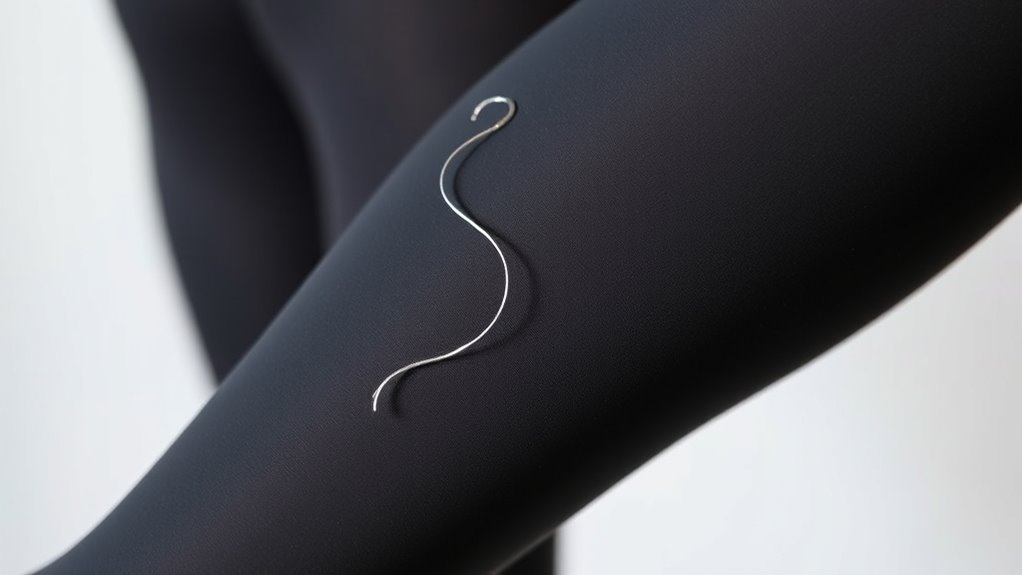
Taking care of your tights extends beyond smart storage; it also involves being mindful during wear to prevent snags and runs. Being careful can save you from unnecessary tears and extend their lifespan. Avoid exposing tights to rough fabrics like denim or leather that can snag easily. Keep nails trimmed and smooth to avoid catching on fibers. Remove jewelry and accessories that could snag the fabric. Roll tights on gently, avoiding pulling or yanking. Steer clear of abrasive surfaces that might damage the delicate fibers of your tights. Additionally, being aware of sharp objects in your environment can help prevent accidental tears. Proper handling can also reduce fabric stress, helping your tights last longer. Incorporating proper storage techniques can further prevent damage during everyday use. Wear socks over tights if your shoes have zippers or rough interiors.
Repair Strategies to Extend Tights’ Life

When your tights develop small snags or tears, addressing them promptly can substantially extend their lifespan. Use clear nail polish on tiny runs or snags to prevent them from worsening. For larger tears, grab a sewing kit and carefully stitch the edges together, reinforcing weak seams. Always repair tights as soon as you notice damage to avoid further tearing and prolong wear. Incorporating preventative measures such as gentle handling and proper storage can also help maintain their quality over time. Proper fabric care can significantly reduce the likelihood of damage occurring in the first place. Additionally, understanding fabric properties can be useful if you’re interested in customizing vehicle performance, but always ensure proper maintenance to extend the life of your garments too. Here’s a quick guide:
| Repair Method | Best Use Case |
|---|---|
| Nail Polish | Small snags or minor runs |
| Sewing Kit | Larger tears or reinforced seams |
| Fabric Glue | Quick fixes for frayed edges |
Quick, effective repairs can save you money and reduce waste, keeping your tights looking good longer.
Best Practices for Wearing and Maintaining Tights

Caring for your tights while wearing them guarantees they stay in good shape and last longer. To do this, handle them gently and avoid unnecessary stretching. Always put on tights carefully, starting from the toes and slowly pulling up to prevent runs. Keep jewelry and rough fabrics away to reduce snags. When sitting or moving, be mindful of sharp edges or rough surfaces that can cause damage. Wearing socks over tights when using shoes with zippers or rough interiors adds extra protection. Avoid pulling or yanking; instead, adjust them gradually. Properly storing tights after wear also helps maintain their elasticity and prevent damage. Proper handling techniques can significantly enhance their lifespan. Using pimple patches on blemishes can help prevent skin irritation caused by scratching or picking at tights or skin. Following these simple practices can extend your tights’ lifespan and keep them looking fresh longer.
Frequently Asked Questions
How Often Should I Replace My Tights for Optimal Sustainability?
You should replace your tights when they develop persistent runs, tears, or significant fabric wear that can’t be repaired. Typically, this means every 6 to 12 months with regular use and proper care. By paying attention to signs of damage and repairing small snags early, you can extend their lifespan. Proper maintenance helps you get the most out of your tights, reducing waste and supporting sustainability.
Are There Eco-Friendly Detergents Suitable for Delicate Tights?
Yes, you can choose eco-friendly detergents that are gentle on delicate tights. Look for plant-based, biodegradable options free from harsh chemicals, phosphates, and dyes. These eco-friendly detergents clean effectively while reducing environmental impact and preserving your tights’ elasticity. Always check labels to make certain they’re suitable for delicate fabrics. Using such detergents helps protect both your tights and the planet, supporting sustainable living.
Can I Wear Tights Multiple Days in a Row Without Washing?
Yes, you can wear tights multiple days in a row if you take proper care. After each wear, turn them inside out and let them air out to reduce odor and bacteria. Spot clean any stains and avoid excessive friction. When not in use, store them carefully to prevent snags. If they start to smell or feel sweaty, wash them gently with a mild detergent before wearing again to keep them fresh and prolong their lifespan.
What Are the Signs That Tights Need Repair or Replacement?
You’ll notice tights need repair or replacement if you see persistent snags, runs, or tears that won’t stay closed after attempts to fix them. Also, if the fabric becomes thin, stretched out, or loses elasticity, it’s time to replace. Discoloration or fading that affects your look is another sign. Regularly check for these issues to keep your tights in good shape and avoid sudden wardrobe mishaps.
How Can I Tell if My Tights Are Still Stretching Properly?
You can tell if your tights are still stretching properly by checking their fit after putting them on. If they feel snug but not painfully tight, they’re likely still elastic. If they feel loose or you notice sagging around your legs or waistband, they may have lost their stretch. Also, try gently pulling the fabric; if it stretches back smoothly, your tights are still in good shape.
Conclusion
By following these care tips, you can keep your tights looking great and last longer. Treat them gently, store them properly, and fix small issues before they grow. Remember, a stitch in time saves nine—caring for your tights now prevents waste later. With a little effort, you’ll enjoy your favorite tights for many wears to come, saving money and reducing environmental impact in the process. Keep them in good shape, and they’ll serve you well!