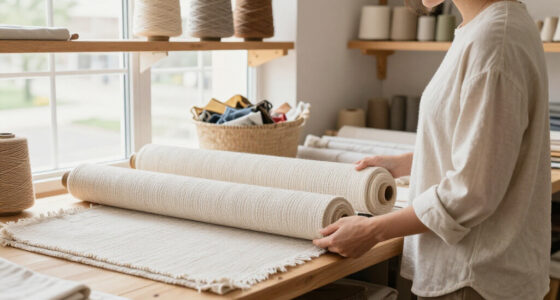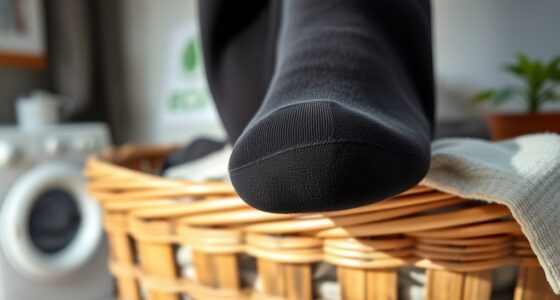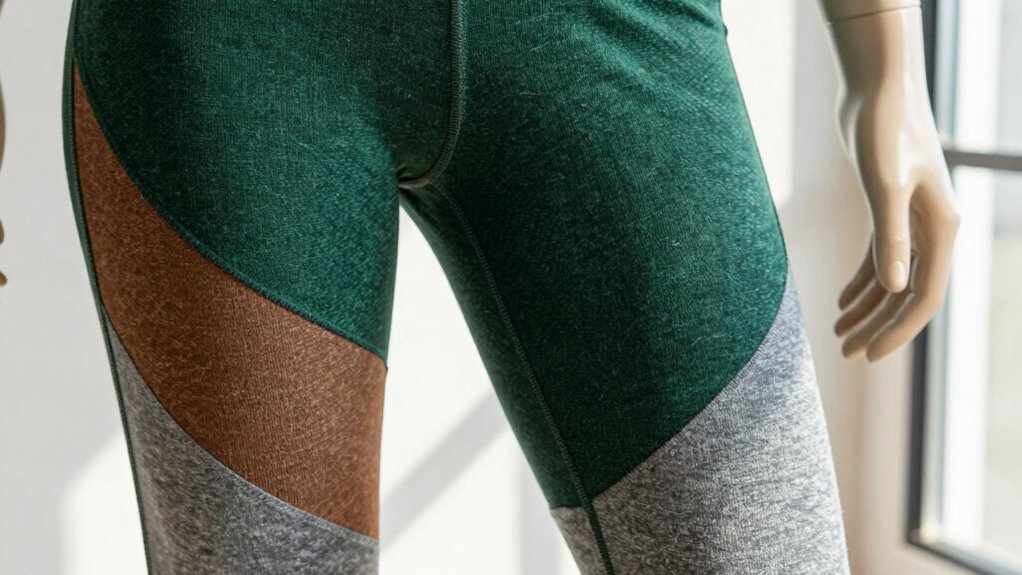
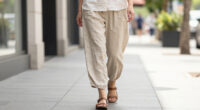
Recycled fibers are gaining ground in legwear because they offer an eco-friendly alternative that appeals to your environmentally conscious choices. Made from post-consumer plastics, textile scraps, and waste, these fibers help reduce landfill waste and reliance on virgin resources. Brands are turning to them to lower carbon footprints and meet consumer demand for sustainability. When combined with eco-friendly dyes and advanced recycling tech, recycled fibers make stylish, durable, and responsible legwear options. Keep exploring to discover more about this sustainable shift.

Get your wardrobe favorites delivered free with Prime
- Fast, free delivery on millions of items
- Prime Video, Amazon Music and more included
- Member-only deals all year
Key Takeaways
- Increasing consumer demand for sustainable and eco-friendly fashion options drives the adoption of recycled fibers in legwear.
- Advances in recycling technologies improve fiber quality and affordability, encouraging brands to incorporate recycled materials.
- Recycled fibers help reduce environmental impact by diverting waste from landfills and lowering reliance on virgin resources.
- Integration with eco-friendly dyes enhances the sustainability of recycled fiber-based legwear without compromising color vibrancy.
- Brands aim to enhance their eco-credentials and appeal to eco-conscious shoppers by adopting sustainable, recycled fiber products.

Recycled fibers are transforming the legwear industry by offering an eco-friendly alternative to traditional materials. As consumers grow more conscious of their environmental impact, brands are seeking sustainable sourcing options that reduce waste and lessen their carbon footprint. Recycled fibers, made from post-consumer plastics, textile scraps, and other waste materials, provide a practical solution that aligns with these values. By choosing legwear made from recycled fibers, you’re supporting efforts to divert waste from landfills and reduce the reliance on virgin resources. This shift isn’t just about environmental responsibility; it also taps into a broader movement toward sustainable fashion that appeals to eco-aware shoppers like you.
One of the key reasons recycled fibers are gaining popularity is their ability to be integrated with eco friendly dyes. Traditional dyes can be harmful to the environment, often polluting water sources and consuming large amounts of water and energy. Eco friendly dyes, however, are designed to minimize these impacts. They use less water, produce fewer pollutants, and often rely on natural or low-impact chemical processes. When combined with recycled fibers, eco friendly dyes create a more sustainable production cycle that reduces overall environmental harm. This synergy allows brands to produce vibrant, durable legwear without sacrificing their commitment to sustainability, which is something you increasingly look for when choosing products. You want your fashion choices to reflect your values, and recycled fibers with eco friendly dyes make that easier. Additionally, ongoing advancements in recycling processes are making recycled fibers more accessible and affordable for brands and consumers alike. Innovations in fiber recycling technology continue to improve the quality and variety of recycled fibers, expanding their use in fashion. Furthermore, sustainable manufacturing methods are being developed to further enhance the environmental benefits of recycled fibers, making them an even more appealing choice for eco-conscious shoppers. Moreover, increased research is focused on developing more efficient recycling methods, which could further enhance the sustainability of recycled fibers in the future.
Popular right now

Sony WH-1000XM4C Wireless Noise-Cancelling Headphones, Black

Hisense 85 U6 Pro Series Mini-LED ULED 4K UHD HDR Gaming AI Smart Fire TV (85U6SF Pro)

KitchenAid Artisan 5-Quart Tilt-Head Stand Mixer, KSM150PS, Almond Cream
As an affiliate, we earn on qualifying purchases.
Frequently Asked Questions
How Do Recycled Fibers Compare in Durability to Virgin Fibers?
Recycled fibers often match or even surpass virgin fibers in durability, especially when fiber blending enhances wear resistance. You’ll find that well-blended recycled fibers provide strong, long-lasting legwear that resists pilling and tearing. While virgin fibers may initially seem more durable, advances in recycling technology and fiber treatments boost the wear resistance of recycled options, making them a reliable, eco-friendly choice for durable, comfortable legwear.
Are Recycled Fibers More Expensive Than Traditional Materials?
Is the price tag on recycled fibers higher than traditional materials? Not necessarily. While initial cost comparison might suggest so, their supply chain often reduces expenses over time. You benefit from lower raw material costs and a more sustainable image, which appeals to eco-conscious consumers. As demand grows, economies of scale could make recycled fibers more affordable, turning eco-friendly choices into smart financial decisions for your legwear products.
What Environmental Benefits Do Recycled Fibers Provide?
Recycled fibers offer significant environmental benefits by supporting eco-friendly manufacturing and waste reduction. When you choose products made from recycled fibers, you’re helping lower landfill waste and decrease reliance on virgin resources. This process minimizes pollution and conserves energy, making your fashion choices more sustainable. By opting for recycled fibers, you contribute to a healthier planet while enjoying durable, stylish legwear that aligns with eco-conscious values.
Can Recycled Fibers Be Recycled Again After Use?
Yes, recycled fibers can be recycled again after use. The key is maintaining fiber purity during the recycling process, which guarantees the fibers remain suitable for reuse. When you recycle fibers, the process involves breaking down the material and carefully separating contaminants, allowing the fibers to be reused in new products. This cycle helps extend the life of the fibers while supporting sustainable manufacturing practices.
Do Recycled Fibers Affect the Comfort of Legwear?
Recycled fibers can affect the comfort of legwear, but it depends on their quality and how they’re processed. High-quality recycled fibers often maintain good fiber softness, ensuring your skin feels comfortable. They also offer effective moisture management, helping you stay dry and fresh throughout the day. Modern manufacturing techniques improve these aspects, so recycled fibers can provide the same comfort, softness, and moisture control as virgin materials, making your legwear both eco-friendly and comfortable.
Conclusion
As you consider choosing recycled fibers for legwear, it’s clear they’re not just eco-friendly but also durable and stylish. Some experts argue that recycled fibers can match or even surpass traditional materials in quality, challenging the myth that sustainability compromises performance. Embracing these fibers allows you to make a conscious choice without sacrificing comfort or style, proving that eco-conscious fashion isn’t just a trend but a thoughtful shift towards a more sustainable future.