To build an eco-friendly tights wardrobe, start by choosing sustainable materials like recycled nylon, Tencel™, or plant-based fibers that reduce environmental harm. Opt for brands that prioritize waterless dyeing, recycling initiatives, and durable designs to extend wear. Avoid fast fashion and focus on versatile, long-lasting pieces. With conscious choices and smarter shopping, you can create a stylish, sustainable collection—if you continue exploring, you’ll discover even more ways to make eco-friendly fashion a part of your life.
Key Takeaways
- Choose tights made from recycled, biodegradable, or plant-based fibers like Tencel™ Lyocell or Q-GEO yarn to reduce environmental impact.
- Prioritize durable, timeless styles to extend wear and minimize frequent replacements, supporting a sustainable wardrobe.
- Support brands with eco-friendly certifications, waterless dyeing, and circular economy initiatives to ensure responsible production.
- Incorporate tights from closed-loop recycling programs, such as ECONYL® nylon, to promote reuse and waste reduction.
- Invest in quality, versatile pieces within a reasonable budget to build an eco-conscious hosiery collection that lasts.

FALKE Men's Tiago Socks, Breathable, Sustainable Fil D'Écosse Cotton, Crew Length, Classic Formal Sock, Lightweight, Grey (Anthracite Melange 3095) – Sustainable, 9.5-10.5, 1 Pair
Single pack of long tights for women and teenage girls in a sustainable nylon blend partly made of…
As an affiliate, we earn on qualifying purchases.
As an affiliate, we earn on qualifying purchases.
Understanding the Environmental Impact of Traditional Hosiery

Traditional hosiery substantially impacts the environment due to its reliance on nylon, a petroleum-based fiber produced through energy- and water-intensive processes. When you discard a single pair of tights, you’re effectively throwing away about 20 plastic bottles, contributing to plastic pollution. The manufacturing process involves harmful chemicals and dyes that can pollute water sources and harm ecosystems. Most tights are designed to be disposable, despite their petroleum origins, which worsens waste issues. Every year, millions of tights end up in landfills, taking decades to decompose. This throwaway culture amplifies the environmental toll, as the production and disposal of traditional hosiery consume significant resources and generate pollution. Recognizing this impact is essential for shifting toward more sustainable choices in your wardrobe. Recycled materials are increasingly being used to create eco-friendly hosiery options that reduce environmental harm. Additionally, innovations in sustainable fiber technology are paving the way for more environmentally responsible manufacturing practices. Developing biodegradable fibers offers promising solutions to further lessen the ecological footprint of hosiery production. Incorporating circular economy principles can help minimize waste and promote reuse and recycling in the hosiery industry.

Falke, Women's, Active Breeze Socks Women, Nude, 39-42 (US 8-10.5)
TENCEL Lyocell from sustainable eucalyptus: FSC-certified, cultivation without artificial irrigation or fertilisation, free from chemical additives
As an affiliate, we earn on qualifying purchases.
As an affiliate, we earn on qualifying purchases.
Exploring Sustainable Materials and Their Benefits

By choosing hosiery made from renewable raw materials, you can considerably cut down on environmental harm. These sustainable fibers not only reduce emissions but also offer better durability, so your tights last longer. Making the switch helps support a more eco-friendly wardrobe without sacrificing quality. Incorporating sustainable materials into your wardrobe ensures a positive impact on the environment and promotes responsible fashion choices. Additionally, using biodegradable fibers can further minimize the ecological footprint of your hosiery collection. Embracing these eco-conscious options encourages innovative sustainable manufacturing practices within the fashion industry.
Renewable Raw Materials
Renewable raw materials are transforming the hosiery industry by offering sustainable alternatives to conventional fibers. Instead of relying on petroleum-based nylon, you can choose fibers derived from natural resources like industrial corn or sustainably farmed wood. For example, Q-GEO yarn made from renewable corn markedly cuts CO₂ emissions during production. Tencel™ Lyocell, sourced from sustainably grown trees, provides durability and a natural feel, lasting much longer than typical nylon tights. These materials reduce dependency on fossil fuels and help lower your environmental footprint. By opting for renewable raw materials, you support a circular economy that emphasizes responsible resource use. This shift not only benefits the planet but also ensures you’re wearing hosiery made with eco-conscious practices, contributing to a more sustainable fashion industry. Incorporating sustainable fibers into your wardrobe also encourages innovation and wider adoption of eco-friendly manufacturing processes. Additionally, utilizing renewable raw materials can help reduce the carbon footprint associated with textile production, making your fashion choices even more eco-friendly. Embracing these raw materials can also promote sustainable development within the textile sector, fostering growth that respects ecological boundaries.
Reduced Environmental Impact
Have you ever considered how choosing sustainable hosiery can substantially lower your environmental impact? By selecting tights made from eco-friendly materials, you reduce reliance on petroleum-based fibers like traditional nylon, which consume heavy amounts of energy and water during production. Sustainable fibers such as recycled polyamide, ECONYL®, or Tencel™ Lyocell help cut down waste and CO₂ emissions, making your wardrobe more eco-conscious. These materials often decompose faster or are produced using fewer chemicals, lowering pollution. Recycled fibers reuse existing waste, preventing it from ending up in landfills or oceans. Plus, innovative yarns derived from renewable resources not only lessen your carbon footprint but also support cleaner manufacturing processes. Regularly inspecting your bicycle tires in storage and choosing eco-friendly materials both contribute to sustainability efforts—whether on the road or in your wardrobe. Choosing these options means you’re actively contributing to a healthier planet, one pair of tights at a time.
Enhanced Durability
Sustainable materials not only benefit the environment but also considerably enhance the lifespan of your hosiery. These innovative fibers are designed to withstand daily wear and tear, so you get more use out of each pair. For example, plant-based Tencel™ Lyocell lasts five times longer than traditional nylon tights, reducing the need for frequent replacements. Recycled fibers like ECONYL® nylon and REPREVE polyester maintain strength while cutting down on waste. Polyamide 6.6 solutions and Q-GEO yarns combine durability with eco-friendliness, ensuring your tights hold up over time. Additionally, the use of performance-enhancing fibers can improve resistance to snags and tears, extending the life of your hosiery further. Incorporating eco-friendly sustainable fibers into your wardrobe supports both longevity and environmental conservation. To maximize durability, selecting fibers with tear resistance properties can further prolong the lifespan of your tights. Moreover, advances in fiber technology are continuously improving the resilience of sustainable hosiery options, making them a practical choice for eco-conscious consumers.

Matter Compostable Assorted Kitchen Bags, 230 Count, Biodegradable, Eco-Friendly Resealable Food Storage Variety Pack, 80 Snack, 80 Sandwich, 50 Quart & 20 Gallon
VARIETY PACK: Discover convenience with this organizer that is sized to fit your kitchen drawer! 11"L x 10"W…
As an affiliate, we earn on qualifying purchases.
As an affiliate, we earn on qualifying purchases.
Manufacturing Processes That Reduce Ecological Footprints
You can reduce your environmental impact by choosing hosiery made with waterless dyeing techniques that cut water use considerably. Production facilities powered by solar energy further lessen carbon footprints while operating efficiently. Harnessing solar power in manufacturing processes not only supports energy efficiency but also promotes the use of renewable resources. Incorporating renewable energy sources like solar panels can significantly lower greenhouse gas emissions associated with production. Additionally, implementing energy-efficient machinery helps minimize overall energy consumption during production. Zero-waste manufacturing methods ensure minimal textile waste, making your choices more sustainable from start to finish. Incorporating sustainable ingredients in production processes further enhances eco-friendly practices.
Waterless Dyeing Techniques
Did you know that traditional textile dyeing consumes vast amounts of water, energy, and chemicals, considerably harming the environment? Waterless dyeing techniques offer a sustainable alternative that minimizes resource use and pollution. Instead of soaking fabrics in dye baths, these methods use innovative technologies like CO₂-based or foam dyeing, which require little to no water. This process reduces wastewater, energy consumption, and chemical runoff. Plus, it maintains vibrant colors and fabric quality. Here are some key benefits:
- Significantly cuts water usage during dyeing
- Decreases chemical waste and pollution
- Lowers energy consumption
- Produces consistent, high-quality colors
- Enables faster production cycles
- Tableware materials are often chosen to reflect eco-conscious trends in textile manufacturing.
Solar-Powered Production Facilities
Manufacturing facilities powered by solar energy are transforming the hosiery industry by considerably reducing ecological footprints. By harnessing the sun’s power, these factories cut reliance on fossil fuels, lowering greenhouse gas emissions and air pollution. Solar panels installed on rooftops or integrated into factory grounds generate clean electricity, powering machines and lighting systems efficiently. This shift minimizes energy consumption and reduces costs in the long run. Additionally, solar-powered facilities often implement smarter energy management, further decreasing waste. The use of renewable energy supports sustainable production practices, aligning with eco-conscious brand goals. As more hosiery brands adopt solar energy, the industry moves toward a greener future, ensuring manufacturing processes leave a smaller environmental impact while maintaining high-quality standards.
Zero-Waste Manufacturing Methods
Implementing zero-waste manufacturing methods allows hosiery producers to minimize material waste and environmental impact by designing processes that reuse or repurpose scraps and offcuts. This approach guarantees fewer textiles end up in landfills and reduces resource consumption. You’ll find manufacturers integrating innovative techniques like pattern efficiency to maximize fabric use, recycling textile scraps into new fibers, and employing advanced cutting technologies that eliminate excess waste. These methods help create sustainable products without sacrificing quality or durability.
- Utilizing digital pattern making to optimize fabric layout
- Recycling leftover yarns into new fibers or insulation materials
- Using laser cutting to reduce fabric scraps
- Incorporating modular designs that minimize waste during assembly
- Partnering with suppliers committed to zero-waste practices

Danskin womens Ultrasoft Microfiber Footed Tight, Light Toast, C
Material: Danskin Women's Ultrasoft Microfiber Footed Tights made of Signature microfiber smooth fitting Nylon/Spandex construction with durable and…
As an affiliate, we earn on qualifying purchases.
As an affiliate, we earn on qualifying purchases.
Innovative Recycling and Upcycling Solutions in Hosiery
Innovative recycling and upcycling solutions are transforming the hosiery industry by turning discarded tights into valuable raw materials. Companies like Swedish Stockings separate nylon from elastane, creating new stockings from old ones, reducing waste and conserving resources. Recycled polyester from plastic bottles, such as REPREVE, markedly cuts energy use and landfill waste, making new tights more sustainable. ECONYL® nylon, made from landfill and ocean waste, provides a durable, eco-friendly alternative to virgin fibers. Some brands ground used tights into filler materials for insulation or construction, giving waste a second life. These solutions not only divert textiles from landfills but also reduce reliance on virgin materials. By embracing innovative recycling and upcycling, you help promote a circular economy, making your tights wardrobe more eco-friendly and resource-efficient.
Building a Circular Economy With Take-Back Programs

Building a circular economy through take-back programs empowers you to actively participate in reducing textile waste. By returning your used tights, you help transform materials into new products, minimizing landfill contributions. These programs promote reuse, recycling, and responsible disposal, making your choices more sustainable.
Here are some ways take-back programs make an impact:
- They accept tights of any brand, encouraging more participation
- Collected tights are shredded into filler for glass fiber tanks
- Recycling reduces demand for virgin fibers, conserving resources
- Partnerships amplify collective efforts to lower textile waste
- They create a closed-loop system, extending product life and decreasing environmental footprint
Comparing Price Points and Accessibility of Eco-Friendly Tights
Eco-friendly tights are becoming more accessible as brands offer a range of price points to suit different budgets. You can find options from around $19 to $55 per pair, depending on quality, thickness, and brand reputation. For example, CLOECO’s plant-based tights range from $19 to $32 per pair, while Swedish Stockings offers thicker options from $25 to $55. Dear Denier’s tights cost between $22 and $50, providing affordable choices for everyday wear. Higher-priced options often include certifications like carbon neutrality and longer durability, which justify the investment. Accessibility increases as brands expand their offerings through online platforms and retail stores, making eco-friendly tights more mainstream. While some options may require a higher upfront cost, their longevity and sustainable materials make them a smarter, eco-conscious choice over disposable conventional tights.
Tips for Curating an Eco-Conscious Tights Collection
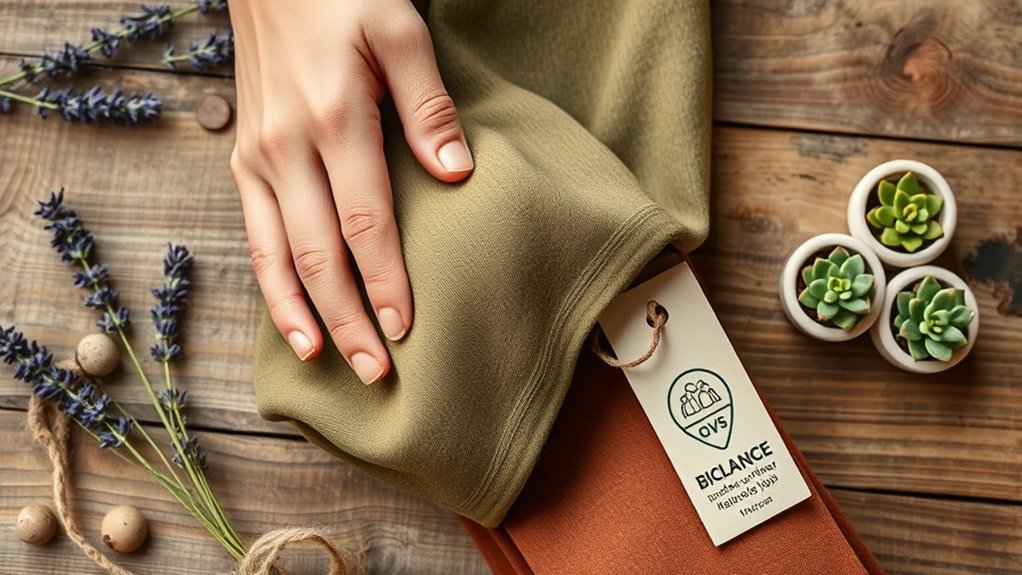
Creating a sustainable tights collection begins with choosing versatile, high-quality pieces that can be worn for multiple occasions. Focus on timeless designs and neutral colors that easily pair with different outfits, reducing the need for frequent replacements. Prioritize tights made from recycled or plant-based fibers, which lessen environmental impact and improve durability. Invest in brands committed to transparency and eco-friendly manufacturing processes to ensure your choices are genuinely sustainable.
- Opt for durable tights with a higher denier for longer wear
- Select multi-purpose styles suitable for work, casual, or dressy looks
- Look for brands offering take-back or recycling programs
- Avoid fast fashion options that promote disposability
- Rotate your tights to extend their lifespan and minimize waste
Frequently Asked Questions
How Do Eco-Friendly Tights Compare in Comfort to Traditional Options?
Eco-friendly tights often match or even surpass traditional options in comfort. They use innovative fibers like Tencel™ Lyocell and recycled polyamide, which feel soft, breathable, and stretchy. Plus, their designs prioritize durability and fit, so you won’t sacrifice comfort for sustainability. With advances in fiber technology and manufacturing, you can enjoy the same level of comfort, if not better, while supporting eco-friendly practices that reduce environmental impact.
Are Sustainable Tights Suitable for All Skin Types and Sensitivities?
Think of sustainable tights as a gentle embrace from nature itself. They’re crafted with hypoallergenic, plant-based fibers like Tencel™ Lyocell, making them suitable for sensitive skin and various sensitivities. These eco-friendly options often skip harsh chemicals, reducing irritation risks. So, yes, they’re just as comfortable and safe as traditional tights, offering a kinder choice for your skin and the planet alike.
What Are the Best Ways to Care for and Extend the Lifespan of Eco Tights?
To care for and extend your eco tights, always wash them gently in cold water, avoiding harsh detergents. Hand washing is best, but if you use a machine, opt for a delicate cycle and place tights in a mesh bag. Air dry instead of tumble drying to prevent damage. Store them flat or rolled to maintain elasticity, and avoid sharp jewelry that could cause snags. These small steps keep your tights looking their best longer.
Do Sustainable Hosiery Options Require Special Washing or Maintenance?
Imagine your eco tights gliding smoothly through cold water, like a gentle stream, as you wash them by hand. You avoid harsh chemicals and high heat to protect their delicate fibers. Using eco-friendly detergents and air drying preserves their strength and color, helping them last longer. With careful maintenance, your sustainable hosiery remains vibrant and durable, reducing waste and keeping your eco-conscious wardrobe beautiful and functional for many wears to come.
How Can Consumers Verify the Sustainability Credentials of Tights Brands?
You can verify tights brands’ sustainability by checking their certifications, like climate-neutral or eco-labels. Visit their websites for transparency reports on sourcing and manufacturing practices. Look for details on recycled or plant-based fibers, water and energy use, and waste management. You can also read customer reviews and independent sustainability audits. Supporting brands that openly share their environmental impact helps guarantee your purchase aligns with eco-friendly values.
Conclusion
So, after all this talk about sustainability, it’s funny how we still cling to fast fashion tights. Maybe it’s comfort, maybe habit, or just the allure of a cheap thrill. But isn’t it ironic that the eco-friendly options are often the ones you have to seek out? Remember, every small step helps—so next time you reach for that pair, think about the planet. Who knew saving it could feel so stylishly tempting?