Yes, your synthetic tights can contribute to ocean pollution. When you wear, stretch, or wash them, tiny microfibers shed and enter wastewater systems. Many of these fibers bypass filters and end up in rivers, lakes, and oceans, harming marine life. The more often they’re washed and worn, the more fibers are released. To learn how you can reduce your impact and protect our oceans, keep exploring these important solutions.
Key Takeaways
- Synthetic tights shed microfibers during stretching, rubbing, and washing, releasing microplastics into waterways.
- Microfibers from tights often bypass filters, polluting oceans and harming marine life.
- Choosing natural fibers like cotton or wool reduces microfiber shedding and environmental impact.
- Proper laundry practices, such as cold water washes and microfiber filters, can minimize fiber release.
- Supporting eco-friendly brands and textile innovations helps decrease microplastic pollution from tights.

UGG Women's Paloma Legging II, Black, S
High rise lounge legging
As an affiliate, we earn on qualifying purchases.
How Microplastics Are Released From Synthetic Tights
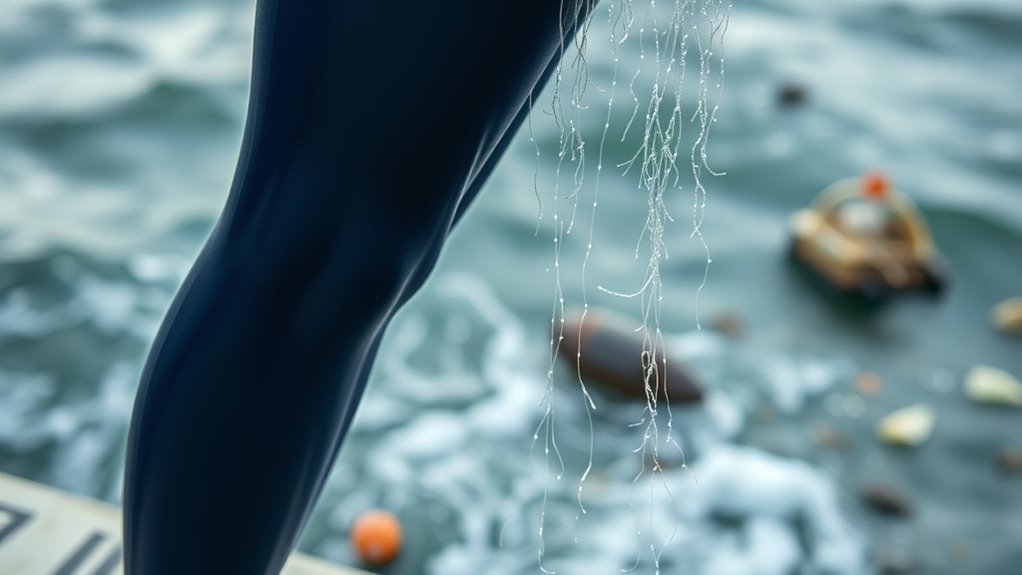
When you wear synthetic tights, tiny fibers can break loose each time you stretch, rub, or wash them. This process results in fabric degradation, weakening the material over time. As the tights age, fibers shed more easily, releasing microfibers into your laundry water. These microfibers are minuscule plastic particles that escape through washing machine filters or drain directly into waterways. The continuous fiber shedding accelerates fabric degradation, creating a cycle where worn tights release more microplastics. Every wash contributes to this microplastic pollution, as small fibers detach from the tights and enter the environment. Understanding how fiber shedding occurs helps you realize that even a single pair of tights can be a source of microplastics, emphasizing the importance of mindful garment choices.

HEEKPEK Fleece Lined Leggings Women, Winter Thermal Cashmere Pants, High Waist Stretchy Sweatpants, Tummy Control Warm Tights Black
【Fleece Lined Leggings Women】Material: Made of 88% Polyester, 12% Spandex, with super soft thermal thick fleece interior, our...
As an affiliate, we earn on qualifying purchases.
The Journey of Microfibers From Clothing to Oceans
As microfibers shed from your tights during washing, they don’t stay trapped in your laundry water—they set out on a journey that often ends in our oceans. These tiny fibers escape through wastewater systems, bypassing filtration and polluting waterways. Once in the environment, they can settle in sediments or be carried downstream. While fabric recycling can help reduce textile waste, it doesn’t necessarily prevent microfiber shedding. Many synthetic fabrics have low textile biodegradability, meaning they persist in ecosystems for a long time. Microfibers can enter marine food chains, impacting aquatic life. Understanding this journey highlights the importance of choosing more sustainable options, such as natural fibers or improved laundry practices, to help prevent microplastics from reaching our oceans. Additionally, using specialized earplugs for concerts or eco-friendly laundry filters can further reduce microfiber pollution.

niyokki Warm Winter Fleece Lined Thermal Leggings for Women, Thick Full Length Sherpa Lined Athletic Leggings, High Waist Tummy Control Tight Cashmere Pants (Black-1, S)
【Thick Warm & Quality Material】Our thick warm cashmere leggings for women is made of 65% Cotton, 35% Polyester...
As an affiliate, we earn on qualifying purchases.
Environmental Impact of Microplastics in Marine Ecosystems
Microplastics have become a significant threat to marine ecosystems, disrupting the delicate balance of aquatic life. The constant accumulation of plastic debris worsens this issue, harming animals and polluting habitats. Here’s what you need to know:
- Marine animals mistake microplastics for food, causing injury or death.
- Microplastics introduce toxic chemicals into the food chain, affecting larger predators, including humans.
- Plastic accumulation damages coral reefs and seabeds, disrupting ecosystems.
- Microplastics pollute water sources, making oceans unsafe for marine life and human use.
- Regular assessment and reduction of plastic use can help prevent further clutter buildup in our oceans.
Your everyday choices contribute to plastic accumulation, influencing the health of our oceans. Reducing microplastic pollution helps protect marine species and preserves the environment for future generations.

Bobelle Wear Merino Wool Base Layer Pants Women, 100% Merino Wool Leggings Women, Lite Active Thermal Underwear Bottom
MATERIAL: The women's merino wool base layer pants made of 180g 100% merino wool, this base layer offers...
As an affiliate, we earn on qualifying purchases.
Are Certain Fabrics More Responsible for Microplastic Pollution?
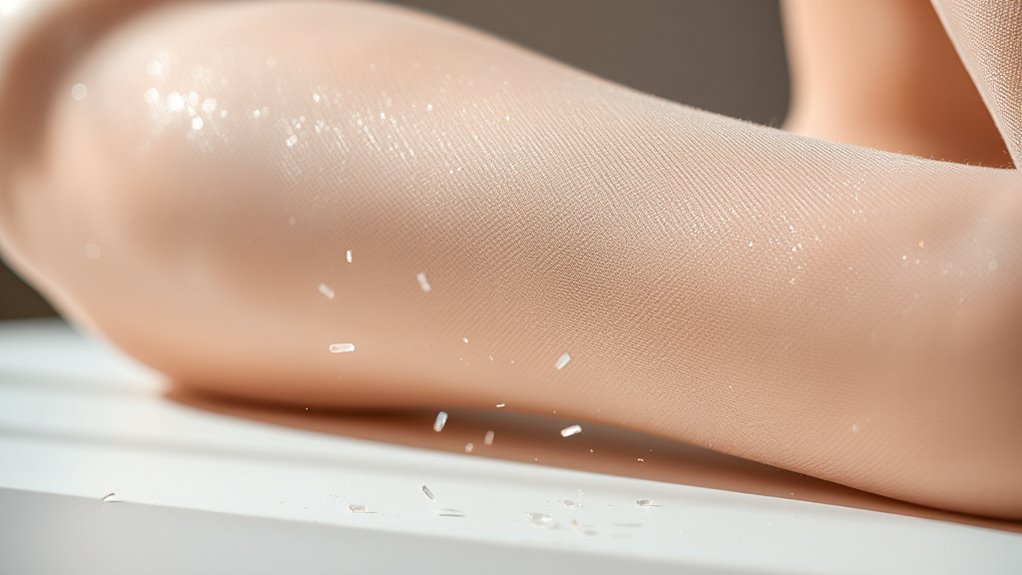
Fabrics made from synthetic fibers are significant sources of microplastic pollution, shedding tiny particles during regular wear and washing. The fiber composition influences how much microplastic you release—some materials are more prone to sheddings, like polyester or nylon, which have lower fabric durability. These fibers break down easily over time, increasing pollution risks. Consider this table:
| Fabric Type | Durability | Microplastic Shedding |
|---|---|---|
| Polyester | Moderate | High |
| Nylon | Low | Very High |
| Cotton | High | Minimal |
Choosing fabrics with higher durability, like cotton or blends, reduces fiber loss. Your fabric choices directly impact microplastic pollution, making informed decisions essential. Additionally, understanding beach environments and how microplastics accumulate in coastal zones can help raise awareness of the broader ecological impact.
The Role of Washing Methods in Microfiber Shedding
Your washing machine settings, detergent choices, and drying methods all influence how many microfibers shed from your tights. Using high agitation or hot water can break fibers loose more easily, increasing microfiber release. Choosing gentler cycles, eco-friendly detergents, and air drying can help reduce microfiber shedding during laundry. Incorporating sustainable practices in your laundry routine can further minimize environmental impact by reducing fiber release.
Washing Machine Settings
Choosing the right washing machine settings can considerably reduce the amount of microfiber fibers released from tights during laundry. Proper settings improve washing machine efficiency and minimize fiber contamination. Here are four tips to optimize your laundry routine:
- Use cold water to lessen fiber shedding.
- Select gentle or delicate cycles to reduce agitation.
- Avoid high spin speeds that can cause more fiber breakage.
- Skip fabric softeners, which can weaken fibers over time.
- Consider precise washing machine settings to further decrease microfiber release.
Detergent Choices Impact
The type of detergent you use can considerably influence microfiber shedding from tights during laundry. Harsh detergents can weaken fabric durability and break down fiber composition, leading to more microfibers released. To minimize shedding, choose gentle, eco-friendly detergents that preserve your tights’ integrity. Consider these factors when selecting a detergent:
| Detergent Type | Effect on Fabric Durability | Impact on Fiber Composition |
|---|---|---|
| Harsh chemicals | Weakens fibers | Accelerates fiber breakdown |
| Mild detergents | Maintains durability | Preserves fiber structure |
| Eco-friendly | Protects fabric integrity | Reduces microfiber release |
Using the right detergent helps extend your tights’ lifespan and reduces microfiber pollution, keeping both your wardrobe and the oceans healthier. Incorporating proper laundry techniques can further reduce fiber shedding and help protect the environment.
Drying Methods Effects
Drying methods play a crucial role in microfiber shedding from tights, as certain techniques can cause more fibers to loosen and detach. Improper drying can reduce fabric longevity and compromise dye stability, increasing microfiber release. To minimize shedding, consider these drying tips:
- Air dry your tights flat to avoid stretching and fiber stress.
- Skip high heat settings on the dryer, which weaken fabric fibers.
- Avoid tumble drying with aggressive cycles that accelerate fiber loss.
- Opt for gentle drying methods to preserve dye stability and prolong the lifespan of your tights. Additionally, understanding the health impacts of microfiber pollution highlights the importance of proper care to reduce environmental contribution.
How to Identify Eco-Friendly Clothing Options
Ever wondered how to spot eco-friendly clothing options among the countless choices? Start by checking for sustainable certifications like GOTS or OEKO-TEX, which guarantee the garments meet strict environmental and social standards. These labels indicate that the clothing was produced with fewer harmful chemicals and sustainable practices. Also, look for items made with eco-friendly dyes, which avoid toxic chemicals and reduce water pollution during manufacturing. Pay attention to fabric labels—organic cotton, hemp, or recycled materials are better choices for reducing microplastic shedding. Research brands committed to sustainability; many now openly share their eco-friendly initiatives. By recognizing these indicators, you can confidently select clothing that minimizes environmental impact and helps reduce microplastic pollution from your wardrobe.
Practical Tips to Reduce Microplastic Pollution From Your Wardrobe

To effectively reduce microplastic pollution from your wardrobe, start by choosing natural fibers like organic cotton, hemp, or wool, which shed fewer plastics during wear and washing. Always check clothing labels to identify synthetic fibers like polyester or nylon, which release microplastics. Here are four practical tips:
- Opt for natural fiber clothing whenever possible.
- Wash your clothes less frequently and at lower temperatures.
- Use a microfiber filter laundry bag or a lint trap to catch shed fibers.
- Avoid buying fast fashion that contains high percentages of synthetic fibers.
- Be aware that understanding soaring and gliding techniques can inspire sustainable flying practices that reduce environmental impact.
Innovations and Alternatives in Sustainable Textiles

Innovations in sustainable textiles are transforming the fashion industry by offering eco-friendly alternatives that reduce microplastic pollution. Textile innovations like plant-based fibers, recycled materials, and biodegradable fabrics provide viable options to traditional synthetics. Recycling technologies also play a vital role, enabling you to repurpose old garments into new textiles, markedly cutting down waste and microplastic shedding. Advanced fiber recycling methods, such as chemical recycling, allow you to transform plastic waste into high-quality yarns without losing material integrity. These innovations not only decrease reliance on microplastic-generating synthetics but also promote a circular economy within fashion. By supporting brands that utilize these cutting-edge textile innovations and recycling technologies, you contribute to reducing ocean pollution and fostering a more sustainable future for clothing. Community engagement can amplify awareness about sustainable practices and encourage collective efforts toward environmental conservation.
What Consumers Can Do to Make a Difference
You can make a significant difference by choosing clothing made from sustainable or natural fibers, which are less likely to shed microplastics into the environment. Increasing consumer awareness about the impact of fashion choices helps reduce microplastic pollution. Here are four ways you can help:
- Opt for natural fiber tights like cotton, wool, or hemp instead of synthetic materials.
- Wash your clothes less frequently and use filters or microfiber-catching laundry bags.
- Support brands committed to sustainable and eco-friendly manufacturing practices.
- Educate others about the environmental impact of microplastics and encourage responsible fashion choices.
Implementing eco-friendly fibers in your wardrobe can significantly lessen the shedding of microplastics.
Frequently Asked Questions
How Do Microplastics Affect Human Health Through Seafood Consumption?
When you eat seafood contaminated with microplastics, you risk microplastic ingestion, which can introduce harmful chemicals into your body. These tiny particles may carry toxins that accumulate in seafood, potentially affecting your immune system, hormones, and overall health. Regular consumption of contaminated seafood raises concerns about long-term health effects, making it important to be aware of seafood contamination and support efforts to reduce microplastic pollution in our oceans.
Are There Regulations Targeting Microfiber Pollution From Clothing Industries?
Yes, there are clothing industry regulations and microfiber pollution policies aimed at reducing microfiber pollution. You should stay informed about regulations like bans on microbead use and requirements for microfiber filters in washing machines. These policies encourage brands to develop eco-friendly fabrics and promote sustainable practices. By supporting companies that adhere to microfiber pollution policies, you help reduce ocean pollution and protect marine life, making a positive impact through your choices.
Can Washing Machine Filters Effectively Capture All Microfibers Released?
Washing machine filters can’t capture all microfibers released, but filter efficiency varies. Some filters excel at microfiber retention, catching most microplastics, while others miss many. To reduce microfiber pollution, choose a high-quality filter designed for maximum retention. Regularly cleaning and replacing filters also helps. Remember, no filter is perfect, so combining filtering with other solutions, like washing less frequently or using microfiber-catching laundry bags, provides better protection for our oceans.
What Are the Most Sustainable Alternatives to Synthetic Tights?
Think of your wardrobe as a garden—choosing eco-friendly fabrics is like planting resilient, sustainable seeds. Opt for tights made from biodegradable fibers like Tencel, hemp, or organic cotton. These materials break down naturally, reducing pollution and supporting the planet’s health. By switching to these sustainable alternatives, you help protect our oceans from microplastic pollution, making your fashion choices a powerful act of environmental kindness and style.
How Does Microfiber Pollution Impact Marine Biodiversity and Coral Reefs?
Microfiber pollution harms marine biodiversity by disrupting marine habitats and causing coral bleaching. When microfibers settle on coral reefs, they block sunlight and hinder growth, leading to weakened ecosystems. You unintentionally contribute to this issue when synthetic tights shed microplastics during washing. Reducing microfiber release helps protect marine life and preserves essential habitats, ensuring healthier oceans for future generations.
Conclusion
Every choice you make threads into the fabric of our planet’s future. By opting for eco-friendly clothing, washing mindfully, and supporting sustainable brands, you hold the power to turn the tide on ocean pollution. Think of your wardrobe as a garden; with careful tending, it can flourish without choking our seas. Your actions can be the ripple that transforms a submerged problem into a wave of positive change—dive in and make a difference today.