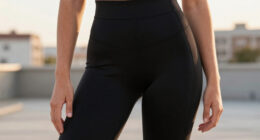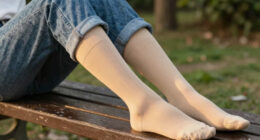
Whether bare legs or tights are more professional depends on your industry, workplace culture, and regional norms. Conservative sectors like law or finance often lean toward tights for a polished look, while creative fields and warmer climates may accept bare legs. Comfort, personal style, and evolving standards also influence your choice. If you’re curious about how societal shifts and dress codes impact professionalism, you’re about to find some insightful tips to help you decide confidently.
Key Takeaways
- Conservative industries often favor tights for a polished, professional appearance; creative fields are more accepting of bare legs.
- Regional climate influences norms: colder areas typically require tights, while warmer regions are more relaxed about bare legs.
- Dress codes vary by workplace culture, with traditional policies leaning toward hosiery and modern policies allowing bare legs.
- Hosiery can enhance a professional, uniform look, but bare legs project confidence and modernity in appropriate settings.
- Society’s evolving standards and inclusivity movements promote flexibility, making both options acceptable based on context and personal style.

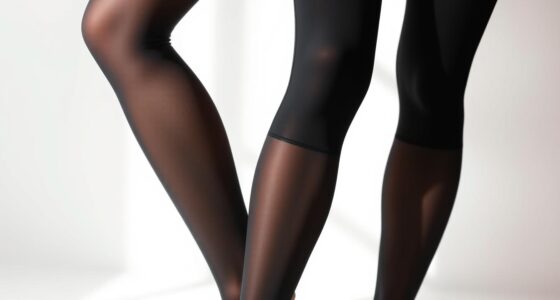
EVERSWE Women's 80 Den Soft Opaque Tights, Women's Tights (Large-X-Large, Totally Black)
MATERIAL: 85%Polyamide, 15% Spandex, super soft microfiber yarn. 80 Denier, medium thickness, solid opaque color
As an affiliate, we earn on qualifying purchases.
As an affiliate, we earn on qualifying purchases.
Historical Expectations vs. Modern Trends
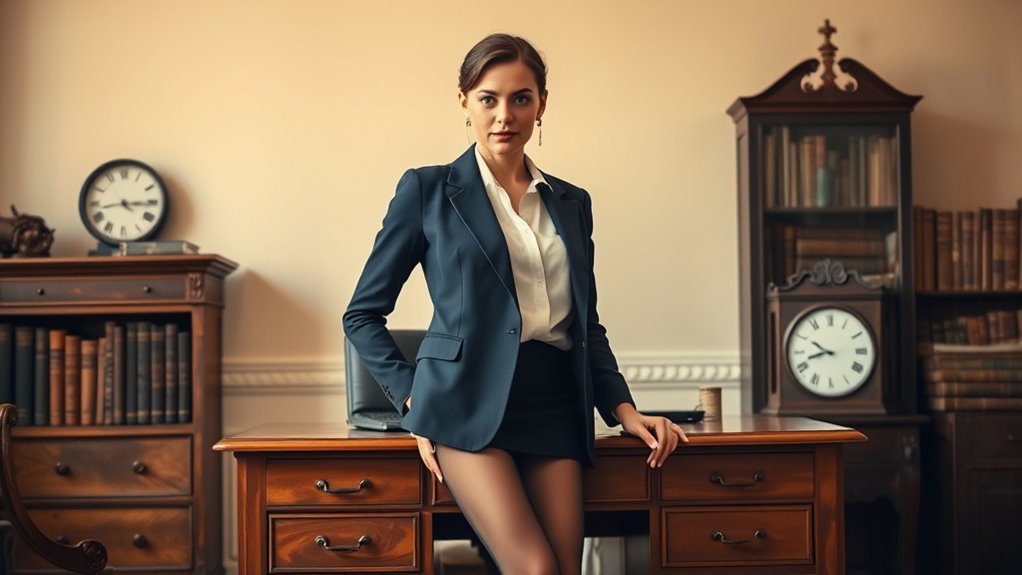
Historically, wearing hosiery was considered a mandatory part of professional attire for women, especially in conservative industries like law and finance. It was seen as essential for presenting a polished, professional image. Women were expected to wear pantyhose or tights with skirts or dresses, reinforcing a standard of modesty and professionalism. Over time, societal norms shifted, and the strict expectations began to loosen. Today, many workplaces no longer require hosiery, reflecting changing attitudes toward gender roles and dress codes. In more relaxed industries like tech or creative fields, bare legs are often acceptable and even preferred. This evolution highlights how workplace standards adapt to cultural shifts, emphasizing personal comfort and individual style over rigid conformity. Additionally, the rise of dress code flexibility demonstrates a broader movement toward valuing comfort and self-expression in professional settings. Recognizing the influence of cultural norms on dress expectations helps explain why these changes are occurring and how they reflect broader societal values. The ongoing debate about professional attire continues to evolve, influenced by contemporary attitudes and workplace diversity. As workplaces become more inclusive, the importance of personal comfort in dress choices is increasingly acknowledged, further driving these changes. Moreover, ongoing discussions about dress standards highlight the tension between tradition and modern practicality in professional environments.

Hanes Silk Reflections Control Top Sheer Toe Silky Sheer High Waisted Pantyhose, Barely There, Size CD (Pack of 1)
CONTROL TOP: Embrace a smooth look with high waisted tights that contour & enhance your natural shape; The…
As an affiliate, we earn on qualifying purchases.
As an affiliate, we earn on qualifying purchases.
Industry Influences on Dress Norms

Industry standards considerably shape dress norms, influencing whether bare legs or hosiery are considered appropriate. In conservative fields like law, finance, and government, traditional expectations still favor hosiery with skirts or dresses, reflecting a polished, formal image. Conversely, creative industries, tech firms, and startups tend to accept bare legs as professional, emphasizing comfort and individual style. Regional climate also plays a role; warmer cities like Miami are more relaxed about hosiery than colder regions such as Minneapolis. International differences further influence norms, with European offices often adopting a more casual stance. Dress codes, whether strict or flexible, are typically dictated by company culture and industry standards, guiding employees’ choices and shaping perceptions of professionalism within each sector. Additionally, understanding industry dress norms can help individuals navigate professional environments more confidently, especially as evolving dress code expectations continue to influence workplace attire choices. Recognizing the impact of professional appearance guidelines can further assist individuals in aligning their attire with industry-specific standards and expectations. Moreover, awareness of cultural influences on dress helps foster more inclusive and respectful workplace environments. For example, some industries may also incorporate business casual norms that influence clothing choices beyond traditional formal wear.

EVERSWE Women's Opaque Fleece Lined Tights, Thermal Tights (Nude,M)
【THERMAL OPAQUE FLEECE LINED 】 – Slim Your Figure and Keep You Warm – These elastic opaque tights…
As an affiliate, we earn on qualifying purchases.
As an affiliate, we earn on qualifying purchases.
Regional and Climate Considerations
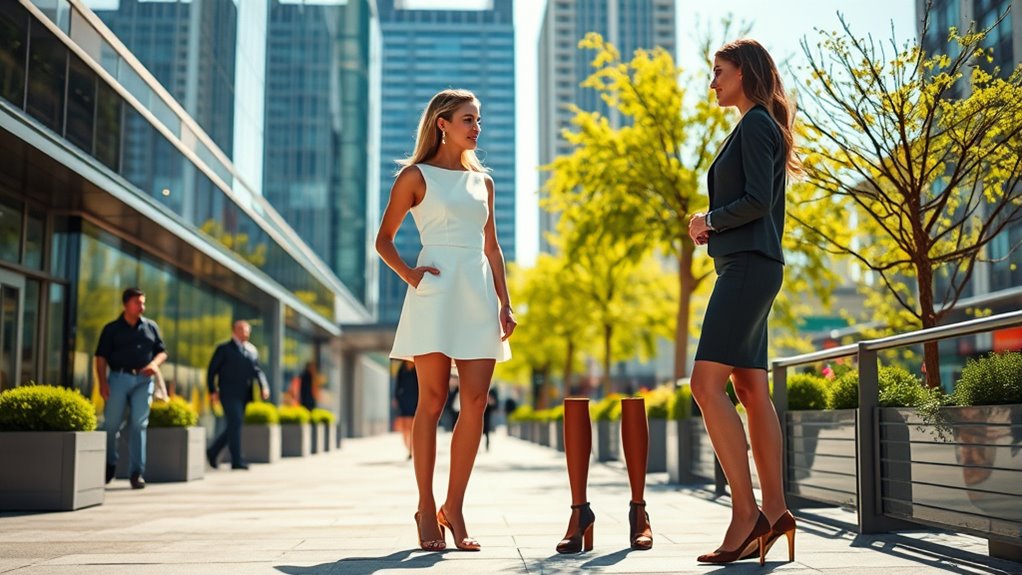
Your regional climate considerably impacts dress expectations, making tights more common in colder areas and bare legs acceptable in warmer ones. You’ll find that offices in hot climates like Miami tend to be more relaxed about leg coverage, while those in colder regions like Minneapolis favor tights or trousers. Understanding these regional norms helps you choose a professional look that aligns with local climate and cultural standards. Additionally, climate-specific fashion choices can further enhance your professional wardrobe adaptability. Recognizing regional dress norms is essential for maintaining appropriate and comfortable attire across different environments. Being aware of seasonal variations also helps in planning wardrobe adjustments to stay both stylish and suitable year-round. Cultivating an awareness of creative practice can also inspire innovative ways to adapt your wardrobe within these regional constraints.
Climate Influences Dress Norms
Climate and regional weather patterns markedly influence dress norms in the workplace, especially when it comes to legwear choices. If you work in a colder climate like Minneapolis, wearing tights or pantyhose helps maintain warmth and professionalism. In warmer regions such as Miami, bare legs are often more comfortable and widely accepted. The table below highlights how climate impacts legwear decisions:
| Climate Type | Typical Legwear Norms |
|---|---|
| Cold | Tights, opaque or fleece-lined |
| Moderate | Tights or bare legs, depending on season |
| Hot | Bare legs preferred or lightweight tights |
| Humid | Bare legs or breathable tights |
Understanding regional weather helps you adapt your wardrobe, balancing comfort with professional expectations. Additionally, awareness of climate-specific dress norms enables professionals to select appropriate attire that aligns with regional expectations and environmental conditions. Recognizing how local weather patterns influence dress can also help in planning wardrobe updates for different seasons. Regional dress standards can vary significantly based on climate, affecting what is considered appropriate in different areas. Being mindful of seasonal variations ensures a consistent professional appearance year-round.
Regional Attire Expectations
Regional weather patterns and local customs considerably shape workplace attire expectations, especially regarding legwear choices. If you work in colder regions like Minneapolis or Boston, wearing tights or pantyhose can help keep you warm and maintain a polished look. In contrast, in warmer climates such as Miami or Los Angeles, bare legs are often acceptable and even preferred, reflecting the climate’s comfort. International differences also influence norms; European offices tend to be more relaxed about hosiery, whereas some American industries stick to traditional standards. Your location impacts what’s appropriate, so it’s prudent to contemplate regional climate and cultural expectations. Aligning your legwear choices with local norms ensures you appear professional and respectful of workplace standards, regardless of personal preference. Additionally, understanding dress code regulations can help prevent unintentional dress code violations and ensure your attire remains appropriate. Being aware of company policies regarding attire can further guide your choices and help you navigate regional expectations confidently.
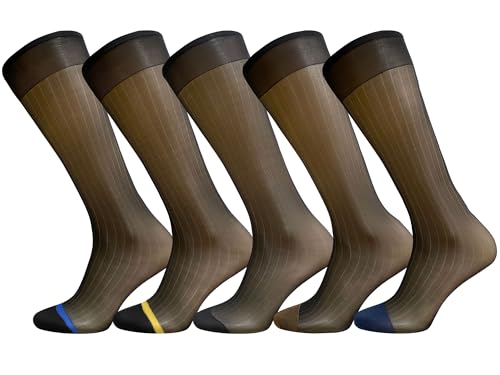
Uaussi 5 Pairs Mens Silk Sheer Socks OTC Ultra Thin Nylon Dress Sock Daily Casual Stockings Work Business Sox
【COMFORT STRETCH FIT】Free size. Super elastic. These silk socks fit the shape of any foot, giving an excellent…
As an affiliate, we earn on qualifying purchases.
As an affiliate, we earn on qualifying purchases.
The Role of Workplace Culture and Policy

Workplace culture and policy play a crucial role in shaping expectations around professional attire, including whether bare legs or tights are appropriate. If your company emphasizes a polished, traditional look, wearing tights might be expected or encouraged, especially in conservative industries. Conversely, more relaxed environments, like creative or tech firms, often accept bare legs as professional and modern. Many policies now explicitly state that bare legs are acceptable, reflecting changing attitudes. Your organization’s stance influences your choices and helps you present a consistent, professional image. It’s vital to understand your company’s dress code and observe colleagues’ attire to align with workplace standards. Ultimately, your choice should respect company policies while matching the culture’s tone and expectations.
Alternatives to Traditional Hosiery
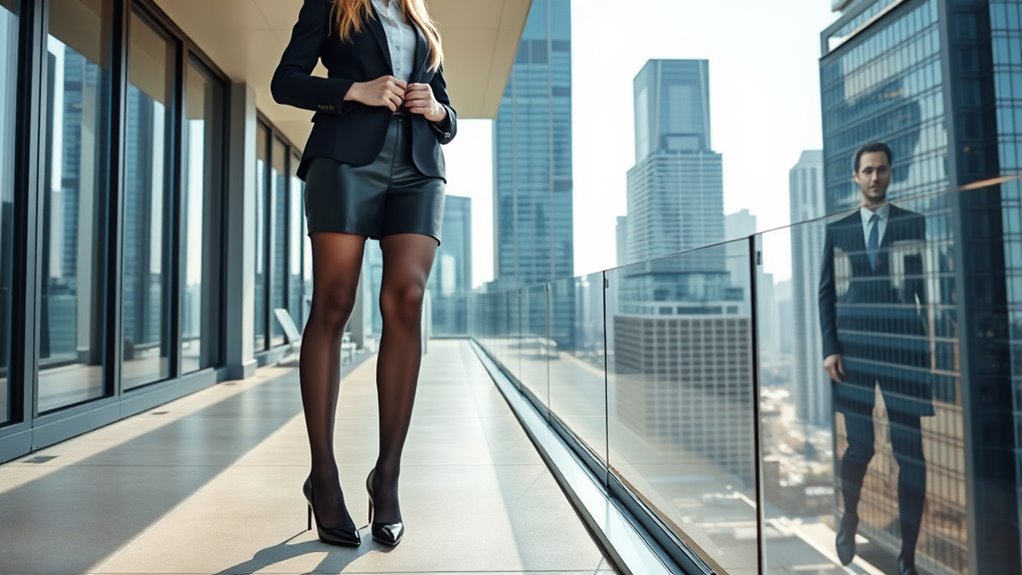
If you want alternatives to traditional hosiery, consider opaque or sheer tights—they’re widely accepted and versatile. For colder months, fleece-lined tights provide warmth while maintaining a polished look, and tailored pants or trendy leggings can also serve as professional options. Choosing the right coverage depends on your workplace culture and your personal style, helping you stay confident and appropriate.
Opaque and Sheer Tights
Opaque and sheer tights offer versatile alternatives to traditional pantyhose, allowing you to achieve a polished look without sacrificing comfort or style. Opaque tights provide full coverage, ideal for colder months or a more refined appearance, while sheer tights add a subtle touch of sophistication and can smooth out skin tone. Both options come in a variety of shades and textures, making it easy to match your outfit and workplace expectations. They’re a convenient way to maintain a professional look without the discomfort of traditional hosiery. Additionally, tights can hide imperfections and add an extra layer of warmth. Whether you prefer the boldness of opaque or the delicacy of sheer, these tights give you flexibility to adapt your style to different office environments.
Warm and Functional Options
Tights made from fleece-lined or thermal materials offer a practical solution for staying warm without sacrificing professionalism. These tights provide extra insulation, making them ideal for colder months or offices with drafty environments. They come in neutral shades, ensuring a polished look that aligns with workplace standards. You can pair them with skirts, dresses, or even tailored trousers for added warmth. Unlike traditional hosiery, thermal tights focus on functionality while maintaining a sleek appearance. Some options feature moisture-wicking fabrics, offering comfort throughout the day. These alternatives allow you to stay warm and professional without compromising your style or comfort. They’re especially useful if you prefer bare legs but need extra coverage in chilly conditions. Overall, fleece-lined or thermal tights blend practicality with a polished, office-appropriate look.
Trendy Leggings and Pants
Trendy leggings and tailored pants are gaining popularity as stylish alternatives to traditional hosiery, offering a modern and comfortable way to maintain a professional appearance. They provide a sleek, polished look without the need for tights, making them perfect for casual or creative workplaces. Whether you choose high-waisted trousers or chic leggings, these options let you express personal style while adhering to dress codes. Keep in mind, some conservative industries may prefer traditional hosiery, so consider your workplace culture. To help you choose, here’s a quick comparison:
| Feature | Leggings & Pants | Traditional Hosiery | Suitability |
|---|---|---|---|
| Comfort | High | Moderate | Casual, creative environments |
| Style Flexibility | Wide | Limited | Trendy, modern workplaces |
| Professional Look | Polished with accessories | Classic and uniform | Formal settings, conservative |
| Maintenance | Easy to wear and wash | Requires special care | Everyday office wear |
How Attire Affects Professional Perception
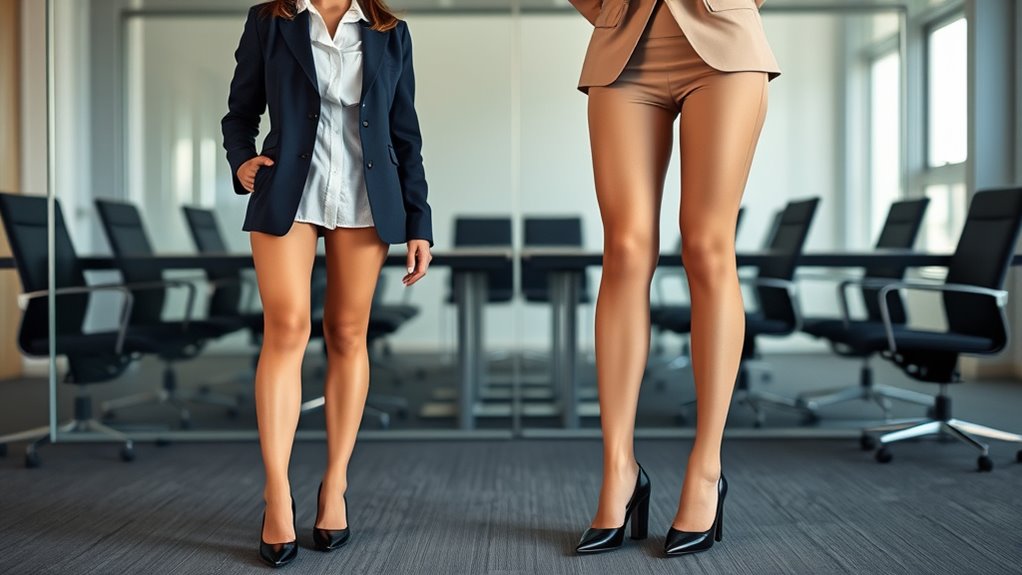
Your attire plays a essential role in shaping how others perceive your professionalism. The way you dress influences first impressions, confidence, and credibility. Wearing hosiery can give a polished, uniform appearance, signaling attention to detail and adherence to traditional standards. Conversely, opting for bare legs may project confidence, modernity, and comfort, especially in creative or casual industries. Your choice reflects your understanding of workplace culture and influences colleagues’ perceptions. In conservative environments, hosiery might reinforce professionalism, while in more relaxed settings, bare legs can suggest approachability and individuality. Consistency with your industry norms and colleagues’ attire helps maintain a professional image. Ultimately, your clothing choices communicate your respect for the workplace, your understanding of expectations, and your personal brand.
Gender Equality and Dress Code Standards

Dress code standards that require hosiery for women but not for men can reinforce gender inequalities in the workplace. When policies single out women for specific clothing requirements, they suggest that women’s professionalism depends on appearance rather than skills. This creates a double standard, implying that women must adhere to stricter dress codes to be taken seriously. Such distinctions can perpetuate stereotypes, making women feel pressured to conform to outdated notions of femininity. Many organizations now recognize these issues and are moving toward gender-neutral dress policies, promoting inclusivity and equality. By removing unnecessary clothing mandates, companies can foster a more equitable environment where professionalism is based on performance, not appearance. Ultimately, eliminating gendered dress standards helps challenge gender biases and promotes fairness in the workplace.
Personal Expression and Comfort in Professional Settings

Your comfort and confidence play a big role in how you present yourself at work. Personal style choices, like wearing tights or going bare-legged, can help you feel more authentic and at ease. Ultimately, balancing your comfort with your professional environment allows you to express yourself while maintaining appropriateness.
Comfort and Confidence
Comfort and confidence play essential roles in how professionals present themselves and feel throughout the workday. When you wear tights, you might feel more polished and secure, especially if you prefer a smooth look or added warmth. Conversely, going bare-legged can boost your comfort, particularly in warmer climates or if you dislike restrictive clothing. Your choice impacts your confidence—feeling comfortable allows you to focus on tasks rather than adjusting clothing. Here’s a quick comparison:
| Aspect | Tights | Bare Legs |
|---|---|---|
| Comfort | Provides coverage, warmth | More breathable, less restrictive |
| Confidence | Offers a polished look | Enhances natural ease |
| Climate | Better in cold weather | Ideal in warm environments |
| Flexibility | Limited movement | Freer movement |
| Personal Feel | More secure, professional | Natural, relaxed |
Your comfort and confidence depend on your environment and personal preferences.
Personal Style Choices
Personal style choices in professional settings allow you to express individuality while adhering to workplace norms. You have options that reflect your personality, whether that’s opting for classic tights or confidently going bare-legged. Your clothing choices can showcase creativity, confidence, and personal taste, all within the boundaries of your industry’s expectations. For example, subtle patterns or colored tights might add a touch of flair in creative fields, while minimalist bare legs can project modern professionalism in casual environments. Comfort is also key—wear what makes you feel self-assured and authentic. Remember, your style should balance personal expression with workplace appropriateness. By choosing clothing that aligns with your personality and the culture, you create a professional image that’s both genuine and polished.
Impact of Digital Media and Changing Attitudes

Digital media has played a significant role in shaping changing attitudes toward professional dress, including the debate over bare legs versus tights. Social platforms, workplace forums, and blogs spread diverse viewpoints rapidly, empowering individuals to challenge traditional norms. Many professionals now see bare legs as acceptable, especially in creative and tech industries, thanks to images and stories shared online. Conversely, some still value hosiery for its polished look, citing photos of formal events and professional settings. The digital landscape fosters conversations about gender equality and inclusivity, prompting companies to revisit dress codes. As a result, the line between formal and casual attire blurs, giving you more freedom to choose what feels appropriate, reflecting evolving societal standards and personal expression in your professional wardrobe.
Making Informed Choices for Your Workplace

To make informed choices about wearing bare legs or tights at work, you need to understand your company’s dress code, industry standards, and regional expectations. Check your employee handbook or ask HR if hosiery is required or discouraged. Consider your industry—conservative fields like law or finance may favor tights, while creative or tech sectors often accept bare legs. Regional climate matters too; warmer areas might be more relaxed about hosiery. Observe what colleagues wear and align with your workplace culture. If in doubt, opt for versatile options like sheer or opaque tights, or choose tailored trousers for a polished look without hosiery. Ultimately, your choice should reflect professionalism, comfort, and adherence to your company’s standards, ensuring you present yourself confidently.
Frequently Asked Questions
Is Wearing Bare Legs Considered Acceptable During Job Interviews?
Wearing bare legs during a job interview is generally considered acceptable, especially in creative, tech, or casual industries. You should consider the company’s dress code, industry standards, and regional norms. If you’re unsure, opt for tights or dress pants for a more polished look. Remember, your goal is to present yourself professionally and confidently, so dress in a way that aligns with the company’s culture and expectations.
How Do Dress Codes Vary Across Different Industries and Regions?
Dress codes differ widely based on industry and region. In conservative fields like law and finance, you’re expected to wear hosiery with skirts or dresses, especially in cities like New York or Washington, DC. In creative or tech environments, bare legs are usually acceptable. Warmer climates like Miami tend to be more relaxed, and international offices, especially in Europe, often have more flexible standards. Always check your company’s specific policies to dress appropriately.
Do Workplace Policies Explicitly Prohibit or Permit Bare Legs?
Some workplace policies explicitly permit bare legs, making dress codes as clear as mud. You might find your office embracing the freedom, or perhaps they subtly suggest hosiery is still king. It’s a mixed bag—conservative sectors often prefer tights, while creative fields embrace bare legs. Check your company’s dress code; it’s your best bet for knowing whether your legs are free or should stay covered.
Are There Professional Benefits to Wearing Tights Over Bare Legs?
Wearing tights can give you a more polished, uniform appearance, which many see as professional. They conceal imperfections, even skin tone, and add a layer of formality, especially in conservative industries. Tights also provide warmth in colder weather and can protect sensitive skin from friction. Overall, choosing tights can boost your confidence and project a more put-together image, aligning well with workplace expectations where a neat, professional look is valued.
How Does Personal Comfort Influence Dress Code Choices in the Office?
Your personal comfort plays a significant role in your dress code choices at the office. If you feel more confident and comfortable in bare legs, especially in warm weather or creative environments, go for it. Conversely, if tights provide warmth, coverage, or boost your confidence, choose them. Ultimately, aligning your attire with what makes you feel professional and comfortable helps you perform your best and maintain a positive workplace presence.
Conclusion
Ultimately, choosing between bare legs and tights is like picking the right tool for a job—you want what best fits your workplace and personal style. Consider your company’s culture, climate, and comfort, and don’t be afraid to express yourself within professional boundaries. By making informed choices, you’ll navigate dress codes confidently, like a sailor steering through calm waters. Trust your judgment, stay true to your style, and adapt as trends and norms evolve around you.