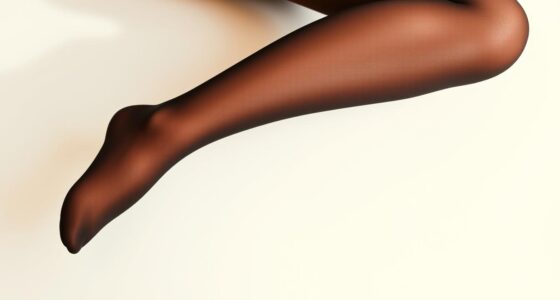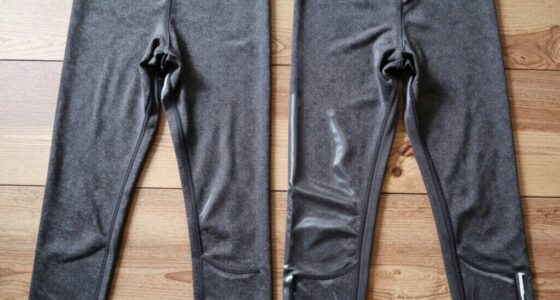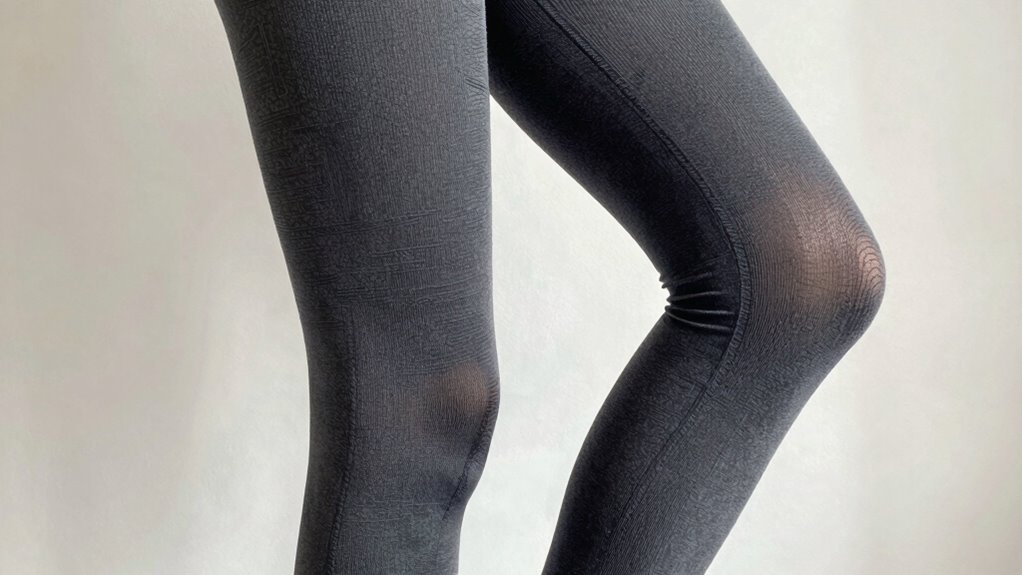

Tights sit at the intersection of fashion and function because they offer practical benefits like warmth, coverage, and comfort while also serving as a bold style statement. They’ve evolved from simple, utilitarian garments to versatile accessories that reflect cultural trends and personal expression. With innovations in materials and design, tights seamlessly blend usefulness with aesthetic appeal. If you want to discover how this combination continues to shape modern fashion, keep exploring the rich history and evolving culture surrounding tights.

Get your wardrobe favorites delivered free — and shop member deals
- Fast, free delivery on millions of items
- Access to Prime Big Deal Days deals on October 6–7
- Prime Video, Amazon Music and more included
Key Takeaways
- Tights combine practical benefits like warmth and coverage with stylish designs, making them both functional and fashionable.
- Advances in textile technology, such as stretch fabrics and vibrant dyes, enhance comfort and aesthetic appeal.
- They serve cultural and social roles, symbolizing norms, gender, and self-expression through colors and patterns.
- Tights are essential in performance arts, providing flexibility and visual enhancement while contributing to costume design.
- Their historical evolution reflects societal shifts, blending utilitarian needs with trends in personal and cultural fashion.

Have you ever wondered how tights have become both a stylish staple and a practical necessity? The answer lies in their fascinating journey through history and the cultural importance they’ve accumulated over centuries. The historical evolution of tights traces back thousands of years, when early versions were made from animal skins and woven fabrics, primarily used for warmth and protection. As civilizations advanced, so did the materials—silk, wool, and later cotton—making tights more comfortable and accessible. During the Renaissance, tights evolved into elaborate, decorative garments worn by the aristocracy, serving as symbols of wealth and status. Moving into the 20th century, the invention of nylon revolutionized tights, making them cheaper, more durable, and easier to produce, transforming them from luxury items into everyday essentials. This technological leap not only altered their practicality but also expanded their role in fashion, allowing designers to experiment with colors, patterns, and textures. Today, tights are a versatile accessory, seamlessly blending function with style.
Beyond their practical origins, tights hold significant cultural importance, often reflecting societal values, gender norms, and fashion trends. In many cultures, tights symbolize modesty and femininity, shaping how women present themselves in public. During different eras, they’ve represented liberation or conformity—think of the flapper dresses of the 1920s or the body-conscious styles of the 1960s. Tights have also been used as a form of self-expression, with vibrant hues, intricate patterns, and unique textures conveying personality and mood. Their cultural significance extends to performance arts, where they’re an essential part of ballet costumes and stage performances, emphasizing grace and fluidity. Moreover, tights have become a political statement at times, challenging societal standards of beauty and gender identity. The materials used in tights, such as nylon and spandex, have played a crucial role in their development and versatility over time. Understanding the fabric innovations behind tights reveals how advancements in textile technology have shaped their design and function. Additionally, the development of stretch fabrics has allowed tights to fit a variety of body shapes comfortably, further cementing their place in modern fashion. The evolution of dyeing techniques has also contributed to their vibrant color options and unique patterns, making them a dynamic medium for artistic expression. Furthermore, modern manufacturing processes have allowed for sustainable textile practices, reducing environmental impact while maintaining quality. Over the years, they’ve transcended mere utility, becoming a canvas for individual identity and cultural dialogue.
You can see how tights sit at the intersection of fashion and function because they serve practical needs—keeping you warm, comfortable, and covered—while also offering endless opportunities for self-expression. Their historical evolution reflects our changing priorities, from survival to style, while their cultural significance reveals the complex social meanings we attach to them. Whether you wear tights for warmth, modesty, or style, you’re participating in a tradition that spans centuries and crosses cultures. They’ve grown from simple woven fabrics to iconic fashion statements, proving that something as small as a pair of tights can carry a rich history and powerful cultural symbolism.
As an affiliate, we earn on qualifying purchases.
Frequently Asked Questions
How Do Tights Differ From Leggings in Material and Purpose?
Tights differ from leggings mainly in fabric differences and purpose. Tights are typically made from thinner, more sheer materials like nylon or spandex, providing a sleek, close fit that enhances style versatility. Leggings use thicker, more opaque fabrics like cotton or polyester, designed for comfort and athletic use. You wear tights for a polished look or layering, while leggings prioritize comfort and activewear.
What Are the Best Tights for Cold Weather?
For cold weather, you should pick tights with thermal insulation and moisture-wicking materials. These features keep you warm and dry by trapping heat and drawing sweat away from your skin. Look for options made with fleece-lined or wool blends, which provide extra warmth. Avoid thin or cotton tights, as they won’t offer enough insulation. Opting for tights with these qualities guarantees you stay comfortable and protected against the chill.
How Should Tights Be Properly Cared for to Extend Their Lifespan?
Want your tights to last longer? Follow proper care instructions like hand washing or using a delicate cycle, avoiding harsh detergents, and air drying flat. Do you store your tights properly? Keep them folded or rolled and store in a drawer to prevent snags or stretching. By treating your tights gently and following these storage tips, you guarantee they stay in great shape, ready to elevate your style whenever you wear them.
Are There Sustainable or Eco-Friendly Tights Options Available?
Yes, eco-friendly tights options are available. You can find tights made with recycled fibers, reducing waste and environmental impact. Look for brands using eco-friendly dyes, which minimize harmful chemicals and water usage. These sustainable tights maintain style and comfort while supporting eco-conscious choices. By choosing tights crafted from recycled materials and dyed with eco-friendly processes, you make a positive difference for the planet without sacrificing fashion.
How Can I Prevent Tights From Running or Snagging?
To prevent tights from running or snagging, focus on tight durability and snag prevention. Handle your tights gently, avoid sharp jewelry or rough surfaces, and don them carefully to minimize snags. Opt for high-quality tights made from resilient materials, and wash them in a delicate cycle or by hand. Keeping your nails smooth and avoiding excessive stretching also helps maintain their integrity, ensuring your tights last longer and stay snag-free.
As an affiliate, we earn on qualifying purchases.
Conclusion
Tights are like the secret handshake between style and practicality, seamlessly blending beauty with utility. They hug your legs with a whisper of confidence while shielding you from the chill, turning everyday moments into fashion statements. So, next time you slide into a pair, remember—they’re not just fabric; they’re your personal armor, your runway-ready shield, and your cozy companion all rolled into one. Embrace them, and let your style walk tall with purpose.
As an affiliate, we earn on qualifying purchases.
As an affiliate, we earn on qualifying purchases.
Fall Picks
fall essentials
As an affiliate, we earn on qualifying purchases.