Compression tights mainly support muscle recovery and reduce soreness, but they don’t substantially boost your immediate athletic performance. Most benefits come from psychological effects like increased confidence and perceived soreness reduction, rather than real physiological improvements. While they might help with circulation and inflammation post-exercise, they won’t make you faster or stronger during activity. To understand how these garments actually work and whether they’re worth using, explore more about their true effects on sports performance.

Get your wardrobe favorites delivered free — and shop member deals
- Fast, free delivery on millions of items
- Access to Prime Big Deal Days deals on October 6–7
- Prime Video, Amazon Music and more included
Key Takeaways
- Scientific evidence shows minimal or no direct improvement in speed, strength, or jump height from compression tights.
- Benefits during activity are mostly placebo effects; actual performance gains are generally negligible.
- Compression tights support post-exercise recovery by enhancing circulation and reducing muscle soreness.
- Small improvements in balance and proprioception may occur, but they are sport-specific and modest.
- Overall, compression tights are more effective for recovery and psychological confidence than for immediate athletic performance enhancement.
Understanding the Purpose of Compression Tights in Sports
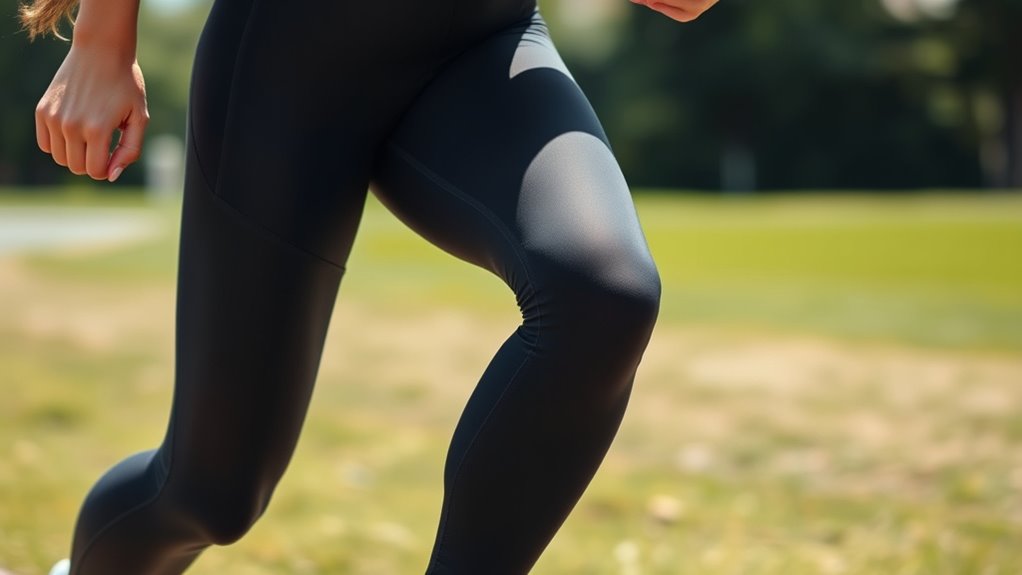
Have you ever wondered why athletes wear compression tights during training or competitions? The main goal is to support muscles and improve recovery. Compression tights apply gentle pressure to your legs, which can help reduce muscle vibration during movement. This is believed to minimize muscle fatigue and soreness. Many think they boost blood flow, delivering oxygen and nutrients more efficiently to tired muscles. They’re also used to help control swelling and inflammation after exercise, speeding up recovery. While some claim compression tights enhance immediate performance, research shows mixed results. Still, athletes often wear them for a psychological edge, feeling more confident and comfortable. Additionally, some athletes believe that wearing compression gear can help enhance circulation improve their overall training outcomes. Moreover, the design of compression clothing is based on principles of pressure therapy that aim to optimize muscle function and recovery. Studies suggest that the improved circulation facilitated by compression garments may contribute to faster muscle repair and reduced soreness. Furthermore, the use of compression gear is rooted in scientific principles that focus on supporting muscle stability and reducing injury risk. Overall, compression tights are designed to support muscle health, aid recovery, and improve comfort, rather than acting as direct performance enhancers.
Do Compression Tights Boost Immediate Performance?

You might expect compression tights to give you an immediate boost, but research shows they don’t substantially improve performance metrics like speed, strength, or jump height. While some athletes feel more confident or perceive less soreness, these effects often stem from placebo rather than real physiological changes. Overall, compression tights aren’t proven to deliver quick performance gains during workouts or competitions. Additionally, understanding the inner wisdom that guides personal choices can help athletes focus on holistic strategies beyond clothing. Recognizing that many performance-enhancing tools have limited immediate effects can encourage a focus on proper training and recovery. Moreover, the psychological aspect of athletic performance plays a significant role in outcomes, sometimes outweighing the physical benefits of gear. Considering mind-body connection can also influence overall performance and recovery strategies. Being aware of modern athletic gear limitations reminds athletes to prioritize foundational training over reliance on apparel.
No Significant Performance Gains
Despite widespread marketing claims, compression tights do not consistently enhance immediate athletic performance. Multiple studies show little to no difference in key metrics like speed, jump height, or endurance when you wear compression gear during activity. While some athletes or studies report minor improvements, these are often inconsistent and not statistically significant. The supposed benefits—like reduced muscle vibration or improved blood flow—don’t translate into noticeable performance gains in real-time competition or training. The mechanisms of compression are often misunderstood, and current research indicates they do not produce measurable ergogenic effects. Most research indicates that wearing compression tights during exercise provides no ergogenic advantage. Instead, any perceived boost is likely psychological or placebo-based. Additionally, current machine learning algorithms used in sports analytics have yet to identify a definitive performance benefit from compression gear. It’s important to recognize that the performance enhancement claimed by some manufacturers is often exaggerated or unsupported by scientific evidence. In fact, the biomechanical effects of compression clothing are minimal and do not translate into meaningful improvements in athletic output. In short, if you’re expecting compression tights to make you faster or stronger right away, the evidence doesn’t support that expectation.
Limited Impact on Strength
While compression tights don’t deliver consistent performance boosts during exercise, their impact on immediate strength and power is even more limited. Most research shows wearing compression gear doesn’t substantially enhance your strength output or explosive movements right away. You won’t likely see your max lifts or jumps improve just by donning compression tights during a workout. Additionally, some studies suggest that performance tuning techniques can optimize vehicle efficiency, but such modifications have no bearing on athletic performance in compression gear.
Recent investigations also indicate that muscle recovery benefits are more apparent after exercise rather than during the activity itself, emphasizing their role in post-workout support rather than immediate performance enhancement. The limited effects may be due to the fact that compression primarily influences circulation and muscle stabilization rather than directly boosting strength. Moreover, individual differences in physiological responses can influence how effective compression garments feel during exercise.
Placebo Effects in Play
Research indicates that the perceived benefits of compression tights may largely result from placebo effects rather than physiological changes. When you wear compression tights, you might feel more confident or less sore, which can positively influence your mindset. Some studies show little difference in actual performance between compression and placebo garments, suggesting psychological factors play a role. While you may believe these tights help you perform better immediately, objective measures often don’t support this. The comfort and confidence boost from wearing compression gear can enhance your motivation and focus, indirectly supporting your efforts. Additionally, understanding the health implications of compression wear can help athletes make informed choices about their gear. Interestingly, compression technology has advanced rapidly, but scientific evidence on its effectiveness remains mixed. Moreover, ongoing research into performance outcomes continues to explore whether physiological benefits truly exist or are primarily psychological. The variability in individual responses also suggests that personal preference and wearing experience may influence perceived benefits.
How Do Compression Garments Affect Muscle Recovery Post-Exercise?

Wearing compression garments after exercise can boost blood circulation and help move waste products out of your muscles more efficiently. This improved flow often leads to less swelling and inflammation, which can make recovery smoother. Over time, these effects may support faster recovery markers and get you ready for your next workout.
Enhanced Blood Circulation
Compression garments are designed to enhance blood flow, which can play a significant role in muscle recovery after exercise. Improved circulation helps deliver oxygen and nutrients to fatigued muscles, facilitating repair processes. Wearing compression tights after workouts can increase venous return, reducing the buildup of metabolic waste products. This enhanced blood flow may speed up recovery, decrease muscle soreness, and reduce fatigue. Keep in mind:
- Increased circulation supports faster removal of lactic acid.
- Better oxygen delivery aids muscle repair.
- Reduced muscle soreness can improve next-day performance.
- Enhanced blood flow may decrease inflammation.
- Improved recovery times help maintain training consistency.
While some benefits are subtle, wearing compression tights might contribute to quicker muscle recovery, especially when combined with other recovery strategies. This physiological effect supports overall athletic readiness.
Reduced Muscle Swelling
After intense exercise, muscle swelling or inflammation can hinder recovery and impair subsequent performance. Compression tights help reduce this swelling by increasing blood flow and venous return, which clears out waste products and limits fluid buildup. This effect can minimize soreness and improve comfort during recovery. The table below illustrates how compression tights influence muscle swelling:
| Effect | Description | Outcome |
|---|---|---|
| Reduced Girth | Decreases thigh or calf circumference | Less inflammation and tightness |
| Decreased Inflammation | Limits inflammatory markers | Faster recovery |
| Improved Blood Flow | Enhances venous return | Quicker waste removal |
| Soreness Reduction | Less muscle soreness post-exercise | Increased comfort |
| Recovery Time | Shortens recovery period | More rapid return to activity |
While swelling reduction is supported, the overall impact on performance recovery varies among individuals.
Faster Recovery Markers
Research indicates that compression garments can accelerate muscle recovery by influencing biological markers associated with muscle damage. They help improve blood flow and venous return, which can speed up waste removal and nutrient delivery. This process may lead to:
- Faster reductions in creatine kinase levels, indicating less muscle damage
- Slight decreases in myoglobin, a marker of muscle injury
- Reduced muscle swelling and inflammation post-exercise
- Enhanced subjective recovery ratings and decreased soreness
- Improved muscle function during recovery phases
While some biomarkers show modest improvements, the overall effects are moderate. These benefits suggest compression tights can support recovery, especially for athletes needing quick turnaround times. However, they don’t drastically alter biological markers, highlighting their role as supplementary recovery tools rather than primary solutions.
The Impact of Compression on Muscle Damage and Strength Replenishment
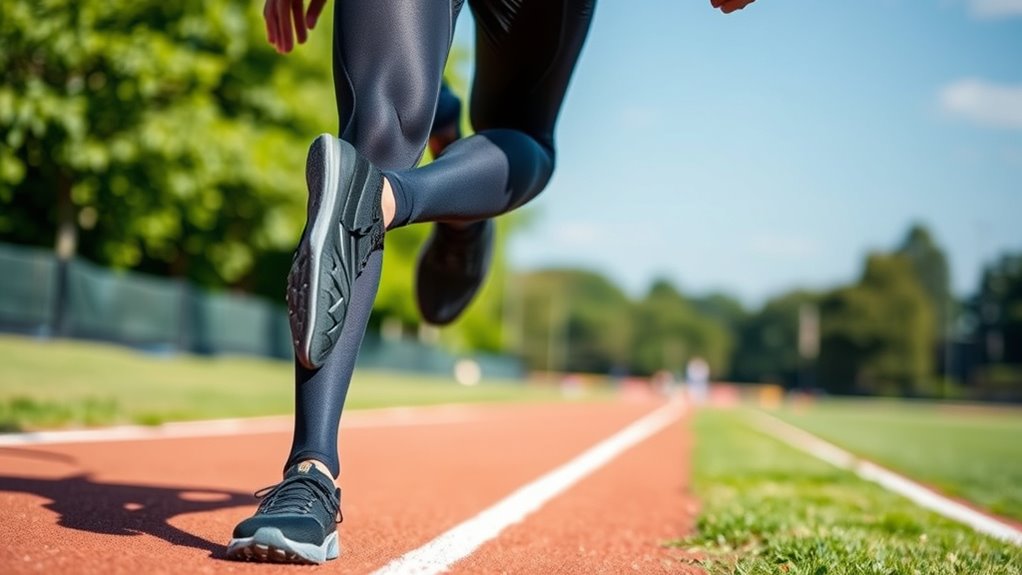
When muscle damage occurs from intense or unfamiliar exercise, recovery strategies become essential to restoring strength and minimizing soreness. Compression tights may help by increasing blood flow, which can accelerate the removal of metabolic waste and reduce inflammation. Studies show that wearing compression garments after exercise can lead to faster recovery of muscle strength and power, partly by lowering levels of muscle damage markers like creatine kinase. They also help decrease muscle swelling and soreness, supporting quicker return to ideal performance. While the effects are moderate, these benefits suggest compression tights could be a useful recovery tool. They don’t directly boost muscle strength during activity, but by aiding recovery, they help you regain peak condition faster and reduce the risk of overtraining.
Do Compression Tights Make a Difference in Balance and Agility?

Compression tights may offer small benefits for balance and agility, particularly in sports that require quick changes in direction or stability. They might enhance proprioception, helping you sense your body position better during rapid movements. These subtle effects could translate into improved control in sports like basketball, soccer, or tennis. Keep in mind:
- Benefits are usually modest and sport-specific
- Enhanced proprioception may aid quick adjustments
- No significant evidence supports large improvements
- Effects are more noticeable during dynamic, multi-directional tasks
- Compression tights are unlikely to impair agility or balance
While they don’t dramatically boost performance, they might help you feel more stable and confident during complex moves. Overall, compression tights serve as an adjunct, offering slight advantages in balance and agility without replacing proper training.
Psychological Effects and the Power of Perception

The psychological effects of wearing compression tights can markedly influence how you perceive your performance and recovery. When you put on compression gear, you might feel more confident, supported, and ready, which can boost your mental state during training or competitions. This sense of reassurance can lead to a placebo effect, making you believe you’re performing better or recovering faster, even if physiological benefits are minimal. The comfort and snug fit may reduce anxiety about muscle soreness or injury, helping you stay focused. While these perceptions don’t always translate into measurable improvements, they can enhance your motivation and mental resilience. Ultimately, the psychological boost from compression tights can play a subtle but meaningful role in your overall athletic experience.
Practical Takeaways for Athletes Considering Compression Gear
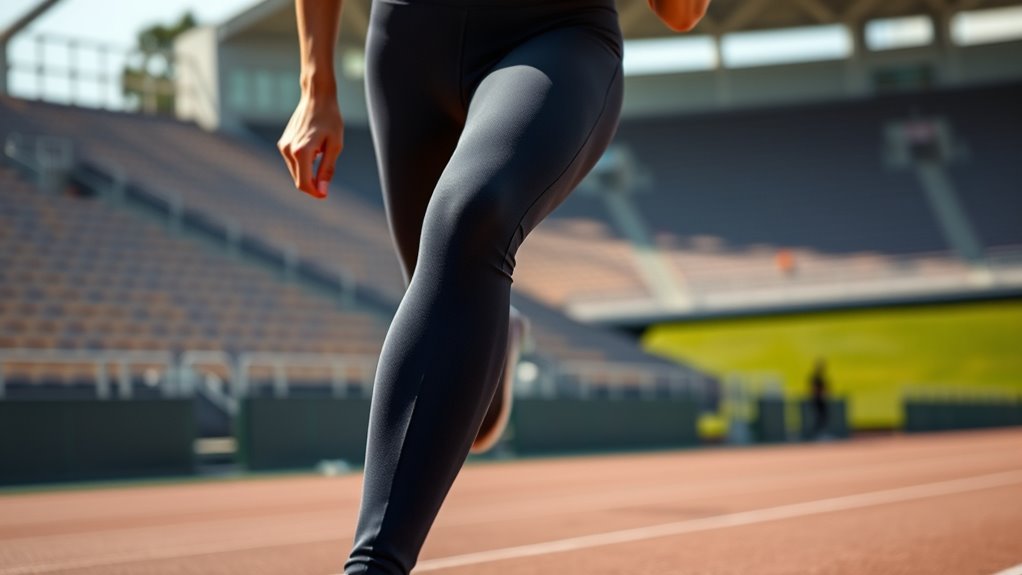
Understanding the actual benefits and limitations of compression gear can help you make informed decisions about whether it’s right for your training or competition. While compression tights may not boost immediate performance metrics like speed or jump height, they can aid recovery and increase comfort. Keep in mind:
Compression gear offers recovery benefits and comfort, but limited impact on immediate performance.
- They might help reduce muscle soreness post-exercise.
- Benefits in performance are generally small and inconsistent.
- Psychological reassurance can boost confidence but isn’t a performance enhancer.
- They may support balance and agility in specific sports.
- The primary value lies in recovery, not performance gains.
If you’re considering compression tights, weigh these factors against your goals. Use them as a recovery tool rather than a shortcut to better performance. Focus on proven training methods first, with compression gear serving as a supplementary aid.
Frequently Asked Questions
Can Compression Tights Prevent Muscle Injuries During Sports Activities?
Compression tights don’t prevent muscle injuries during sports activities. They may help improve blood flow and reduce muscle soreness after exercise, which supports recovery. However, wearing them won’t stop injuries like strains or tears from happening. To prevent muscle injuries, focus on proper warm-up, stretching, strengthening exercises, and using good technique. Compression tights are mainly a recovery aid, not a protective gear against injuries.
Do Compression Tights Help Improve Long-Term Athletic Performance?
Compression tights don’t substantially boost your long-term athletic performance. While they may help with muscle recovery and reduce soreness after workouts, they don’t directly increase strength, speed, or endurance over time. You might feel more confident or comfortable wearing them, but the scientific evidence shows they aren’t a substitute for consistent training and proper recovery practices. Use them as a recovery tool rather than a performance enhancer for sustained athletic improvement.
Are Compression Tights More Effective for Certain Sports or Activities?
If you’re involved in sports requiring balance, agility, or quick directional changes, compression tights might help slightly. They can improve muscle recovery and reduce soreness, especially after intense workouts. For activities like running, jumping, or cycling, they offer minimal performance boosts but can boost confidence and comfort. Keep in mind, their primary benefits are recovery and muscle support, so they’re most useful when combined with proper training and technique.
How Do Compression Tights Compare to Other Recovery Methods?
Compared to other recovery methods, compression tights offer moderate benefits for muscle recovery, blood flow, and reducing soreness. They’re easy to use, comfortable, and can complement techniques like ice baths, massages, or active recovery. While they don’t substantially boost performance during exercise, they help speed up recovery time and reduce muscle damage markers. Using compression tights alongside other strategies can optimize your post-exercise recovery, making them a valuable part of your routine.
Do Compression Tights Offer Benefits for Athletes With Specific Medical Conditions?
If you have specific medical conditions, compression tights can offer benefits like improved blood flow and reduced swelling, which may help manage symptoms. They can aid in faster recovery, decrease muscle soreness, and support circulation, especially if you experience circulation issues or swelling. While they won’t cure underlying conditions, wearing compression tights might enhance comfort and facilitate better recovery during your exercise or daily activities.
Conclusion
While compression tights may not instantly boost your speed or strength, they can support quicker recovery and reduce muscle soreness. Think of them as a helpful teammate—less about immediate gains and more about long-term resilience. So, don’t rely solely on them to transform your performance; instead, use them as part of a balanced routine. After all, true athletic edge comes from consistent effort, not just what you wear.
Fall Picks
fall essentials
As an affiliate, we earn on qualifying purchases.