
You might think that a higher denier makes a jacket warmer, but that’s not always true. Denier measures fiber thickness or fabric weight, not insulation or comfort. Fabrics with the same denier can differ greatly in how well they breathe, wick moisture, and trap heat. Layering and fabric properties matter just as much, if not more, than denier alone. To discover what truly keeps you warm, explore the full story behind fabric choices and construction.
Key Takeaways
- Denier measures fabric thickness, not insulation or warmth, which depend on additional fabric properties.
- Breathability and moisture management significantly impact warmth, regardless of fabric thickness.
- Fabric construction and material composition influence insulation effectiveness beyond denier.
- Layering techniques and fabric design are crucial for maintaining warmth in cold conditions.
- Other factors like fiber type, airflow, and moisture control are essential for true thermal performance.
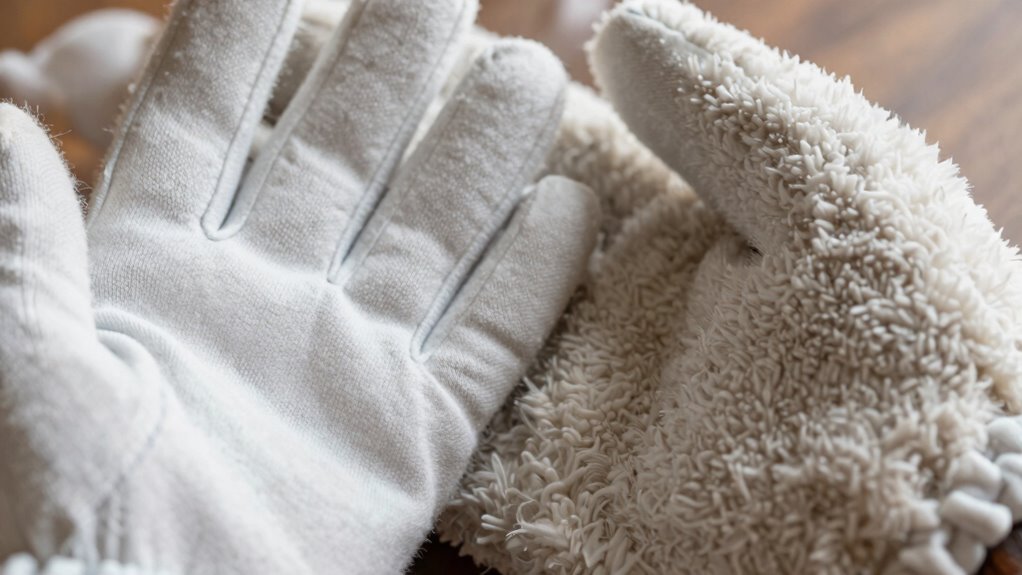
When choosing clothing to stay warm, many people assume that higher denier numbers automatically mean more insulation. While it’s true that a higher denier indicates thicker, more durable fabric, it doesn’t necessarily translate to better warmth or comfort. Denier measures the thickness of individual fibers or the weight of the fabric, but it doesn’t account for other crucial factors like fabric breathability or how you layer your insulation. You might think that a jacket with a 600 denier fabric will keep you warmer than one with 200 denier, but that’s not always the case. The fabric’s ability to breathe and how you manage insulation layering play significant roles in your overall warmth. Additionally, understanding how fabric properties influence insulation can help you make smarter choices when selecting winter gear. Fabric breathability is essential because it affects how well moisture escapes from your clothing. If your fabric traps sweat and moisture, it can make you feel colder despite its thickness. Thicker fabrics aren’t always breathable, which can lead to dampness and heat loss, especially during physical activity. Conversely, a fabric with a lower denier might be made from breathable materials that wick moisture away, keeping you dry and warmer in the long run. When selecting clothing, look beyond the denier number and consider how the fabric manages moisture and airflow. Recognizing the importance of fabric breathability and layering techniques can significantly enhance your comfort in cold weather. Moreover, understanding the role of fiber types can further influence how well your clothing performs in different conditions. Proper layering also helps manage moisture and prevents overheating during physical activities, making it a versatile strategy for different conditions.
Being aware of fabric construction and its impact on insulation can help you choose the most effective winter clothing for your needs. Proper layering also helps manage moisture and prevents overheating during physical activities, making it a versatile strategy for different conditions.
Frequently Asked Questions
How Does Fabric Thickness Affect Warmth Besides Denier?
Fabric thickness impacts warmth beyond denier by influencing fabric texture and thermal conductivity. Thicker fabrics usually have a denser texture, trapping more air and providing better insulation. This reduces heat transfer, keeping you warmer. Additionally, the material’s thermal conductivity matters; fabrics with lower conductivity retain heat more effectively. So, when choosing clothing, consider both thickness and texture to guarantee maximum warmth, not just denier alone.
What Role Does Fabric Weave Play in Insulation?
Imagine fabric weave as the secret dance of insulation—your warmth’s silent partner. A tighter weave reduces air gaps and lowers thermal conductivity, trapping heat more effectively. Fabric texture influences how well heat stays in, with smoother weaves providing less insulation than textured ones. So, your choice of weave isn’t just style; it’s a strategic move in maximizing warmth, making every layer work smarter, not just thicker.
Can Layering Improve Warmth More Than Denier Alone?
Layering can considerably improve warmth more than denier alone because it increases fiber density and enhances thermal retention. When you add layers, trapped air pockets act as insulators, keeping heat close to your body. This method boosts overall insulation by combining different fabrics and textures, making you warmer than relying solely on the fabric’s denier. So, layering effectively maximizes your thermal comfort in cold conditions.
How Does Moisture Impact the Insulating Properties of Fabrics?
Did you know fabrics can lose up to 50% of their insulation when wet? Moisture absorption increases thermal conductivity, which means heat escapes more easily. When fabrics absorb moisture, they conduct heat away from your body faster, reducing warmth. To stay warm, choose materials that wick moisture away quickly and resist absorbing it, maintaining their insulating properties even in damp conditions.
Are There Specific Fabrics That Outperform High-Denier Options?
You’ll find that natural fabrics like wool and alpaca often outperform high-denier synthetic options in warmth, especially as fashion trends emphasize sustainability. These fibers provide excellent insulation while being eco-friendly, aligning with your desire for fabric sustainability. Natural fabrics also adapt well to moisture, maintaining warmth and comfort. So, when choosing fabrics for warmth, look beyond denier and consider sustainable, natural options that support both your style and environmental values.
Conclusion
Remember, don’t judge a fabric’s warmth by denier alone. Imagine you’re choosing a winter jacket. A high-denier coat might seem warmer, but if it’s poorly insulated or breathable, you could end up cold and sweaty. For example, a lightweight, low-denier fleece with good insulation might keep you warmer than a heavy, high-denier nylon. So, always consider the fabric’s construction and insulation, not just the denier, to find true warmth.