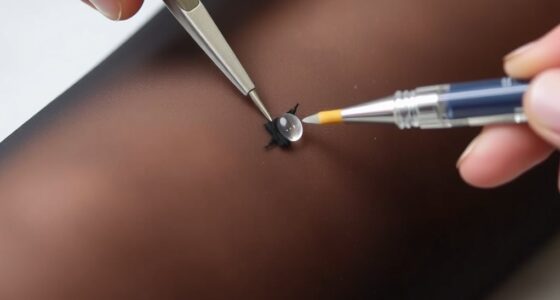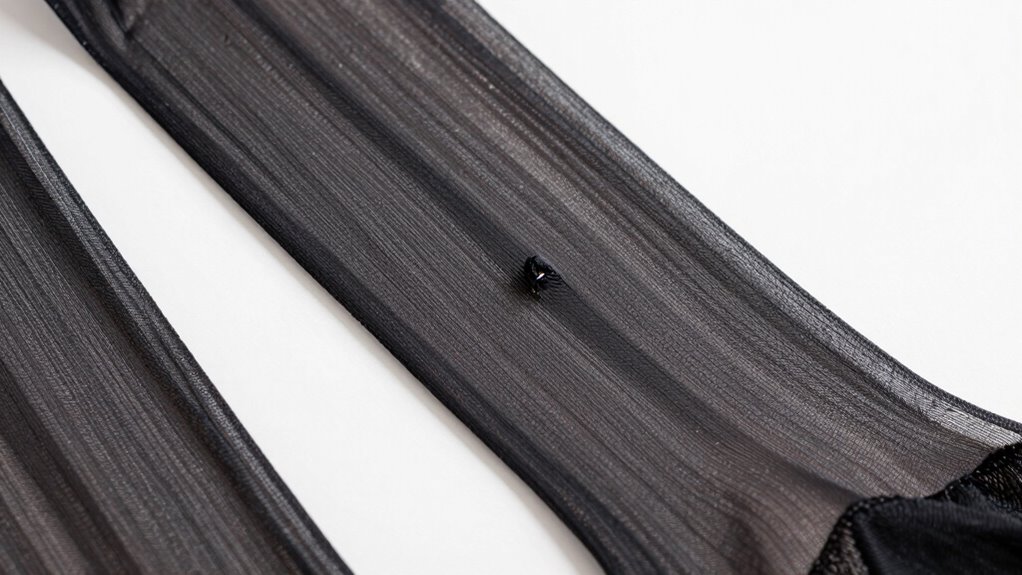

You can successfully repair small tears and runs in tights by applying clear nail polish or fabric adhesive along the edges to prevent spreading. Sew tiny holes with matching, lightweight thread, using a whip stitch for a discreet fix. Reinforcing vulnerable areas near toes or waistbands with small patches also helps prevent future damage. For larger tears, behind-the-damage patching with neat stitches works well. Keep practicing these techniques to extend your tights’ lifespan and maintain their sleek look.
Listen free for 30 days with Audible
Thousands of audiobooks and originals — cancel anytime.
As an affiliate, we earn on qualifying purchases.
Key Takeaways
- Repair small tears with clear nail polish or fabric adhesive for quick, discreet reinforcement.
- Use matching fabric patches sewn with a whip stitch for larger holes to ensure durability.
- Reinforce high-stress areas like toes and waistbands with small patches to prevent future damage.
- Practice repairs on old tights first to perfect technique and achieve neat, durable results.
- Match needle and thread color to tights for discreet, professional-looking repairs.
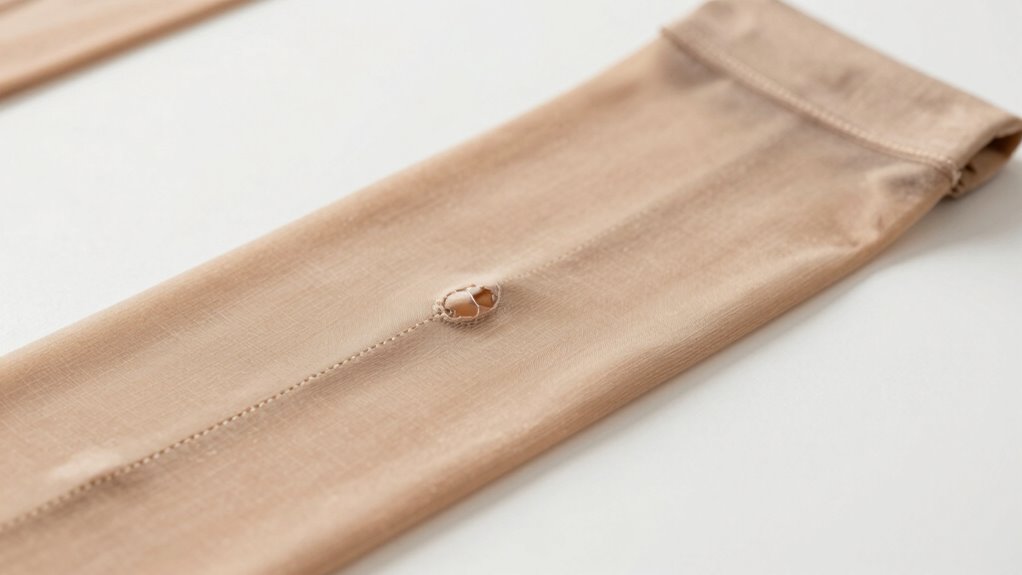
Tights can be a wardrobe staple, but it’s frustrating when they rip or develop runs. Instead of tossing them out at the first sign of damage, consider some DIY repairs that are actually worth attempting. With a few simple tools and some knowledge of material selection, you can extend the life of your favorite pairs and save money in the process. When it comes to fashion tips, knowing how to fix your tights discreetly keeps your look polished without the hassle of buying new ones constantly.
First, understanding the material selection is essential. Most tights are made from nylon, spandex, or a blend of these fibers. Nylon is durable but can develop runs or tears, while spandex provides stretch but can weaken over time. When repairing, choose a needle and thread that match the color and texture of your tights. For nylon tights, a fine, sharp needle and a lightweight thread work best to avoid creating bulk or further damaging the fabric. If your tights are made from a more delicate or intricate material, sometimes a clear or invisible mending tape can do the trick for minor runs.
Choose matching needle and thread for nylon or delicate tights to ensure discreet, damage-free repairs.
For small tears or runs, a quick fix involves using clear nail polish or a fabric adhesive. Applying a thin layer of nail polish along the edges of the tear stabilizes the fibers and prevents it from spreading. Be gentle and avoid excess to keep the repair discreet. For larger holes or runs, a more durable solution is to use a small patch of matching fabric or a specialized mending tape designed for hosiery. Cut the patch slightly larger than the tear and carefully sew it on with a whip stitch, making sure the stitches are tight and close together for strength. This method is particularly effective if you pay attention to the material’s properties and choose the right patch. Additionally, material composition plays a role in determining the best repair approach, as nylon and spandex require different handling techniques. Knowing about fabric care can help you maintain your tights and prevent future damage.
Another tip is to reinforce the area around the run. If the tear is near the toe or waistband, sewing a small patch behind the damage helps prevent it from worsening. When sewing, take your time to keep the stitches neat and even, which makes the repair less visible. Additionally, conservation principles can guide you in making more sustainable choices when repairing or replacing clothing. The key to successful DIY repairs on tights is patience and precision. If you’re unsure, practicing on an old pair first can help you develop your technique.
Frequently Asked Questions
Can I Fix Runs in Sheer, Delicate Tights?
Yes, you can fix runs in sheer, delicate tights. Use clear nail polish or a special fabric adhesive to seal the run, preventing it from spreading. For better results, choose tights made from durable materials like nylon blends, which are easier to repair. Follow fashion tips by reinforcing the area around the run and consider layering with skirts or dresses. Always handle delicate tights gently to maintain their appearance and longevity.
What Tools Are Best for Repairing Tights at Home?
Think of repairing tights as weaving a tiny, delicate tapestry. You’ll need a fine needle and clear, water-based adhesive for seamless mending. For runs, use knotting techniques to secure fibers and prevent further unraveling. Seam mending requires a matching thread and small scissors for precise work. These tools help you patch up tears and strengthen your tights, making them last longer and keeping you stylish without the need for new pairs.
How Long Do DIY Tights Repairs Typically Last?
Diy tights repairs typically last several wears, especially if you focus on proper color matching and fabric strengthening. When you skillfully match the color, your repair blends seamlessly, extending its lifespan. Reinforcing the area with extra fabric or adhesive helps prevent further tears. If you take your time and use quality materials, your repair can hold up through multiple wears, making it a worthwhile effort.
Is It Better to Patch or Reinforce a Torn Area?
Did you know that 60% of fashion enthusiasts prefer patching over reinforcing for torn tights? When deciding, patching is better for larger or more visible tears, as it provides a sturdy, discrete fix. Reinforcing is ideal for small, discreet damage, helping extend seasonal wear. For long-lasting results, opt for patching with fabric that matches your tights, and reinforce edges to prevent further tearing, ensuring your tights stay stylish longer.
Are There Any Repairs I Should Avoid for Safety Reasons?
You should avoid repairs that create safety hazards, like using sharp tools or strong adhesives that could irritate your skin or cause tears. If a tear is large or in a tricky spot, it’s best to seek professional repair rather than risk further damage or injury. DIY fixes might be tempting, but safety always comes first. When in doubt, consult a professional to make certain your tights are repaired safely and effectively.
Conclusion
So, next time you notice a run in your tights, don’t rush to toss them. With a little patience and the right techniques—like a quick dash of clear nail polish or a simple darning stitch—you can breathe new life into your favorite pair. Imagine saving that beloved pair just because you fixed a tiny tear; it’s like giving your wardrobe a small, satisfying upgrade. Why not try it and see how far a little DIY can go?
Back to school Picks
back to school
As an affiliate, we earn on qualifying purchases.