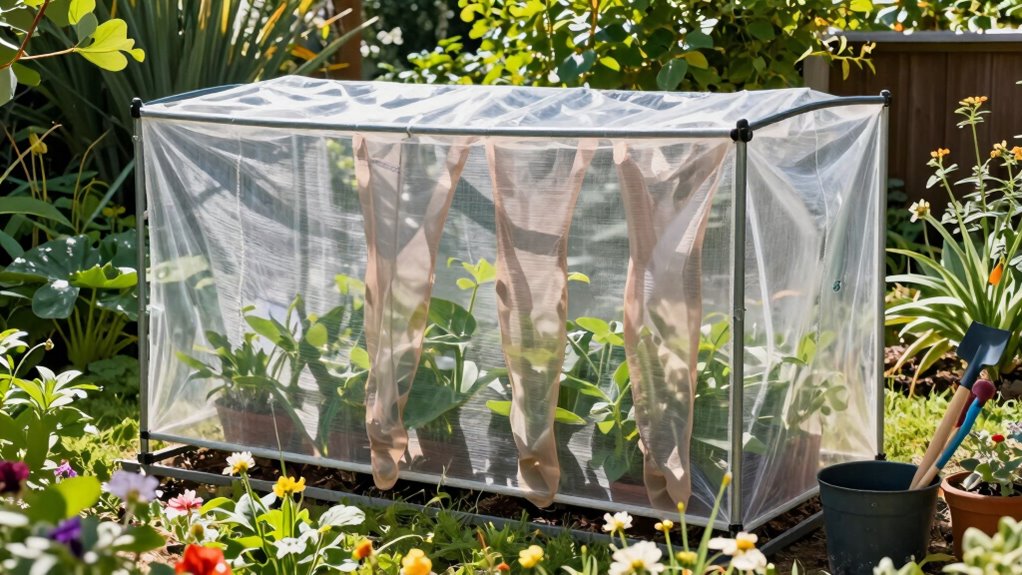

You can easily reuse old tights in gardening by transforming them into plant protectors, supports, and ties. Cut tights into sections to drape over seedlings, shielding them from pests and weather. Use strips to support tall plants or create trellises, and small pieces to secure stems to stakes. Their elasticity and breathability make them perfect for gentle, reusable plant support. Want to discover more creative ways to give your old tights a new life in your garden?

Get your wardrobe favorites delivered free with Prime
- Fast, free delivery on millions of items
- Prime Video, Amazon Music and more included
- Member-only deals all year
Key Takeaways
- Cut old tights into small sections to create plant protectors, supports, or ties for various gardening needs.
- Use tights as flexible plant supports or trellises by tying strips around stems or structures.
- Secure plant stems or vines to stakes with stretchy tights to prevent damage and promote healthy growth.
- Rewash and reuse tights multiple times for different gardening tasks, promoting eco-friendly practices.
- Repurposing tights reduces waste, saves money, and enhances gardening efficiency with versatile, sustainable tools.
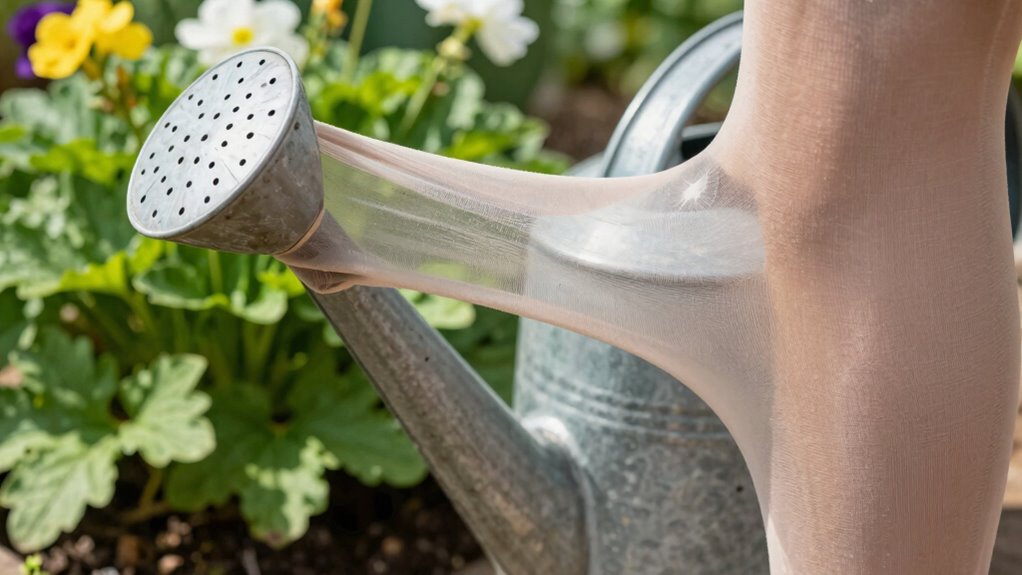
If you find yourself with old tights cluttering your drawers, don’t toss them out just yet. Instead, you can turn those worn-out garments into handy tools for your garden. Tights are surprisingly versatile and can serve multiple purposes, especially when it comes to protecting seedlings and supporting plants. Their stretchy, breathable fabric makes them ideal for creating seed protectors and plant supports that are both effective and inexpensive.
One of the simplest ways to reuse old tights is by transforming them into seed protectors. As your seedlings sprout, they become vulnerable to pests, birds, and harsh weather. You can cut small sections of tights and gently drape them over your young plants. Their elasticity allows them to conform snugly around delicate seedlings, shielding them from unwanted visitors without suffocating them. These makeshift seed protectors are reusable—just remove and wash them once your plants are strong enough to fend for themselves. This method saves you money and reduces waste, giving new life to something you’d otherwise discard. Incorporating sustainable gardening practices can further enhance your efforts to minimize environmental impact.
Transform old tights into reusable seed protectors for delicate seedlings. Save money and reduce waste easily.
Old tights also make excellent plant supports for taller or sprawling plants. Instead of investing in pricey stakes or cages, you can use the stretchy fabric to create a flexible support structure. To do this, cut strips of tights and tie them around the main stems or branches of your plants. As the plant grows, the tights will support the weight without cutting into the stems, thanks to their soft and elastic nature. You can also use them to create a trellis by tying several strips together vertically or horizontally, offering a gentle but sturdy framework for climbing plants like beans or cucumbers. This approach is especially useful if you’re looking for a lightweight, adaptable support system that won’t damage your plants. Additionally, reusing materials like tights aligns with eco-friendly gardening practices that reduce waste and promote resourcefulness.
Additionally, tights can be repurposed as plant ties or clips. Cut small pieces and wrap them around delicate stems or vines, securing them to stakes or trellises. Their stretchiness ensures a snug fit without constricting growth or causing damage. The fabric’s breathability helps prevent moisture buildup, reducing the risk of disease. Moreover, because home robotics and automated cleaning solutions emphasize efficiency and sustainability, reusing materials like tights aligns with eco-friendly gardening practices that reduce waste and promote resourcefulness. Reusing old tights not only benefits your garden but also supports broader environmentally conscious efforts.
In all these ways, old tights become a sustainable, practical resource for your gardening needs. They’re durable enough to withstand outdoor conditions, reusable, and gentle on your plants. Instead of tossing them into the trash, think creatively about how you can incorporate them into your garden routines. Not only does this save you money, but it also helps reduce waste and promotes eco-friendly gardening practices. By repurposing household items, you contribute to a more sustainable lifestyle, making your gardening efforts even more meaningful. With a little imagination, those old tights can become some of your most useful gardening tools.
Frequently Asked Questions
Can Old Tights Be Reused for Clothing or Crafts?
Yes, you can reuse old tights for clothing or crafts. Recycling fashion is a great way to reduce waste, and old tights are perfect for creative crafts like making jewelry, decorative flowers, or even patchwork clothing. You can cut, stretch, or dye them to customize your projects. So, don’t toss those tights—get creative and give them a new life in your DIY fashion or craft endeavors!
Are There Safety Concerns When Handling Old Tights?
There are safety concerns when handling old tights, mainly related to chemical safety and allergic reactions. You might encounter residues from manufacturing or cleaning agents, so it’s best to wash them thoroughly before use. If you have sensitive skin or allergies, wear gloves to prevent irritation. Always inspect old tights for mold or deterioration, and handle with care to avoid any skin or respiratory issues from dust or chemicals.
How Long Do Reused Tights Last in Gardening Tasks?
Reused tights typically last several months in gardening tasks, but their durability depends on how often you use them and the gardening conditions. Conduct a durability assessment regularly to check for tears or thinning fabric. Also, consider material safety; if the tights become worn or damaged, replace them promptly to avoid potential contamination or safety issues. Proper care extends their lifespan, making them a useful, eco-friendly gardening tool.
Can Old Tights Be Washed and Reused Multiple Times?
Of course, you can wash and reuse old tights multiple times—because who doesn’t love recycling techniques that challenge textile durability? With proper care, your tights can handle the dirt and water of gardening, proving they’re tougher than they look. Just toss them in the wash, hang dry, and they’ll be ready for another round. It’s a clever, eco-friendly way to extend their life and keep those pesky weeds at bay!
What Other Household Items Can Be Repurposed for Gardening?
You can recycle household items like plastic bottles, egg cartons, and old newspapers for eco-friendly gardening. Use plastic bottles as mini greenhouses or watering tools, while egg cartons make great seed starters. Old newspapers help with weed control or composting. Recycling household items reduces waste and promotes sustainable practices, making your gardening more eco-friendly. These simple swaps turn everyday items into useful tools, helping you garden responsibly and creatively.
Conclusion
Next time your tights are worn out, don’t toss them—see them as tiny garden helpers. Imagine delicate roots slipping through their snug fabric, protected yet free to grow. These old tights become your silent partners, wrapping tender stems like gentle hands guiding them upward. With each reuse, you’re nurturing not just plants, but a mindful connection to nature’s simple, overlooked wonders. Embrace the cycle, and watch your garden flourish with purpose and care.
Halloween Picks
halloween
As an affiliate, we earn on qualifying purchases.