TL;DR

Get your wardrobe favorites delivered free — and shop member deals
- Fast, free delivery on millions of items
- Access to Prime Big Deal Days deals on October 6–7
- Prime Video, Amazon Music and more included
Beauty packaging has visibly shifted toward bold colors, sculptural shapes and collectible designs over recent years, and coverage of the topic is currently spiking. The shift reflects social-media-driven marketing and shelf-competition, though no single event triggering the current wave of interest has been confirmed.
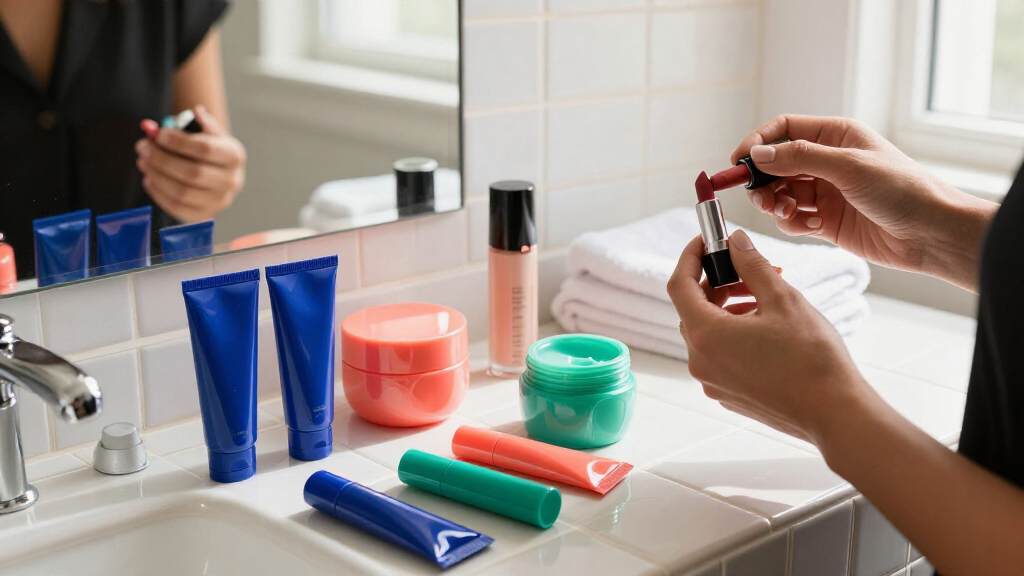
Beauty brands across price tiers have spent years replacing minimalist tubes and jars with packaging that functions as sculpture, collectible and social-media prop — perfume bottles shaped like chess pieces, vividly colored compacts designed as vanity decor, and heavy refillable cases. Coverage of this design shift is now spiking, according to trend-tracking data accompanying the topic, though no single product launch, campaign or industry event behind the surge has been identified.
What is well established is the direction of travel. Over the past several years, cosmetics and fragrance brands across price tiers — from drugstore lines to luxury houses — have moved away from minimalist white-and-black tubes toward packaging that is louder, more colorful and more object-like. Perfume bottles shaped like chess pieces, robots or sea creatures; compacts designed to sit on a vanity as decor; refillable cases with heavy metal finishes: these are now common across counters and social feeds.
Industry observers have long attributed the shift to two forces. First, social media rewards visually distinctive products: an unusually designed bottle or palette generates unboxing content and free reach in a way a plain tube does not. Second, packaging has become a way for brands to justify premium pricing and build collectibility, encouraging repeat purchases of items customers treat as display pieces rather than disposables.
The current wave of coverage frames this as a full-blown industry “obsession” — a characterization that reflects genuine, observable design patterns, but one whose framing comes from fashion-media commentary rather than a measured industry study. No sales data quantifying the effect of bold packaging on revenue is included in the current coverage.
Why Packaging Design Now Drives Beauty Sales
Packaging decisions matter commercially in beauty because the category is saturated and largely impulse- and gift-driven. A distinctive bottle or case can determine whether a product is photographed, shared and re-purchased — or lost on a crowded shelf. For consumers, the trend has practical consequences: prices often rise alongside elaborate design, and sustainability questions grow as ornate, mixed-material packaging becomes harder to recycle.
The trend also signals how beauty marketing has converged with fashion and collectibles. Products are increasingly positioned as objects of display, blurring the line between cosmetics and lifestyle goods. Readers evaluating purchases may find that they are paying as much for the vessel as the formula inside — a trade-off worth weighing, since product quality and packaging quality are not the same thing.
From Minimalism to Maximalist Bottles
The turn toward expressive packaging follows an earlier era of minimalist design — the clean white-and-nude aesthetic that dominated prestige beauty through the 2010s. As that look became ubiquitous across both luxury and mass brands, it lost its power to signal premium positioning, and designers moved in the opposite direction: saturated color, unconventional shapes, novelty closures and playful references.
Fragrance has been a leading category in this shift, with gifting and vanity display making bottles a central part of the product. Makeup followed, with limited-edition collaborations and seasonal packaging drops borrowed from fashion’s drop model. The current spike in coverage suggests the trend is now being discussed as an industry-wide defining trait rather than a niche design choice.
“Beauty has become obsessed with bold, expressive packaging.”
— Fashion-media trend coverage (via aggregated RSS feed)
What Is Unconfirmed About the Spike
The trigger for the current surge in interest is not confirmed. No specific product launch, brand campaign, trade event or industry report driving the coverage has been identified, and no named executives, designers or analysts are cited in the available material.
It is also unclear how the trend is performing commercially: there is no verified sales or market-size data attached to the current coverage, and claims that bold packaging lifts revenue remain plausible but unquantified. Whether consumer enthusiasm is durable or cooling — particularly amid growing sustainability pressure on packaging waste — cannot be determined from the available information.
Signals to Watch in Beauty Design
Watch for whether the trend bends toward refill systems, which would let brands keep ornate outer designs while addressing waste concerns, and whether regulators or retailers impose packaging-sustainability requirements that constrain elaborate formats. Further brand launches and holiday collections in the coming seasons should indicate whether maximalist design is still expanding or being scaled back.
Key Questions
What does ‘bold, expressive packaging’ mean in beauty?
It refers to products designed as visual objects — unusually shaped perfume bottles, vividly colored compacts, sculptural lipsticks and collectible cases — rather than plain, functional containers.
Why are beauty brands investing in packaging design?
Industry commentary attributes it to social-media visibility, shelf differentiation in a crowded market, and the ability to charge premium prices for products treated as display pieces or collectibles.
Does fancier packaging mean a better product?
No. Packaging quality and formula quality are separate. Elaborate design can raise the price without indicating anything about the product inside.
Is the current spike in interest tied to a specific event?
That is unconfirmed. Coverage of the topic is spiking, but no specific launch, campaign or report driving it has been identified.
What about the environmental impact?
Ornate, mixed-material packaging is generally harder to recycle, and sustainability concerns are a known counter-pressure to the trend. How brands balance the two remains an open question.
Source: rss
Fall Picks
fall essentials
As an affiliate, we earn on qualifying purchases.