The decline of pantyhose happened as dress codes grew more relaxed, favoring casual styles like jeans and leggings that don’t require hosiery. Yet, their rise in the 1950s and 1960s marked a shift toward more polished, professional looks. Today, comfort and individual expression dominate fashion choices, but niche markets keep pantyhose relevant through vintage and sustainable options. If you keep exploring, you’ll discover how societal trends continue to shape the industry’s evolution.

Get your wardrobe favorites delivered free with Prime
- Fast, free delivery on millions of items
- Prime Video, Amazon Music and more included
- Member-only deals all year
Key Takeaways
- Evolving dress codes toward casual and relaxed attire reduced the necessity for traditional pantyhose in daily and professional settings.
- The shift toward comfort and individual expression led to increased popularity of leggings, bare legs, and breathable fabrics, decreasing pantyhose demand.
- Technological advancements in hosiery, such as seamless knitting and stretch materials, initially boosted industry innovation but couldn’t counteract social shifts.
- Niche markets and vintage trends revived interest in high-end, eco-friendly, and specialty pantyhose despite mainstream decline.
- Changes in societal norms and workplace policies transformed fashion expectations, significantly impacting the hosiery industry’s growth and adaptation.
Popular right now

Roborock RockNeo Q110H Wire-Free Robot Lawn Mower

KitchenAid Artisan 5-Quart Tilt-Head Stand Mixer, Almond Cream

Vitamix 5200 Professional-Grade Blender, 64 oz. Container, Black
As an affiliate, we earn on qualifying purchases.
The Origins and Early Adoption of Pantyhose
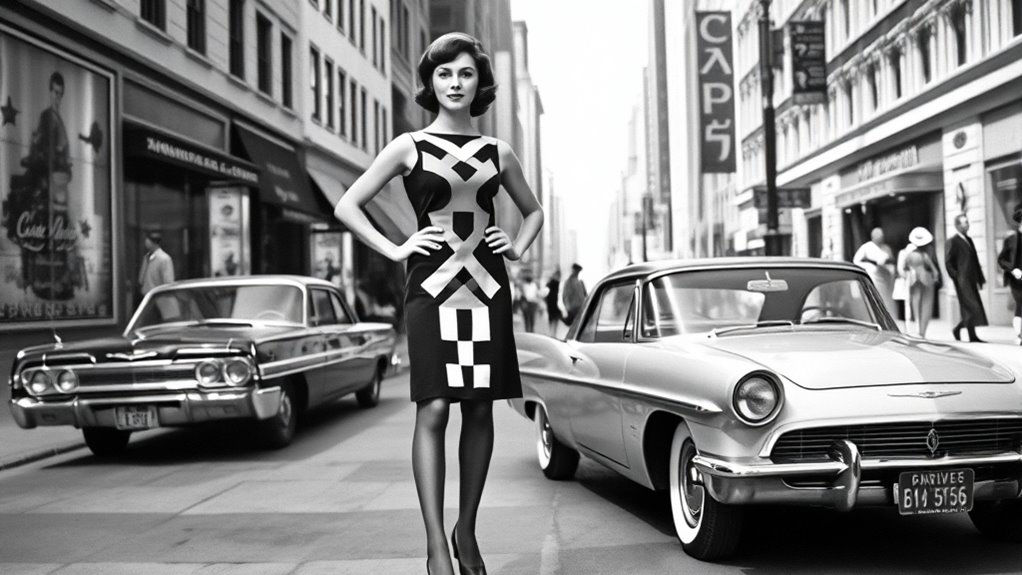
Pantyhose first appeared on the market in 1959 under the brand name “Panti-Legs,” developed by Allen Gant Sr. at Glen Raven Knitting Mills. They combined stockings and panties into a single garment, offering a new, streamlined alternative to traditional hosiery and garter belts. This innovation quickly gained popularity as fashion trends shifted toward shorter skirts and more exposed legs. Around the same time, Ernest G. Rice patented a similar design, leading to legal disputes that were settled later. Early adopters appreciated pantyhose for their convenience, comfort, and sleek appearance. Their rise coincided with the burgeoning miniskirt trend, making them a staple in women’s wardrobes. This innovative product marked the beginning of a new era in hosiery and fashion.
Technological Breakthroughs Shaping the Industry

Technological innovations have revolutionized the hosiery industry, making pantyhose more comfortable, durable, and versatile than ever before. You benefit from advancements like seamless circular knitting machines, which eliminate seams for a smoother, more comfortable fit. The introduction of spandex (Lycra) in the 1960s enhanced stretch, shape retention, and flexibility, allowing for a better fit and increased durability. Textile blends combining nylon and elastane improved both aesthetics and wearability, giving you options from sheer to opaque tights with enhanced resilience. Modern manufacturing techniques also enable mass production of high-quality, consistent products. These breakthroughs have not only improved comfort but also expanded the range of styles and finishes, ensuring pantyhose remain relevant even amid changing fashion and dress codes. Additionally, innovations in material technology have contributed to increased breathability and moisture-wicking capabilities, further enhancing overall comfort. Ongoing research in fabric engineering continues to develop new fibers that meet the demands of modern dress codes and active lifestyles. Furthermore, the industry’s focus on sustainable manufacturing promotes eco-friendly practices, reducing environmental impact while maintaining product quality. These ongoing advancements continue to adapt to new dress codes, keeping pantyhose an essential part of modern wardrobes. Moreover, understanding the importance of legacy and remembrance in leadership, the industry continues to evolve, honoring tradition while embracing innovation to meet contemporary needs.
Fashion Trends Driving Market Expansion
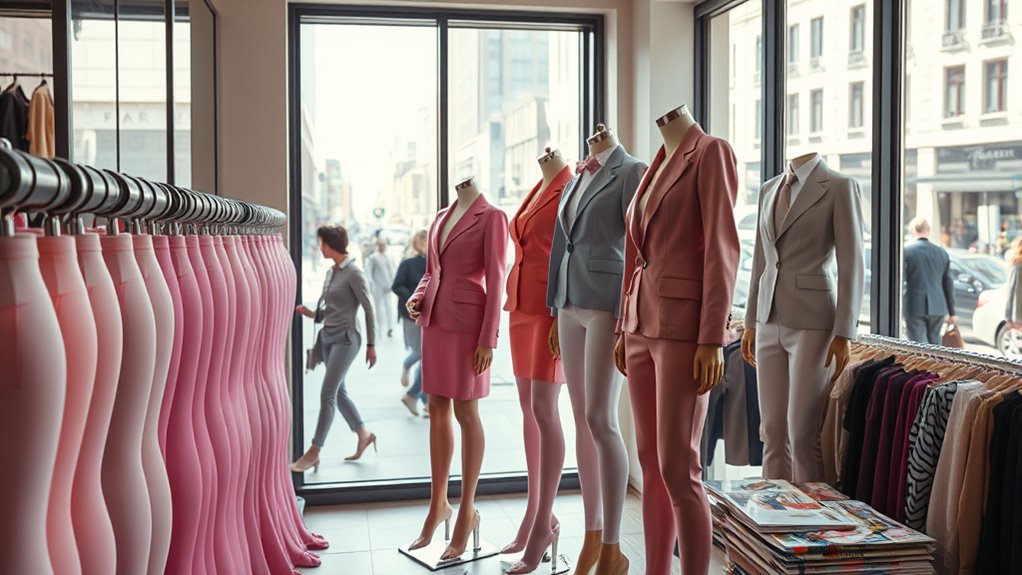
Have fashion trends ever truly dictated the rise and fall of pantyhose sales? Absolutely. When miniskirts emerged in the 1960s, they exposed legs above the knee, creating a demand for sheer hosiery to maintain a polished look. The popularity of office wear in the 1970s and 1980s, with tailored skirts and suits, kept pantyhose as a wardrobe staple. Conversely, casual trends in the late 20th century, like leggings and bare legs, contributed to declines. However, fashion cycles now bring vintage styles back, boosting demand for retro-inspired hosiery. Luxury and designer collaborations also expand the market, emphasizing quality and aesthetics. Today, shifting fashion preferences continue to influence pantyhose sales, balancing practicality with style, and opening new opportunities for industry innovation. Additionally, evolving dress codes in workplaces have impacted pantyhose acceptance, and the rise of AI-driven fashion forecasting is shaping industry trends and consumer preferences. Recent advances in sustainable materials further influence market dynamics, aligning industry practices with environmental concerns.
Shifts in Dress Code Norms and Their Effects
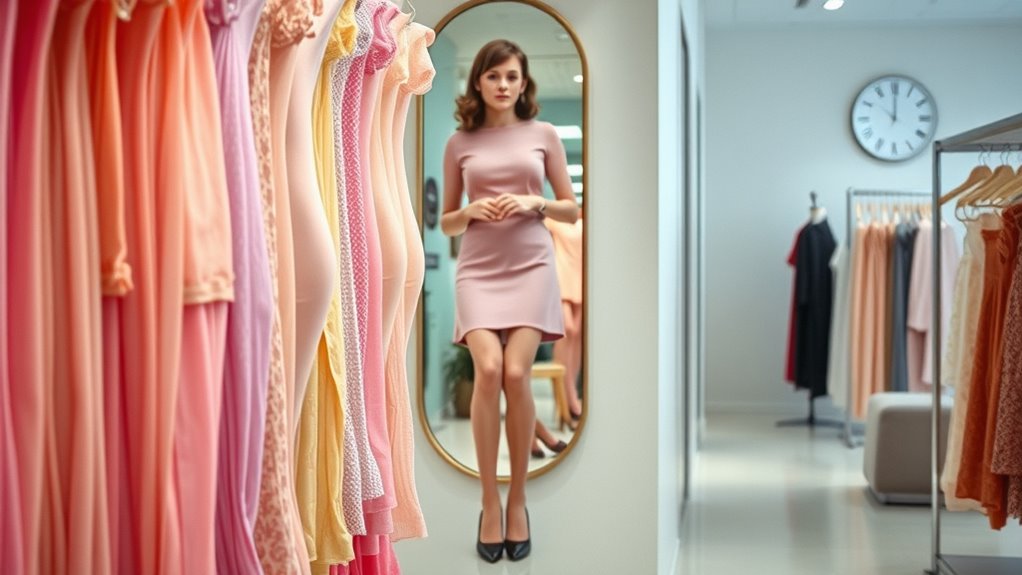
As dress codes become more casual and focus on comfort, you might notice fewer people wearing pantyhose. This shift reflects changing social norms that prioritize ease over formal appearance. Consequently, the demand for traditional hosiery has declined, altering industry dynamics profoundly.
Casualization of Attire
The shift toward more casual dress codes has dramatically transformed how you approach wardrobe choices, especially in professional and social settings. You now favor jeans, sneakers, and relaxed attire over formal wear. This trend reduces the need for pantyhose, as bare legs and leggings become more acceptable. As dress standards loosen, the demand for traditional hosiery declines, making pantyhose less essential. The table below highlights how this shift affects various aspects of fashion: | Aspect | Effect | |——————–|—————————————————–| | Professional Wear | More relaxed; fewer dress code restrictions | | Social Settings | Casual attire with minimal hosiery requirements | | Industry Impact | Reduced demand; shift toward diverse legwear options | Additionally, the dress code norms in workplaces have evolved, reflecting broader societal shifts towards comfort and individuality. This change is further supported by the changing fashion trends, which emphasize comfort and personal expression over strict formality. Moreover, dress code compliance has become more flexible, allowing individuals to express their personal style without sacrificing professionalism. An increase in athleisure styles also contributes to the decline in traditional hosiery, as athletic-inspired clothing becomes mainstream in various settings. Furthermore, the cost of pantyhose and hosiery has influenced consumer choices, leading to a preference for more versatile and comfortable alternatives.
Shift Toward Comfort
Changing dress code norms are reshaping how people prioritize comfort in their clothing choices. As workplaces and social settings become more casual, you’re less likely to wear tight, restrictive garments like pantyhose. Instead, you seek versatile options that feel natural and allow movement. This shift diminishes the need for formal hosiery, especially in everyday settings. Many now opt for leggings, bare legs, or other legwear that offers ease and breathability. Comfort-driven fabrics like cotton blends and stretchy materials dominate, making traditional pantyhose less appealing. You’re also influenced by fashion trends that emphasize individuality and relaxed style. As a result, the industry must adapt, balancing traditional aesthetics with the demand for comfort, or risk losing relevance in a rapidly changing clothing landscape. Additionally, awareness of prophetic dreams and their interpretations reflects a broader cultural shift towards valuing personal insight and subconscious messages, which parallels the evolving attitudes toward comfort and authenticity in fashion.
The Decline of Pantyhose in Modern Fashion

You’ve probably noticed that fewer people wear pantyhose today, as casual clothing becomes the norm. Leggings and bare legs offer comfort and flexibility, making traditional hosiery seem unnecessary. This shift reflects a broader move toward comfort over formal fashion standards. Additionally, changing dress codes in workplaces have contributed to the decline in pantyhose usage, emphasizing dress code reforms for a more relaxed environment. The evolution of home fashion trends, including the adoption of more casual attire, also plays a significant role in this decline.
Casualization of Attire
As fashion shifts toward more relaxed and informal styles, the demand for pantyhose has steadily declined. You notice that casual outfits like jeans, shorts, and skirts worn without hosiery have become commonplace, making pantyhose less necessary. Comfort and practicality now take priority over formal or restrictive legwear, leading many to skip hosiery altogether. Dress codes in workplaces and social settings have also relaxed, reducing the pressure to wear pantyhose for professionalism or decorum. Additionally, the rise of bare legs and the popularity of leggings as versatile alternatives have further diminished pantyhose’s relevance. As a result, the industry faces decreasing sales, with fewer consumers viewing pantyhose as essential, and more opting for effortless, casual attire that doesn’t require additional accessories. The importance of fostering a digital-friendly environment at home has also influenced fashion trends, with many embracing more casual and comfortable clothing choices.
Shift to Leggings
Why have leggings become the preferred alternative to pantyhose in modern fashion? Because they offer comfort, versatility, and an effortless style that suits casual and active lifestyles. Leggings easily replace pantyhose for many, blending function with fashion. They come in various fabrics, colors, and patterns, allowing you to personalize your look without sacrificing comfort. Unlike pantyhose, they don’t require precise sizing or special care, making them more practical. As fashion shifts toward relaxed attire, leggings fit seamlessly into everyday wear, workout outfits, and even some work settings. Their popularity reflects a move away from formal dress codes toward more expressive, comfortable legwear choices. Additionally, homemade options for legwear are becoming more popular as consumers seek customizable and sustainable alternatives. This trend aligns with the shift to comfort-focused clothing, emphasizing ease and personal expression over traditional formal standards.
Comfort Over Formality
In recent years, comfort has taken center stage over formal appearance in fashion choices, leading many to abandon traditional pantyhose. You now prioritize ease and practicality, opting for breathable fabrics and flexible options like leggings or bare legs. The shift reflects a broader move away from strict dress codes, especially in casual work environments and everyday wear. Modern fabrics focus on softness, stretch, and moisture-wicking properties, making pantyhose feel restrictive or uncomfortable. As social norms evolve, people seek outfits that support mobility and comfort without sacrificing style. This cultural shift reduces the demand for traditional hosiery, pushing the industry to adapt or decline. Ultimately, comfort over formality reshaped how you approach legwear, favoring freedom and ease over rigid, formal standards.
Resurgence and Niche Market Opportunities
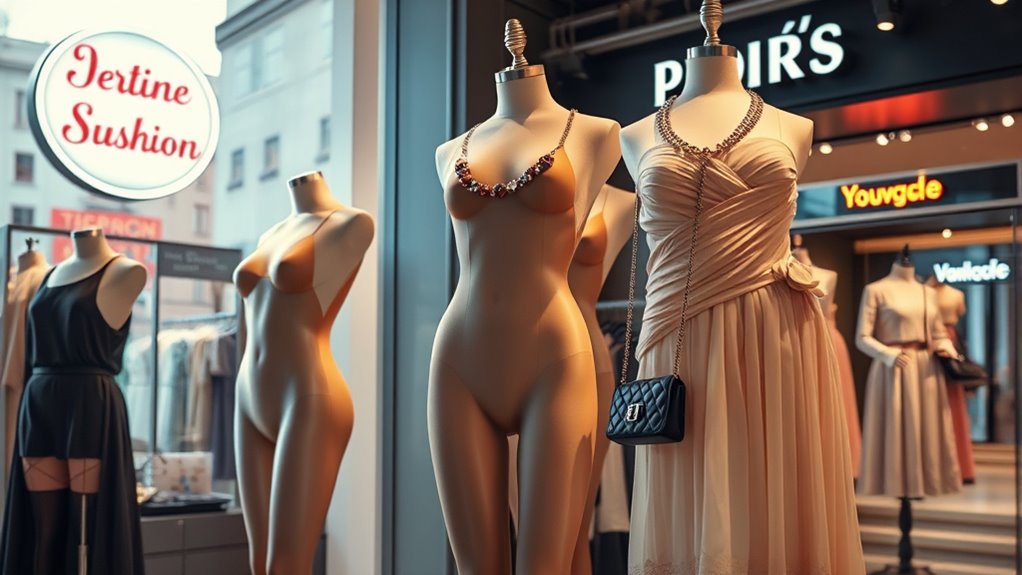
Despite the overall decline in mass-market pantyhose sales, a notable resurgence is emerging through niche markets that emphasize quality, sustainability, and retro appeal. You’re now seeing dedicated consumers seeking high-end hosiery crafted from eco-friendly materials or vintage-inspired designs. These markets thrive by combining fashion with purpose, appealing to those who value craftsmanship and sustainability. You can tap into this trend by exploring opportunities such as:
- Luxury and artisanal hosiery brands
- Vintage and retro-inspired collections
- Eco-friendly, sustainable textile innovations
- Specialized products for niche demographics (e.g., medical or dance wear)
- Limited-edition collaborations with designers and influencers
This shift highlights consumers’ desire for unique, durable, and ethically-made legwear, creating new avenues for growth beyond mass-market sales.
Cultural Significance and Economic Impacts
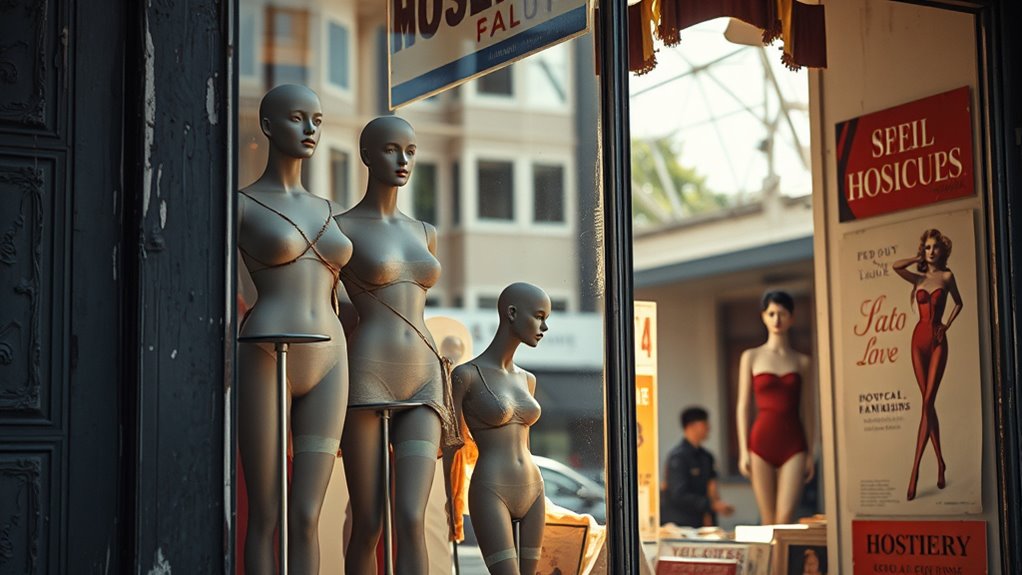
Pantyhose have long served as more than just a fashion item; they symbolize shifts in cultural attitudes towards femininity, professionalism, and social mobility. When you wear pantyhose, you’re participating in a tradition that reflected societal expectations for women’s appearance and roles. The industry spurred innovation in textile technology, creating jobs and economic growth in regions like Castel Goffredo, Italy. Marketing campaigns and pop culture icons shaped perceptions, making pantyhose a symbol of glamour and empowerment. As dress codes evolved, so did their cultural significance, aligning with changing norms around gender and professionalism. Despite declines, niche markets and vintage trends sustain their relevance, reminding you that pantyhose remain intertwined with societal shifts and economic development in fashion history.
Frequently Asked Questions
What Materials Are Most Commonly Used in Modern Pantyhose Manufacturing?
You’ll find that modern pantyhose are most commonly made from nylon and elastane (spandex or Lycra). Nylon provides durability and a smooth finish, while elastane gives stretch and comfort. Some brands also blend in cotton or polyester for added breathability and strength. This combination ensures a snug fit, flexibility, and a sleek appearance, making these materials ideal for everyday wear and fashion-forward designs.
How Did Pantyhose Influence Women’s Fashion and Social Liberation?
You might find it surprising that by the 1970s, over 90% of women in the US wore pantyhose regularly. They revolutionized women’s fashion by making legs more uniform and accessible, boosting confidence. Pantyhose simplified dressing routines and replaced traditional garters, symbolizing independence. They also supported women’s participation in the workforce, promoting social liberation by blending practicality with style, and empowering women to express themselves comfortably.
What Are the Environmental Impacts of Hosiery Production?
You should know that hosiery production impacts the environment through resource use and waste. Manufacturing consumes large amounts of water, energy, and chemicals, especially for dyeing and finishing textiles. Synthetic fibers like nylon and spandex are derived from nonrenewable petroleum, contributing to pollution and greenhouse gases. Additionally, discarded pantyhose often end up in landfills, taking decades to decompose, which worsens environmental pollution.
How Does Globalization Affect the High-End Hosiery Industry?
Ever wonder how global markets shape luxury hosiery? Globalization pushes high-end brands to source premium materials and skilled labor from diverse regions, reducing costs and increasing competition. You see, this expansion allows for innovative designs and higher quality standards, making luxury hosiery more accessible worldwide. But does it also risk diluting craftsmanship? You decide—while globalization fuels growth, it challenges the exclusivity and heritage that define high-end hosiery.
What Are Current Innovations Aimed at Improving Pantyhose Comfort?
Today, innovators focus on making pantyhose more comfortable by using softer, breathable textiles that wick moisture and reduce chafing. They incorporate advanced stretch fibers like elastane for a perfect fit and seamless knitting techniques to eliminate irritation. Some designs feature reinforced toes and waistbands for durability, while others add adjustable or cooling elements. These innovations aim to enhance comfort, making pantyhose feel less restrictive and more pleasant for everyday wear.
Conclusion
So, as you can see, pantyhose’s story is a gentle dance of change and adaptation. Even when styles shift, they find new ways to fit into your world—sometimes quietly, sometimes with a little flair. It’s a reminder that fashion’s ebb and flow keeps things interesting, offering surprises along the way. So, whether you’re embracing the classic or exploring new trends, the journey of pantyhose continues to add a touch of elegance and charm to your wardrobe.