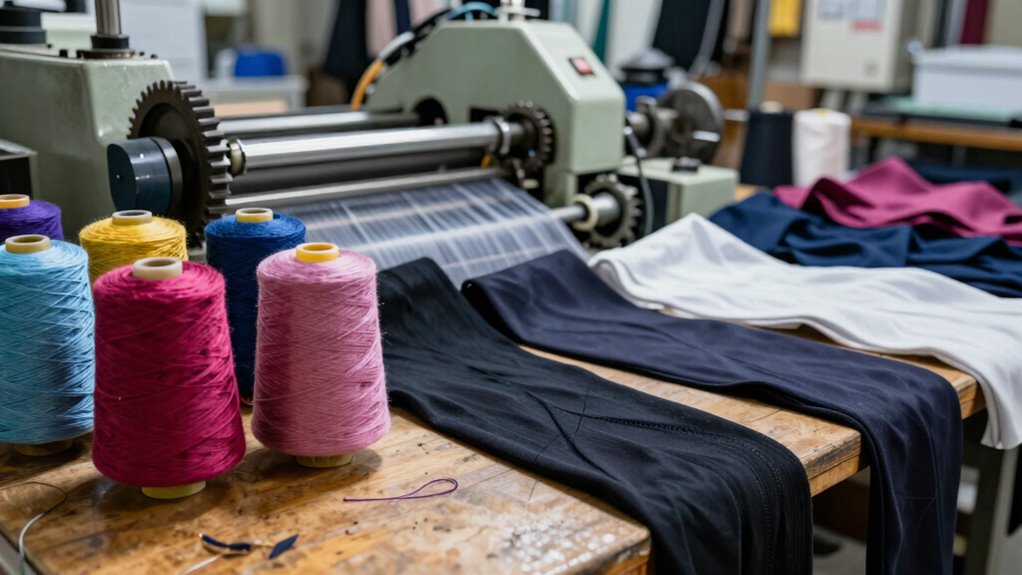

You face a complex supply chain for synthetic legwear, with challenges like sourcing fibers from multiple regions affected by environmental issues and geopolitical tensions. Manufacturing delays from factory shutdowns or strikes can disrupt production timelines, while port strikes and container shortages slow deliveries. Global dependencies make you vulnerable to disruptions in shipping and logistics. Staying resilient means managing these hurdles carefully, but there’s more to uncover about how these issues impact the industry and your choices.

Get your wardrobe favorites delivered free — and shop member deals
- Fast, free delivery on millions of items
- Access to Prime Big Deal Days deals on October 6–7
- Prime Video, Amazon Music and more included
Key Takeaways
- Complex, multi-region supplier networks for raw materials lead to supply disruptions due to environmental and geopolitical issues.
- Manufacturing complexities across multiple stages and locations cause delays and quality consistency challenges.
- Shipping disruptions from port delays, container shortages, and geopolitical tensions impact delivery timelines.
- Global manufacturing and logistics vulnerabilities amplify ripple effects throughout the supply chain.
- Growing demand for sustainable sourcing adds pressure to balance responsible procurement with supply stability.
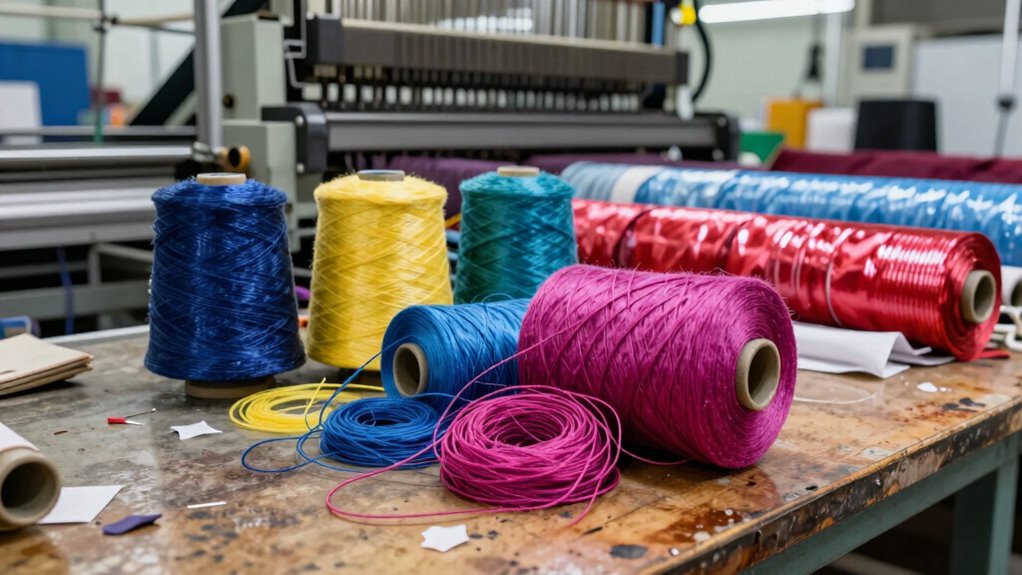
Synthetic legwear has become a staple in fashion, but behind the scenes, its production faces considerable supply chain hurdles. One of the primary challenges lies in raw material sourcing. The fibers used in synthetic legwear, such as polyester and nylon, depend on a complex network of suppliers across different regions. Fluctuations in raw material availability, often caused by environmental issues or geopolitical tensions, can disrupt this supply chain. When raw materials become scarce or prices spike, manufacturers struggle to keep production steady, leading to delays and increased costs. Furthermore, sourcing synthetic fibers responsibly is increasingly important to consumers, adding pressure to find sustainable and ethically produced raw materials without disrupting supply.
Once raw materials are secured, manufacturing logistics become the next obstacle. The production process itself is highly intricate, involving multiple steps from fiber extrusion to fabric weaving, dyeing, and final assembly. Coordinating these stages across different factories, often located in various countries, requires precise planning. Disruptions in one part of the process—such as a factory shutdown due to a local strike or pandemic restrictions—can cause cascading delays that ripple through the entire supply chain. Shipping logistics also play a crucial role; delays at ports, shortages of containers, or transportation strikes can all hinder timely delivery of raw materials or finished products. These factors make it difficult to predict lead times accurately, leaving brands and retailers facing uncertainties. Additionally, the global nature of synthetic legwear manufacturing amplifies vulnerabilities, as international shipping relies heavily on a smooth flow of goods. Disruptions caused by geopolitical tensions, tariffs, or natural disasters can drastically hinder logistics. Customs procedures can also slow down the movement of goods, especially if documentation or compliance issues arise. This makes inventory management more complicated, forcing brands to hold excess stock or face stockouts, both of which impact profitability and customer satisfaction. Moreover, the increasing demand for sustainable sourcing adds further complexity, requiring manufacturers to navigate environmentally responsible raw material procurement while maintaining supply chain stability.
Manufacturing complexities and logistics disruptions cause delays and uncertainties in synthetic legwear supply chains.
In essence, the production of synthetic legwear involves a delicate balance of sourcing high-quality raw materials and orchestrating complex manufacturing logistics. When either component falters, the entire supply chain feels the strain, leading to delays, increased costs, and potential quality issues. As consumer demand for stylish, affordable, and sustainable legwear continues to grow, addressing these supply chain hurdles becomes more critical than ever. You, as a consumer or industry professional, should recognize that behind every sleek pair of synthetic leggings lies a web of logistical challenges that require constant management and innovation. Addressing these issues is essential for ensuring the resilience and sustainability of the synthetic legwear industry.
synthetic legwear nylon polyester
As an affiliate, we earn on qualifying purchases.
As an affiliate, we earn on qualifying purchases.
Frequently Asked Questions
How Do Synthetic Legwear Companies Manage Raw Material Sourcing?
You manage raw material sourcing by establishing strong supplier relationships, ensuring consistent quality and reliable delivery. You actively communicate with suppliers to stay updated on material availability and prices, while diversifying your sources to reduce risks. By maintaining strategic partnerships and monitoring market trends, you can secure the best raw materials at competitive prices, keeping your synthetic legwear production smooth and responsive to demand fluctuations.
What Innovations Are Improving Supply Chain Transparency in This Industry?
You can improve supply chain transparency in synthetic legwear by leveraging blockchain integration, which provides real-time tracking and secure documentation of raw material origins. Additionally, diversifying your suppliers reduces risks and offers clearer visibility into sourcing practices. These innovations help you build trust with customers, guarantee ethical practices, and streamline operations, making your supply chain more transparent and resilient against disruptions.
How Do Seasonal Demands Impact Synthetic Legwear Production?
Seasonal fluctuations greatly impact synthetic legwear production, as you need to adjust manufacturing schedules to meet changing demand. During colder months, you’ll see increased consumer preferences for warmer, insulating styles, prompting a surge in production. Conversely, warmer seasons see a decline in demand, requiring you to manage inventory carefully. Staying flexible and responsive to these seasonal shifts helps guarantee you meet consumer preferences efficiently while avoiding overproduction or shortages.
What Are the Environmental Impacts of Synthetic Legwear Manufacturing?
You may not realize it, but manufacturing synthetic legwear impacts the environment through resource use and waste. Recycling initiatives help reduce plastic waste and lower carbon footprints, making production more sustainable. Additionally, eco-friendly dyes minimize water pollution and chemical runoff. By supporting brands that implement these practices, you contribute to reducing environmental harm, promoting a greener industry, and encouraging innovative solutions for more sustainable synthetic legwear manufacturing.
How Do Global Events Influence Synthetic Legwear Supply Chain Stability?
Global events like trade disruptions and geopolitical tensions directly impact the stability of your synthetic legwear supply chain. They can cause delays, increase costs, and reduce product availability. As these issues disrupt transportation routes or restrict access to raw materials, you might face inventory shortages or higher prices. Staying flexible and diversifying suppliers can help you manage risks and maintain a steady supply despite these unpredictable global challenges.
As an affiliate, we earn on qualifying purchases.
Conclusion
Exploring the supply chain hurdles behind synthetic legwear is like steering through Pandora’s box—you never know what surprises await. By understanding these challenges, you can better appreciate the intricate dance behind every pair you wear. As with Daedalus crafting wings from wax and feathers, overcoming these obstacles requires ingenuity and resilience. With awareness and innovation, you can help turn potential chaos into a seamless, resilient supply chain—ensuring that every step you take is supported by unseen, steadfast efforts.
As an affiliate, we earn on qualifying purchases.
As an affiliate, we earn on qualifying purchases.
Fall Picks
fall essentials
As an affiliate, we earn on qualifying purchases.