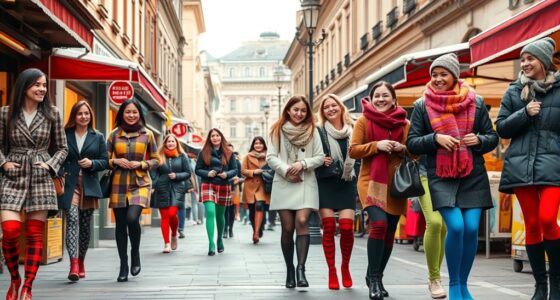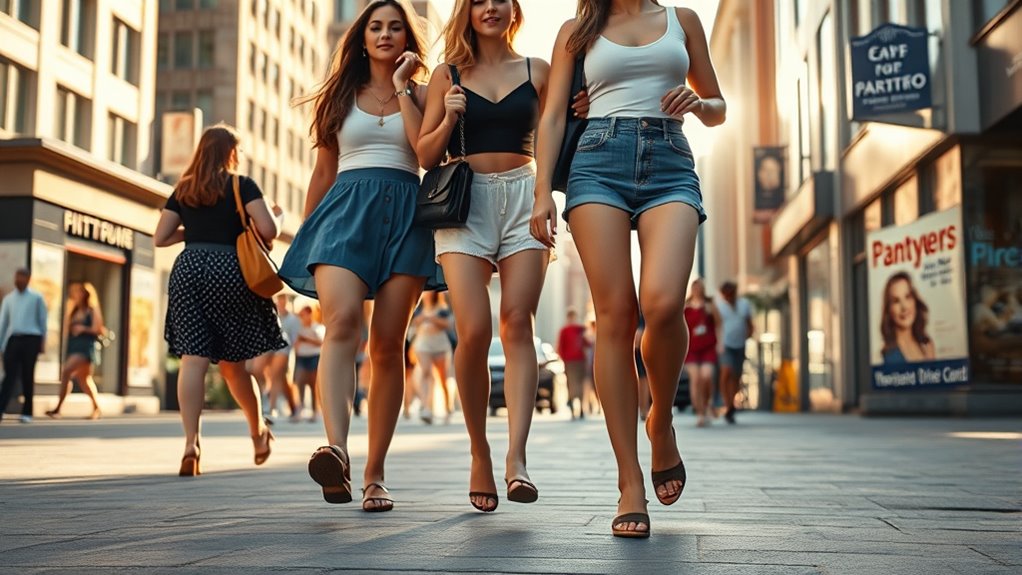

In the 2000s, fashion shifted towards casual comfort, making pantyhose less popular. Sweater dress codes relaxed, and women preferred bare legs, leggings, or footless tights. Younger generations saw pantyhose as outdated, while media and influencers promoted alternative styles. Workplace dress codes also became more relaxed, reducing the need for hosiery. If you’re curious, you’ll discover how industry changes and cultural trends fueled this legwear revolution.
Open a free Amazon Business account
Business pricing, bulk buying and tax-exempt orders.
As an affiliate, we earn on qualifying purchases.
Key Takeaways
- Changing fashion norms favored casual, comfortable attire over traditional pantyhose, reducing their necessity in everyday wear.
- Cultural shifts and media influences promoted bare legs and opaque tights, deemphasizing sheer pantyhose as outdated.
- Workplace dress codes became more relaxed, decreasing the need for hosiery in professional settings.
- Women found pantyhose uncomfortable, prone to runs, and impractical compared to leggings and tights.
- Industry responded by expanding product options, but the overall trend toward casual fashion led to declining pantyhose sales.
As an affiliate, we earn on qualifying purchases.
The Decline of Pantyhose Wear and Sales in the 2000s

In the 2000s, pantyhose sales and wear among women declined sharply, driven by changing fashion trends and lifestyle shifts. You might have noticed fewer women wearing pantyhose regularly, with usage dropping from about 3.5 times a week in the mid-1990s to just under twice a week by the mid-2000s. Market data reflects this decline, with US hosiery sales falling nearly 68% from $895 million in 1995 to $290 million in 2006. In the UK, hosiery sales also decreased markedly, and traditional sheer pantyhose continued to lose popularity. This decline wasn’t just due to changing fashion, but also comfort concerns, cost, and the rise of alternative legwear like tights and leggings, reshaping women’s wardrobe choices. Additionally, the shift in clothing preferences toward more casual and comfortable attire contributed significantly to the reduced demand for pantyhose. Moreover, the preppy aesthetic, which often emphasizes neatness and simplicity, saw a decline in pantyhose as part of its evolving style. The emergence of athleisure wear also played a role in shifting focus away from traditional hosiery.
As an affiliate, we earn on qualifying purchases.
Shifts in Workplace Dress Codes and Fashion Trends

As workplace dress codes become more casual, you’re less likely to need pantyhose with your outfits. Moving toward pants and jeans has shifted fashion away from formal skirts and dresses, reducing the role of traditional legwear. This trend makes bare legs and alternative styles like tights or leggings more common, further changing how we approach workplace fashion. Additionally, the influence of casual home and leisurewear styles has contributed to the decline of formal dress codes in professional settings. The adoption of casual clothing in many workplaces also diminishes the necessity of traditional hosiery.
Casualization of Work Attire
The shift toward more casual work attire has fundamentally changed how women approach office dress codes, making traditional garments like pantyhose less essential. You now see workplaces embracing relaxed standards, which means fewer women wear pantyhose with skirts or dresses. This transformation is driven by:
- The popularity of trousers and pants as everyday office wear, reducing reliance on hosiery.
- Casual Fridays evolving into all-week casual policies, further minimizing pantyhose use.
- Fashion trends promoting bare legs, tights, or leggings as comfortable alternatives.
- Media and pop culture showcasing footless tights and opaque styles, influencing younger women’s choices.
- The decline in formal dress codes has also decreased the need for appropriate footwear like pantyhose to complement professional outfits.
Additionally, the changing workplace standards have encouraged a more relaxed approach to dressing, further diminishing the necessity of traditional hosiery.
As a result, women feel freer to skip pantyhose, favoring comfort and practicality over traditional dress codes. This cultural shift continues to reshape workplace fashion norms.
Shift to Pants and Jeans
The shift toward pants and jeans in workplace fashion has accelerated the decline of traditional hosiery, further diminishing their role in everyday attire. As more workplaces adopt casual dress codes, women feel less compelled to wear pantyhose with skirts or dresses. Jeans and tailored trousers become standard, making hosiery unnecessary for comfort or professionalism. This trend reduces the incentive to maintain a polished, formal look that once relied on sheer stockings. Additionally, the popularity of pants means women can confidently skip hosiery altogether, embracing bare legs or alternative legwear like tights and leggings. The focus shifts from formal, leg-covering essentials to relaxed, practical clothing choices, aligning with broader cultural movements toward comfort and convenience. The decline in hosiery also reflects changing perceptions of professional attire and personal style preferences, emphasizing individuality over tradition. As a result, the use of traditional hosiery has significantly declined over the past two decades.
Decline of Formal Dress Codes
Shifts in workplace dress codes have played a significant role in the decline of formal attire, including pantyhose. As companies relaxed dress standards, you no longer needed to adhere to strict skirts and blouses. This led to:
- A rise in casual wear, like jeans and chinos, replacing suits and dresses.
- The adoption of casual Fridays evolving into all-week casual policies.
- Less emphasis on hosiery, as trousers and pants became office staples.
- Fashion trends favoring bare legs, tights, or leggings over traditional pantyhose.
These changes made formal dress less necessary, encouraging more comfortable, versatile clothing choices. As a result, pantyhose lost their place in everyday work attire, reflecting broader cultural shifts toward relaxed dress codes and individual comfort.
As an affiliate, we earn on qualifying purchases.
Comfort and Convenience: The Growing Disfavor of Pantyhose

You might find pantyhose uncomfortable to wear, often feeling tight or restricting. They’re also easy to damage, with runs and tears happening quickly and frustratingly. Many women now prefer alternative legwear like leggings or tights that offer more comfort and durability. Additionally, the rise of water parks and outdoor activities encourages more practical and breathable clothing options. Managing these various types of legwear can be simplified with easy document management, helping women keep track of their wardrobe choices and care instructions efficiently. Proper storage and maintenance are essential to prolong the life of different legwear types, making filtering and protecting a valuable aspect of wardrobe care. Incorporating modern farmhouse decor trends can also influence how clothing and accessories are stored and displayed, blending style with function.
Uncomfortable Fit and Feel
Many women have grown tired of pantyhose because they often feel tight, restrictive, and uncomfortable to wear for extended periods. You might notice how they dig into your waist or bind your legs, making movement uncomfortable. The thin fabric can feel clingy and hot, especially in warmer weather. Additionally, pantyhose are prone to: 1. Ripping or running unexpectedly, 2. Causing irritation or chafing, 3. Feeling stiff or unnatural against your skin, 4. Making it difficult to adjust or remove without hassle. These issues make wearing pantyhose feel more like a chore than a fashion choice. As comfort becomes a priority, many women prefer easier, more comfortable options that don’t sacrifice style for practicality. The discomfort simply outweighs the benefits for many in today’s more casual, convenience-driven fashion landscape. Moreover, the frustration of wearing restrictive clothing can lead women to seek more mindful and comfortable wardrobe choices that support their well-being. Recognizing these common issues, many brands now focus on creating more comfortable hosiery that offers style without sacrificing comfort.
Easy Damage and Runs
Pantyhose are notorious for their tendency to rip or run unexpectedly, which frustrates wearers and discourages continued use. A tiny snag can quickly turn into a visible, unwearable line, forcing you to replace the entire pair. This unpredictability makes pantyhose feel unreliable, especially when you’re rushing or on the go. The hassle of carefully avoiding sharp objects, jewelry, or rough surfaces adds stress to an already inconvenient garment. Plus, once damaged, they often need to be discarded because repairs are impractical. The fear of runs and tears diminishes their appeal, especially when alternatives like leggings or tights offer more durability and resilience. Regular filter replacement is essential to maintain air purifier efficiency and prevent performance decline, just as choosing more durable clothing can reduce frustrations. This fragility becomes a major reason many women opt for easier, more dependable options that don’t threaten to ruin their outfit in an instant. Additionally, the wear and tear common with pantyhose can lead to discomfort and awkward moments, further discouraging their use. The delicate fabric also makes them susceptible to damage from abrasion, which accelerates their deterioration during wear. Using fabric technology in tights can help improve their longevity and resistance to damage, making them a more practical choice.
Alternative Legwear Options
As pantyhose become less popular, alternative legwear options have surged in popularity thanks to their comfort and convenience. You now have a variety of choices that suit modern lifestyles better:
- Leggings—offering comfort, versatility, and style for casual or semi-formal looks.
- Opaque tights—providing warmth and a fashionable statement during cooler months.
- Footless tights—giving a sleek appearance while avoiding the discomfort of full coverage.
- Patterned or colored tights—adding personality and flair without sacrificing ease of wear.
These options are easier to care for, less prone to runs, and more flexible for everyday activities. They fit seamlessly into your wardrobe, making them attractive substitutes for traditional pantyhose and reflecting changing fashion preferences. Additionally, customizable options allow for greater personalization and expression in legwear choices, aligning with the trend toward personalized fashion that emphasizes individual style.
As an affiliate, we earn on qualifying purchases.
Emerging Alternatives: Tights, Leggings, and Footless Styles

In response to the decline of traditional pantyhose, you’ve turned to alternative legwear styles like tights, leggings, and footless options that offer greater comfort and versatility. Tights, especially opaque and patterned ones, provide warmth and style without the inconvenience of runs, making them popular for cooler months. Leggings have become a staple, blending casual comfort with semi-formal appeal, often replacing pantyhose in outfits. Footless styles and shapewear offer a sleek, seamless look, ideal for layering or creating a modern silhouette. These alternatives are easier to care for, more comfortable, and adaptable to various outfits and occasions. As a result, they’ve reshaped how you approach legwear, emphasizing practicality and personal expression over traditional hosiery norms.
Cultural Changes and Generational Differences in Legwear Choices

Cultural perceptions of legwear have shifted dramatically across generations, shaping how women view and choose their outfits. You notice that older women often recall pantyhose as a mandatory part of formal dressing, while younger women see it as outdated. This shift reflects broader changes in societal attitudes and fashion norms. Specifically:
- Many older women associate pantyhose with glamour and professionalism.
- Younger generations prefer bare legs or casual tights, viewing pantyhose as restrictive.
- The cultural ideal of femininity has evolved, embracing natural looks and comfort.
- Men’s perspectives have also shifted, with less emphasis on hosiery as a gendered accessory.
These differences highlight how cultural context influences legwear choices, reinforcing the move away from traditional hosiery toward more relaxed, versatile styles.
Industry Responses and Adaptations to a Changing Market
Faced with declining sales, hosiery companies have proactively adapted their strategies to stay relevant in a shifting market. They expanded product lines to include more diverse styles like opaque tights, patterned hosiery, and leggings, appealing to fashion-forward and casual consumers. Many brands targeted younger demographics through social media campaigns and collaborations with pop culture icons, making legwear more trendy and accessible. Some companies introduced comfort-focused innovations, such as seamless designs and easy-care fabrics, addressing consumer demands for practicality. While traditional sheer pantyhose sales continued to decline, industry players shifted focus to niche markets like maternity, shapewear, and men’s hosiery. Overall, these adaptations helped sustain the industry, even as mainstream demand waned, and set the stage for continued evolution in the face of ongoing market changes.
The Role of Media and Pop Culture in Legwear Preferences

Media and pop culture have played a pivotal role in shaping legwear preferences by influencing trends and perceptions. You see models, celebrities, and influencers showcasing bare legs, tights, or patterned hosiery, which shifts what’s fashionable. They do this through:
- Fashion magazines and runway shows emphasizing legwear alternatives like leggings and opaque tights.
- Celebrities and social media stars sporting footless tights or shorts without pantyhose, setting new standards.
- TV shows and movies portraying women in casual settings without pantyhose, normalizing bare legs.
- Advertising campaigns promoting comfort, versatility, and modern styles over traditional sheer pantyhose.
This constant visual reinforcement influences your perception, making bare legs or alternative legwear seem more appealing and relevant in everyday life.
Pantyhose in Formal and Special Occasion Attire: A Niche Market

Despite the widespread shift toward casual and legwear alternatives, pantyhose still hold a place in formal and special occasion attire. You’ll often see them at weddings, galas, and professional events, where a polished look matters. Many women prefer sheer pantyhose for their smooth finish and ability to create a uniform skin tone under elegant dresses and skirts. They remain a subtle accessory that adds sophistication without overwhelming an outfit. In these settings, pantyhose are viewed as a traditional, refined choice, especially when dress codes specify a formal appearance. Though overall sales have declined, they continue to serve as a niche product for those seeking a classic, polished look for important events. For many, they symbolize timeless elegance and attention to detail.
The Future of Hosiery: Challenges and Opportunities

As the hosiery industry navigates ongoing declines in traditional pantyhose sales, it faces both significant challenges and opportunities for innovation. To stay relevant, you can focus on:
- Developing versatile, comfortable alternatives like leggings and footless tights that meet modern lifestyles.
- Embracing bold designs and colors to appeal to fashion-forward consumers seeking self-expression.
- Incorporating sustainable materials to attract environmentally conscious buyers.
- Leveraging digital marketing and collaborations with influencers to revitalize interest among younger audiences.
While traditional styles decline, there’s room to reinvent hosiery as a statement piece or functional accessory. By adapting to shifting preferences, you can carve a niche and sustain growth in an evolving market.
Frequently Asked Questions
Why Did Pantyhose Become Less Popular Among Younger Women?
You find pantyhose less appealing because they’re uncomfortable, easily torn, and feel restrictive. You prefer more casual, versatile options like leggings and footless tights that offer comfort and style. Fashion trends now favor bare legs or alternative legwear, and workplace dress codes have relaxed, making pantyhose seem outdated. Younger women embrace this shift, viewing pantyhose as inconvenient and unnecessary, opting instead for easier, more comfortable choices.
How Did Casual Fashion Trends Influence Pantyhose Sales Decline?
Imagine a closet cluttered with stiff, shiny pantyhose, slowly replaced by relaxed jeans and comfy leggings. Casual fashion trends shift your wardrobe away from formal attire, making pantyhose seem outdated and restrictive. With workplaces embracing laid-back styles and public appearances favoring bare legs or cozy tights, sales plummet. You find comfort and versatility in modern legwear, leaving the once-essential pantyhose behind in favor of effortless, stylish alternatives.
What Are the Main Comfort Issues Associated With Traditional Pantyhose?
You find traditional pantyhose uncomfortable because they often feel tight and restrictive, making movement feel limited. You might notice them tend to run or tear easily, which can be frustrating and costly to replace. The sensation of the fabric can be bothersome, especially with the “swishing” sound when walking. Overall, these comfort issues lead many to prefer more relaxed options like leggings or footless tights that feel less constrictive and more versatile.
Which New Legwear Styles Gained Popularity as Pantyhose Declined?
You’ll be amazed at how quickly new legwear styles took over. As pantyhose declined, tights, leggings, and patterned or opaque stockings skyrocketed in popularity. These styles are more comfortable, versatile, and stylish, fitting modern casual and fashion-forward looks. Footless tights and shapewear also gained traction, offering easier wear and greater freedom. This shift transformed legwear from formal necessity to a fun, expressive part of everyday fashion.
Will Pantyhose Ever Make a Significant Comeback in Fashion?
It’s unlikely that pantyhose will make a major comeback in mainstream fashion. You’ve moved toward more comfortable, versatile options like leggings and opaque tights, which better suit modern lifestyles. While they may appear at formal events or niche markets, the trend favors casual, easy-to-wear leg coverings. Fashion evolves, and current preferences lean toward freedom of choice and comfort, making a widespread pantyhose revival improbable in the near future.
Conclusion
By the early 2000s, pantyhose sales plummeted by over 50%, reflecting a clear shift in fashion and comfort priorities. You’ve likely noticed how legwear has become more casual and diverse, moving away from traditional tights. This cultural shift means you now have endless options, from leggings to bare legs, fitting your personal style. Embrace these changes—your choices shape the evolving landscape of fashion and self-expression.
NFL season / tailgating Picks
team gear
As an affiliate, we earn on qualifying purchases.