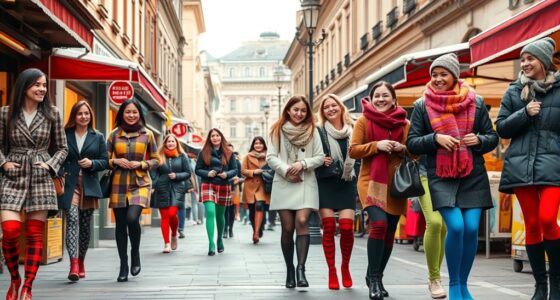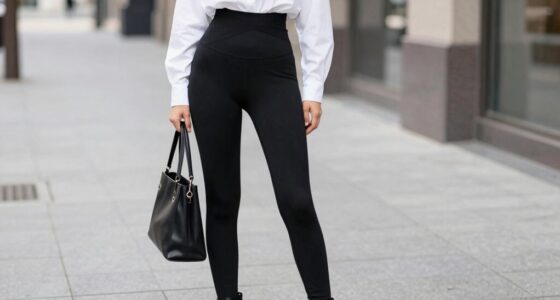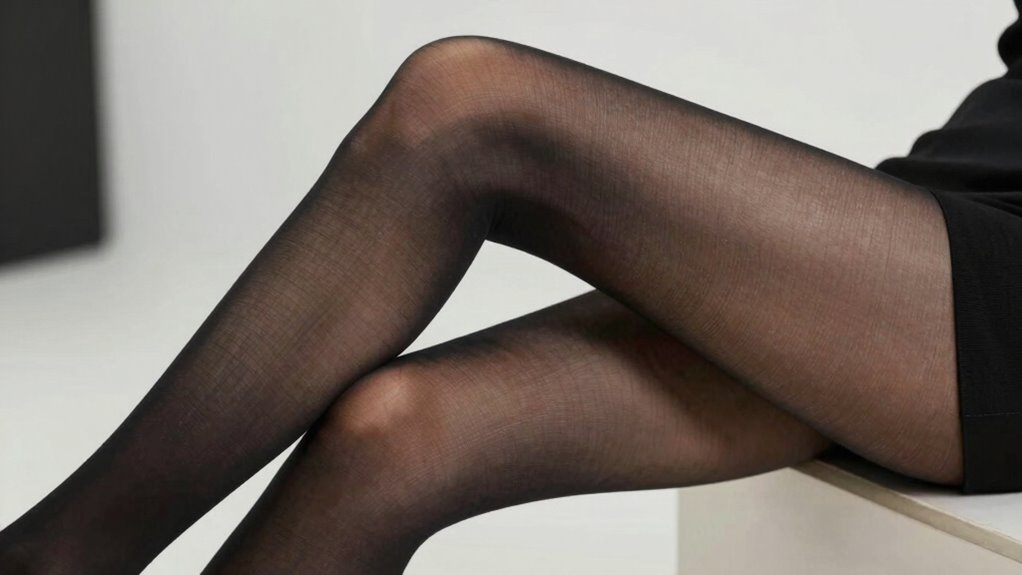
Tights became a visual shortcut for fashion aesthetics by quickly conveying your style, mood, or social message. Designers use different colors, patterns, and textures to help you express sophistication, rebellion, playfulness, or tradition. Over time, tights evolved from simple coverings to key accessories that reflect personal identity and cultural influences. If you want to discover how these tiny garments carry such powerful meanings, keep exploring their fascinating history and modern innovations.

Get your wardrobe favorites delivered free — and shop member deals
- Fast, free delivery on millions of items
- Access to Prime Big Deal Days deals on October 6–7
- Prime Video, Amazon Music and more included
Key Takeaways
- Tights evolved from functional wear to symbols of social status and cultural identity, making them meaningful fashion indicators.
- Designers use tights’ colors, patterns, and textures to quickly convey specific aesthetic styles or attitudes.
- Historical associations, such as liberation in the 20th century, shaped tights into symbols of modern femininity and rebellion.
- Tights’ versatility allows them to transform simple outfits into expressive statements, signaling professionalism or individuality.
- Cultural influences and fashion trends continually reframe tights as a visual shorthand for diverse aesthetic expressions.
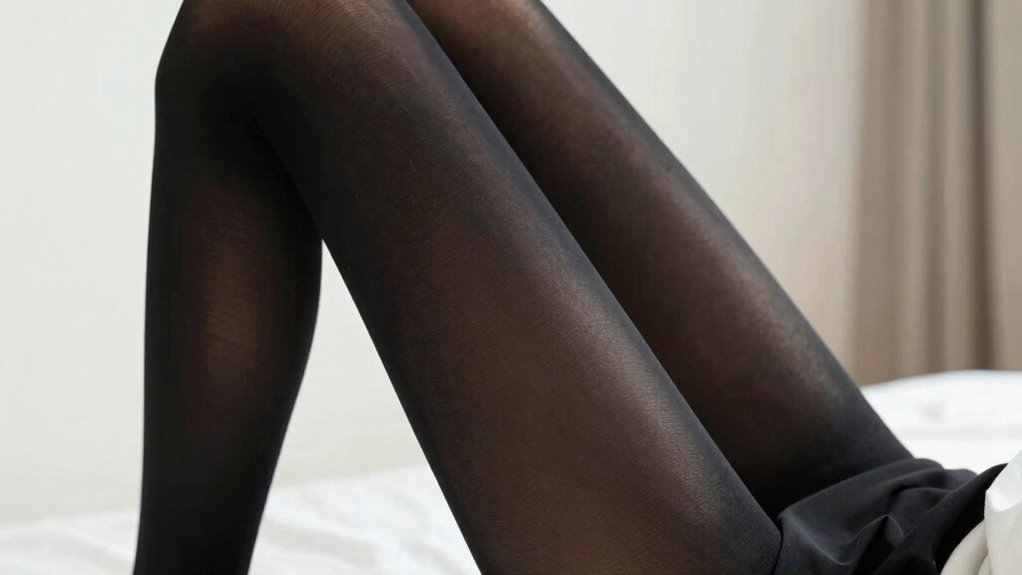
Have you ever considered how tights have evolved beyond mere practicality into a powerful fashion statement? Their journey is rooted in a rich historical evolution that reflects changing societal norms and cultural influences. Originally, tights served functional purposes—worn by ancient civilizations for warmth and modesty. Over time, they transitioned from simple coverings to symbols of status and style. In the Middle Ages, they were made from luxurious fabrics, signaling wealth and social standing. As fashion evolved into the Renaissance period, tights became more elaborate, often decorated with intricate patterns, emphasizing artistic expression and cultural identity. These early adaptations laid the groundwork for their later role as fashion statements.
Cultural influences significantly shaped how tights are perceived and worn today. In different regions, they took on unique meanings, reflecting societal values and aesthetic ideals. For instance, in the 20th century, tights gained popularity among women as a symbol of liberation and modern femininity. The flapper era of the 1920s, with its embrace of bold, expressive styles, saw tights become a way to break away from traditional constraints. In contrast, in some cultures, tights became associated with modesty or formality, influencing their colors, patterns, and materials. These cultural nuances continue to inform contemporary fashion choices, making tights a versatile accessory that can convey identity, rebellion, or elegance depending on how you wear them.
You might notice how designers and trendsetters have harnessed these cultural and historical elements to craft diverse aesthetics. Whether it’s the sleek, opaque black tights that symbolize sophistication or the colorful, patterned versions that express playfulness and creativity, tights serve as a visual shortcut to certain identities. They can transform a simple outfit into a statement, signaling everything from professionalism to a rebellious attitude. When you choose a pair of tights, you’re not just covering your legs; you’re tapping into a long history of cultural symbolism and fashion evolution. Recognizing how tights have been shaped by cultural influences and historical evolution enriches our understanding of their significance in fashion history.
Additionally, the fashion industry continues to innovate and reinterpret tights, blending tradition with modern trends to keep them relevant in contemporary style. In essence, tights have become a canvas for self-expression, rooted in centuries of tradition yet constantly evolving. By understanding their historical evolution and cultural influences, you gain a deeper appreciation for how a simple garment can carry so much meaning. They are no longer just about functionality but are a powerful visual tool that helps you communicate your aesthetic and identity, making them an essential part of modern fashion.
As an affiliate, we earn on qualifying purchases.
Frequently Asked Questions
How Did Tights Originate in Fashion History?
You might find it fascinating that tights originated in fashion history during the 15th century as woven leg coverings, evolving from hose worn by men. Their historical evolution includes becoming a symbol of status and elegance, especially during the Renaissance. Over time, tights gained cultural significance as they shifted from functional wear to a fashion statement, often associated with femininity and modern aesthetics. Today, they serve both practical and stylistic purposes.
Are Tights Suitable for All Body Types?
You might be surprised, but tights are actually quite versatile and suitable for all body types. Thanks to body type inclusivity, designers now create styles that flatter every shape. Tights enhance your fashion options, whether you want a sleek look or something more playful. Their adaptability makes them a great choice for anyone, proving that fashion versatility isn’t limited by body type—everyone can find a pair that complements their style.
What Materials Are Commonly Used in Tights?
You’ll find tights are commonly made from fabric blends like nylon, spandex, and Lycra, which offer stretch and comfort. These materials provide good material durability, ensuring your tights last through multiple wears. Some blends may include cotton or polyester for added softness or moisture-wicking properties. The right fabric blend balances elasticity, durability, and comfort, making your tights versatile for different styles and occasions.
How Do Tights Influence Overall Outfit Styling?
Tights are like a brushstroke that ties your outfit together, shaping its mood and style**. You influence the overall look through color coordination**, choosing shades that pop or blend seamlessly. Texture mixing adds depth, making your outfit more dynamic. By selecting the right tights, you can elevate a simple dress or add edge to casual wear, turning a basic ensemble into a carefully crafted style statement.
Can Tights Be Considered Gender-Neutral Fashion?
Absolutely, tights can be considered gender-neutral fashion. They offer a versatile way to express your gender identity and embrace fashion inclusivity, regardless of traditional gender norms. You can wear tights to challenge stereotypes, experiment with your style, or simply feel comfortable. Tights aren’t confined to one gender, making them a powerful tool for anyone looking to showcase their unique gender expression confidently and creatively.
As an affiliate, we earn on qualifying purchases.
Conclusion
Tights have woven themselves into the fabric of fashion, acting as a quick passport to a specific aesthetic. They’re like a secret handshake, instantly signaling style and attitude without a word. As you wear them, remember you’re not just covering your legs—you’re painting a picture of who you are. In the grand tapestry of fashion, tights remain a vibrant thread, adding color and meaning to your personal story, one step at a time.
As an affiliate, we earn on qualifying purchases.
As an affiliate, we earn on qualifying purchases.
Halloween Picks
halloween
As an affiliate, we earn on qualifying purchases.