
Many dancers wear tights over their leotards to enhance the visual flow, elongate their legs, and emphasize body lines. This practice also helps create a polished, traditional look, while offering benefits like support, moisture control, and added durability. Whether for aesthetic reasons or comfort, choosing to wear tights over or under depends on personal preference, tradition, and performance needs. To uncover more about these choices and their impact, you’ll find useful insights ahead.
Key Takeaways
- Wearing tights over leotards creates a streamlined, elongating silhouette, enhancing visual aesthetics during performances.
- Layering tights over leotards offers additional coverage, warmth, and support, especially in colder rehearsal environments.
- Tights over leotards help prevent chafing and irritation caused by friction between clothing and skin during vigorous movement.
- This practice aligns with traditional ballet standards, emphasizing a polished, uniform appearance on stage.
- Using tights over leotards allows dancers to easily change or adjust costumes without discomfort or wardrobe issues.
The Historical Evolution of Tights in Dance Attire
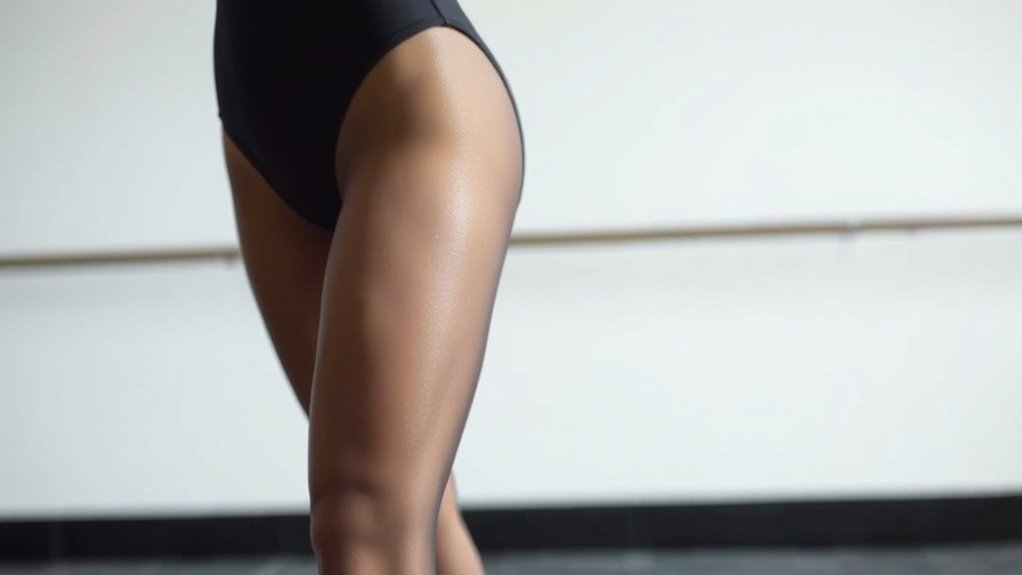
The evolution of tights in dance attire reflects both tradition and changing fashion trends. You can trace their origins back to the early 19th century, when Monsieur Maillot invented tights for the Paris Opera Ballet. Initially, dancers wore tights underneath leotards for a formal, classic look in studios. This method became standard in ballet schools and professional settings. Over time, the style shifted, and wearing tights over leotards gained popularity, especially in modern dance communities. This change was driven by aesthetic preferences and practical considerations. You’ll notice that this evolution highlights how dance fashion adapts to contemporary tastes while still respecting historical roots. Today, both styles coexist, reflecting the ongoing balance between tradition and innovation in dance attire.
Aesthetic and Visual Effects of Wearing Tights Over Leotards

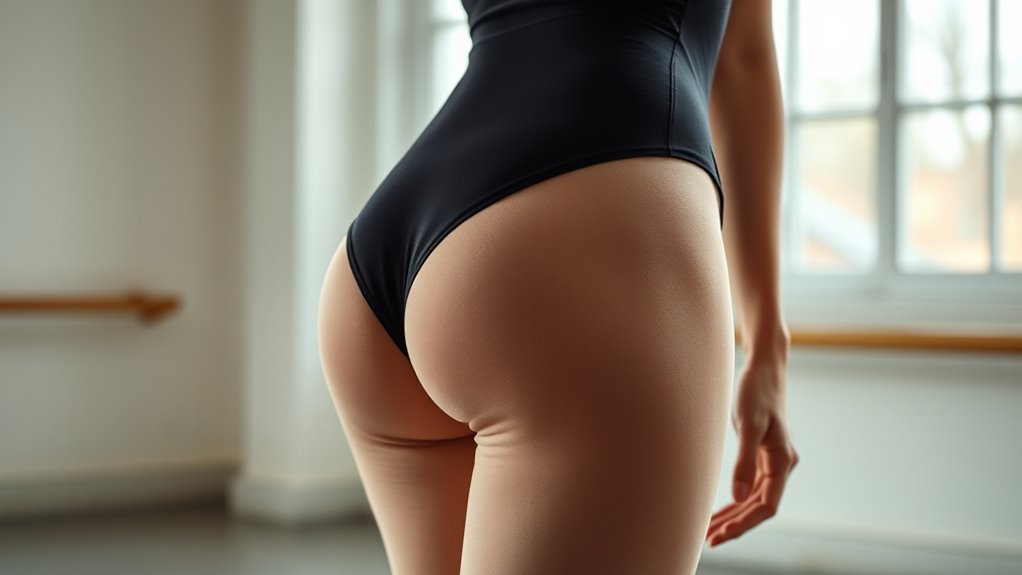
Wearing tights over leotards can visually elongate your legs, making them appear longer and more streamlined. It also helps shape your hips, creating a fuller silhouette that some dancers find more attractive. This style emphasizes your body’s curves and proportions, enhancing your overall stage presence. Additionally, choosing the right fabric textures can add depth and dimension to your costume, further emphasizing your form. Incorporating body shape enhancement techniques can also make your silhouette more balanced and aesthetically pleasing under stage lighting. Selecting the appropriate projection technology can also improve how your costume details are perceived under stage lighting. Notably, understanding regional performance standards can influence costume choices to meet specific aesthetic expectations.
Longer, Slimmer Legs
When you wear tights over a leotard, you create a visual effect that can make your legs appear longer and more slender. The added layer extends the line from your hips down to your ankles, creating a seamless, elongated look. Tights that match your skin tone or are slightly darker can enhance this illusion, making your legs seem even more streamlined. The smooth fabric minimizes visual breaks, emphasizing the natural shape of your legs while disguising any imperfections. Additionally, the snug fit compresses your muscles slightly, further contributing to a leaner appearance. This combination of visual continuity and compression helps you look taller and more graceful, which is especially beneficial during performances or auditions where every detail matters.
Enhanced Hip Silhouette
By layering tights over your leotard, you can markedly enhance the shape of your hips, creating a more defined and curvaceous silhouette. This style adds visual volume and smoothness, emphasizing your curves and making your hips appear fuller. The extra layer provides a subtle padding effect, which can highlight your natural shape and add a touch of artistry to your look. Tights can also improve the overall line, making progressions between your waist and hips appear seamless. If you want to accentuate your hips for performance or aesthetic reasons, wearing tights over your leotard offers an easy way to achieve that enhanced, sculpted look. Additionally, choosing the right clothing layer can help you achieve both comfort and style during performances. Incorporating high-quality fabric materials can further optimize comfort and appearance, ensuring you feel confident and supported throughout your routine. Using layering techniques can also help you customize your silhouette and adapt to different performance needs. Understanding the body size and proportions can guide you in selecting the most flattering fit and style. Regular use of appropriate glycolic acid in skincare routines can also improve skin texture and elasticity, complementing your overall aesthetic.
Practical Benefits and Functional Considerations

Dance tights offer several practical benefits that enhance both performance and comfort. They provide durable, stretchy coverage that withstands rigorous movement and frequent washing. The compression from tights helps improve blood flow and reduces muscle fatigue, keeping you energized during long practices. Tights also prevent chafing, irritation, and floor burns, helping you focus on your technique. Their snug fit allows instructors to see muscle engagement and body lines clearly, aiding in corrections and alignment. Additionally, high-quality tights offer excellent coverage, ensuring modesty and confidence. Features like convertible styles and reinforced toes add versatility, making them suitable for various dance routines. Proper fit and material are essential for maximizing these benefits and ensuring lasting comfort. The right choice of fabric technology can also enhance moisture-wicking and breathability, further supporting dancers’ needs. Advances in performance fabric contribute to better temperature regulation, keeping dancers comfortable in different environments. Selecting the proper maintenance routine for dance tights can also extend their lifespan and performance. Overall, tights serve as a functional foundation, supporting your comfort, safety, and technical precision through every step and movement.
Traditional Practices Versus Modern Trends in Dance Costuming
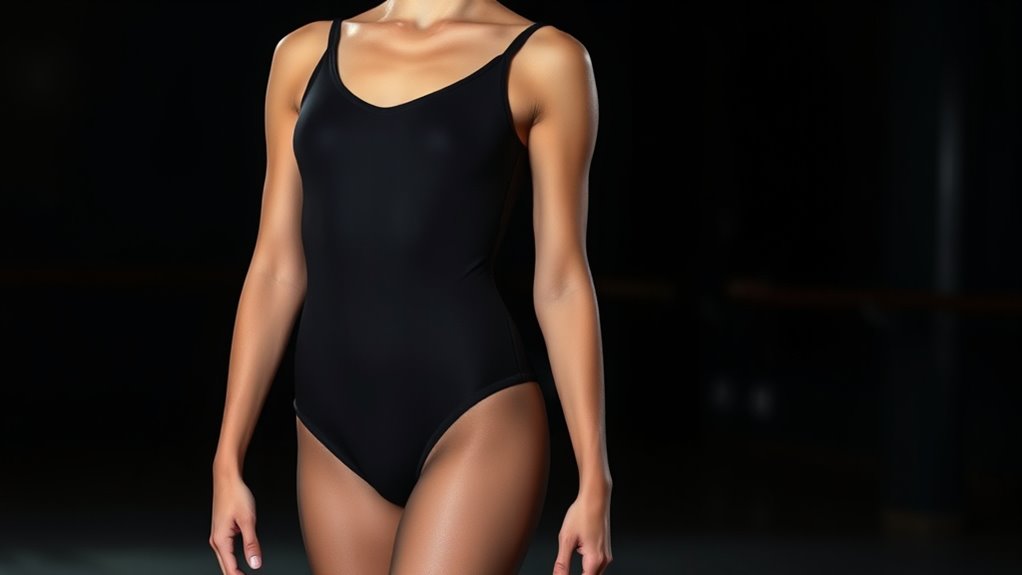
Traditional dance costuming has long emphasized a polished, uniform appearance rooted in classical standards, with most ballet schools requiring tights beneath leotards to guarantee a seamless, elegant look. However, modern trends challenge this convention. As dance evolves, you see styles shifting toward comfort and personal expression.
- Historical roots remind you of discipline and tradition that shaped ballet’s formal aesthetic.
- Contemporary influence encourages individuality, blending practicality with fashion.
- Functional benefits like durability and comfort appeal to dancers balancing performance with everyday wear.
- Visual impact highlights how fashion choices can emphasize or alter body lines, reflecting current aesthetic preferences.
This tension between tradition and innovation reflects dance’s dynamic nature, where functionality meets evolving style standards. You decide which approach best aligns with your technique and personal expression.
Studio Policies and Performance Dress Code Expectations

Studio policies and dress code expectations vary depending on the institution and the type of performance, but they generally aim to maintain a polished and cohesive appearance. For rehearsals and informal classes, flexibility is common; you might choose to wear tights over or under your leotard based on comfort and personal preference. However, for performances, most studios require tights under leotards to guarantee a clean, elegant look. Some schools enforce strict dress codes that specify color, style, and layering, especially for formal events. You should always check your studio’s guidelines ahead of time to avoid last-minute issues. Dress codes also help instructors assess technique and muscle engagement more clearly, ensuring everyone presents a unified, professional appearance on stage. Additionally, understanding dress code compliance can help dancers feel more confident and prepared during performances. Following proper attire guidelines ensures that the visual aesthetic is maintained and that safety standards, such as avoiding loose clothing that could cause accidents, are upheld. In some cases, adhering to specific costume requirements can also enhance the overall performance quality and audience perception. Being aware of the performance standards set by your studio can also contribute to a more disciplined and focused rehearsal environment.
Personal Preferences and Comfort Factors for Dancers

Personal preferences and comfort play a significant role in whether dancers choose to wear tights over or under their leotards. Your body shape, skin sensitivity, and movement style influence your choice. Here are four key factors to consider:
- Skin comfort – Some prefer the softness of tights against their skin, while others find it more comfortable to wear them over for added support. Fabric choice can also impact how comfortable you feel throughout your performance or practice.
- Mobility – Tights over leotards can reduce friction and chafing, making movement smoother. Incorporating proper fitting dancewear can further enhance mobility and comfort.
- Temperature regulation – Wearing tights over may keep you warmer, especially during colder seasons. Additionally, moisture-wicking fabrics can help keep you dry and comfortable during intense activity.
- Aesthetic preference – Your visual goal, whether elongating legs or achieving a polished look, guides your choice.
Ultimately, your personal comfort and how you feel most confident in your dance attire matter most. Additionally, some dancers select specialized dancewear that offers both comfort and functionality tailored to their needs.
Innovations and Features in Contemporary Dance Tights
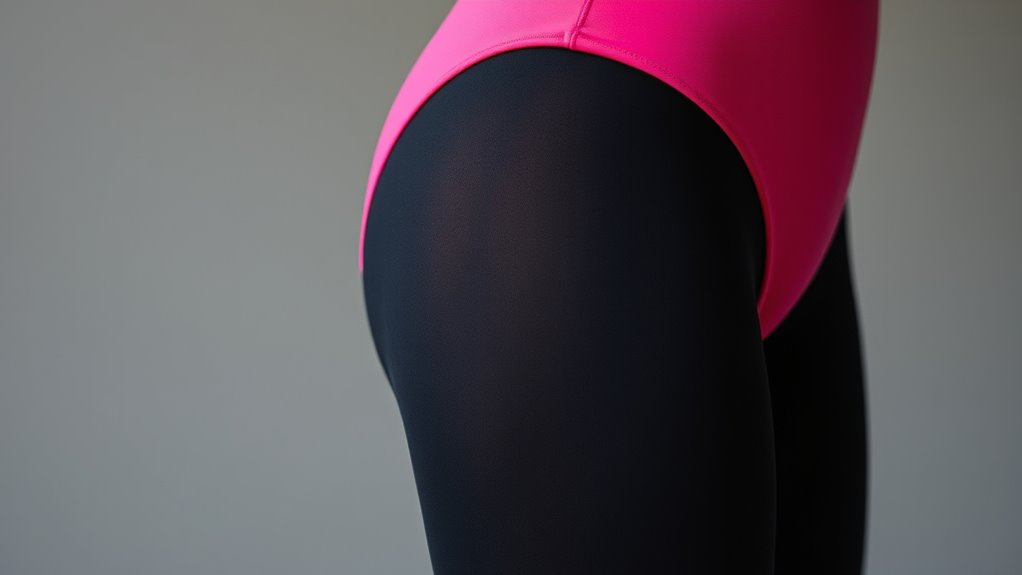
Innovations in contemporary dance tights are transforming how dancers experience comfort, performance, and style. New materials and designs enhance durability, stretch, and breathability, making movement easier. Features like seamless construction reduce chafing, while advanced microfiber fabrics wick moisture away to keep you dry. Some tights now include compression zones to support muscles and improve circulation. Convertible tights offer versatility, allowing you to switch between footed and footless styles effortlessly. Anti-slip waistbands prevent sagging, and reinforced toes extend longevity. The following table highlights key innovations:
| Feature | Benefit | Example |
|---|---|---|
| Moisture-wicking | Keeps you dry during intense routines | Microfiber fabrics |
| Seamless Design | Prevents chafing and irritation | Smooth, stretch fabrics |
| Compression Zones | Supports muscles and improves circulation | Targeted support zones |
Frequently Asked Questions
Are There Specific Dance Styles That Prefer Tights Over Leotards?
You’ll find that ballet and contemporary dance styles often prefer tights over leotards for their modern, stylish look and practical benefits. In ballet, especially during rehearsals and performances, dancers wear tights over leotards to create a sleek, elongated line and protect their costumes. Contemporary dancers adopt this style for comfort and a current aesthetic, making it popular across various dance genres that value both function and fashion.
How Do Tights Over Leotards Affect Movement and Flexibility?
Wearing tights over leotards doesn’t hinder your movement—it amplifies your flexibility instead! The snug fit adds a layer of support, allowing your muscles to stretch and move without restriction. Tights over can even boost your confidence, making every plié and leap feel more secure. With the right choice, you’ll experience smooth, unrestricted motion, as if your legs are flying free, giving you the freedom to dance your heart out effortlessly.
Can Wearing Tights Over Leotards Impact a Dancer’s Performance?
Wearing tights over leotards can enhance your performance by providing extra support and coverage, which helps you focus on your movements. It can also prevent wardrobe malfunctions and keep your costume in place during routines. Plus, tights over leotards protect your leotard from wear and tear, extending its lifespan. Overall, this style can boost your confidence and comfort, allowing you to dance more freely and effectively.
Are There Age or Skill Level Considerations for Choosing Tights Over or Under?
You should consider your age and skill level when choosing whether to wear tights over or under your leotard. Beginners and younger dancers often wear tights under for a classic, polished look and better support. More experienced dancers might prefer tights over for comfort, ease of changing, and style flexibility. Ultimately, follow your studio’s dress code and what makes you feel confident and comfortable during practice and performances.
Do Professional Companies Have Strict Dress Code Policies on Tights Placement?
Yes, professional companies often enforce strict dress codes on tights placement, because apparently, ballet officers believe that the universe hinges on perfect lines and seamless aesthetics. You’ll find rules about whether tights should be worn over or under leotards, matching colors, and even the tiniest details like how to secure toe pads. It’s all about maintaining a polished, uniform look—and ensuring nobody gets distracted by a rogue snag or a mismatched sock.
Conclusion
You might think wearing tights over leotards is just a tradition, but some say it helps prevent garment slips and adds extra support. Whether you prefer the classic look or modern comfort, there’s no one-size-fits-all answer. The real truth? It’s about what makes you feel confident and performs best. So, experiment and find what works for you—you might just discover that layering is the secret to both style and practicality.