After repetitive training, you rely on tools like foam rollers to release muscle tension and boost blood flow, helping your muscles recover faster and prevent injuries. Cold packs and ice baths reduce inflammation and numb soreness, making you feel better quickly. You also benefit from good nutrition, hydration, and quality sleep to support tissue repair. Incorporating these strategies improves your recovery process and keeps you at your best—continue to learn how these methods work for your body.
Key Takeaways
- Foam rollers help release muscle tension and improve flexibility after intensive dance routines.
- Cold packs and ice baths reduce inflammation and soreness caused by repetitive movements.
- Proper hydration and nutrition support muscle repair and reduce fatigue post-training.
- Adequate sleep and rest strategies facilitate tissue recovery and mental focus.
- Mindfulness and breathing exercises enhance mental resilience and reduce stress from demanding rehearsals.
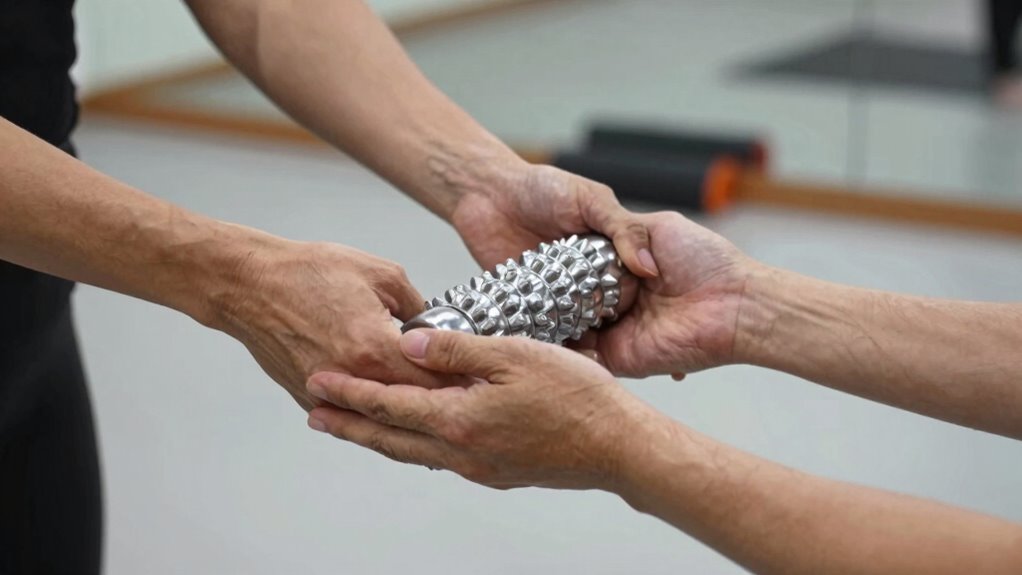
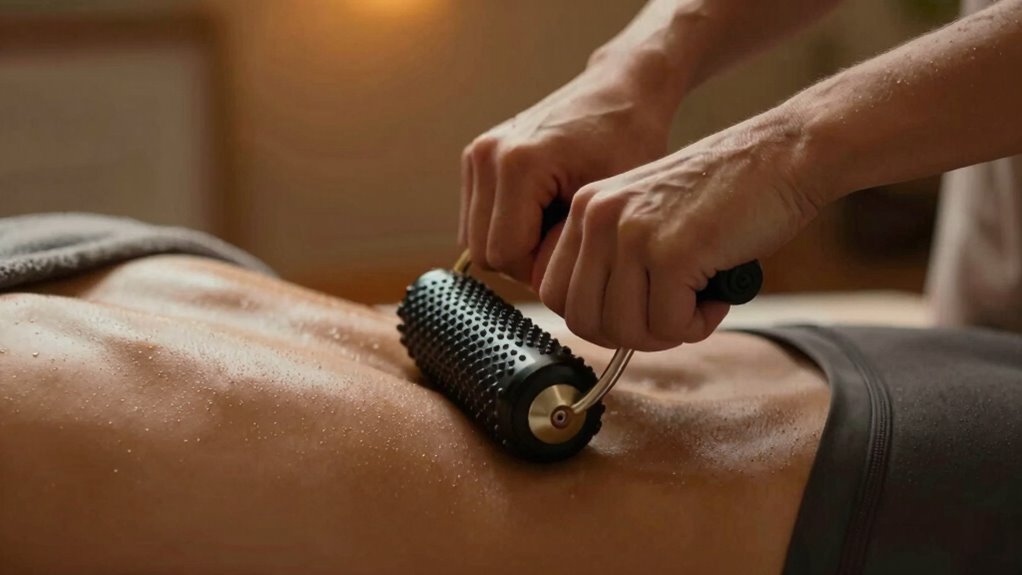
After hours of repetitive training, dancers know that proper recovery is essential to maintain their performance and prevent injuries. Repetitive movements put stress on your muscles and joints, making injury prevention a top priority. You rely on specific recovery tools to help your body heal and to keep your mind sharp. Foam rollers, for example, are a staple in your routine. They help release muscle tension, improve flexibility, and reduce soreness. By rolling out tight areas, you encourage blood flow, which speeds up recovery and minimizes the risk of overuse injuries. Incorporating foam rolling into your post-training routine is a simple yet effective way to stay ahead of potential setbacks. Additionally, understanding the science behind caffeine can help you optimize your recovery and alertness during demanding dance routines. Recognizing how recovery tools work on a physiological level can help you make more informed decisions about your post-training routine. Employing targeted muscle recovery techniques can further enhance your healing process and prevent lingering discomfort. Learning about muscle recovery science can deepen your understanding of how your body responds to different recovery methods.
Foam rolling releases tension, boosts blood flow, and speeds recovery after intense training sessions.
Alongside physical tools, mental resilience plays a critical role in your recovery process. Repetitive training can be mentally taxing, leading to fatigue that affects your focus and motivation. To maintain mental clarity, you might use mindfulness techniques or breathing exercises. These practices help you stay centered, reduce stress, and build the mental toughness needed to push through challenging training sessions. When your mind remains resilient, you’re less likely to experience burnout or emotional fatigue, which can hinder physical recovery as well.
Nutrition also plays an indispensable role in injury prevention and mental resilience. Consuming a balanced diet rich in protein, healthy fats, and antioxidants helps repair muscles, reduce inflammation, and boost your immune system. Hydration is equally important—staying well-hydrated ensures that your muscles stay supple and your mind stays alert. Recovery tools like cold packs or ice baths can further reduce inflammation and numb soreness, allowing you to bounce back faster and perform at your best for the next session.
Finally, you understand that adequate sleep is non-negotiable. Rest allows your body to repair damaged tissues and consolidates mental focus. Using sleep aids or creating a calming bedtime routine can improve your sleep quality, helping you wake up refreshed and ready to tackle new choreography. When you combine these physical recovery tools with mental resilience strategies, you create an all-encompassing approach that keeps your body healthy and your mind sharp. In the end, consistent recovery isn’t just about avoiding injuries; it’s about empowering yourself to perform at peak levels day after day.
Frequently Asked Questions
How Often Should Dancers Use Recovery Tools Post-Training?
You should use recovery tools daily after training, especially if you’re experiencing muscle soreness or aiming for flexibility enhancement. Incorporate foam rollers, massage sticks, or stretching aids into your routine to reduce soreness and improve flexibility. Consistent use helps your muscles recover faster, prevents injuries, and keeps you agile. Listen to your body—if soreness persists, increase recovery sessions, but generally, regular use post-training supports ideal performance and long-term dancer health.
Are Recovery Tools Effective for Preventing Injuries?
Just as Hercules relied on his strength, recovery tools help you combat muscle fatigue and prevent injuries. They’re effective because they reduce strain, promote blood flow, and speed up recovery. By incorporating foam rollers, stretching, or massage, you support your body’s resilience. This proactive approach minimizes the risk of overuse injuries, ensuring you stay healthy and perform at your best. Recovery tools are essential allies in injury prevention for dancers.
Can Recovery Tools Replace Professional Physical Therapy?
Recovery tools can’t replace professional physical therapy, but they can complement it as part of your personalized recovery plan. Alternative therapies like foam rollers, massage devices, and stretching aid in muscle relaxation and injury prevention. However, a trained physical therapist assesses your specific needs, ensuring proper treatment and recovery. Relying solely on recovery tools might overlook underlying issues, so always consult a professional for tailored guidance and effective injury management.
What Are the Cheapest Recovery Tools Available?
Think of your recovery as a marathon, not a sprint—so, start with affordable options. You can find budget-friendly choices like foam rollers, massage balls, and resistance bands that deliver great relief without breaking the bank. These tools are easy to use, versatile, and perfect for daily recovery. With a little research, you’ll discover that maintaining your body’s health doesn’t have to be costly—just smart.
Do Recovery Tools Work Equally for All Dance Styles?
Recovery tools don’t work equally for all dance styles because of dance style specificity. Your preferences depend on your dance form, whether it’s ballet, hip-hop, or contemporary. For instance, foam rollers help with muscle tightness common in ballet, while massage balls target areas stressed by street dance. You should choose recovery tools based on your dance style and personal needs, ensuring effective recovery tailored to your movements and muscle use.
Conclusion
So, after all that relentless training, you’d think dancers would be experts at recovery, right? Yet, they often rely on the simplest tools—like foam rollers and ice packs—because sometimes, the most basic methods are the most effective. It’s funny how the most high-tech routines can be complemented by humble recovery tricks. In the end, it seems that even the most graceful dancers know that a little DIY recovery can make all the difference—no fancy gadgets required.