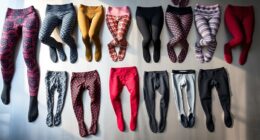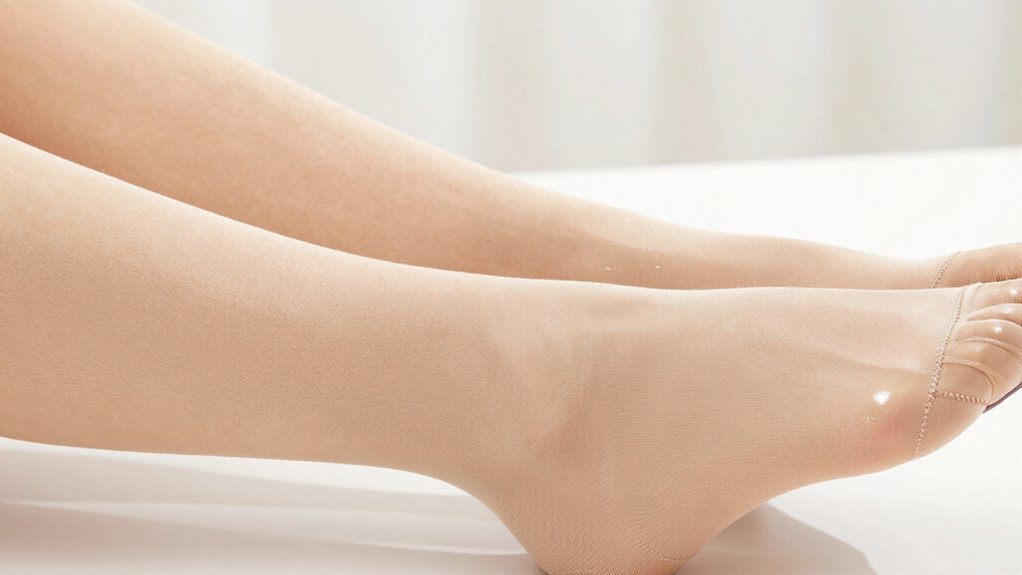

When testing hosiery, you focus on durability, comfort, and appearance. You evaluate fiber integrity through stress tests like stretching, washing, and abrasion, ensuring it withstands long-term wear. Comfort is assessed by checking softness, breathability, and fit, while also testing moisture-wicking and temperature regulation. You verify colorfastness and resistance to pilling or snagging to keep it looking new. To learn more about each step, keep exploring how these tests improve overall quality and performance.
Listen free for 30 days with Audible
Thousands of audiobooks and originals — cancel anytime.
As an affiliate, we earn on qualifying purchases.
Key Takeaways
- Assessing durability through stress tests, washing cycles, and fiber integrity evaluations.
- Ensuring comfort by testing fabric softness, breathability, fit, and eliminating irritants.
- Verifying colorfastness and appearance retention after multiple laundering cycles.
- Checking sizing, elasticity, pilling, and snagging resistance for long-term wear.
- Conducting iterative testing and refinement based on lab data and consumer feedback.
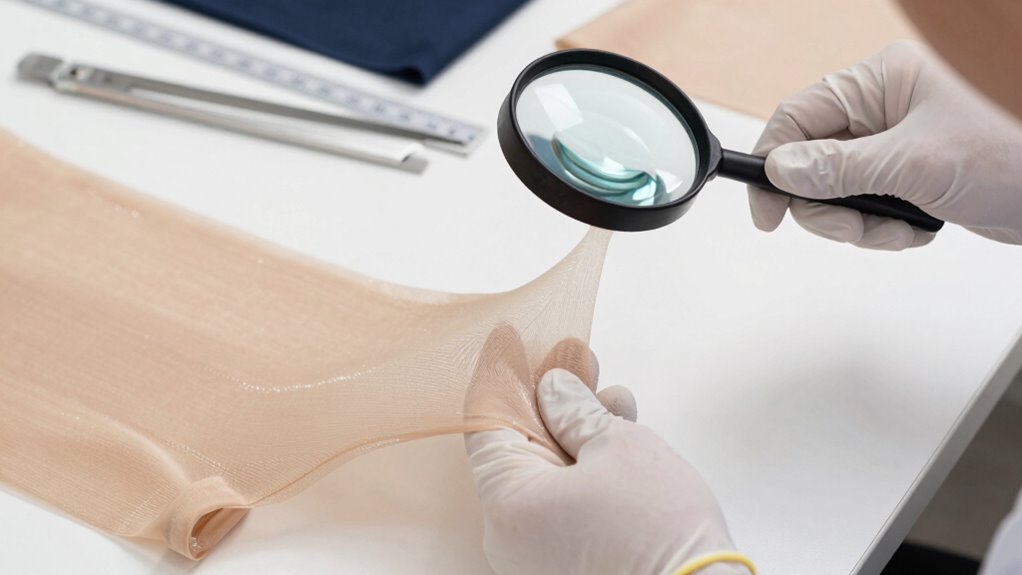
When it comes to choosing hosiery, thorough product testing is essential to guarantee comfort, durability, and quality. As a product developer, you focus on multiple aspects to ensure the hosiery meets consumers’ expectations and stands out in the market. One of the first steps is conducting a durability assessment. You want to know how well the fabric holds up over time, especially after repeated wear and washing. This involves subjecting the hosiery to rigorous stress tests, such as stretching, abrasion, and washing cycles, to see if the fibers maintain their integrity. If the material begins to thin, develop holes, or lose elasticity quickly, it signals a need for material adjustments or different manufacturing processes. Ensuring durability is critical because consumers seek hosiery that lasts, providing value and reducing the frustration of frequent replacements.
Thorough durability testing ensures hosiery withstands wear, washing, and maintains quality over time.
Alongside durability, you prioritize comfort evaluation. Hosiery must feel good against the skin and offer a proper fit. You test different fabrics and knitting techniques to find the right balance of softness, breathability, and stretchability. Comfort evaluation also involves assessing the design details—how the waistband sits, the seam placement, and the overall fit to prevent pinching or discomfort during extended wear. You may conduct wearer trials or use specialized equipment to measure factors like moisture-wicking ability and temperature regulation. These tests help you identify and eliminate irritants, ensuring that the finished product provides all-day comfort. You recognize that comfort directly influences customer satisfaction and brand loyalty, so you invest significant effort in perfecting this aspect. Additionally, considering sustainable manufacturing practices can improve the product’s appeal to environmentally conscious consumers. Incorporating eco-friendly materials and processes can also enhance the overall durability and performance of the hosiery, especially when combined with innovative fiber technology.
In addition to durability assessment and comfort evaluation, you also examine other vital factors. Colorfastness tests verify that dyes won’t fade or bleed after washing, maintaining the hosiery’s appearance. You check for proper sizing and elasticity to ensure the product fits a broad range of body types without sagging or bunching. You might also analyze the material’s resistance to pilling and snagging, as these issues can significantly diminish the product’s aesthetic appeal and longevity. Regularly reviewing industry standards helps maintain high quality and ensures the hosiery remains competitive in the marketplace.
Throughout the testing process, you remain attentive to feedback from testers and data collected during lab evaluations. This iterative approach allows you to refine the design, fabric, and manufacturing techniques continuously. Your goal is to produce hosiery that not only meets industry standards but surpasses consumer expectations in durability, comfort, and overall quality. By thoroughly testing each aspect, you guarantee that the final product offers reliable performance and a satisfying wearing experience, making it a trusted choice for consumers seeking high-quality hosiery.
As an affiliate, we earn on qualifying purchases.
Frequently Asked Questions
How Do Testers Simulate Long-Term Wear Conditions?
You simulate long-term wear conditions by repeatedly stretching the fabric to test its elasticity, guaranteeing it maintains shape over time. You also expose the hosiery to various washing cycles to evaluate dye fastness, checking for color fading or bleeding. This process helps you identify how well the fabric withstands daily use, ensuring durability and quality. By mimicking real-life wear and care, you guarantee the hosiery performs reliably over extended periods.
What Specific Materials Are Tested for Durability?
Think of hosiery as a delicate dance, where every step counts. You test fiber strength and material composition to guarantee durability. Specific materials like nylon, spandex, and polyester are scrutinized for their resilience, stretch, and tear resistance. You analyze how these components hold up under stress, making sure the hosiery remains comfortable and intact after countless wears. This detailed testing keeps your products reliable, giving your customers confidence in every step they take.
How Is Comfort Objectively Measured During Testing?
During testing, you objectively measure comfort by verifying fabric elasticity and seam strength. Fabric elasticity ensures the hosiery fits snugly without feeling restrictive, while seam strength guarantees durability without causing discomfort. You might use standardized tests to evaluate how well the fabric stretches and returns to shape, and how strong the seams remain after multiple washes. These measures help ensure the hosiery provides a comfortable, long-lasting fit for consumers.
Are Environmental Factors Considered in Hosiery Testing?
You consider environmental factors during hosiery testing, imagining the fabric’s journey from sustainable sources to your feet. You evaluate environmental impact and sustainability considerations, ensuring the production process minimizes waste and energy use. By testing under varied conditions, you confirm the hosiery’s durability and eco-friendliness. This focus helps you create products that are not only comfortable but also environmentally responsible, aligning quality with sustainability for conscious consumers.
What Standards or Certifications Guide Hosiery Testing Procedures?
You should follow standards like ASTM, ISO, and AATCC when testing hosiery. These guidelines ensure fabric elasticity, dye fastness, and overall durability meet quality benchmarks. By adhering to these certifications, you guarantee your hosiery maintains its stretch, color, and integrity after washing and wear. Consistently applying these standards helps you deliver reliable, high-quality products that satisfy consumer expectations and industry regulations.
moisture-wicking compression tights
As an affiliate, we earn on qualifying purchases.
As an affiliate, we earn on qualifying purchases.
Conclusion
When testing hosiery, you might think durability and comfort are the only priorities, but recent studies suggest that innovation in fabric technology truly makes a difference. By exploring how different fibers respond under stress, you can uncover hidden strengths and weaknesses. So, don’t just settle for the obvious. Challenge the theory that traditional materials are enough—embrace new testing methods to create hosiery that’s not only stylish but also surpasses expectations in performance.
As an affiliate, we earn on qualifying purchases.
As an affiliate, we earn on qualifying purchases.
Flea & tick season Picks
flea and tick prevention
As an affiliate, we earn on qualifying purchases.