Guidelines recommend that you stay active, maintain a healthy weight, and avoid prolonged standing or sitting to prevent varicose veins. If symptoms develop, wearing compression stockings can help support your veins. For more persistent concerns or cosmetic issues, medical treatments like sclerotherapy or laser therapy are advised. Taking early action and following these steps can reduce discomfort and prevent complications—learn more about how to effectively manage your veins and improve your circulation.

Get your wardrobe favorites delivered free with Prime
- Fast, free delivery on millions of items
- Prime Video, Amazon Music and more included
- Member-only deals all year
Key Takeaways
- Proper vein function is vital for circulatory health; early detection aids effective management.
- Lifestyle changes like exercise, weight management, and leg elevation help prevent and reduce varicose veins.
- Medical treatments, including sclerotherapy and laser therapy, are recommended for persistent or severe symptoms.
- Prolonged standing or sitting increases vein pressure; regular movement and compression stockings are advised.
- Consulting healthcare providers promptly ensures appropriate intervention and minimizes complications.

Are you curious about varicose veins and what causes them? If so, you’re not alone. Many people wonder why these swollen, twisted veins appear, especially since they can be both unsightly and uncomfortable. According to current medical guidelines, varicose veins develop when the valves within your veins stop working properly. Normally, these valves help blood flow toward the heart, but when they fail, blood can pool in the veins, causing them to swell and become visible under your skin. This pooling increases pressure inside the veins, leading to their characteristic bulging appearance.
Several factors can contribute to the development of varicose veins. Standing or sitting for long periods puts pressure on your leg veins, which can weaken the valves over time. Pregnancy is another common cause because increased blood volume and hormonal changes weaken vein walls and valves, making varicose veins more likely. Age also plays a role; as you get older, veins naturally lose elasticity, and valves may weaken. Heredity is important too—if close family members have varicose veins, you’re at a higher risk. Obesity adds pressure to your lower limbs, further increasing the chances of vein problems. Additionally, gender influences risk; women are more prone, partly due to hormonal fluctuations during pregnancy, menstruation, or menopause, which can relax vein walls.
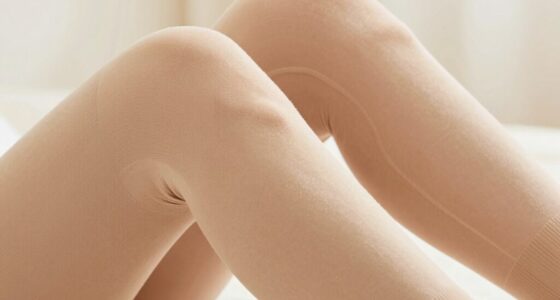
The guidelines emphasize that lifestyle changes can markedly reduce the risk or severity of varicose veins. Regular exercise, especially activities that work your legs like walking or swimming, helps improve blood circulation. Maintaining a healthy weight reduces pressure on your veins, alleviating symptoms and preventing worsening. Avoiding prolonged periods of standing or sitting is vital—take breaks, stretch, or walk around to keep blood flowing. Elevating your legs when resting helps decrease venous pressure, providing relief. Wearing compression stockings is often recommended by healthcare providers; these apply gentle pressure, support vein function, and help prevent blood pooling. Proper vein function is essential for overall circulatory health and can be supported through these measures.
While some people seek medical treatment for cosmetic reasons or discomfort, guidelines suggest consulting a healthcare professional if you experience symptoms like swelling, throbbing, aching, or skin changes. They might recommend procedures such as sclerotherapy, laser therapy, or vein stripping, especially if lifestyle modifications don’t provide relief. Ultimately, understanding what causes varicose veins and following established guidelines can empower you to manage and prevent them effectively. Staying active, maintaining a healthy weight, and seeking timely medical advice are your best strategies to keep these veins in check.
compression stockings for varicose veins
As an affiliate, we earn on qualifying purchases.
As an affiliate, we earn on qualifying purchases.
Frequently Asked Questions
Can Varicose Veins Cause Other Health Problems?
Yes, varicose veins can cause other health problems. You might experience swelling, pain, or heaviness in your legs, especially after long periods of standing. If left untreated, they can lead to skin changes, ulcers, or blood clots. It’s important to monitor your symptoms and seek medical advice if you notice worsening pain, swelling, or skin discoloration. Addressing varicose veins early helps prevent more serious complications.
Are There Specific Exercises to Prevent Varicose Veins?
Think of your legs as a garden hose that needs gentle care to keep water flowing smoothly. To prevent varicose veins, you should do exercises like walking, cycling, or calf raises regularly. These activities boost circulation, strengthen leg muscles, and help blood move upward. Avoid prolonged standing or sitting, and elevate your legs when resting. Staying active is your best tool to keep varicose veins at bay and maintain healthy legs.
How Does Diet Impact Varicose Vein Development?
Your diet plays a key role in preventing varicose veins. Eating foods rich in fiber, like fruits, vegetables, and whole grains, helps maintain healthy blood flow and prevents constipation, which can worsen vein problems. Avoid excessive salt to reduce swelling. Staying hydrated keeps your veins healthy, and limiting processed foods helps prevent inflammation. By making mindful dietary choices, you support your circulatory health and lower your risk of developing varicose veins.
Are Natural Remedies Effective for Varicose Veins?
Natural remedies can help reduce discomfort and improve circulation, but they won’t eliminate varicose veins completely. You might try herbal treatments like horse chestnut or use compression stockings alongside these remedies. Regular exercise, elevating your legs, and maintaining a healthy weight can also support vein health. However, for significant vein issues, consulting a healthcare professional for proper diagnosis and treatment options is essential.
What Are the Latest Treatments for Severe Varicose Veins?
You’ll find that the latest treatments for severe varicose veins include minimally invasive procedures like endovenous laser therapy (EVLT) and radiofrequency ablation, which close off problematic veins with precision. Sclerotherapy remains effective for smaller veins, while vein stripping is less common but still an option for extensive cases. These treatments often lead to quicker recovery and less discomfort, helping you regain comfort and confidence in your legs.
As an affiliate, we earn on qualifying purchases.
Conclusion
Understanding varicose veins can feel like maneuvering a tangled web, but with the right guidance, you’re in control. Follow the recommended guidelines, stay proactive about your health, and don’t hesitate to seek medical advice when needed. Think of your veins as a highway—keeping them clear ensures your journey stays smooth. Remember, taking small steps today can prevent bigger troubles tomorrow, so stay informed and keep your legs feeling light and confident.
laser therapy for varicose veins
As an affiliate, we earn on qualifying purchases.
As an affiliate, we earn on qualifying purchases.
As an affiliate, we earn on qualifying purchases.
Fall Picks
fall essentials
As an affiliate, we earn on qualifying purchases.