
You’ve seen how workplace dress codes have relaxed over time, driven by cultural shifts that value self-expression and inclusivity. As societal norms changed, especially during the 1960s and 1970s, traditional standards emphasizing modesty softened to allow more personal choice, including showing bare legs. These changes reflect a broader move toward respecting individual freedom and bodily autonomy. If you want to understand how these societal values continue to shape modern work environments, keep exploring this transformation.

Get your wardrobe favorites delivered free — and shop member deals
- Fast, free delivery on millions of items
- Access to Prime Big Deal Days deals on October 6–7
- Prime Video, Amazon Music and more included
Key Takeaways
- Societal movements in the 1960s and 1970s challenged traditional dress norms, promoting individual expression and gender equality.
- Increasing female workforce participation prioritized comfort, leading to more relaxed dress codes including bare legs.
- Modern workplaces value authenticity and personal choice, shifting away from strict, uniform dress standards.
- Cultural emphasis on inclusivity and bodily autonomy contributed to the acceptance of showing bare legs at work.
- Broader societal trends toward diversity and modernity have fostered more flexible, accepting professional dress norms.
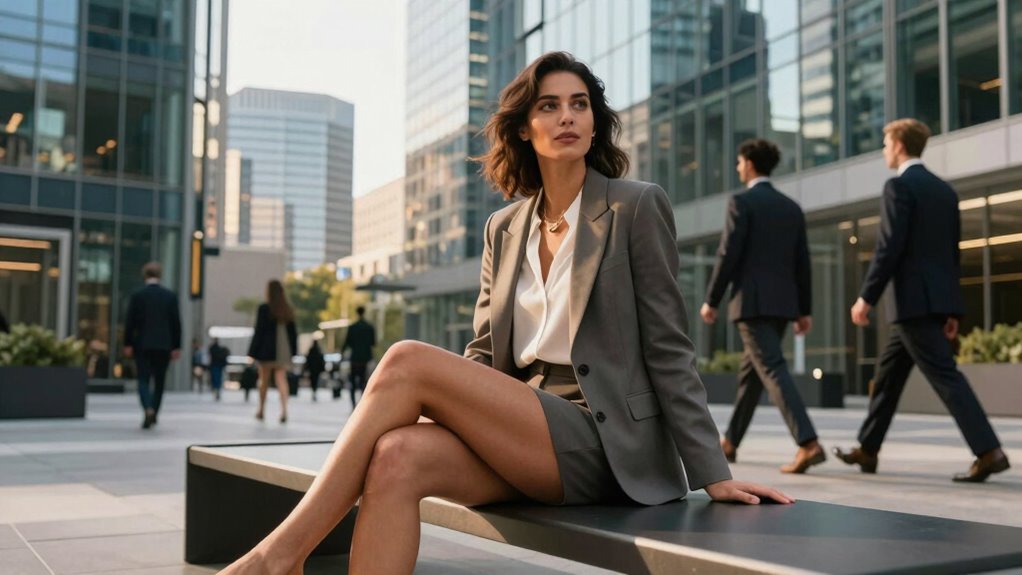
Have you ever wondered how bare legs became a common sight in professional settings? Not long ago, strict dress codes and traditional professional norms kept most employees in long skirts, pantyhose, or full-length pants. Revealing legs was considered inappropriate, especially in formal workplaces. But over time, cultural attitudes shifted, and so did the standards governing workplace attire. This transformation didn’t happen overnight; it was a gradual process influenced by broader societal changes, evolving fashion trends, and a push toward more relaxed, inclusive work environments.
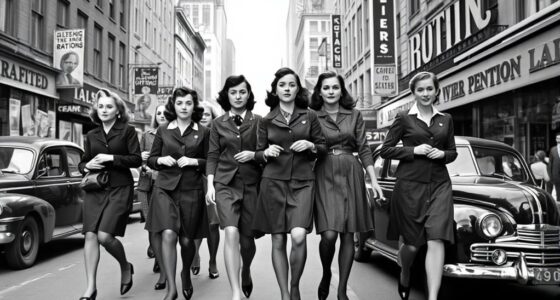
In the past, professional dress codes emphasized modesty and uniformity. They aimed to project a serious, polished image, often equating covered legs with professionalism. Dress codes were rigid, and deviations from these expectations could mean social or even professional repercussions. As a result, women and men alike adhered strictly to these standards, which often meant wearing closed-toe shoes, long skirts, or tailored trousers. During this era, showing bare legs was almost taboo, especially in corporate or formal settings, reflecting deep-rooted professional norms that prioritized conservatism.
However, as society became more progressive and gender roles evolved, so did the perceptions of professional attire. The 1960s and 1970s, in particular, marked a turning point, with cultural movements challenging traditional norms and promoting individual expression. Fashion began to loosen up, and workplaces started embracing more casual and diverse styles. This shift was reinforced by the increasing presence of women in the workforce, who sought comfort and practicality without sacrificing professionalism. The acceptance of bare legs, often paired with skirts and dresses, became more common as dress codes relaxed and professional norms expanded to include a wider range of personal expression.
Today, dress codes are generally more flexible, especially in creative industries and tech firms that prioritize comfort and authenticity over strict tradition. While some workplaces still have formal standards, many have adopted policies that allow employees to choose attire that reflects their personality and comfort level. Showing bare legs is now widely accepted in many professional settings, symbolizing a move toward inclusivity and a recognition that professionalism isn’t solely defined by rigid clothing rules. This cultural shift highlights how societal values — including gender equality, individualism, and comfort — influence what’s considered appropriate at work. The change in professional norms demonstrates a broader understanding that personal expression and professionalism can coexist, making workplaces more welcoming and less constrained by outdated dress code standards.
Furthermore, this shift towards more relaxed dress codes reflects a broader societal move towards valuing bodily autonomy and personal comfort, which are crucial aspects of inclusive work environments.
women's professional skirts with breathable fabric
As an affiliate, we earn on qualifying purchases.
As an affiliate, we earn on qualifying purchases.
Frequently Asked Questions
How Have Workplace Dress Codes Evolved Over the Past Decade?
Over the past decade, workplace dress codes have softened, making room for more casual styles. You might notice relaxed policies, especially on Casual Fridays, where employees often wear jeans or skirts. Companies are now more flexible, allowing personal expression while maintaining professionalism. Dress code policies have shifted from strict suits to smart casual, reflecting changing attitudes towards comfort and individuality. This evolution helps you feel more comfortable and authentic at work.
What Role Does Social Media Play in Fashion Acceptance?
Social media plays a huge role in fashion acceptance by shaping social influence and promoting fashion democratization. You see trends spreading quickly as influencers and everyday users share their styles, making diverse fashion choices more acceptable. This online platform empowers you to challenge traditional norms and embrace personal expression, encouraging a broader acceptance of styles like bare legs at work. Social media creates a more inclusive and dynamic fashion environment for everyone.
Are There Regional Differences in Accepting Bare Legs at Work?
Regional perceptions and cultural traditions profoundly influence how acceptable bare legs are at work. In some areas, especially warmer climates or progressive regions, you’ll find more relaxed dress codes that embrace bare legs. Conversely, in cultures with conservative values or colder climates, covering up is still the norm. Understanding these regional differences helps you navigate workplace attire appropriately, respecting local customs while feeling comfortable and confident.
How Do Gender Norms Influence Dress Code Changes?
Gender norms heavily influence dress code changes, as societal gender expectations often dictate what’s considered appropriate attire for men and women. You might notice that dress conformity is more relaxed for women, allowing bare legs in many workplaces, while men’s dress codes remain more traditional. These shifts challenge long-standing stereotypes, encouraging workplaces to become more inclusive, but gender expectations still shape how dress codes evolve and are enforced.
What Are Future Trends in Professional Attire?
Future trends in professional attire will likely emphasize dress code flexibility, allowing you to express personal style while maintaining professionalism. Casual Fridays will continue to encourage more relaxed outfits, and workplaces may adopt hybrid dress codes combining formal and casual elements. Expect more inclusive options that reflect diverse cultural influences and individual preferences, making it easier for you to balance comfort and professionalism without sacrificing style or confidence.
As an affiliate, we earn on qualifying purchases.
Conclusion
So, next time you hesitate to wear that skirt or those shorts to the office, remember how cultural attitudes have evolved. It’s clear that professional dress is shifting towards comfort and self-expression. Are you ready to embrace this change and redefine what workplace appropriateness means for you? Ultimately, your style choices reflect not just trends, but your confidence and authenticity. Why not take a step forward and show the world your true self?
As an affiliate, we earn on qualifying purchases.
As an affiliate, we earn on qualifying purchases.
Halloween Picks
halloween
As an affiliate, we earn on qualifying purchases.