
Historically, men’s legwear has evolved from minimal coverings in early societies to more decorative and status-symbol clothing in medieval and Renaissance times. As societies advanced, tight-fitting hose, embroidered designs, and luxurious fabrics became popular, reflecting social standing and regional identity. By the 17th and 18th centuries, tailored breeches and formal styles signaled class and profession, impacted by cultural and political influences. To uncover how these traditions shaped current fashion, explore more about their fascinating history.
Key Takeaways
- Men’s legwear evolved from minimal coverings in early societies to elaborate garments like hose and chausses in medieval Europe.
- Renaissance fashion emphasized decorative, tightly fitted leggings and hose, reflecting wealth and regional identity.
- The 17th and 18th centuries saw the rise of tailored breeches, signaling social class and professional status.
- Legwear styles responded to cultural, political, and economic influences, highlighting societal values and aesthetics.
- Modern norms shifted away from historical traditions, but legwear remains a reflection of cultural and social symbolism.
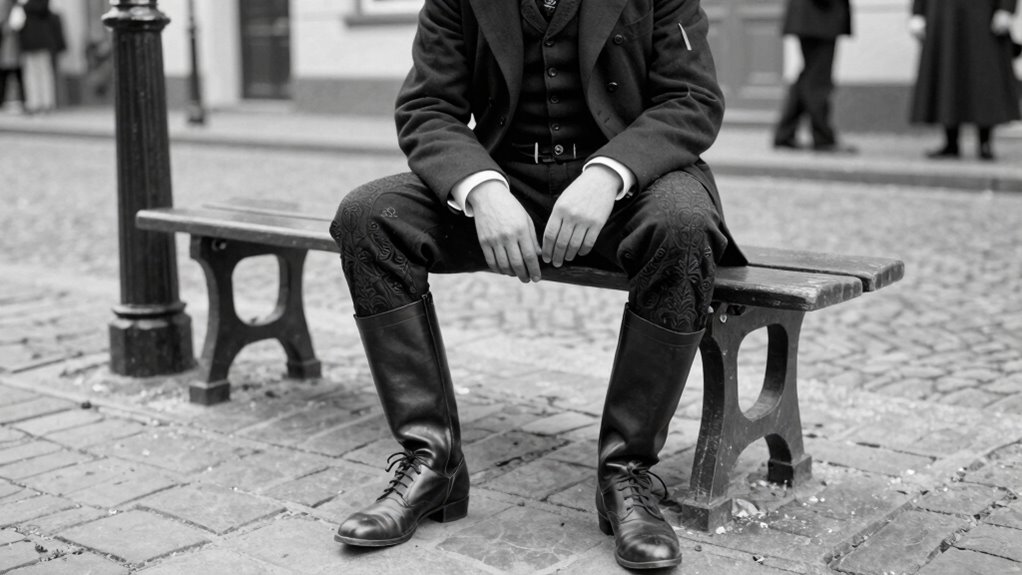
Have you ever wondered how men’s legwear evolved over the centuries? The story is a fascinating one, shaped by fashion evolution and cultural influences that constantly redefined what was considered appropriate or stylish. Long before modern norms shifted toward simplicity and practicality, men’s legwear was often a statement of status, identity, and tradition. During ancient times, for example, men wore tunics and cloaks that didn’t emphasize legwear, but as societies advanced, the focus shifted. In medieval Europe, hose and chausses became essential components of men’s clothing, especially among the nobility. These garments weren’t just about covering the legs—they reflected social standing and adherence to cultural standards. The intricate designs and vibrant colors of these leg coverings signified wealth and power, making them a symbol of prestige.
Medieval hose and chausses reflected social status, with vibrant colors and intricate designs symbolizing wealth and power.
Throughout the Renaissance, men’s fashion saw a dramatic change, influenced by the broader cultural currents sweeping across Europe. Men’s leggings and hose grew tighter and more decorative, often featuring embroidery, patterns, and luxurious fabrics. These style choices were driven not only by fashion evolution but also by cultural influences that celebrated craftsmanship and aesthetics. During this period, the distinction between genders in clothing became more pronounced, with men’s legwear serving as both functional and ornamental. In many cultures, such attire also demonstrated regional identity—what was fashionable in Italy or France might differ sharply from what was worn in England or Spain. These regional variations highlight how cultural influences played a pivotal role in shaping men’s legwear. Additionally, the use of textile craftsmanship in creating these garments underscored the importance of artisanal skill and regional traditions.
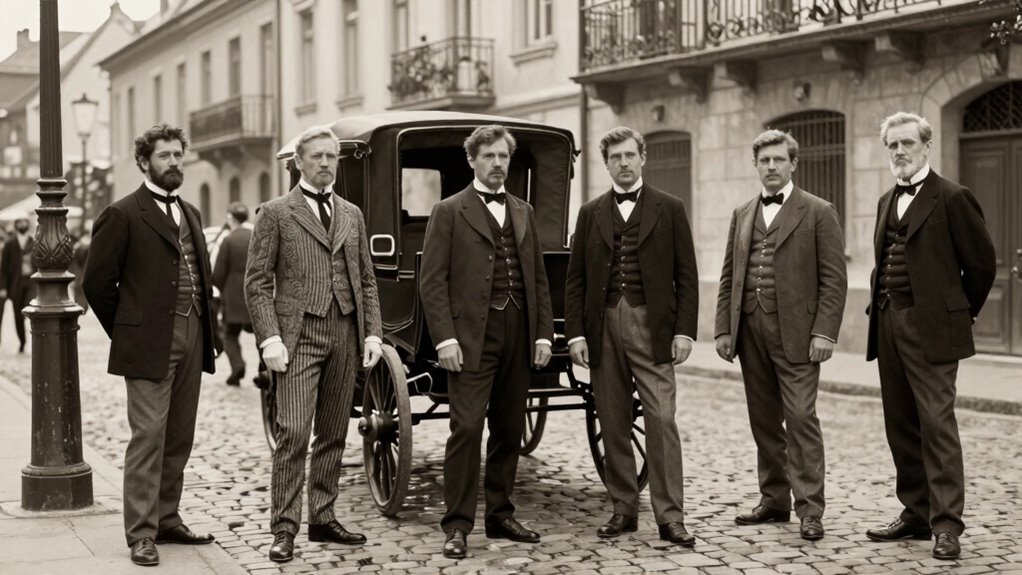
Moving into the 17th and 18th centuries, men’s legwear continued to evolve with the rise of tailored clothing. Breeches, for instance, became popular, fitting snugly around the legs and often ending just below the knee. These garments were not only practical but also fashionable, further emphasizing the importance of style in men’s clothing choices. During this era, the societal emphasis on formality and decorum meant that men’s legwear often carried symbolic meaning—what you wore could indicate your social class or profession. As the centuries progressed, the influence of military uniforms and court dress added new layers to the history of men’s legwear, blending functionality with fashion.
It’s important to recognize that these historical trends weren’t static; they shifted in response to political changes, economic factors, and cultural exchanges. The long history of men wearing legwear before modern norms shifted shows a rich tapestry of styles driven by societal values and aesthetic preferences. Today’s more relaxed approach to men’s legwear reflects these centuries of tradition and influence, even if it’s often overlooked or taken for granted. Understanding this history allows you to see legwear not just as clothing but as a mirror of cultural identity and evolution over time.
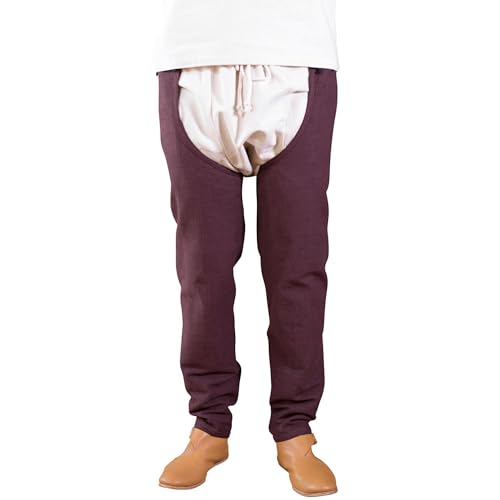
Burgschneider Medieval Chausses Brandolf Men's New Heavy Cotton – Historical Legwear for Reenactment LARP & Cosplay
Experience top-quality medieval and fantasy attire by Burgschneider, perfect for RenFairs, medieval markets, LARP, festivals, and cosplay events.
As an affiliate, we earn on qualifying purchases.
As an affiliate, we earn on qualifying purchases.
Frequently Asked Questions
Did Men Ever Wear Leggings as Everyday Attire in Ancient Cultures?
Yes, men in ancient cultures did wear leggings as everyday attire. During those times, footwear evolution and textile innovations allowed for more practical and comfortable leg coverings. These garments offered protection and flexibility, especially in colder climates or active lifestyles. You can see this in ancient Greece, Rome, and Scandinavian societies, where men used leggings or similar legwear regularly, showcasing their functional and cultural importance before modern fashion norms emerged.
How Did Gender Norms Influence Legwear Choices Throughout History?
Gender norms greatly influenced legwear choices throughout history, shaping fashion symbolism and cultural perceptions. You’ll notice that society often linked certain styles to gender identity, with men’s legwear like breeches or tights symbolizing strength or status. These perceptions evolved as cultural attitudes shifted, allowing more fluidity in fashion. Ultimately, gender norms either constrained or expanded legwear options, reflecting broader societal views on masculinity and femininity.
Were There Specific Social Classes Associated With Wearing Certain Types of Legwear?
You’ll notice that social classes profoundly influenced legwear choices, with fashion symbolism playing a key role. Nobility and aristocrats often wore luxurious, elaborately decorated stockings, showcasing wealth and status, while common folk favored simpler, durable options influenced by cultural influences and practicality. These distinctions reflected societal hierarchies, where specific legwear styles symbolized your class, reinforcing social boundaries and cultural identities across different periods and regions.
How Did Military Uniforms Impact the Popularity of Men’s Legwear?
When it comes to military uniforms, they really set the stage for the fashion evolution of men’s legwear, making certain styles more mainstream. You could say they “drove the bus” in shaping cultural symbolism, as soldiers’ attire influenced civilian trends. Uniforms showcased practicality and authority, inspiring civilians to adopt similar styles, which helped popularize stockings and breeches. This military influence turned functional gear into fashionable statements, blending utility with societal values.
When Did Men’s Legwear Start to Be Considered Solely Masculine?
You see, men’s legwear became considered solely masculine during the 18th and 19th centuries, as fashion evolution shifted societal norms. Cultural symbolism played a big role, with hose and breeches symbolizing strength and status. Over time, these garments became associated specifically with masculinity, distancing from their earlier, more gender-neutral or feminine roots. This change marked a clear distinction in fashion and societal expectations about gender.

LKMXD Victorian Century Colonial Pants Set – Retro Colonial Mens Knicker Breeches with Shoe Buckle and Socks (Black, M)
COMPLETE COLONIAL LOOK IN ONE BOX – Skip the hassle of matching accessories. This premium 3-piece set includes…
As an affiliate, we earn on qualifying purchases.
As an affiliate, we earn on qualifying purchases.
Conclusion
Throughout history, you’ve seen men embrace legwear in ways that challenge today’s norms—imagine, in the 16th century, nearly 80% of European men wore hose regularly. This shows how fashion evolves and reflects societal shifts. So, next time you see men sporting tights or leggings, remember this rich tradition that once defined masculinity itself. It’s a reminder that style is fluid, and what’s considered fashionable today might be history tomorrow.
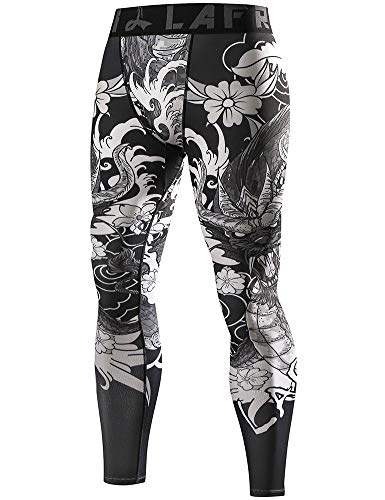
LAFROI Men's Quick Dry Cool Compression Fit Tights Leggings Waistband-YSK08 Dragon Size MD
【UPF 50+】UV protection fabric helps you fight against sunburn; to create barrier above the skin
As an affiliate, we earn on qualifying purchases.
As an affiliate, we earn on qualifying purchases.

Burgschneider Medieval Chausses Brandolf Men's New Heavy Cotton – Historical Legwear for Reenactment LARP & Cosplay
Experience top-quality medieval and fantasy attire by Burgschneider, perfect for RenFairs, medieval markets, LARP, festivals, and cosplay events.
As an affiliate, we earn on qualifying purchases.
As an affiliate, we earn on qualifying purchases.