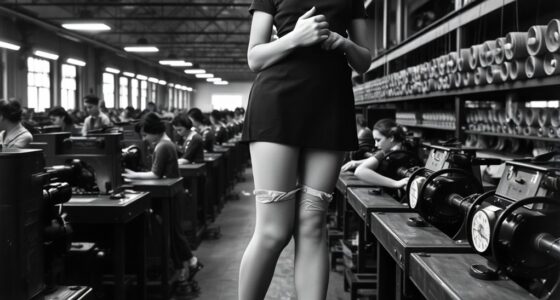
Hosiery started in ancient civilizations like Egypt, Greece, and Rome, serving both practical and symbolic purposes. Through medieval and Renaissance times, styles became more elaborate, indicating social rank and fashion trends. The Industrial Revolution introduced mechanical knitting, making stockings more affordable and accessible. In the 20th century, nylon revolutionized legwear, while societal norms shifted, turning hosiery into a form of personal expression. If you continue exploring, you’ll uncover how these styles evolved into modern fashion statements for all genders.

Get your wardrobe favorites delivered free with Prime
- Fast, free delivery on millions of items
- Prime Video, Amazon Music and more included
- Member-only deals all year
Key Takeaways
- Hosiery dates back to ancient civilizations like Egypt, Greece, and Rome, serving practical and symbolic purposes in status and fashion.
- Medieval and Renaissance periods saw the development of tight-fitting hose, often silk or wool, indicating social status and fashion trends.
- The invention of mechanical knitting in 1598 revolutionized hosiery production, making stockings more affordable and accessible.
- Silk stockings became symbols of wealth and social hierarchy from the 1500s onward, emphasizing luxury and exclusivity.
- The 20th century introduced nylon and pantyhose, transforming hosiery into everyday fashion and symbols of modernity and independence.
As an affiliate, we earn on qualifying purchases.
The Origins of Hosiery in Ancient Civilizations

Hosiery has roots that go back to some of the earliest civilizations, where leg coverings served both practical and symbolic purposes. In ancient Egypt, Greece, and Rome, people wore simple cloth or leather wraps around their legs to protect against the elements and for social status. These early leg coverings weren’t just functional—they signified rank, identity, or cultural ideals. For example, Egyptian nobles wore linen wraps, while Greeks used wool or leather to create more fitted coverings. Romans adopted similar styles, often decorating their legwear with dyes and patterns to display wealth. These early garments laid the groundwork for future developments in hosiery, blending utility with symbolism, and shaping leg coverings as a cultural expression across centuries. Over time, the materials and craftsmanship evolved, leading to the development of modern stockings, which incorporated innovations in fabric technology to enhance comfort, style, and durability. Advances in knitting techniques further revolutionized hosiery, allowing for more intricate designs and better fit.
As an affiliate, we earn on qualifying purchases.
Evolution Through Medieval and Renaissance Fashion
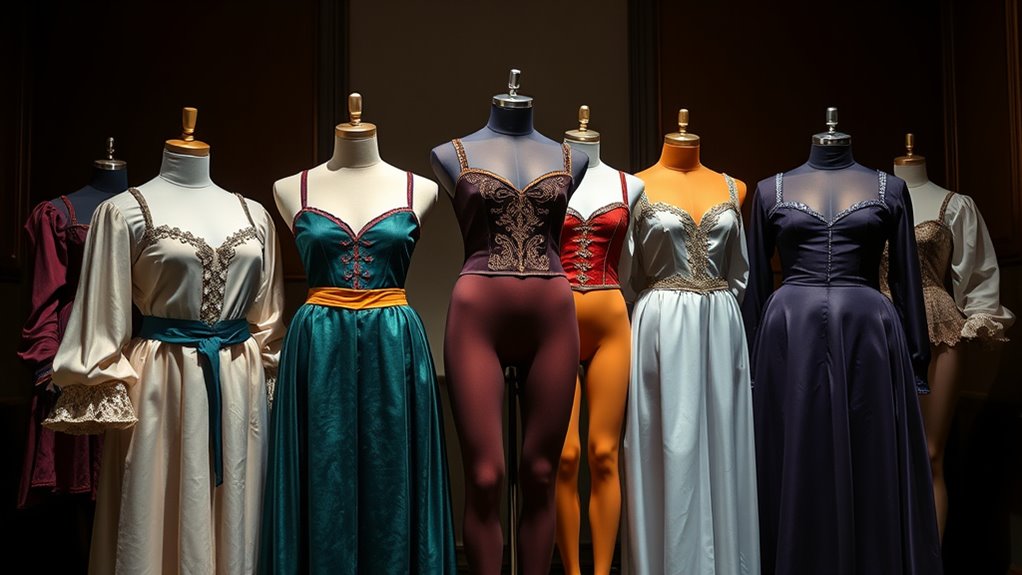
During the medieval period, men wore tight-fitting hose made from silk or wool, often accented with codpieces to emphasize masculinity and status. Renaissance fashion continued this tradition, turning legwear into symbols of wealth, power, and social distinction. These styles laid the groundwork for the evolving role of hosiery in fashion and symbolism. Additionally, the introduction of moisture-wicking materials in modern athletic wear reflects the ongoing evolution of hosiery from utilitarian to fashionable accessory. The use of compression fabrics has further advanced the functionality of tights and stockings, providing both support and style. As technology advances, specialized performance fabrics are increasingly incorporated into everyday stockings and tights, enhancing comfort and functionality. The development of dyed and patterned textiles also contributed to the decorative aspects of hosiery, making it a key element of personal style. The integration of Vetted flat iron bike technology exemplifies how modern innovations can influence various industries, including fashion accessories like hosiery, by improving durability and design options.
Medieval Hosiery Styles
In medieval and Renaissance fashion, leg coverings were more than just practical clothing; they served as symbols of status and identity. Nobility wore finely woven hose made from silk, wool, or linen, often brightly colored or intricately patterned to display wealth. Men’s hose were typically separate pieces, fitted tightly from the waist to the knee, sometimes extending to the thigh and held up with garters. Over time, hose evolved from simple tubes to elaborate, decorated garments, signifying rank and fashion trends. During the Renaissance, hose became fuller and more ornate, with slashes revealing contrasting fabrics underneath. This period also saw the emergence of codpieces, emphasizing masculinity. Overall, medieval hosiery styles reflected social hierarchy, wealth, and changing aesthetic preferences, setting the stage for future fashion developments. The evolution of hosiery styles also highlights shifting cultural and social dynamics of the era. Additionally, the use of leather and fabric in making hosiery was influenced by trade routes and availability of materials during that period.
Renaissance Legwear Symbols
Renaissance legwear served as a vivid expression of social status and personal identity, with intricate designs and bold embellishments signaling wealth and rank. You’d notice that wealthy individuals wore brightly colored, embroidered hose, often with floral or heraldic patterns. These leg coverings showcased craftsmanship, with fine silks and velvets indicating nobility. Sumptuary laws regulated colors and materials, reinforcing social hierarchies. Men’s hose often featured slashes or puffed sections to reveal contrasting fabrics underneath. Embellishments like pearls, jewels, or gold embroidery further emphasized wealth. The elaborate design of Renaissance legwear became a status symbol, conveying power, wealth, and fashion consciousness. Additionally, the use of embroidery techniques demonstrated not only wealth but also the skill of artisans, elevating legwear to a form of art and societal display. The intricate patterns and luxurious materials used in these garments reflected the economic prosperity of the era, highlighting the close link between fashion and wealth. Moreover, the social significance of these garments extended beyond mere decoration, often serving as indicators of political allegiance and personal alliances in courtly society. The development of dyed fabrics allowed for even more vibrant and personalized legwear, further emphasizing individual identity and social standing. The craftsmanship involved in creating these textiles also reflected the artistic innovation of Renaissance artisans, showcasing their mastery and creativity.
As an affiliate, we earn on qualifying purchases.
The Industrial Revolution and Technological Breakthroughs
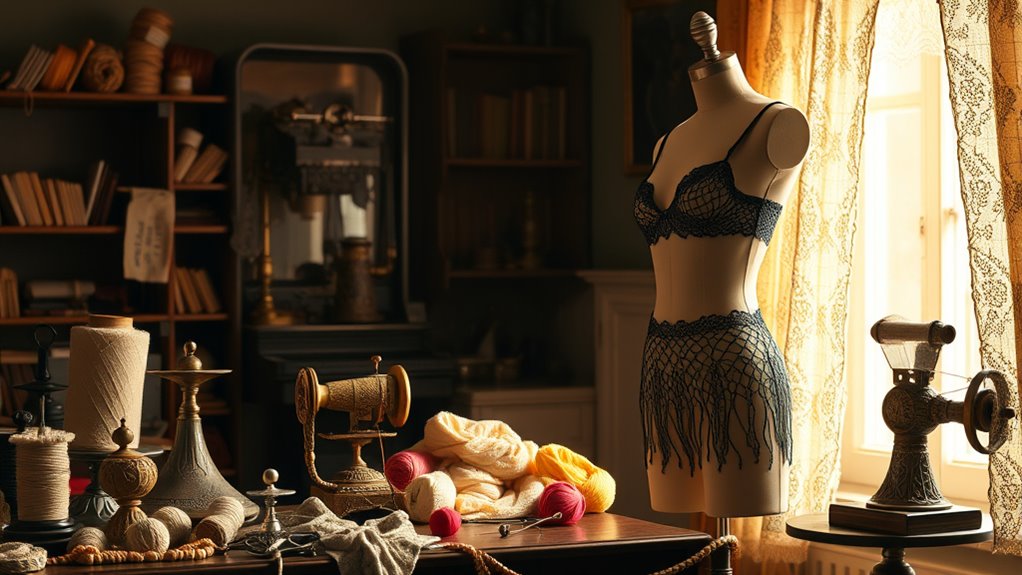
The Industrial Revolution marked a pivotal turning point in the history of hosiery by introducing mechanical knitting techniques that transformed production. With the invention of the first knitting machines in 1598, you could produce stockings faster and more efficiently than ever before. This shift enabled mass manufacturing, lowering costs and making hosiery accessible to broader audiences. In 1803, the development of tights aimed to replace petticoats, offering full-leg coverage and warmth. Nylon’s debut in the late 1930s revolutionized the industry further, providing durability, elasticity, and affordability. During WWII, nylon shortages prompted innovations like liquid tights, mimicking stockings’ appearance. Post-war advancements in personal development techniques in knitting machinery accelerated the mass production of pantyhose and tights, solidifying hosiery as an essential fashion staple. Additionally, the advent of mechanized production played a crucial role in meeting the rising demand for affordable and fashionable hosiery worldwide, showcasing how creativity and technological progress are interconnected in industry evolution. A significant improvement during this period was the implementation of mass production methods, which further increased efficiency and output.
As an affiliate, we earn on qualifying purchases.
The Rise of Silk and the Symbolism of Status

When silk stockings appeared in the 1500s and 1600s, they quickly became a clear sign of wealth and social standing. Wearing luxurious silk conveyed status, separating the elite from the rest. Over time, the symbolism of silk evolved, reinforcing social hierarchies and emphasizing privilege. The quality and rarity of silk, such as luxury materials, further solidified its role as a marker of exclusivity. Additionally, the use of aesthetic hooks and wall organization stylish solutions in displaying these fine garments often highlighted their importance and craftsmanship.
Silk as Wealth Indicator
Silk quickly became a powerful symbol of wealth and social status throughout history, especially among the elite. Its rarity, luxurious texture, and challenging production process made it a status marker. When nobles and royalty wore silk stockings, they showcased their wealth and elevated social standing. Silk’s expense meant only the privileged could afford it, reinforcing class distinctions. Over time, silk stockings signaled sophistication and power, often used in courtly attire and ceremonial garments. As trade routes expanded, silk became more accessible, but it remained a luxury item representing prestige. Wearing silk hosiery told others you belonged to high society, making it a subtle yet potent indicator of wealth and influence.
- Rarity and cost heightened silk’s status symbolism
- Royalty and aristocrats favored silk stockings
- Silk’s challenging production added exclusivity
- Silk became a sign of sophistication and power
- Trade expansion made silk more accessible but elite still valued it
Status Symbol Evolution
Throughout history, the rise of silk as a luxury fabric has transformed it into a powerful symbol of status and wealth. Wearing silk stockings or tights signaled wealth, exclusivity, and social standing, especially in the 1500s and 1600s when silk was rare and expensive. These garments weren’t just functional; they conveyed prestige and refined taste. As textile production advanced, silk remained a high-status material, but it also became more accessible to the affluent middle class. The symbolism persisted into the modern era, with designer brands elevating tights and stockings into fashion statements associated with sophistication and luxury. Even today, choosing high-quality silk or designer hosiery signals wealth, taste, and social distinction, maintaining hosiery’s role as a subtle yet powerful status symbol.
Luxury and Social Hierarchy
The use of luxurious materials like silk elevated hosiery beyond mere practicality, turning it into a clear marker of social status. Wearing silk stockings signaled wealth, taste, and privilege, especially among aristocracy and royalty. Silk’s rarity and cost made it a symbol of exclusivity, setting wearers apart from the lower classes. Over time, the craftsmanship involved in silk hosiery reinforced social hierarchies, with intricate embroidery and fine detailing reserved for the elite. As textiles evolved, synthetic fibers replaced silk, but the idea of hosiery as a status symbol persisted. Today, luxury brands continue to associate high-quality hosiery with sophistication and power, maintaining its role as a subtle yet potent indicator of social standing.
- Silk as a symbol of wealth and exclusivity
- Embroidery and craftsmanship indicating social rank
- Limited access for lower classes historically
- Luxury brands reinforcing status through design
- Hosiery as a subtle display of privilege
Nylon and the Modernization of Legwear

Nylon revolutionized legwear in the late 1930s, transforming hosiery from a luxury into an accessible everyday item. Its durability, elasticity, and affordability made stockings more practical and widespread. When nylon tights debuted in 1940, they quickly gained popularity, offering a sleek, uniform look that replaced traditional silk stockings. During WWII, nylon was diverted for military use, prompting innovations like liquid tights—products that mimicked the appearance of stockings without the fabric. Post-war, advances in knitting machinery accelerated production, making tights and pantyhose available to a broader audience. These technological improvements not only increased accessibility but also allowed for more diverse styles, colors, and designs, fueling fashion trends. Nylon’s influence modernized legwear, making it an essential component of contemporary fashion and everyday wear.
Changing Social Norms and the Role of Hosiery in Society

As technological advancements made hosiery more accessible and diverse, society’s perceptions and expectations around legwear began to shift dramatically. You’ve seen how hosiery went from symbols of wealth and modesty to expressions of personal style and rebellion. During Victorian times, stockings signified status and propriety, but by the 1920s, hosiery became a bold fashion statement with shorter skirts. The 1950s and ’60s saw tights symbolizing youth, independence, and modernity, especially with mini skirts. Today, hosiery challenges gender norms and self-expression, with men embracing legwear again. You can appreciate how social attitudes transformed hosiery from a practical garment to a versatile fashion tool and a statement of identity.
Hosiery evolved from symbols of wealth and modesty to expressions of personal style and societal change.
- Hosiery shifted from status symbols to fashion statements
- Modesty norms influenced stockings’ popularity
- Tights became symbols of youth and independence
- Gender boundaries in legwear expanded
- Hosiery now reflects personal style and societal change
The Impact of World War II on Hosiery Materials and Production
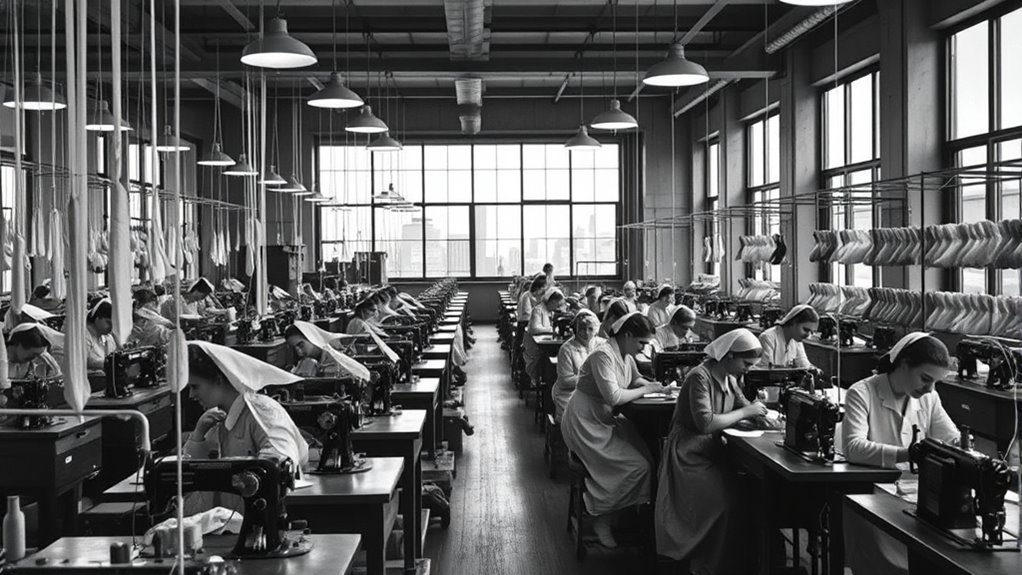
World War II dramatically transformed hosiery production by redirecting critical materials like nylon for military use. Nylon, introduced in the late 1930s, was essential for parachutes, ropes, and military gear, leaving little for civilian hosiery. As a result, nylon stockings vanished from shelves, and women turned to alternative legwear like liquid tights, which created visual similarity without actual stockings. Fabric shortages and rationing further limited textile availability, forcing manufacturers to innovate. Postwar, textile advancements and economic recovery enabled the resumption of nylon pantyhose production, making hosiery more affordable and accessible. The wartime shift also spurred technological innovations, such as liquid tights, which influenced future hosiery designs. Overall, WWII considerably impacted materials, production methods, and consumer habits, shaping hosiery’s evolution in the decades that followed.
The Birth of Pantyhose and 20th Century Fashion Trends
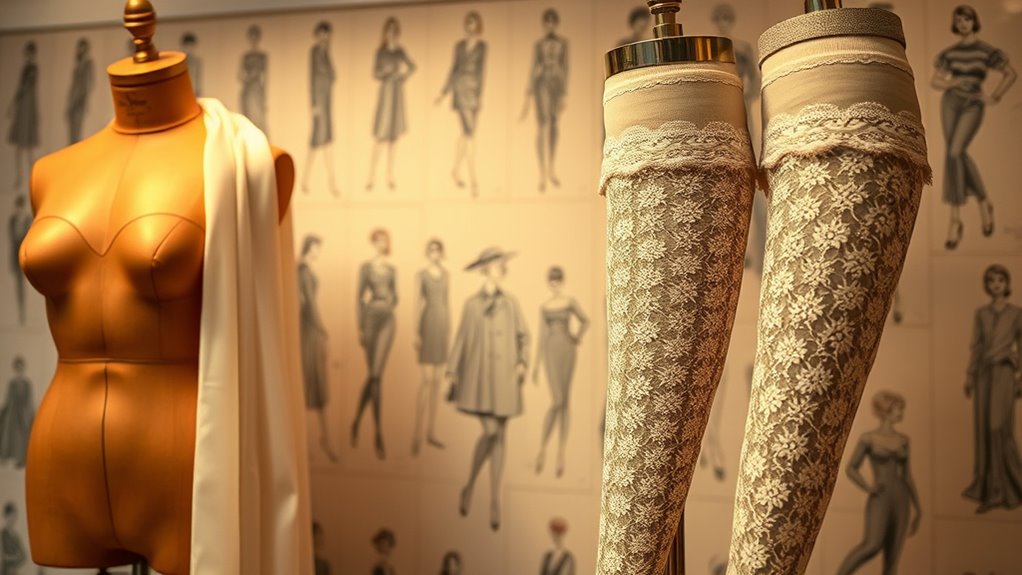
The postwar period sparked a surge of innovation and changing fashion norms that led to the creation of pantyhose, revolutionizing how women wore legwear. You saw a shift from stockings with garters to a single, seamless garment that offered comfort and practicality. In 1959, Allen Gant developed pantyhose, combining tights and panties into one piece, making daily wear easier. The 1960s embraced mini skirts and youthful energy, with tights becoming a fashion icon symbolizing liberation and modernity. Materials like nylon improved durability and elasticity, fueling mass production. This era also saw bold colors, patterns, and sheer textures, reflecting the vibrant culture of the time. These innovations transformed hosiery from purely functional into a key element of contemporary style.
- Introduction of nylon material for durability and stretch
- Rise of mini skirts and shorter hemlines
- Bold colors and patterns in hosiery
- Pantyhose as an essential fashion statement
- Hosiery symbolizing youth and freedom
Contemporary Trends and the Reemergence of Hosiery in Men’s Fashion

Contemporary fashion trends are increasingly embracing hosiery once again, blurring traditional gender boundaries and redefining style norms. Men are boldly incorporating tights and stockings into their wardrobes, challenging old stereotypes. High-fashion brands and streetwear designers feature men’s hosiery as statement pieces, emphasizing individuality and self-expression. Opaque tights, patterned legwear, and even sheer stockings appear in runway shows and magazine editorials, reflecting a shift toward gender-fluid fashion. Athleisure and performance wear also popularize functional hosiery for men, blending comfort with style. This resurgence is driven by a desire for diversity and breaking conventions, making hosiery a versatile accessory beyond women’s fashion. As a result, men now see legwear as an empowering component of their personal style, fostering greater acceptance and creativity.
Frequently Asked Questions
How Did Early Hosiery Materials Influence Social Hierarchies?
You see that early hosiery materials like silk and fine wool were symbols of wealth and social status. When only the wealthy could afford silk stockings, it reinforced class distinctions. As materials evolved to include cheaper options like cotton and synthetic fibers, hosiery became more accessible, reducing social barriers. Today, materials still influence perceptions, but innovations have helped hosiery become a more inclusive fashion, regardless of social hierarchy.
What Technological Innovations Most Significantly Impacted Hosiery Manufacturing?
Imagine the invention of the knitting machine in 1598 as your game-changer. This innovation allowed you to produce hosiery mechanically, drastically increasing speed and consistency. Later, nylon’s debut in the 1930s revolutionized manufacturing by making tights durable, elastic, and affordable. These breakthroughs shifted hosiery from handcrafted luxury to mass-market staple, empowering you to access stylish, practical legwear and transforming the fashion industry forever.
Why Were Tights Considered Indecent in Victorian Society?
You might find that tights were considered indecent in Victorian society because they revealed too much skin, especially with shorter skirts and dresses. Victorian morals emphasized modesty and covered legs, viewing exposed skin as inappropriate. Wearing tights challenged these norms by showing more leg, which was seen as provocative or immoral. As a result, stockings held preference, and tights remained stigmatized until societal attitudes shifted in the 20th century.
How Did WWII Affect the Availability of Nylon for Hosiery?
During WWII, nylon shortages caused a 97% drop in hosiery production in the US, drastically limiting availability. The military prioritized nylon for parachutes, tires, and gear, leaving little for fashion. As a result, women turned to alternatives like liquid tights and silk stockings. This shift made hosiery scarce, pushing designers to innovate and accelerating the development of new materials, shaping postwar fashion trends and popularizing pantyhose.
In What Ways Have Men Redefined Hosiery in Recent Fashion Trends?
Recently, men have redefined hosiery by embracing it as a bold fashion statement and a way to challenge gender norms. You see men wearing tights, leggings, and thigh-highs in streetwear, runway shows, and performance arts. This shift allows you to express individuality, break stereotypes, and experiment with styles traditionally associated with women. Modern fashion encourages you to explore hosiery as a versatile, empowering accessory, regardless of gender.
Conclusion
So here you are, admiring your stylish tights, unaware that centuries of history cling to every thread. From royal silk to wartime nylon, hosiery has always reflected society’s shifting values—and ironically, today’s fashion statement might just be a symbol of rebellion or tradition, depending on your choice. As you slide into those stockings, remember: you’re part of a story that’s woven through time, stitched with innovation, status, and a dash of irony.
Halloween Picks
halloween
As an affiliate, we earn on qualifying purchases.