During the Renaissance, men wore tights—called hose—as a key fashion staple to display wealth and social status. These fitted garments evolved from simple leg coverings into luxurious, decorative pieces with bright colors, patterns, embroidery, and jewel accents. Technological advances made hosiery more accessible yet still linked to status symbols, reinforcing social hierarchies. If you explore further, you’ll discover how these styles transformed fashion and influenced modern trends.

Get your wardrobe favorites delivered free — and shop member deals
- Fast, free delivery on millions of items
- Access to Prime Big Deal Days deals on October 6–7
- Prime Video, Amazon Music and more included
Key Takeaways
- Men wore fitted hose or tights as a symbol of wealth, social status, and refinement during the Renaissance period.
- Tights became fashionable among the upper classes from the 14th to 16th centuries, often brightly colored and decorated.
- Laws and social customs restricted lower classes from wearing luxurious tights, emphasizing social hierarchy.
- Technological advances like knitting machines in 1598 made men’s tights more accessible and intricate in design.
- Renaissance men’s tights showcased legs and power, often paired with ornate doublets and accessories as a display of prestige.
As an affiliate, we earn on qualifying purchases.
Origins and Early Use of Hose in Medieval Europe

Have you ever wondered how medieval Europeans kept their legs warm and protected? They wore hose, which first appeared in the 13th century, stretching from waist to feet. These early garments were made of wool and fitted tightly to the legs, providing warmth and coverage. Unlike modern tights, they were laced to the doublet to stay snug, not elastic. Men often used a codpiece to cover the groin area, especially when fashion favored very short doublets. These hose evolved from simple foot coverings and leggings meant for practicality. Over time, they became more fitted and decorative, setting the foundation for the elaborate hosiery of the Renaissance. The development of hose reflected broader shifts in clothing technology and fashion trends during that period. This early use marked the beginning of a long history where hose transitioned from basic protection to a symbol of status and style.
As an affiliate, we earn on qualifying purchases.
The Renaissance Rise of Hosiery as a Status Symbol
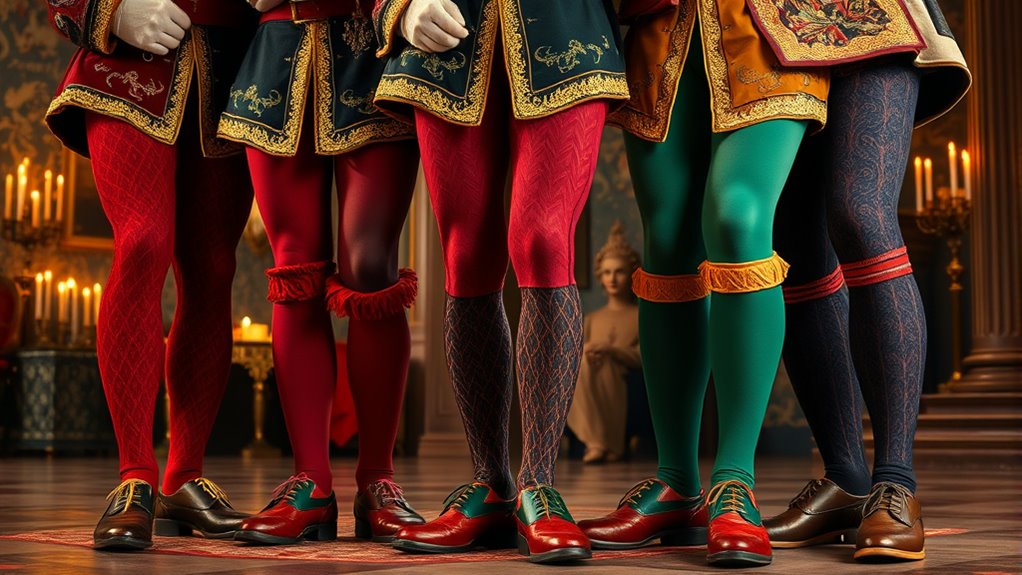
During the Renaissance, hosiery moved beyond its practical origins to become a key indicator of wealth and social standing. You’d notice that brightly colored, intricately patterned hose signaled your elite status. People used hosiery to distinguish social classes and demonstrate refinement. Diverse beach experiences, luxurious fabrics like silk and velvet became symbols of wealth. Bright, vivid dyes showcased your access to rare materials. Fine embroidery and jeweled accents elevated hosiery into artful displays of status. Men’s hose, especially when fitted tightly and decorated elaborately, highlighted their importance and social rank. Short tunics revealed these fashionable leg coverings, making hosiery a visible marker of prestige. Additionally, the use of sustainable dyes reflected the growing awareness of environmental impact even during that era. As a result, hosiery was no longer just clothing—it became a statement of power, wealth, and cultural identity during the Renaissance.
As an affiliate, we earn on qualifying purchases.
Materials and Manufacturing Innovations in Hosiery Production
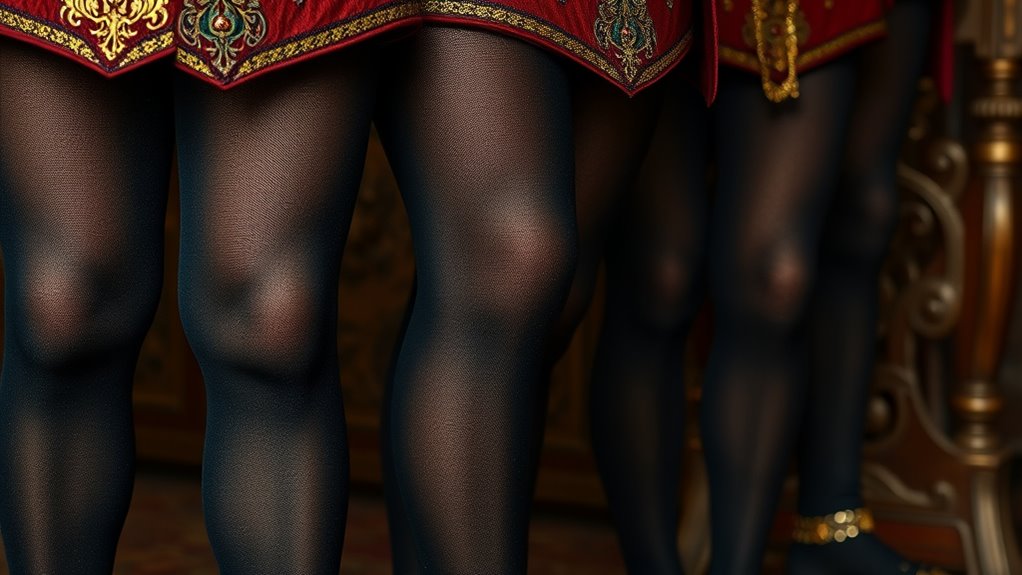
The development of materials and manufacturing techniques revolutionized Renaissance hosiery, transforming it from simple coverings into luxurious fashion statements. You’ll notice that wool remained a staple for warmth and availability, serving as the primary fabric for most of the period. However, the upper classes favored silk and fine linen, showcasing wealth and refinement. The key innovation was knitting, which allowed for better fit and intricate patterns. Reverend William Lee’s creation of the first knitting machine in 1598 marked a turning point, enabling larger-scale production. Despite these advances, high-quality hosiery remained a luxury, mainly accessible to the elite. This shift from basic textiles to luxurious fabrics and the advent of mechanized knitting paved the way for more sophisticated and fashionable hosiery, influencing both contemporary and future fashion trends. Additionally, the use of knitting technology and other trendy names became popular, reflecting a broader cultural shift towards personalization and style. The increasing demand for fashionable hosiery also spurred innovations in textile manufacturing techniques, further expanding the variety and quality available to consumers.
As an affiliate, we earn on qualifying purchases.
Design Trends and Aesthetic Features of Renaissance Hose
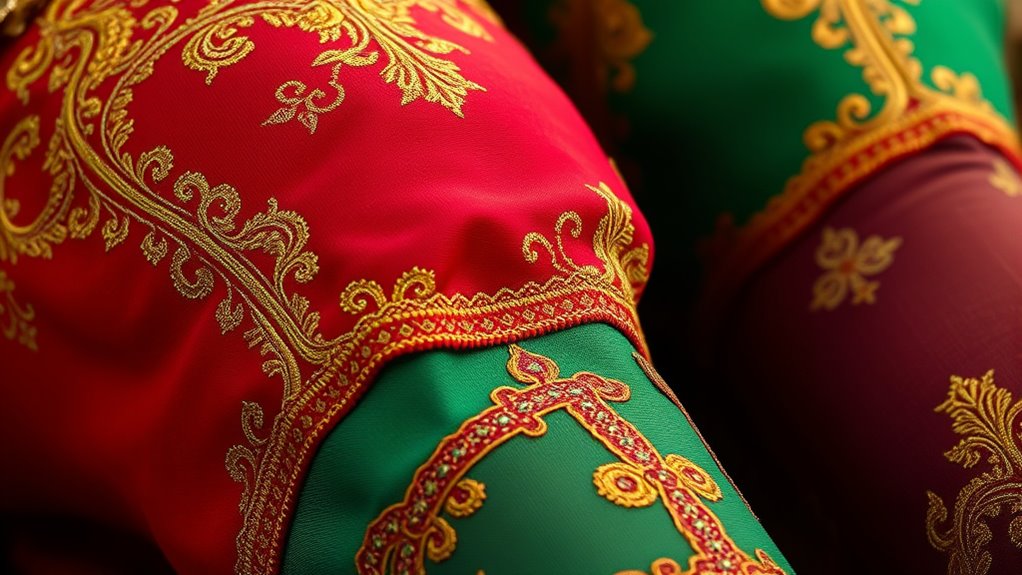
Renaissance hose showcased a bold embrace of color and intricate design, transforming functional garments into statements of personal style. You’ll notice vibrant hues, often in contrasting or multiple shades, creating striking visual effects. Many hose featured elaborate patterns, including geometric motifs, floral designs, and mi-parti color blocking—each leg or section showcasing different colors. Some even displayed embroidered details and jeweled accents, elevating them into decorative art pieces. Brightly colored and decorative, hose became a key element in showcasing wealth and taste. You’ll see how these aesthetic features emphasized individuality and social standing, making hose not just clothing but a canvas for artistic expression during the Renaissance. Additionally, the use of color temperature adjustments in dyeing techniques contributed to the vibrant and diverse color palette seen in Renaissance hose. The intricate patterns often required skilled craftsmanship, reflecting the high level of artistry invested in fashion during this period. Such craftsmanship also highlighted the importance of social status, as elaborate hose were often reserved for the upper classes who could afford these detailed and luxurious garments. Furthermore, the development of dyeing techniques allowed for a wider range of vivid colors, further enhancing the visual impact of Renaissance hose.
The Social Significance and Fashion Laws Surrounding Hosiery
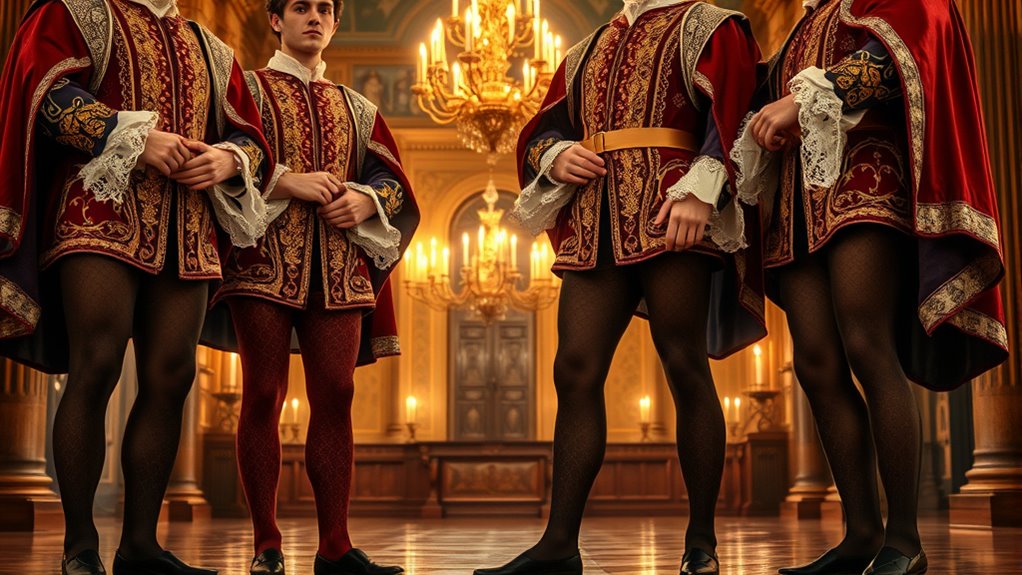
Hosiery in the Renaissance was more than just fashion; it served as a powerful symbol of social status and cultural identity. You’d notice that the quality, color, and decoration of hose indicated your rank and wealth. Upper classes wore brightly colored, embroidered, or patterned tights to display their wealth, while commoners had simpler, duller versions. Laws and social norms regulated what was acceptable; for example, in 15th-century England, only the wealthy could wear short tunics revealing their hose, and some clergy condemned such displays as shameful. Wearing luxurious hosiery was a way to demonstrate your prestige, but it also reinforced social boundaries. These laws and customs shaped how you dressed, signaling your place in the social hierarchy and embodying the era’s cultural values. Fashion laws also dictated specific styles and restrictions, ensuring that dress remained a clear indicator of social division, with dress codes serving as a form of social control. Additionally, sumptuary laws were enacted to regulate and limit the use of luxurious fabrics and accessories, including hosiery, further emphasizing social distinctions. Moreover, the regulation of clothing materials helped maintain economic and social order by controlling who could wear certain fabrics or styles. Furthermore, the enforcement of economic regulations in textile production influenced the availability and affordability of certain hosiery styles, impacting social expression.
Decorative Elements: Embroidery, Patterns, and Embellishments

Decorative elements transformed hose from simple coverings into wearable works of art, allowing wearers to showcase wealth and taste. During the Renaissance, embroidery, patterns, and embellishments became key features, elevating hosiery to high fashion. You’d see intricate embroidery featuring floral motifs, heraldic symbols, and geometric designs that displayed craftsmanship and status. Patterns such as particoloring or mi-parti made each pair unique, often contrasting colors on each leg or within a single piece. Embellishments like jeweled accents, gold thread, or silk appliqués added luxury and visual impact. These details served not only as decoration but also as social signals, marking the wearer’s position and refined taste. Such decorative techniques turned hosiery into an art form, blending practicality with aesthetic sophistication. Additionally, the use of specialized textile techniques allowed artisans to create highly detailed and durable decorative elements that enhanced the garment’s overall elegance, reflecting the importance of biodiversity in preserving diverse craftsmanship traditions across regions. Furthermore, the integration of artistic innovation in textile decoration contributed to the development of regional styles and techniques. A focus on regional craftsmanship helped sustain these decorative arts over centuries and contributed to the cultural identity of the period.
The Transition From Practical Garments to Fashion Statements
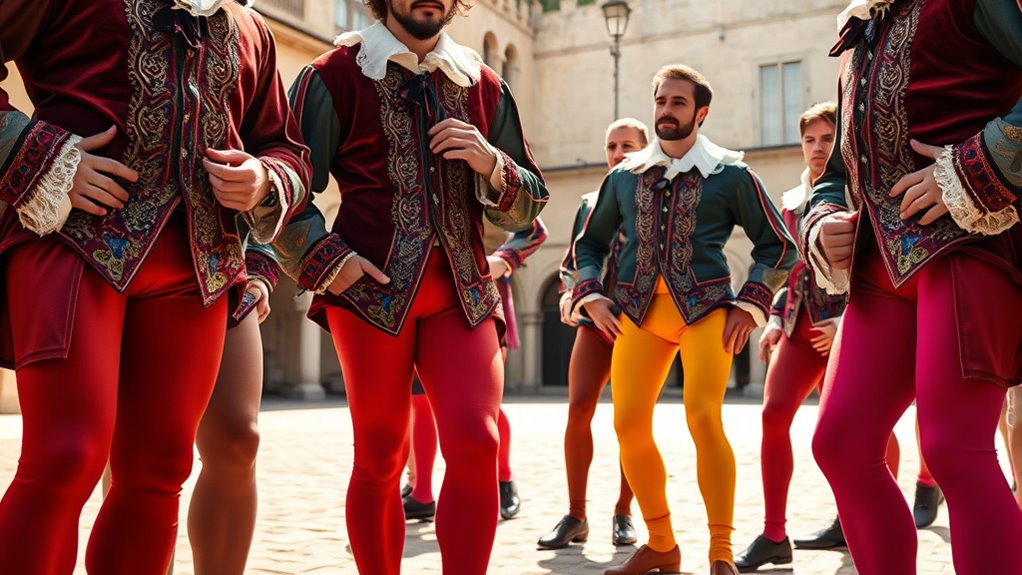
As fashion evolved during the Renaissance, what once served solely as practical garments for warmth and protection transformed into symbols of status and personal style. You notice how hose shifted from simple coverings to elaborate statements of wealth. Bright colors, intricate patterns, and luxurious fabrics became common among the elite, emphasizing social standing. Men wore fitted hose to showcase their legs, often pairing them with ornate doublets and accessories. This shift reflected a broader cultural change where clothing expressed identity and power. The evolution was driven by technological innovations like knitting machines, making luxurious hosiery more accessible. Additionally, the development of fabric manufacturing techniques allowed for greater variety and quality in Renaissance hosiery. The increased availability of luxurious fabrics such as silk and velvet contributed to the diversification of fashion statements among men. The table below highlights key aspects of this transformation:
| Stage | Features | Significance |
|---|---|---|
| Practical Beginnings | Wool, simple, functional | Warmth, protection |
| Early Fashion Statements | Bright colors, fitted design | Status, visibility |
| Luxury Fabrics | Silk, velvet | Wealth, exclusivity |
| Decorative Elements | Embroidery, jewels | Personal expression |
| Cultural Impact | Social codes, laws | Class distinction, morality |
Technological Advances and Their Impact on Hosiery Availability

The invention of the knitting machine revolutionized hosiery production, making it faster and more precise. This technological leap allowed for larger-scale manufacturing, increasing the availability of fashionable tights beyond the upper classes. As a result, more people could access stylish and well-made hosiery, transforming the market during the Renaissance.
Knitting Machine Innovation
Innovations in knitting technology during the Renaissance revolutionized hosiery production by enabling faster, more precise manufacturing processes. You now benefit from the development of early knitting machines that increased efficiency and consistency. These machines reduced manual labor and allowed for more intricate designs, making fashionable hosiery accessible to a broader audience.
With this technology, you can see:
- Faster production times, reducing costs and increasing supply
- Greater design complexity, such as patterns and color combinations
- Improved fit and uniformity, enhancing comfort and style
William Lee’s invention in 1598 laid the groundwork, transforming hosiery from a handcrafted craft into a semi-industrial process. This innovation made luxurious, well-fitting tights more widely available, influencing fashion trends and social status.
Production Scale Expansion
Advancements in textile technology and machinery during the Renaissance dramatically expanded the scale of hosiery production. The invention of the knitting machine by William Lee in 1598 revolutionized how hosiery was made, allowing for faster, more consistent, and higher-volume output. This technological leap meant that hosiery could now be produced in larger quantities, making it more accessible beyond the aristocracy. As machinery improved, factories emerged, reducing the reliance on handcrafting and increasing efficiency. However, despite these innovations, production still primarily catered to the wealthy, with lower classes having limited access. Over time, the increased scale and technological progress laid the groundwork for hosiery to become a staple of everyday fashion, setting the stage for future mass production.
The Cultural Legacy of Renaissance Hosiery in Modern Fashion

You can see how Renaissance hosiery influences modern fashion, especially in the resurgence of bold, colorful tights. These pieces still symbolize social status and personal expression, echoing their historical roots. By wearing such styles today, you connect with a legacy of craftsmanship, symbolism, and cultural identity from the Renaissance era.
Modern Revival Trends
The cultural legacy of Renaissance hosiery continues to influence modern fashion, as designers draw inspiration from the intricate patterns, bold colors, and luxurious fabrics of that era. Today, you see this reflected in runway collections, streetwear, and accessories. Trends include:
- Patterned tights and leggings with medieval motifs and vibrant hues
- Color-blocking and mi-parti designs reminiscent of Renaissance multi-tone hose
- Decorative embellishments like embroidery, jewels, and metallic accents
These revival trends blend historical elements with contemporary styles, making hosiery a statement piece. From bold tights to layered legwear, fashion enthusiasts embrace the artistry of Renaissance hosiery. Modern designers often evoke the spirit of high status and creativity that once defined those garments, transforming them into symbols of individuality and cultural appreciation.
Symbolism and Status
Have you ever wondered how Renaissance hosiery became more than just clothing? During that era, men’s hose transformed into symbols of wealth, social status, and refinement. Bright colors, intricate patterns, and luxurious fabrics like silk and velvet signaled high rank and aristocratic taste. Fitted hose emphasized the legs, showcasing power and attractiveness, while the quality and embellishments indicated wealth. Laws even limited lower classes from exposing certain styles, reinforcing social divides. Wearing elaborate hosiery wasn’t just about fashion; it was a statement of privilege and status. Today, these historical symbols still influence modern fashion, where fine materials and bold designs often signify prestige. The Renaissance hosiery legacy reminds us that clothing can convey social meaning beyond mere utility.
Frequently Asked Questions
How Did Knitting Machines Influence Hosiery Production During the Renaissance?
Knitting machines revolutionized hosiery production during the Renaissance by allowing you to produce tightly fitted, intricate stockings more efficiently and consistently. Reverend William Lee’s invention in 1598 made it possible to mass-produce high-quality hosiery with detailed patterns, vibrant colors, and luxurious fabrics. This technological leap increased the availability of fashionable hosiery among the upper classes, transforming it from a handcrafted luxury into a more accessible, standardized item that enhanced social status and style.
Were There Regional Differences in Renaissance Hosiery Styles Across Europe?
You’ll find that regional differences in Renaissance hosiery styles across Europe were quite distinct. In Italy, brightly colored, patterned hose with intricate embroidery signaled wealth and high status. Meanwhile, in France and England, hose tended to be more subdued but still featured bold colors and designs for the upper classes. These variations reflected local fashion trends, social norms, and available materials, making hosiery a true regional fashion statement.
Did Women Ever Wear Tights or Similar Hosiery During the Renaissance?
Yes, women did wear hosiery during the Renaissance, though styles differed from men’s tights. Women favored fine silk or linen stockings that extended up the legs, often decorated with embroidery or lace. These hosiery pieces served both practical and decorative purposes, emphasizing elegance and social status. You’d see women in colorful, intricately patterned stockings that complemented their dresses, making hosiery a key part of Renaissance fashion for ladies.
How Did Hosiery Influence Other Fashion Trends of the Renaissance Period?
Hosiery during the Renaissance subtly shaped fashion by emphasizing the legs, inspiring short tunics and ornate doublets that showcased refined taste. Its vibrant colors and intricate designs set trends, encouraging men to experiment with patterns and luxurious fabrics. As a result, hosiery became a key accessory reflecting social status, influencing overall styles and adding a touch of elegance and individuality to Renaissance attire.
What Role Did Hosiery Play in Theatrical or Ceremonial Costumes?
Hosiery played a key role in theatrical and ceremonial costumes by enhancing visual impact and signaling social status. You’d see brightly colored, intricately patterned hose in plays and court events, emphasizing characters’ roles or rank. They often featured decorative embroidery or jewels, making costumes more elaborate and eye-catching. This use of hosiery helped convey messages of wealth, power, and tradition, elevating the spectacle and formality of Renaissance performances and ceremonies.
Conclusion
You might be surprised to learn that during the Renaissance, men’s hose could reach up to 80% of their wardrobe budget. This shows just how much hosiery symbolized status and style back then. Today, the legacy of those elaborate, embroidered tights influences modern fashion trends, blending history with contemporary flair. So next time you see someone rocking bold patterns or vibrant colors, remember—you’re witnessing a tradition that’s centuries old.
Fall Picks
fall essentials
As an affiliate, we earn on qualifying purchases.